Bill Eslick has run a bunch of interesting prop tests and
published the data on his web site.
http://www.weslick.com/
I reproduced some of it here and added some comments.
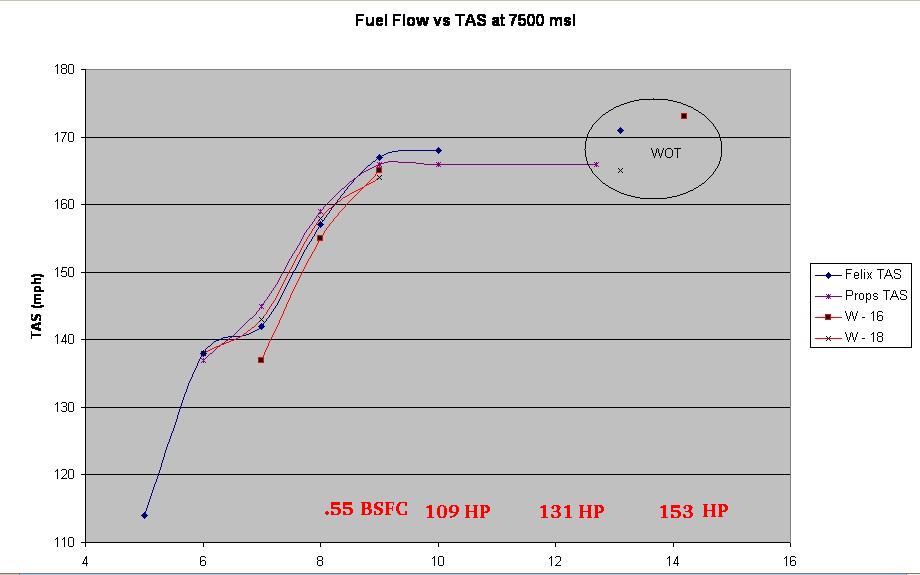
The airplane is running into a brick wall at 165 MPH.
Increasing the power does not help and just burns more
fuel. It does not result in an increase of airspeed.
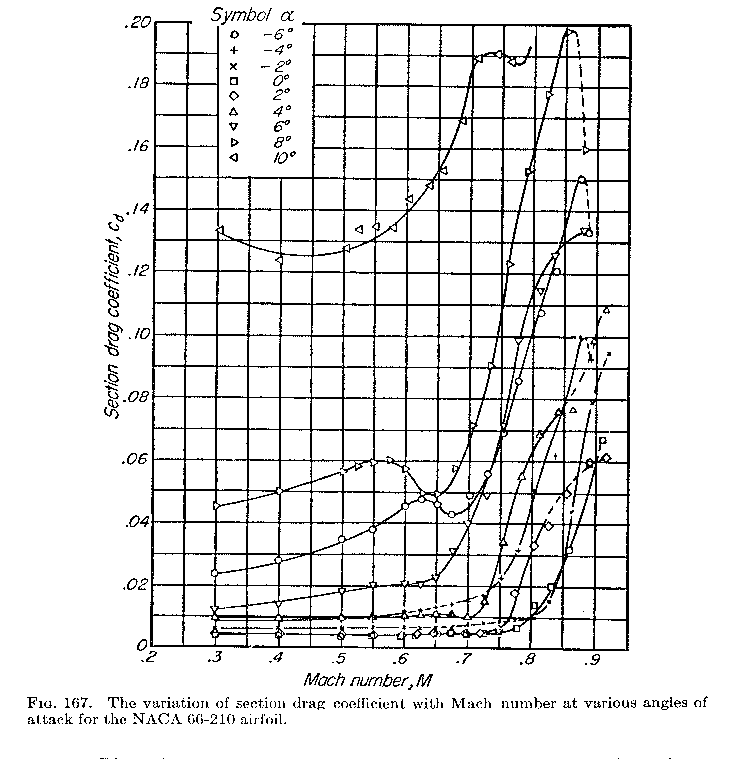
My theory is the prop tips are stalling and running
into the high drag transonic region at the same time.
Quoting Bill:
"I used a Props, Inc. 67 x 68 wood prop, a Felix Bi-Cambered
68 x 72 wood prop, and a Warp Drive three-blade ground adjustable
carbon-fiber prop."
Quoting Jordonoff:
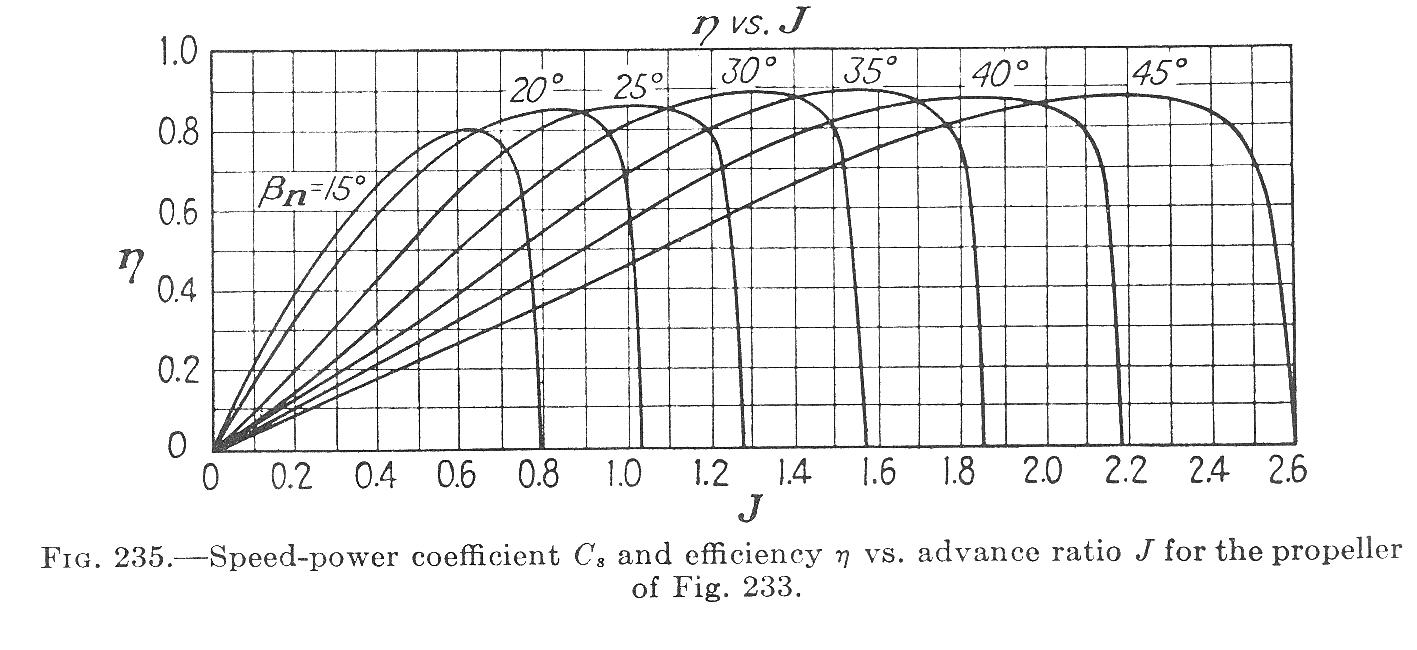
"If the propeller were turning in solid material, as is the case with
a screw in wood, it could act without slipping, and so the distance
traveled in one revolution would be equal to the theoretical travel
of the propeller. Inasmuch as the propeller is turning in the air,
however, there is a certain amount of slip; there fore its actual
travel distance falls short of its theoretical travel distance."
The ratio of how far it would screw into wood to how far it would
screw into air is called the Advance Ratio. IMHO these props are
at the limit of the advance ratio.
The Warp Drive have no twist so the tip drag is higher.
The tip thickness is as follows.
Felix: 0.235" Props, Inc: 0.420" Warp: 0.272"
I am guessing here. The solution might be more blade area with
a shorter prop. The Warp drive blades can be modified by
cutting off the aft part of the blade at an angle and sanding
them in such a way as to reduce the tip angle of attack and hence
the drag. However one would probably have to add another blade.
I'll do a 3D shortly
What is your theory on what is happening?
Paul Lamar ...No rotor no motor.
The Rotary Engine NewsLetter. Powered by Linux.
ACRE NL web site.
http://www.rotaryeng.net
Copyright 1998-2006 All world wide rights reserved.