lots of snips...............
Paul,
With the differential thermal expansion of the center plate,( two
combustion
chambers and cooling water between), it appears that there could be
tension
in any internal ribs passing from one face to the other. Any joining
method
would have to accommodate this.
Colin Smith
Possibly. Short of an FEA we would not know for sure.
Do you have an FEA available?
Paul Lamar ...No rotor no motor.
Does the aluminum piece have to be done in halves?
Can an iron/steel wear surface used which also bridges the openings in
the housing which allow for the machining to be done?
A one piece housing might be fairly crudely cast. Then put it through a
finish milling process to touch things up where precise tolerances are
required. Mill where the iron wear surface fits plus an o-ring groove
to seal it. Might be cheaper overall than taking huge billets of Al and
milling them out. And you might get away without gluing anything together.
Matt-
Matt,
Crude or perfect the patterns need to be done on any casting.
George (down under) did a TON of work on a bellhousing including
several iterations and everyone just kind of passed on it as being
costly with machining. I think his later versions still have a shot at
being a good solution. Took AGES to do even though George did
all the pattern work himself. (and did it well IMHO) The bellhousing
is babysteps compared to the rotary center housing. The billet method
really isn't more expensive, and if the chips bother you recycle.
The fact is that a cut housing would have better alignment and be
easy to finish. You would have to machine any casting to make it
square and flat enough to use. That machining adds to the cost of
any casting. The high pressure castings used to make things at the
factory just cost too much for us amatures. 30-40 thousand is
common. I would be glad to do SolidWorks designs of the housings
and work with someone for price considerations on the final product.
I won't hold by breath waiting for takers though. This is a serious
project, and even more difficult than meets the eye. If it was easy
several interested parties would have sold tons of them already!
Bill Jepson
Okay finally some one hinting at what I have been thinking. What is the
point of this exercise ? It seems to me that this would be a huge
undertaking for anyone who either doesn't have a ton of money, machining
skills, casting know how, metallurgy expertise or all of the above. What is
wrong with what RB is doing ?
If there are hundreds to be sold I'm sure RB would alter their plates to
meet some other spec that would be appropriate for a/c use. They have
certainly done a lot of work to get to where they are now, and although Jim
might disagree I think his pockets are deeper for this sort of development
project than a bunch of homebuilders.
John Gibbons
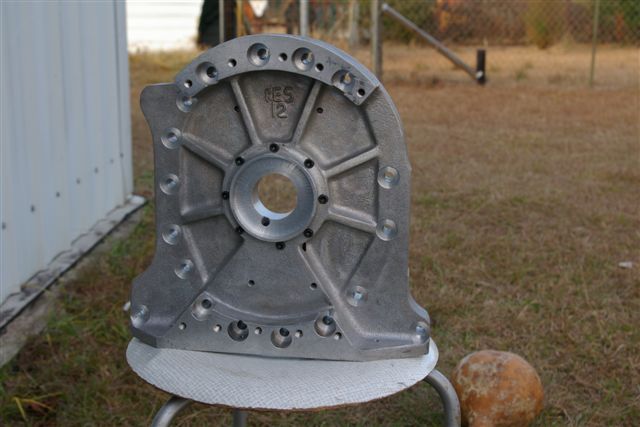
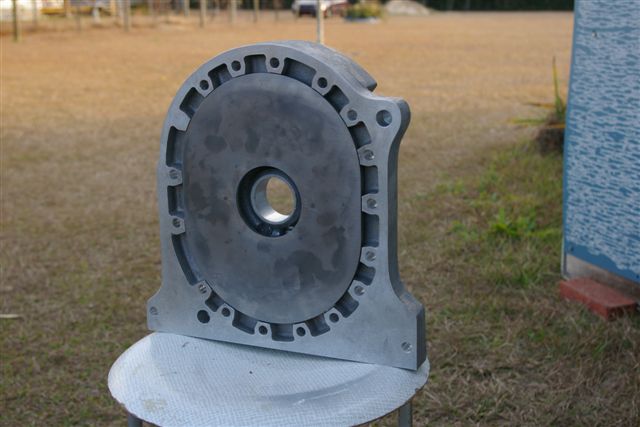
With all due respect John I think you would be wrong.
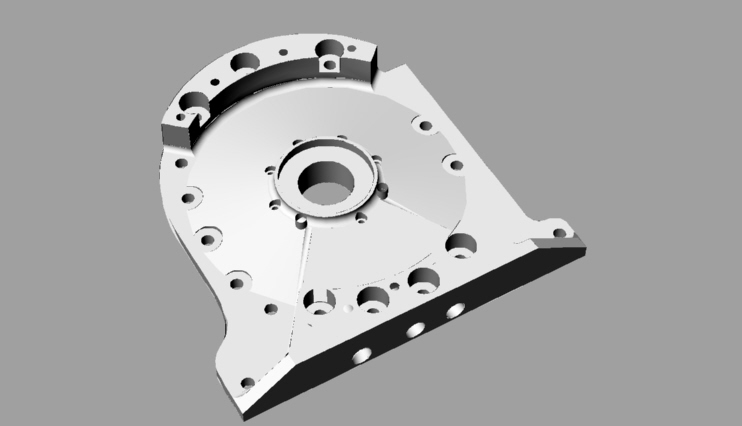
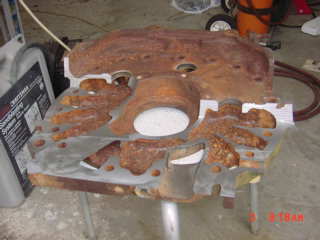
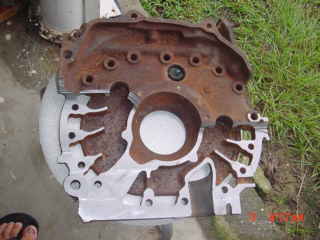
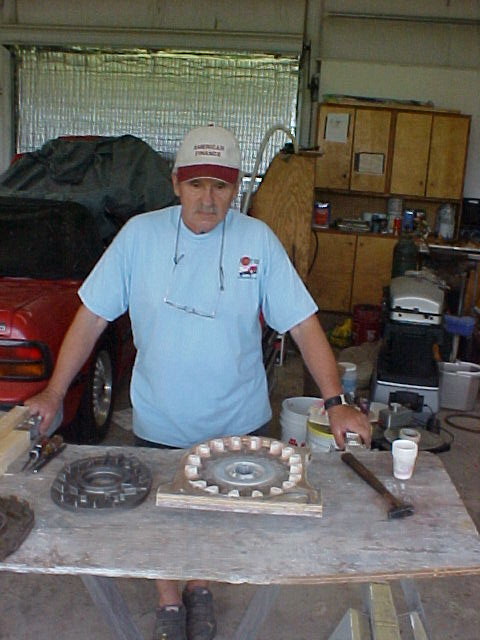
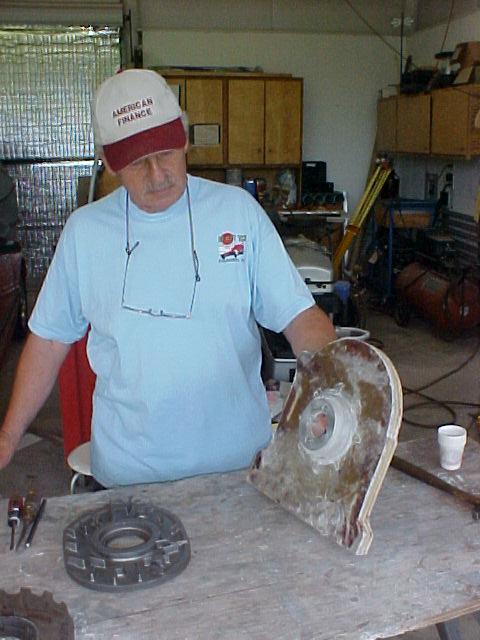
Richard Sohn, working out of the shop in his backyard
has come up with a major breakthrough in terms of
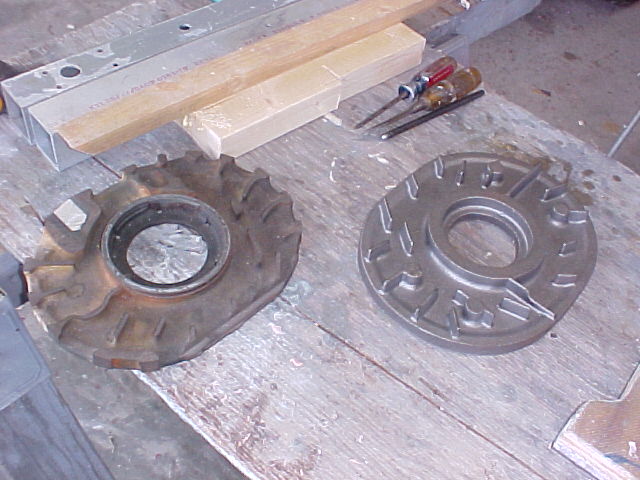
cost and appropriate technology. No exotic detonation gun
coating. No diamond grinding. Simple to re-lap when over
hauling. Just the right thickness of iron for the side
housing with a well proven cast iron wear surface. No more
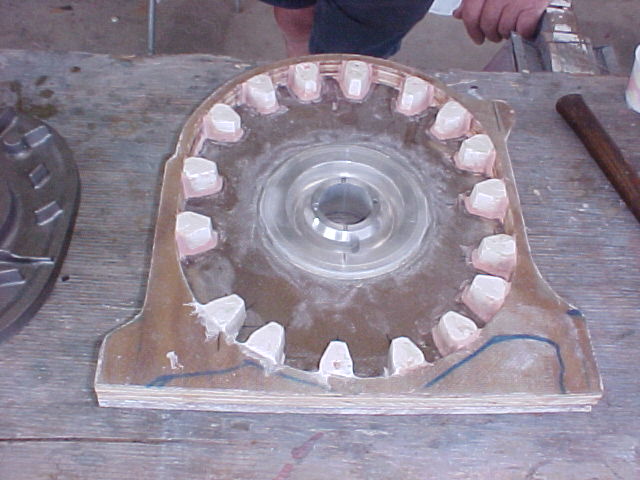
than is needed. If you want to lighten it you take the two
pieces apart and put them in an NC mill. If a thiner cast
iron part proves to work you modify the simple wear surface
pattern. No core boxes. Very simple sand casting patterns.
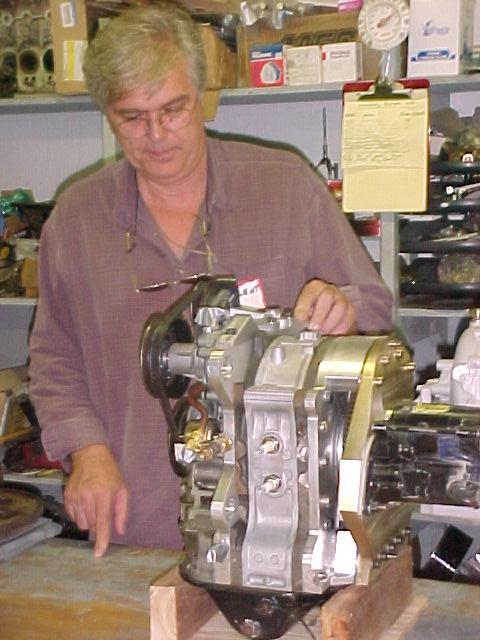
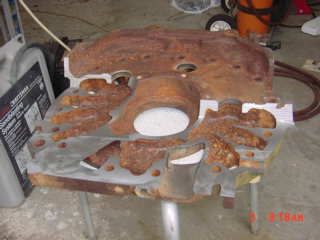
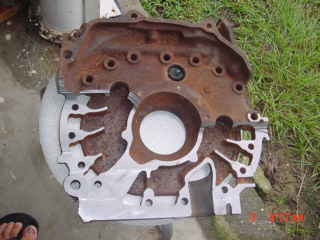
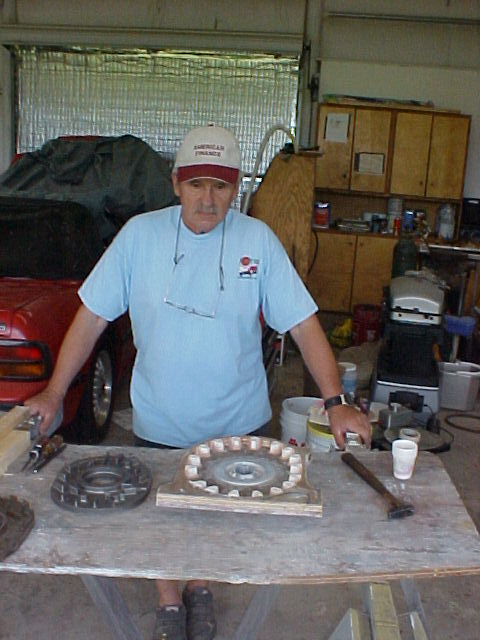
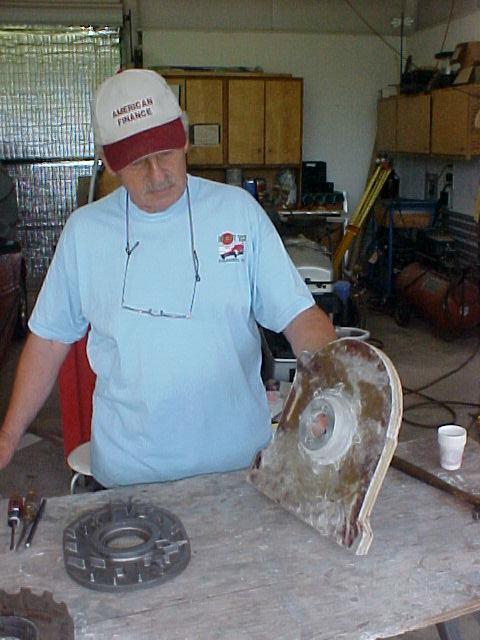
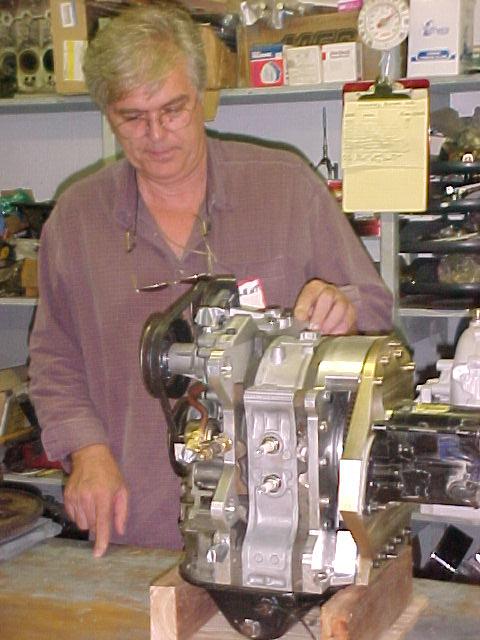
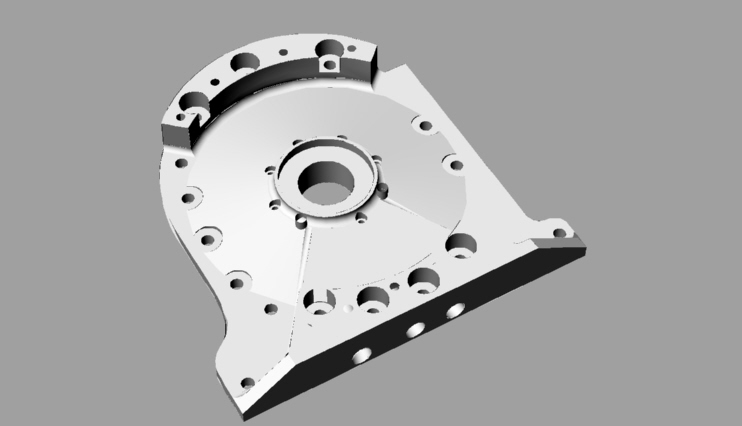
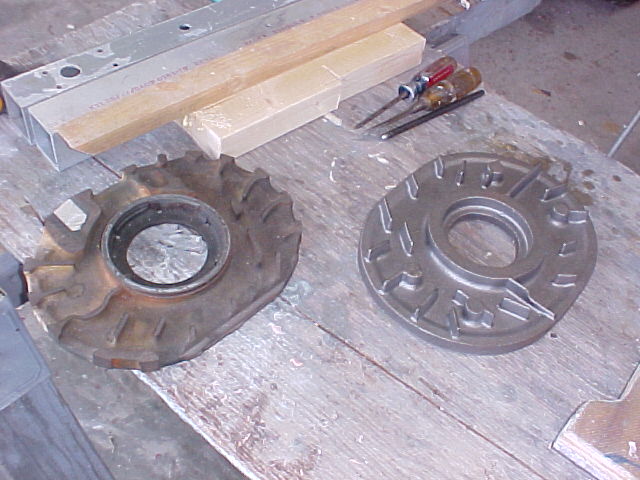
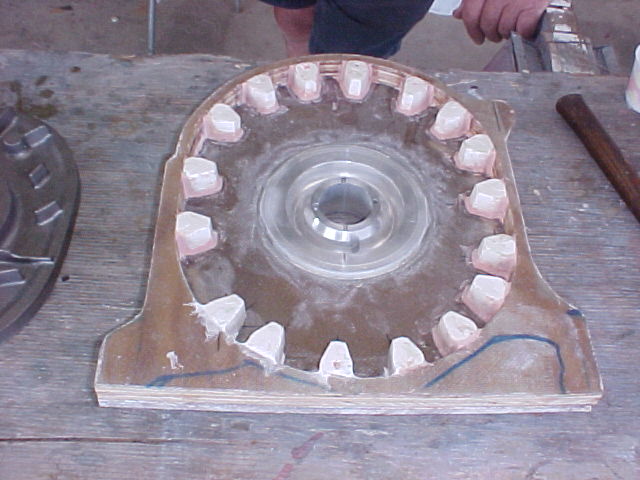
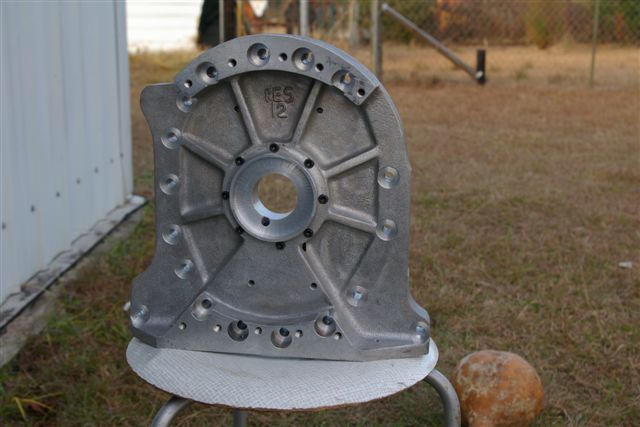
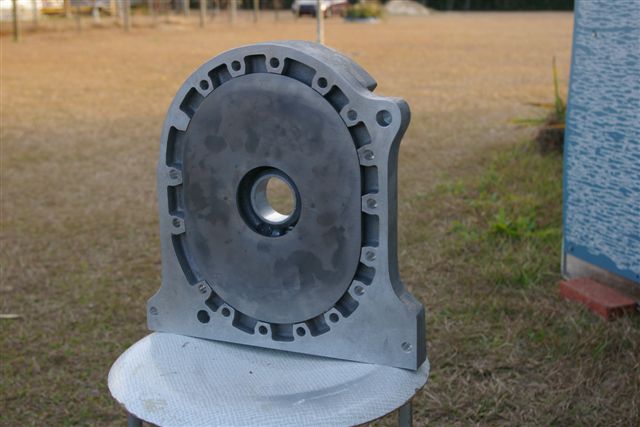
Here are a series of pictures on the development
process over a period of years. Richard was also
working on his house during this period of time.
Paul Lamar ...No rotor no motor.
The Rotary Engine NewsLetter. Powered by Linux.
ACRE NL web site.
http://www.rotaryeng.net
Copyright 1998-2006 All world wide rights reserved.