>>
>> Took this from an old MegaSquirt posting.
>>
>>
>> > > I am totally confused here. My experience with reciprocating
>> aircraft
>> > > engines climbing to altitude is that it gets leaned out, both
>> carb and FI.
>> >
>> > (Yeah, I know. A bunch of you are thinking "here we go
again," but
>> I've done
>> > this often enough that I think I can answer the question
>> satisfactorily in a
>> > single e-mail.)
>> >
>> > Imagine an engine with constant VE, it's 100% across the
tables.
>> We only
>> > run this engine at 70f, so the only variable is manifold
absolute
>> pressure.
>> >
>> > Throttle the engine to 50 kPa at sea level with an ambient
pressure
>> of 100 kPa,
>> > and pulse with is, for example, 5.0 ms. Now fly up to 5000
feet,
>> ambient
>> > pressure drops to 84 kPa and make sure we are still throttled
to 50
>> kPa in
>> > the manifold. What is our pulsewidth now? Correct, it is
_still_
>> 5.0 ms.
>> > Change to any altitude you want, but as long as you have a MAP
of
>> 50 kPa,
>> > the PW is 5.0.
>> >
>> > Well, this is only taking into account the intake side of the
>> engine! In
>> > a real engine, the volumetric efficiency is not dictated
solely by
>> the intake
>> > tract, but also by the exhaust system (headers, cam timing,
exhaust
>> valve
>> > size and all that can change the power output/VE, right?).
>> >
>> > Imagine we are running the engine in a dyno cell ambient 100
kPa,
>> 50 kPa of
>> > MAP, resulting VE = 100% and we get that 5.0 ms PW. Now put a
>> vacuum cleaner
>> > on the end of the exhaust pipe, and pull it down so that the
>> exhaust system
>> > is under a perfect vacuum (extreme case, but gets the point
>> across). The
>> > VE magically goes way up, because we've got a super extractor
>> exhaust now.
>> > Suddenly the engine goes lean, because the VE went up, but we
>> didn't know
>> > it inside MS because we only measure MAP, not the ambient
pressure
>> at the
>> > exhaust outlet!
>> >
>> > This is _exactly_ what happens as you gain altitude. The MAP
>> sensor corrects
>> > the fuel pulse based on MAP, so altitude changes are of no
>> consequence here,
>> > but MS has no way of knowing what is going on in the exhaust
system.
>> >
>> > Here's the bottom line:
>> >
>> > Barometric correction ENRICHS the mixture as you gain altitude
to
>> correct
>> > for the increasing efficiency of the exhaust system.
>>
>> Ken
>>
>> Interesting. Looks like we need another pressure sensor.
>>
>> Paul Lamar ...No rotor no motor.
>
> I agree. Thanks Ken.
>
> Attached is the latest diagram.
>
> Doc Custer
> Retired Software Engineer and sometime Audiologist
why 2 manifold temps? would there really be enough difference to
need 2?
how could fast moving intake air change a significant amount during
the
brief period it passes thru the intake? kevin
Redundancy.
Doc, that will be a very nice setup. Are you talking 4 fuel pumps? Or 2
pumps with redundant PWM? How will the torque sensor work?
Ken
Basically builder's choice on the number and placement of the fuel pumps.
For my plane, I plan on 4, 2 in each tank. See Paul's recent post on a cute
little fuel pump.
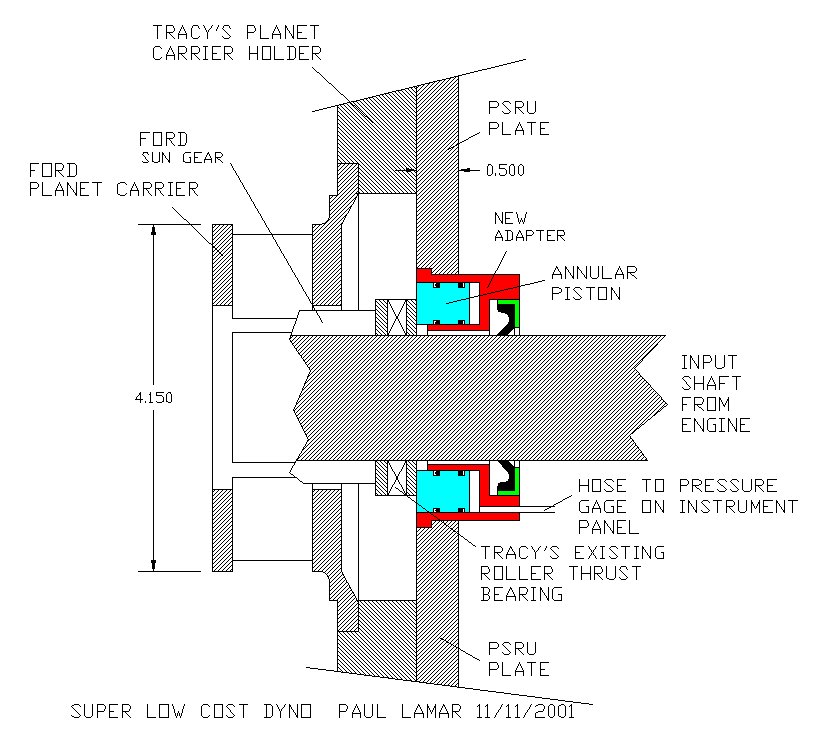
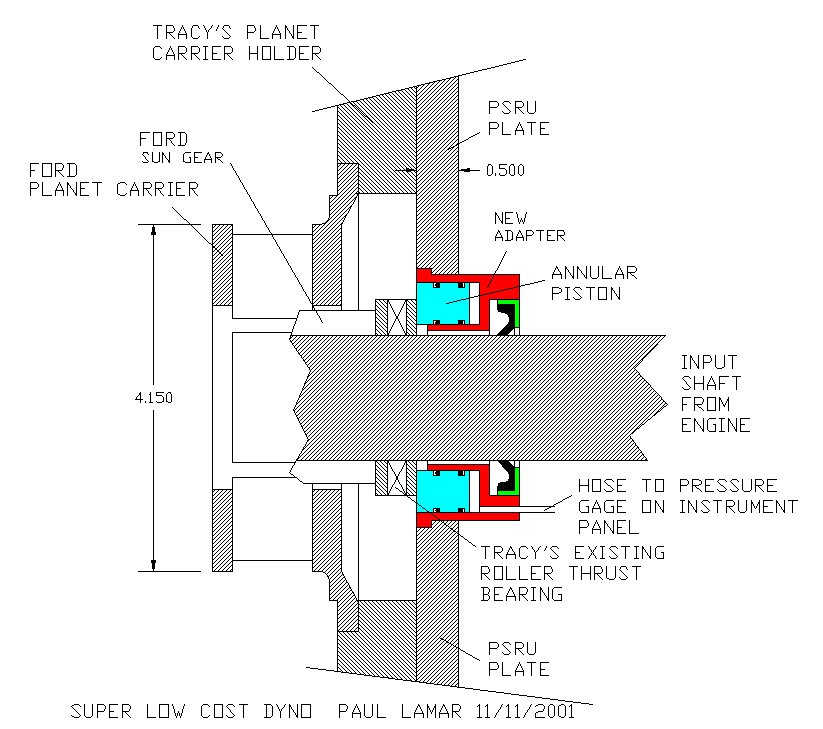
The torque sensor is another of Paul's great ideas. He invented it. He had a
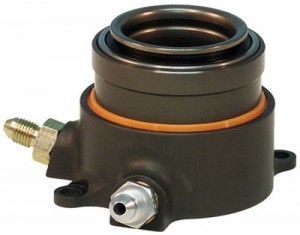
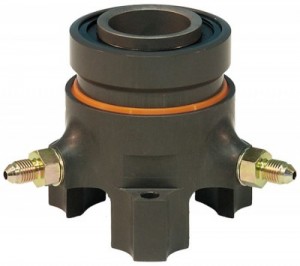
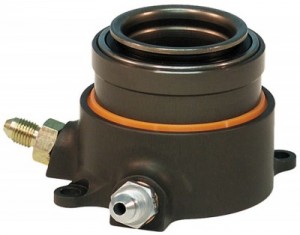
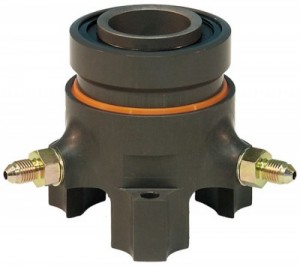
couple of posts on it recently. It is used as a clutch throw out mechanism
on a variety of GM cars and trucks. Works on the principle of gears
generating oil pressure proportional to torque. On one of Paul's posts he
had a 3D showing it installed on Tracy's redrive.
Doc Custer
Retired Software Engineer and sometime Audiologist
----------------------------------------------
Ford cars too :) Not Mazda for some strange reason.
--
Paul Lamar ...No rotor no motor.
The Rotary Engine NewsLetter. Powered by Linux.
ACRE NL web site.
http://www.rotaryeng.net
Copyright 1998-2006 All world wide rights reserved.