....Snip.....
Gordon, Paul et all
Every six months I check back in to see what Catapillar Inc. is
doing with
their mechanical as well as electric turbo compounding schemes. If
you do a
Google search for "Caterpillar turbo compound turbine" you will find
several interesting PDF files there.
The first one you can skim through it. It is titled
"Diesel Engine Waste Heat Recovery Utilizing Electric Turbocompound" ...
This report has some clear pictures and gives an understanding of
what it
takes to perform this task. As much as we may love the concept this PDF
will give a clear indication of the sizes and technology involved to
pull it
off or for us not:) To heavy for flight, even if it is scaled down
to our
rotary. Switched reluctance generators are also very challenging to
develop.
The second PDF I recommend looking at is called "Engine System
Approach to
Exhaust Energy Recovery". There are some little tibits of
information that
are real jewels, hints perhaps for our use. I'll let you read it
first and
then we can discuss it.
In another PDF report I found the statement that Garrett was the only
company that had successfully manufactured a turbo compound system.
Hmmmm???? I don't think so.
Best Regards
Doug Fir
"Engine System Approach to Exhaust Energy Recovery"
Hard to fathom this stuff as it is power point presentations
with little or no text explanation. Probably puts everybody
to sleep that watches it :)
What is the base line engine power and BSFC?
IMHO the TC stuff is marginally cost effective
as they are starting with a cool exhaust diesel.
I wonder if it will actually go into production.
Paul Lamar ...No rotor no motor.
Doug,
That Caterpillar stuff is excellent.
Although the generator is not of use to us, as you said, the layout
is exactly what I had in mind. That stretched shaft for the turbine
and compressor will let us put the traction drive in the middle,
instead of the generator.
This is the most efficient layout, because you don't have a separate
drive for the supercharger. I love the fact that they have pictures
of that turbine shaft. I had been wondering how much beefier it
needed to be in the middle to resist twisting -- and mindful that
you can't have the diameter too big because of the high rotational
speeds and bearing limitations.
Now I see that this is workable. Excellent. All you need to do to
make a turbocompound engine is get a turbocharger, dissasemble it,
machine a new long shaft and put the traction drive in the middle.
Of course you would probably have to make your own traction drive in
order to fit the dimensions of the shaft, but Paul is making one
anyway so his design could be modified.
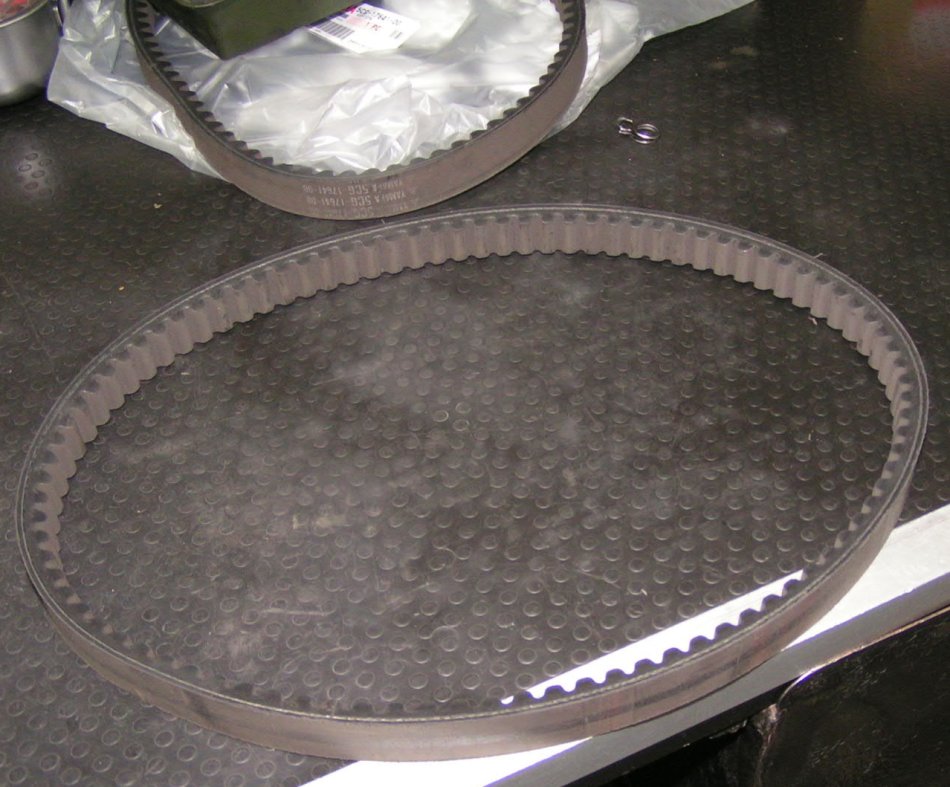
Of course, you would have your CVT belt going from the turbine to
the traction drive to the engine shaft.
Btw, snowmobiles use belt CVTs too and they go upwards of 100 hp, so
if the scooter CVT can't handle the power -- and it's looking like
that will be the case, just go to the snowmobile drive.
Also interesting to see the pressure ratios on the Cat turbine and
compressor. Notice the compressor pressure ratio of 3 : 1. Like I
have been saying, in order to recover power you need a high pressure
ratio on the intake side.
Also interesting that the turbine is 3.7 : 1, or about 25 percent
higher than the intake side. This is something to keep in mind when
matching compressor and turbine.
Regards,
Gordon.
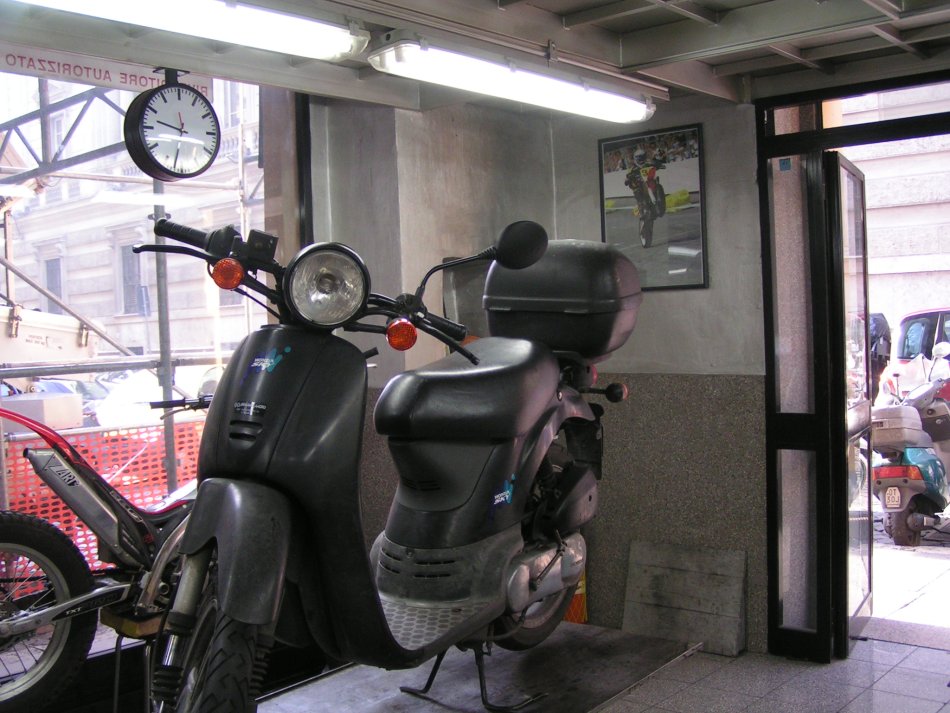
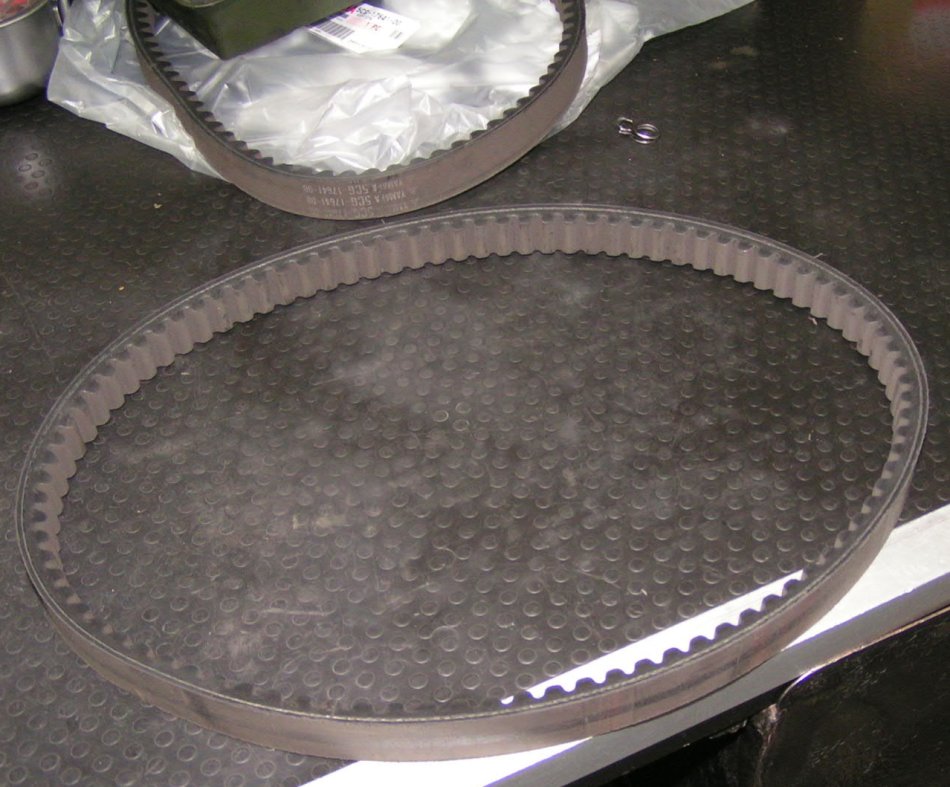
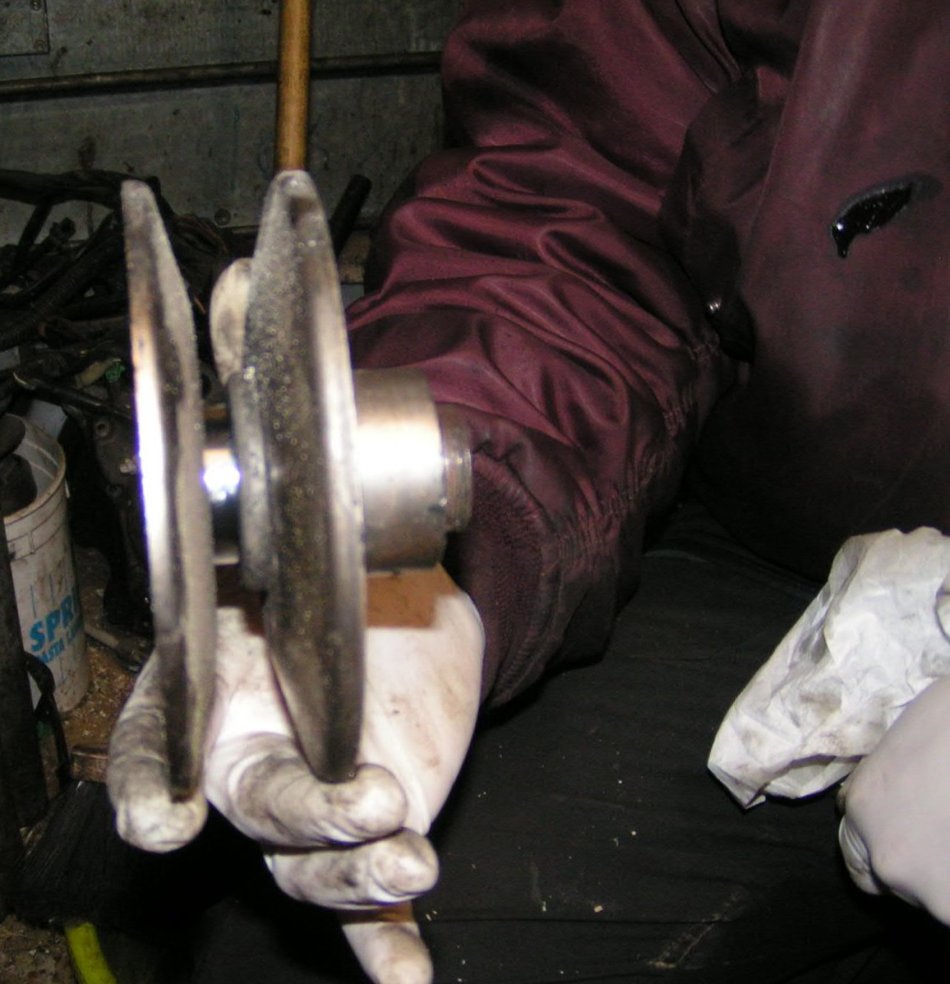
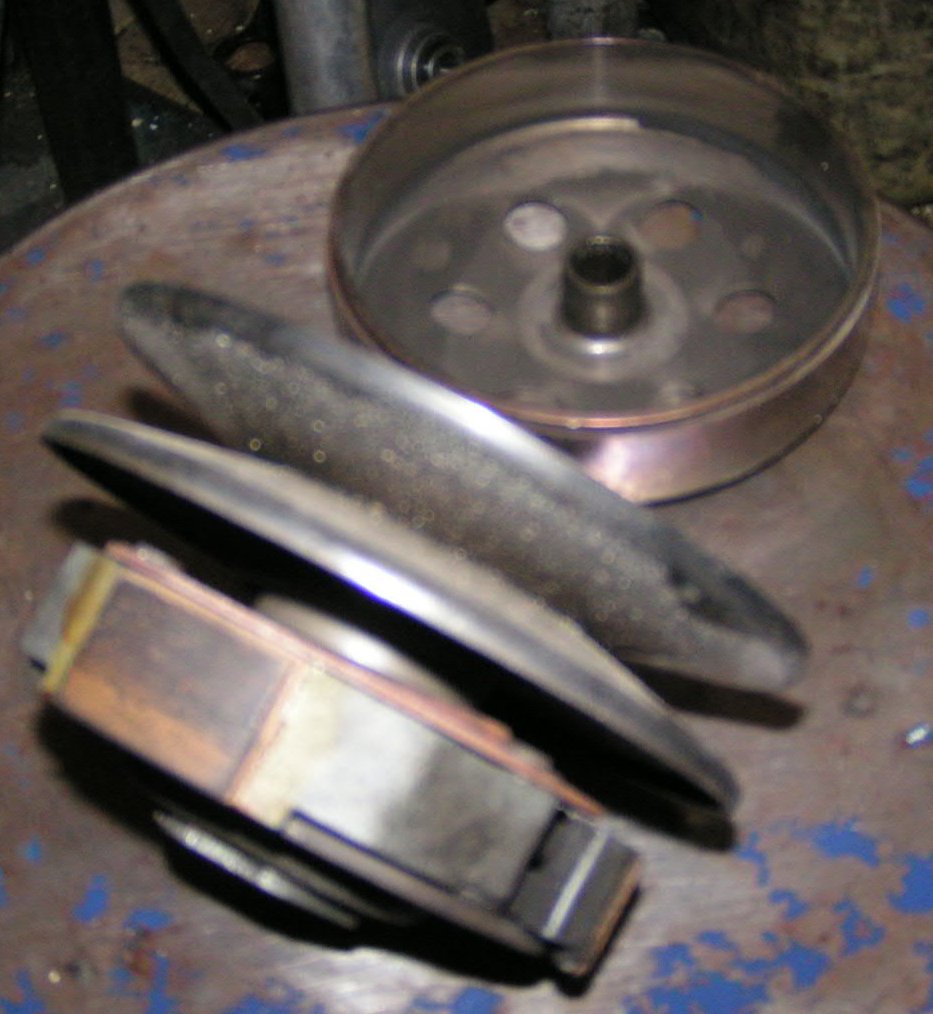
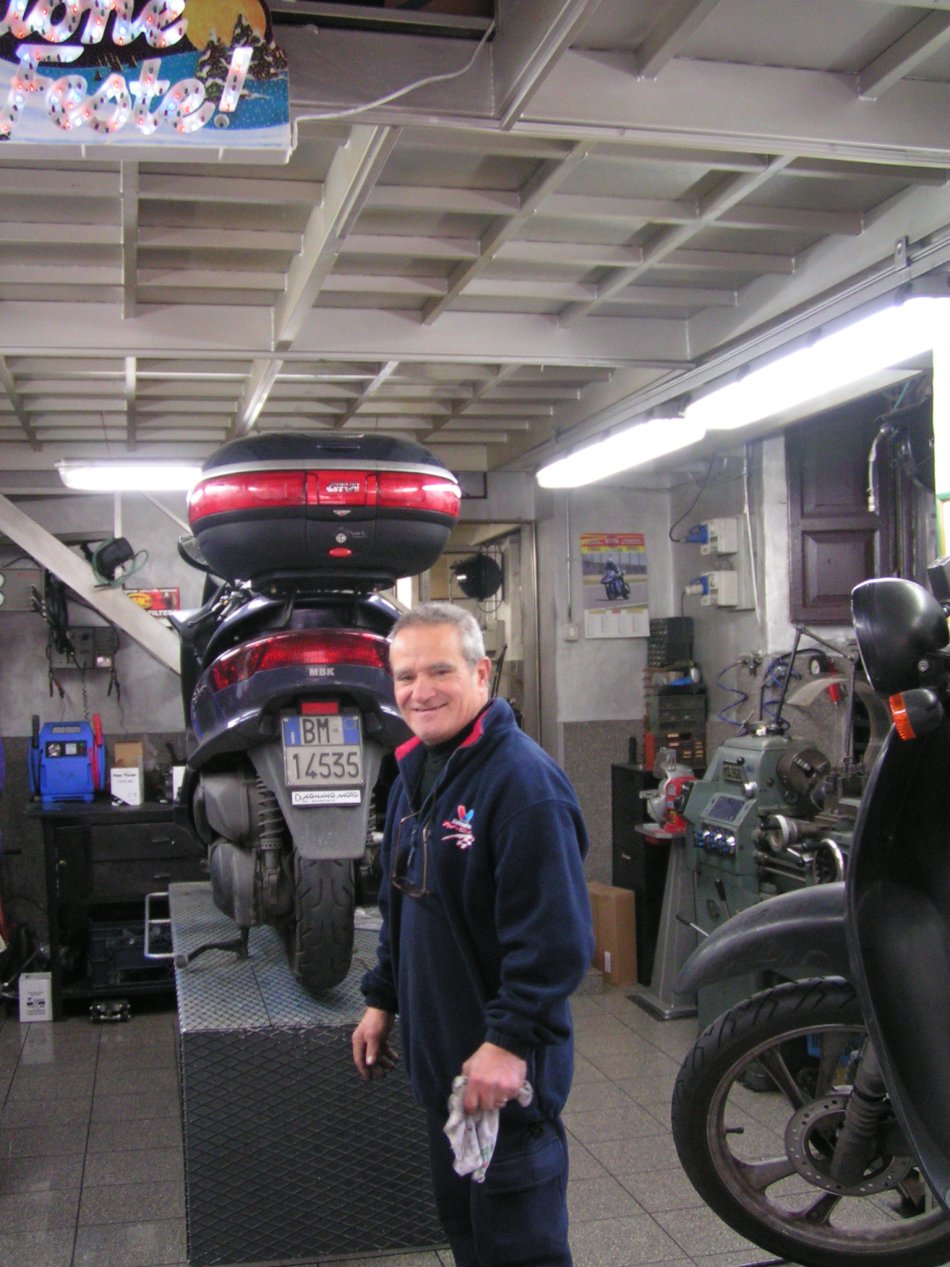
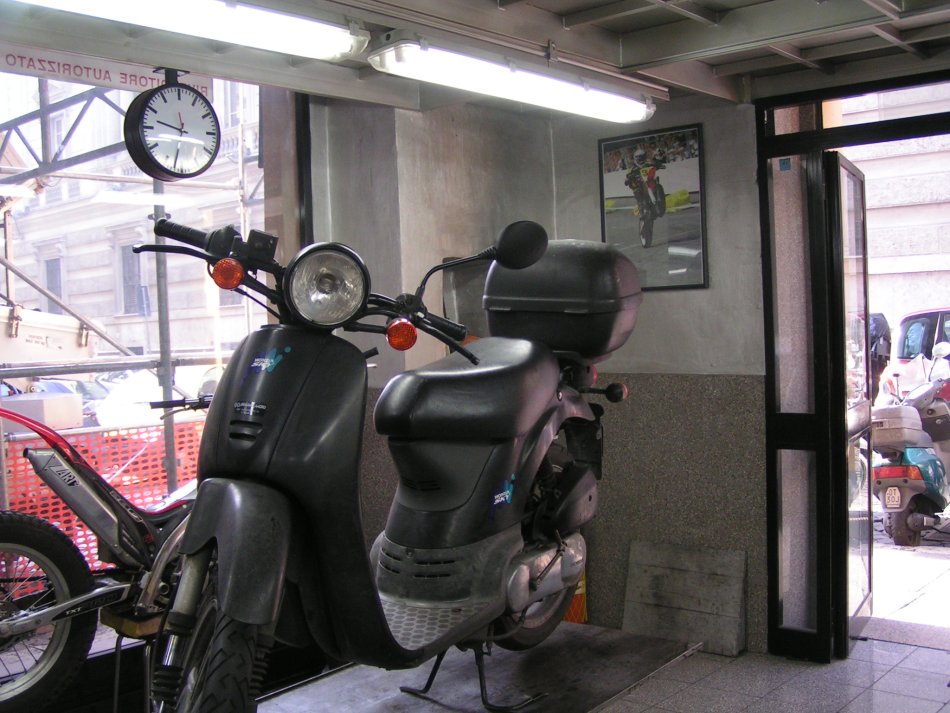
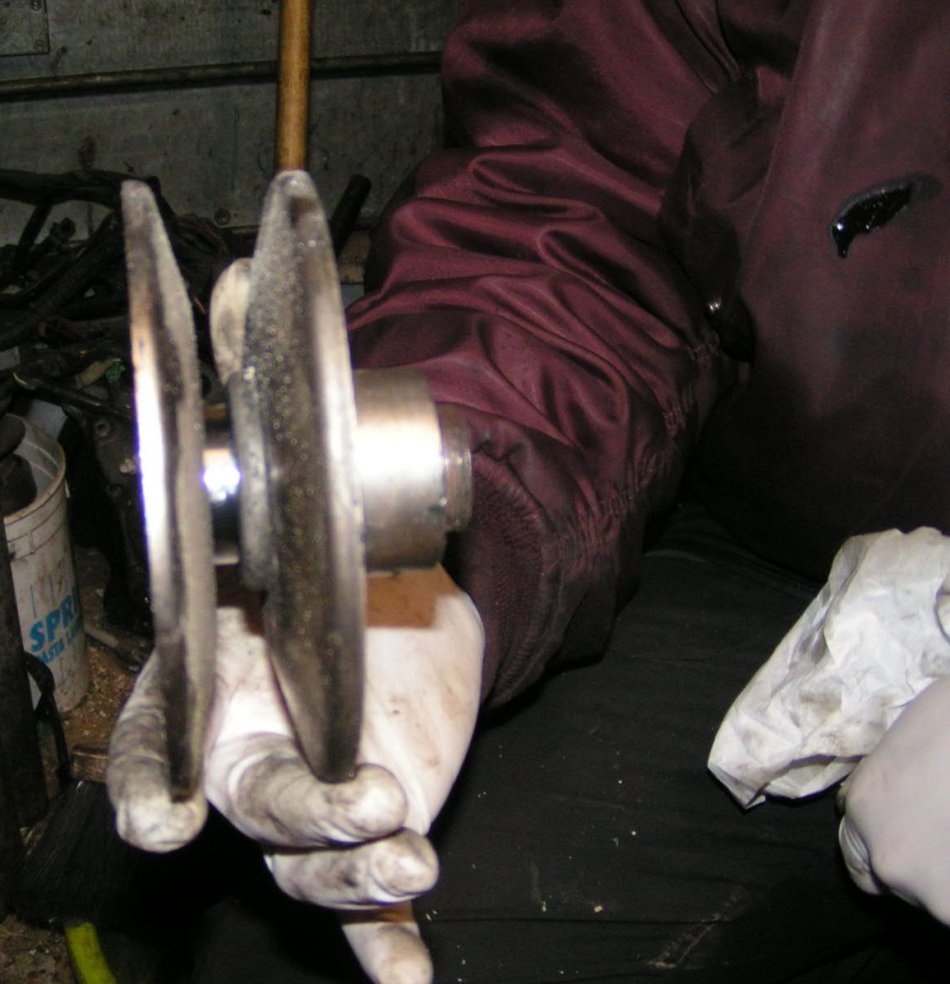
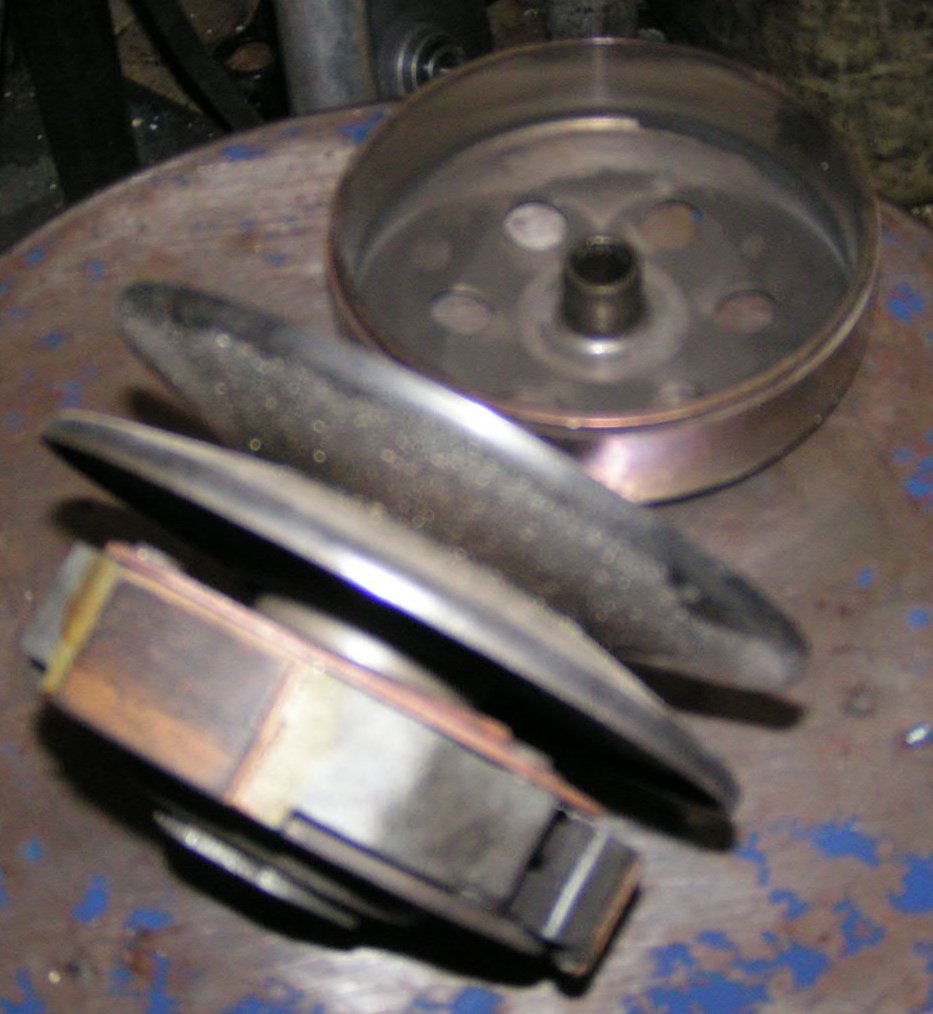
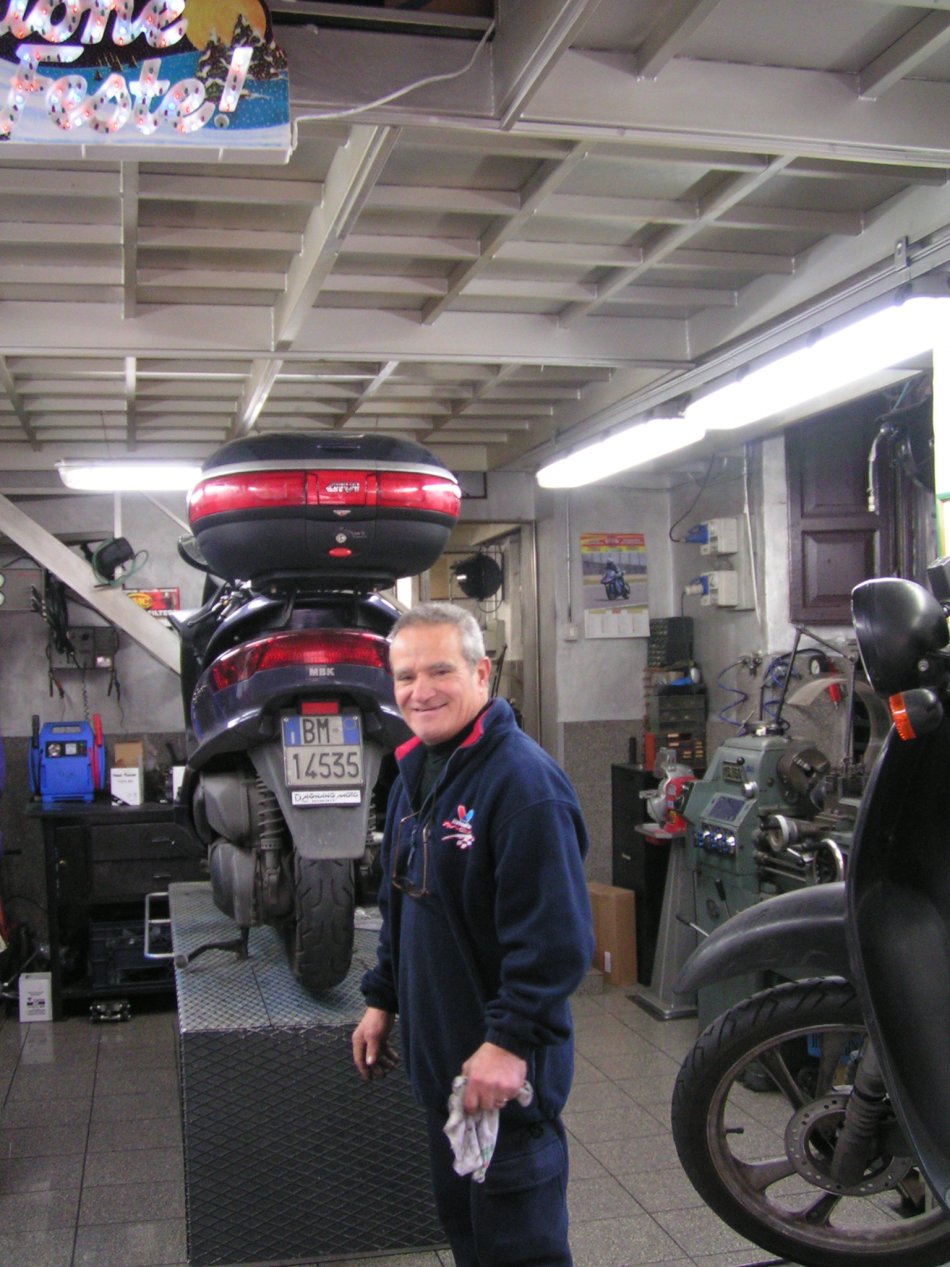
I did some R&D on scooter drives when I was over in Rome Italy a year
ago.
Proprietor
Paul Lamar ...No rotor no motor.
The Rotary Engine NewsLetter. Powered by Linux.
ACRE NL web site.
http://www.rotaryeng.net
Copyright 1998-2006 All world wide rights reserved.