It seems from this info that the exh gas heating of
the cool side of the housings is a necessary thing. Is
there any easy way to retain this feature with the use
of P-ports?
regards, Robert
That is an interesting question as there are two kinds of
center housings. The turbo center housings are a different
casting and they appear not to pass the exhaust heated
gases into the rotor housings. So far I have a cutaway
turbo center housing but not one for a six port center
housing. Things are still a bit of a mystery on this
subject. Many p-port engines have been built over
the years. I have no info on drawbacks if any of using
a six port center housing for a p-port engine.
People mix and match all sorts of combinations of housings all
the time and you never hear of problems specifically
related to the presences or lack of exhaust heat in
the rotor housings. Perhaps Mazda felt it was more
important than it proved to be in practice.
Merely using an after market exhaust header on a rotary
engine will disable part of the exhaust gas heating system.
I'll forward this to Jim Mederer and perhaps he will
shed some light. Jim has built many many P-port engines
over the last 35 years.
---------------------------------------------
ops I lied I do have a picture of a cutaway 6 port center
housing. Here it is.
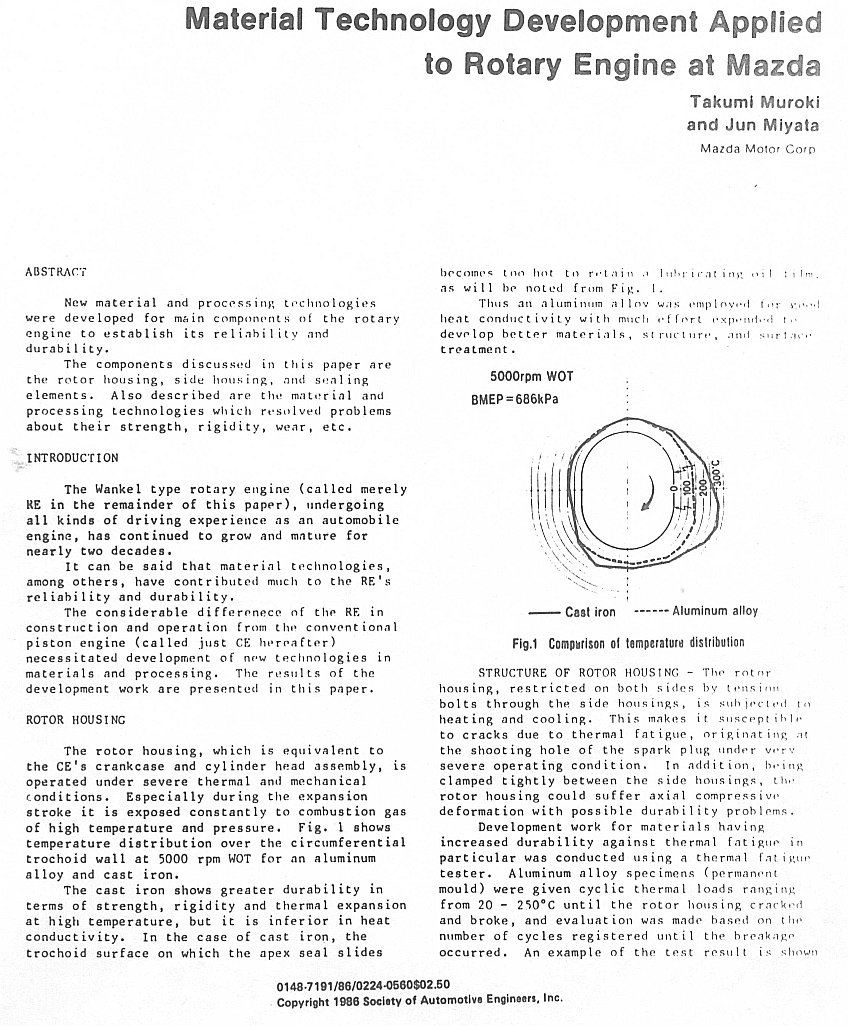
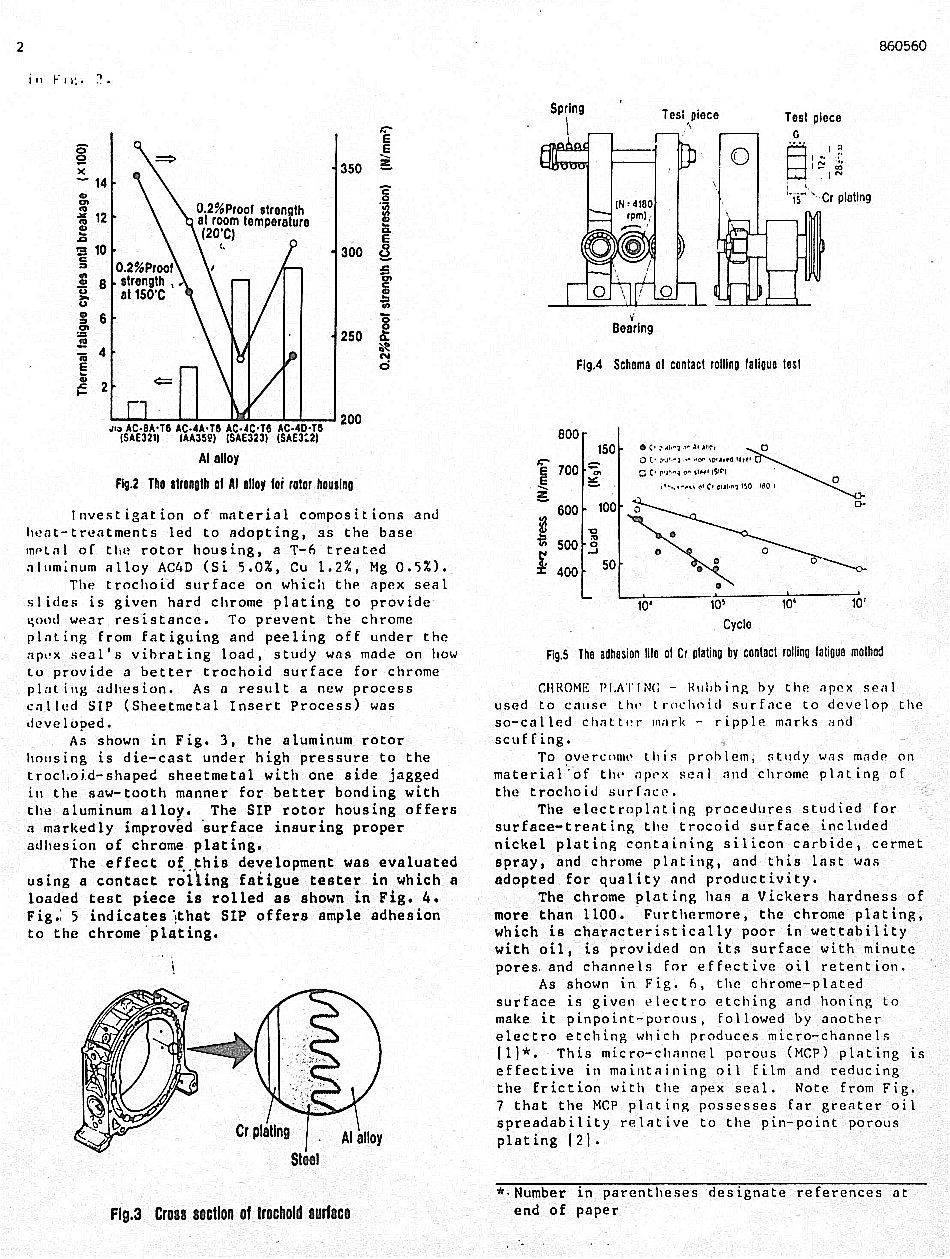
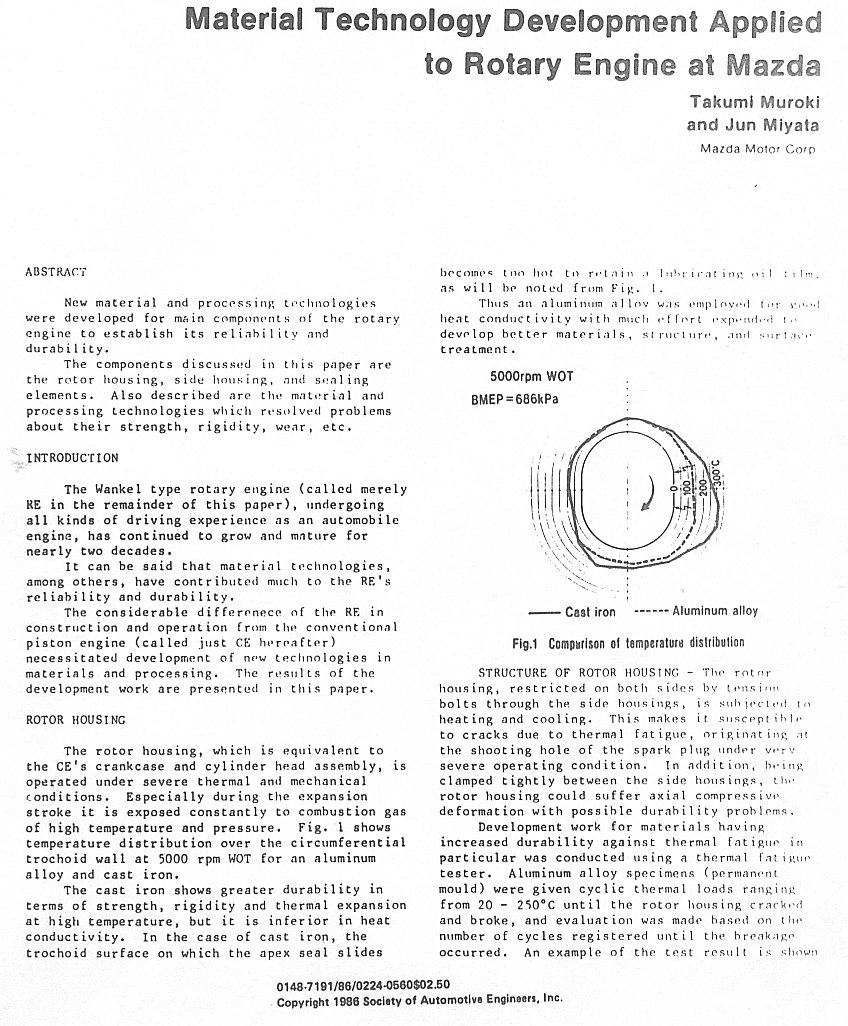
I suspect what happened is around about 1988 or 1989 Mazda
changed the alloy of the rotor housings to a low thermal
expansion high silicon content aluminum. Just about the same
time they introduced the first turbo rotary. It used to be common
to see shrunk rotor housing from engines that had been over heated.
I don't hear about that lately. If that was the case exhaust heat on
the cool side of the engine would be less important.
I don't think the RX8 engine has exhaust heating on the cool
side. I could be wrong. I'll need to see some cutaway RX8 end
housings.
Paul Lamar ...No rotor no motor.
Paul,
In the last 20B engine I rebuilt (the one you so kindly gave me pics of
yesterday), I cut away all the exhaust gas circulating passages from the
intake manifold. Then, I sandwiched a piece of thin stainless between
two intake gaskets when I mounted the intake manifold back on. This
blocked off all those nasty passages into the intake manifold.
I was planning to do something like that again, but based on what your
saying, it sounds like this could be bad. What problems would you
anticipate from doing this? How do you recommend that we get around
those problems? This is kinda what I've been thinking about for my
next intake manifold. Its a modification to the existing LIM:
Don
Well apparently nobody has had any problems blocking the
heat passages. If Jim Mederer is not worried about it neither
am I. You will not find anybody that speaks English with more
rotary engine experience.
If you are not happy with this you could install more thermo
couples, like Mark S did, on both sides of the rotor housings.
Then we could perhaps calculate the growth of the rotary housings
with temperature. You would then probably know more about
it than anyone else that speaks English :)
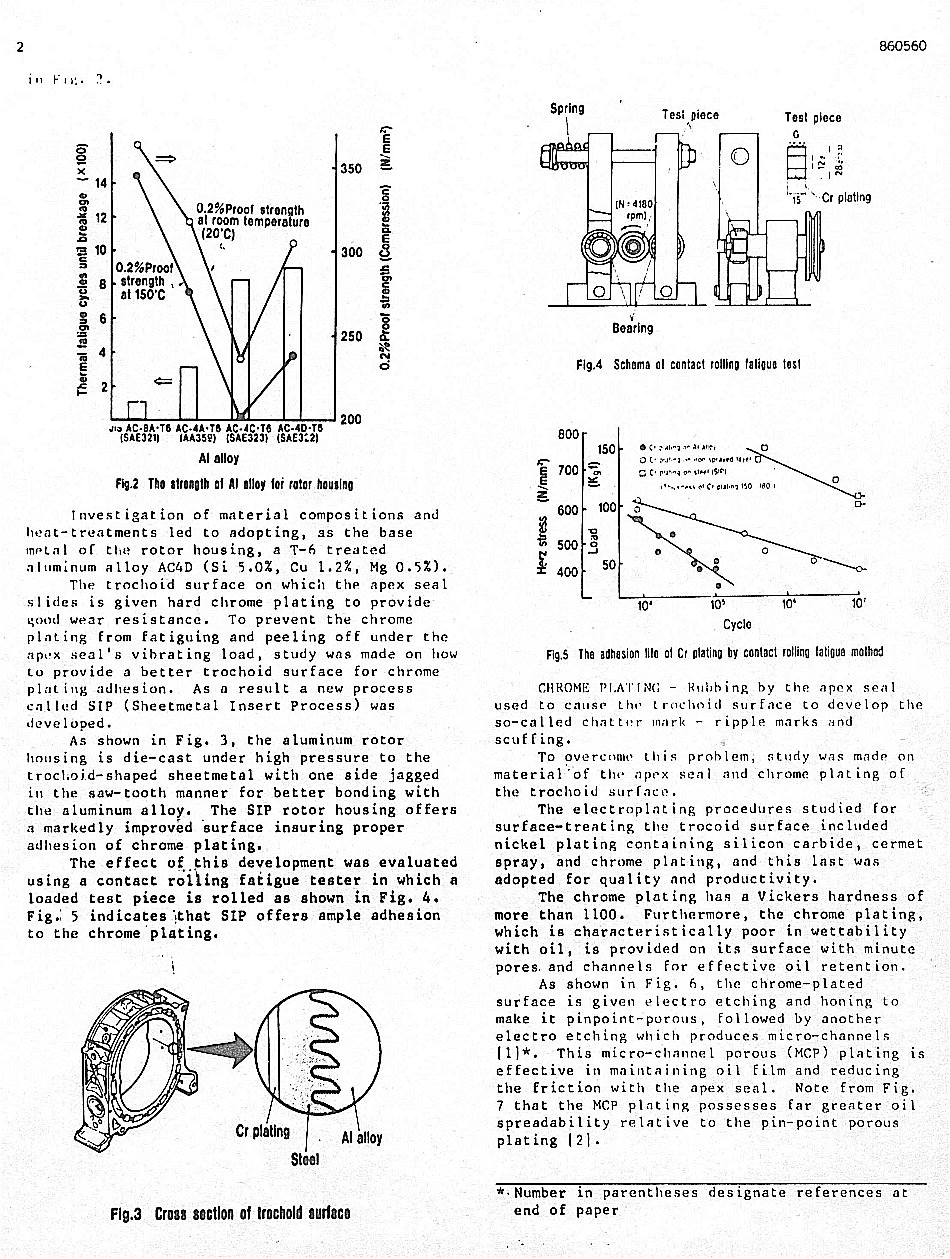
BTW I think this is the alloy Mazda now uses for rotor housing.
Apparently SAE 323 is the same as 356.
Silicon content is 6.5 to 7.5% which as I understand
it is low expansion. Mazda calls it gama silman what ever that
is. Can anybody fill us in on AC-4D-T6. That could be a Japanese
alloy spec.
--------------------------------------------------
Here is some more info on the subject.
Paul Lamar ...No rotor no motor.
The Rotary Engine NewsLetter. Powered by Linux.
ACRE NL web site.
http://www.rotaryeng.net
Copyright 1998-2006 All world wide rights reserved.