Paul
I liked the intake that was on here a few weeks ago.
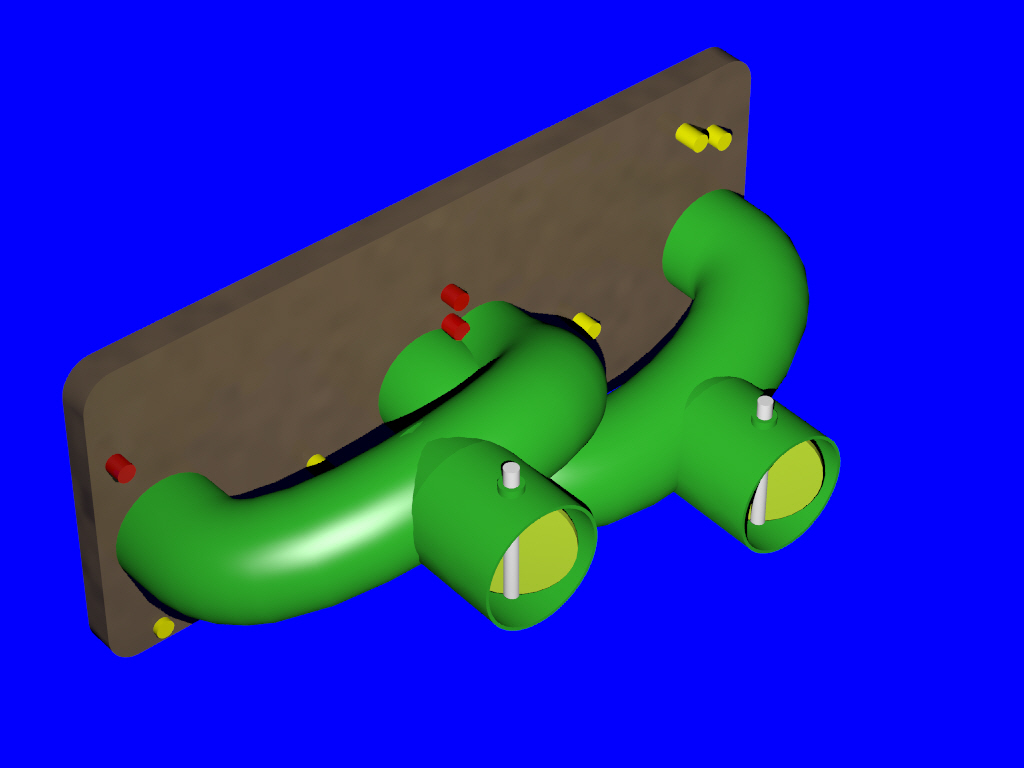
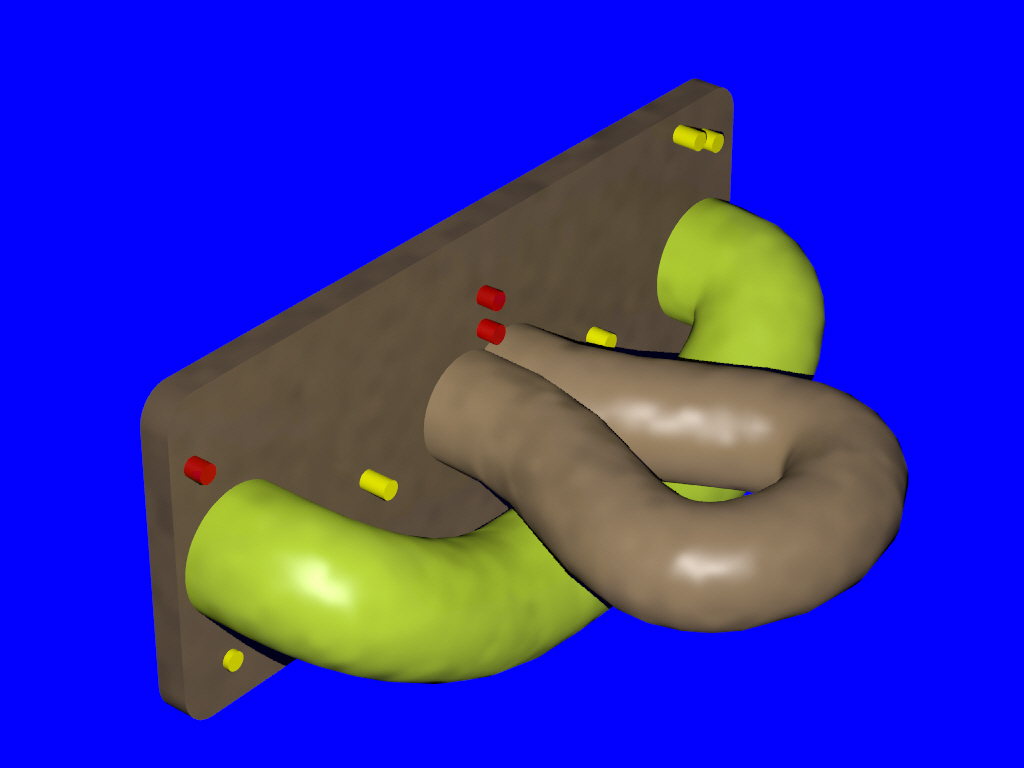
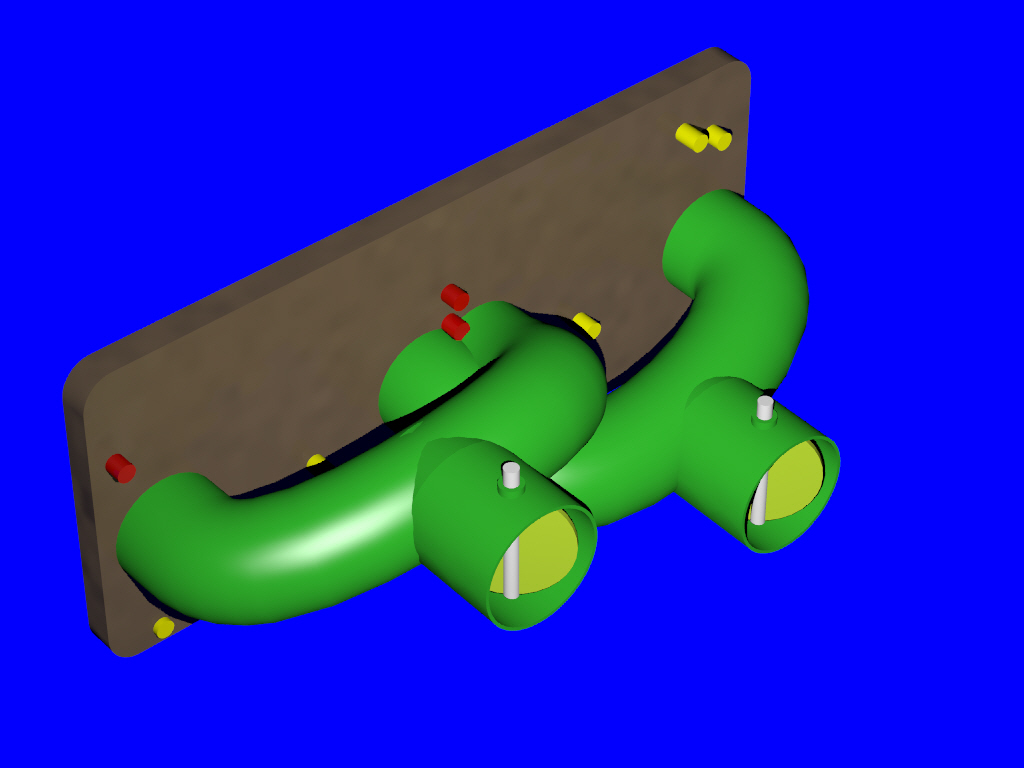
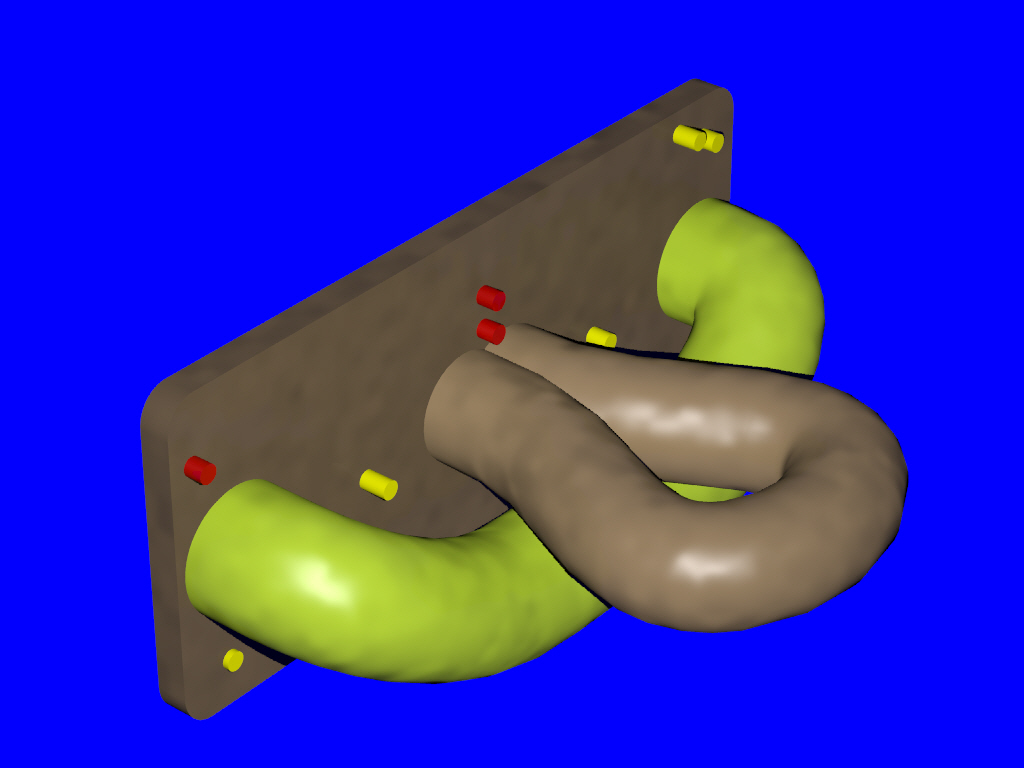
I was messing with some foam and here is what I came up with.
It isn't to scale but it might be close.
I want to use a 65mm TB.
The tube on the side would represent alternate air.
The intake manifold is Racing beat (polished)
Now can we tune this by extending the front area forward?
Tony
It will run but it is tuned for 10,000 RPM.
You need longer runners for 6500 to 7500 RPM.
You will also burn more fuel at cruise.
You cannot tune it by extending the front area forward.
Paul Lamar ...No rotor no motor.
To add... I think the organ pipe tuning effects are most apparent in
the section of pipe extending from the intake port to the first main
discontinuity in the runner. Any significant change in runner cross
section or shape causes what is essentially an impedance mismatch, which
causes a reflection. That reflection causes a momentary pulse of
pressure to travel back down the runner towards the port. If the timing
of that reflection coincides with the timing of the port drawing air in
for the next rotor face, the net volumetric efficiency is increased
(maybe significantly)..
Organ pipe effects in sections of the runner further from the intake
port (after the first discontinuity) are much attenuated because that
first discontinuity absorbs much of the energy of port intake event.
The design pictured above has very short runners from the port to the
first discontinuity - where the runner meets the foam plenum.
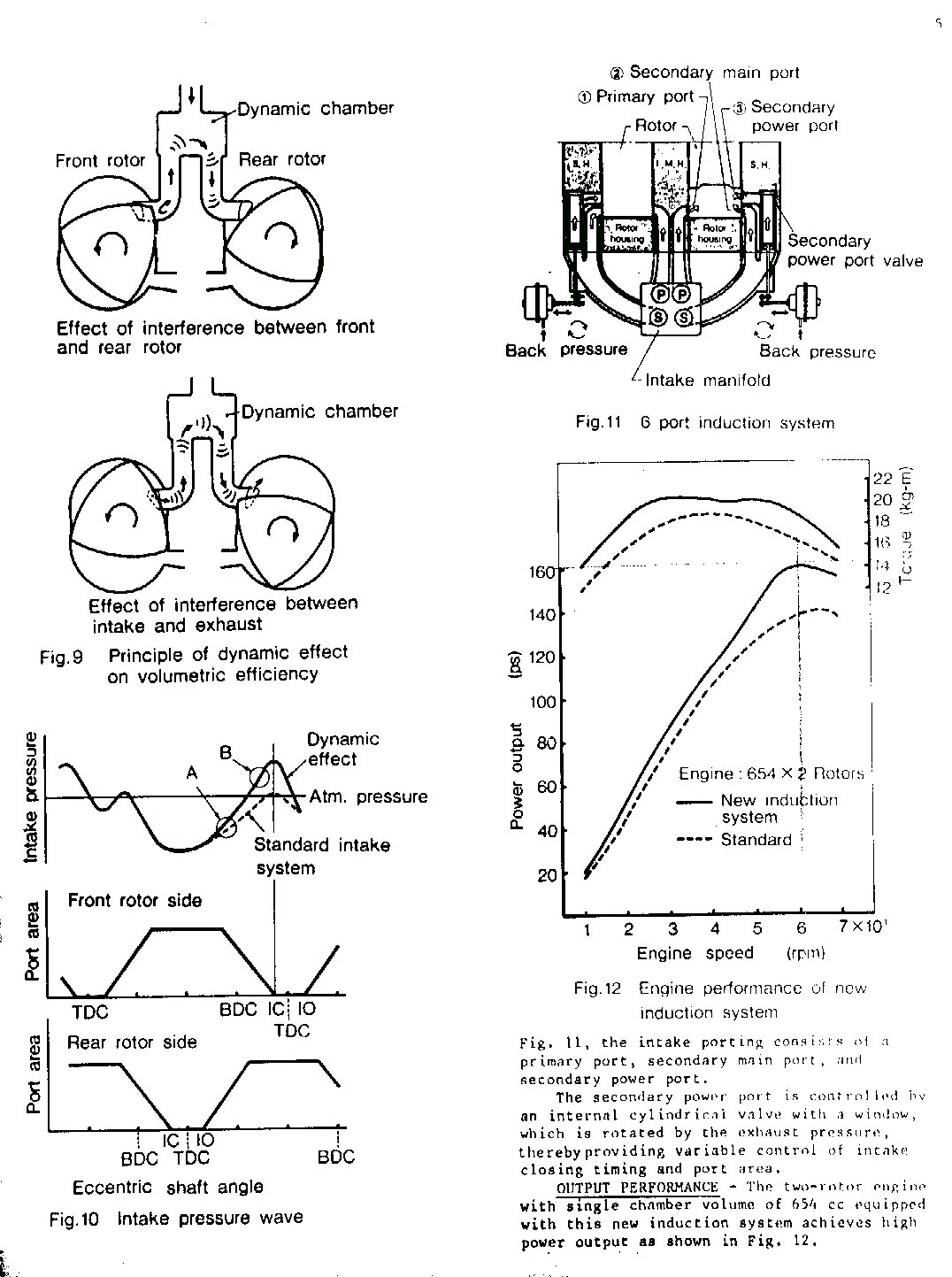
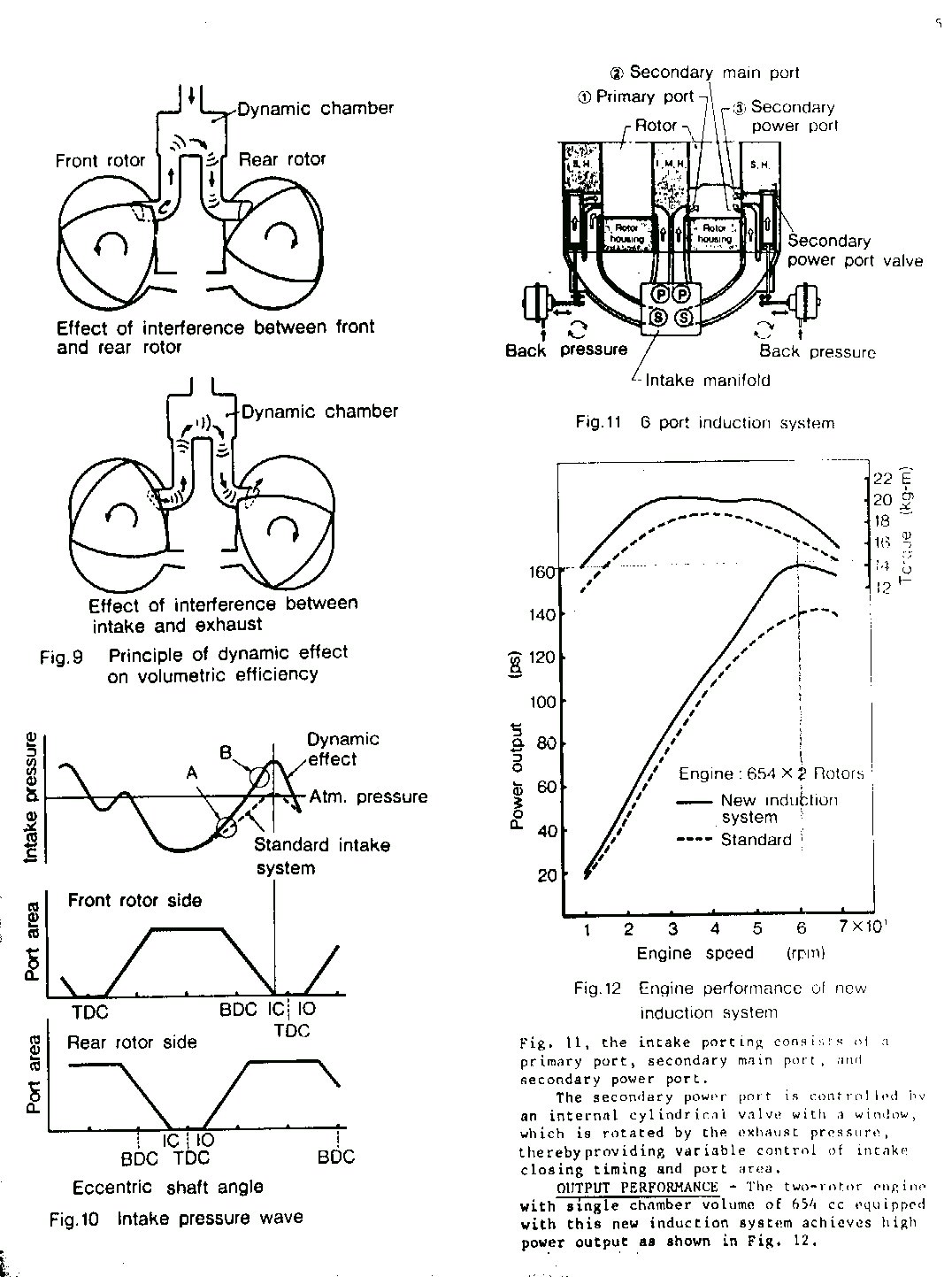
What is the relative timing between intake events on the two rotors?
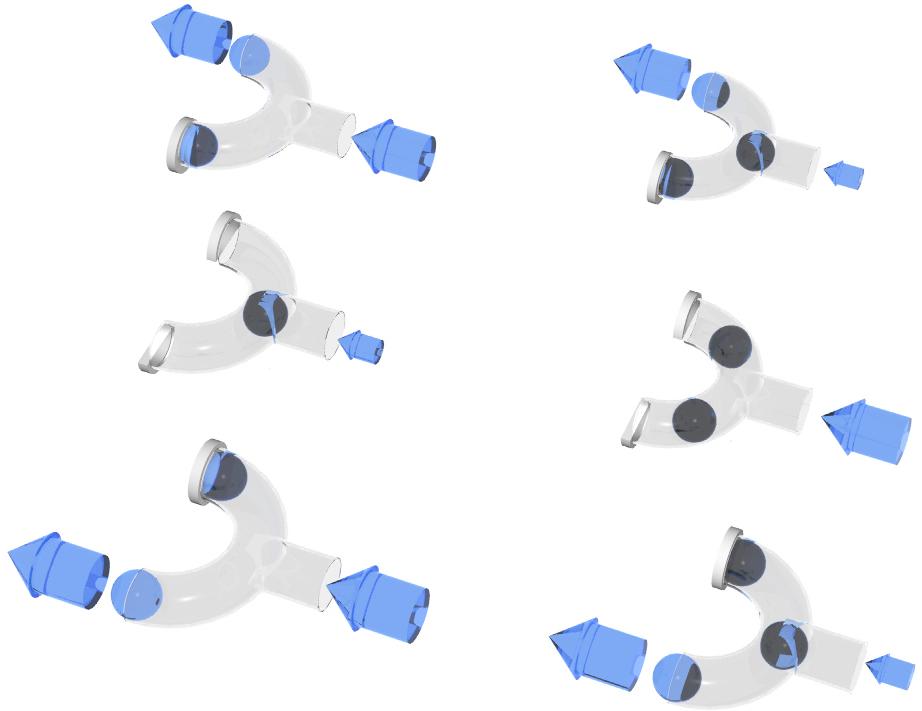
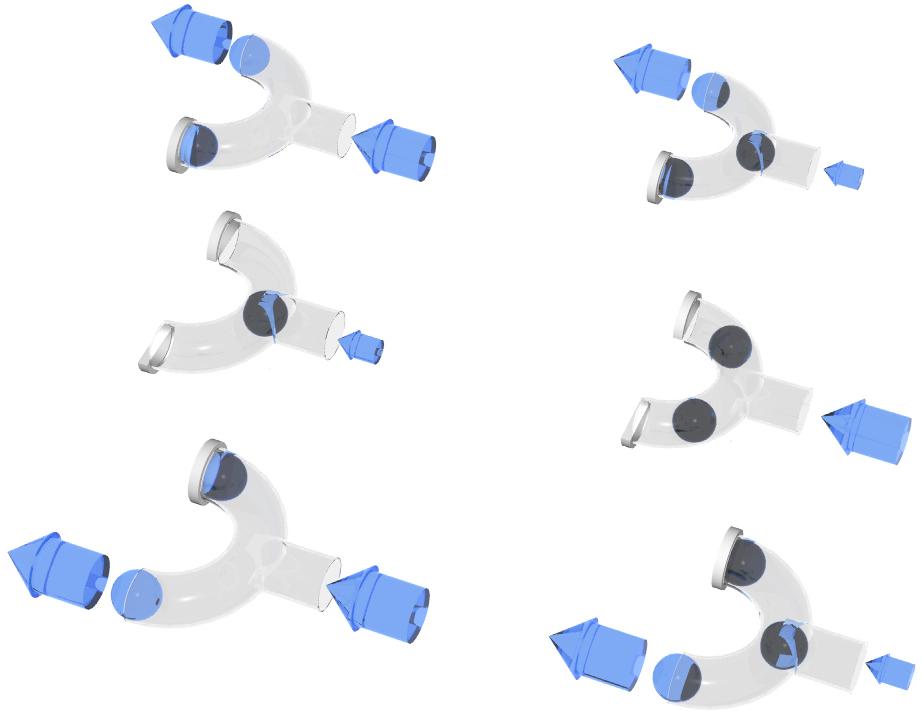
Could an extremely short set of runners be fabricated between the front
and rear rotors that would cause beneficial interaction between the two
sets of runners?
Regards,
Matt-
Very well put Matt. Thanks
We discussed your idea years ago and I think it might work.
Here are some 3D's on the subject.
--
Paul Lamar ...No rotor no motor.
The Rotary Engine NewsLetter. Powered by Linux.
ACRE NL web site.
http://www.rotaryeng.net
Copyright 1998-2006 All world wide rights reserved.