> That probably helps a little. As I said the lack of over lap has
more to
> do with idle than anything else. Actually on balance I would say
> the side exhaust ports probably add a wee bit of back pressure.
> --
> Paul Lamar ...No rotor no motor.
Gordon ,
I'm not going against anything Paul has said, however if I could add
a
little in saying, I asked the same sort of questions of mechanical
engineers
and their answer was that that most engines tolerate some overlap
(can't
remember the degrees exactly). So the overlap of the RX7 is in line
with
this tolerance. I can't imagine the P-port being any worse in the
RX8,
although I haven't sat down and tried to work it out in degrees. We
are
speaking here primarily about idle as the higher RPM eliminates
contamination, as the exhaust is self evacuating at the higher
exhaust
speed/RPM. In fact it's more likely to suck in some inlet charge at
higher
RPM.
George (down under)
George,
Yes, I believe an overlap between exhaust close and intake open can
indeed promote cylinder filling.
In fact I have heard racing types say that the suction effect of the
exhaust can be several times more powerful than the relatively weak
suction effect of the piston moving down the cylinder.
The key appears to be tuning the length of the exhaust pipes to take
advantage of the negative pressure wave, which is reflected back up
the pipe (toward the cylinder) at the point where there is a
discontinuity in the pipe, such as at the exhaust collector.
This negative pressure wave can be so strong in racing engines with
lots of valvle overalp and tuned headers, that it is said to
actually produces something of a supercharging effect by
accelerating the incoming charge.
I would imagine that the rotary could be tuned in the same manner,
but I don't think this is needed in an aircraft engine. And
obviously the idle quality would suffer.
It's interesting that the Renesis has zero overlap and yet makes
very good power. Anyway, I think it's pure speculation how a
p-ported Renesis engine is going to perform. But I think it would
certainly be a worthwhile project to experiment with.
Regards,
Gordon.
Gordon,
I must say I agree!
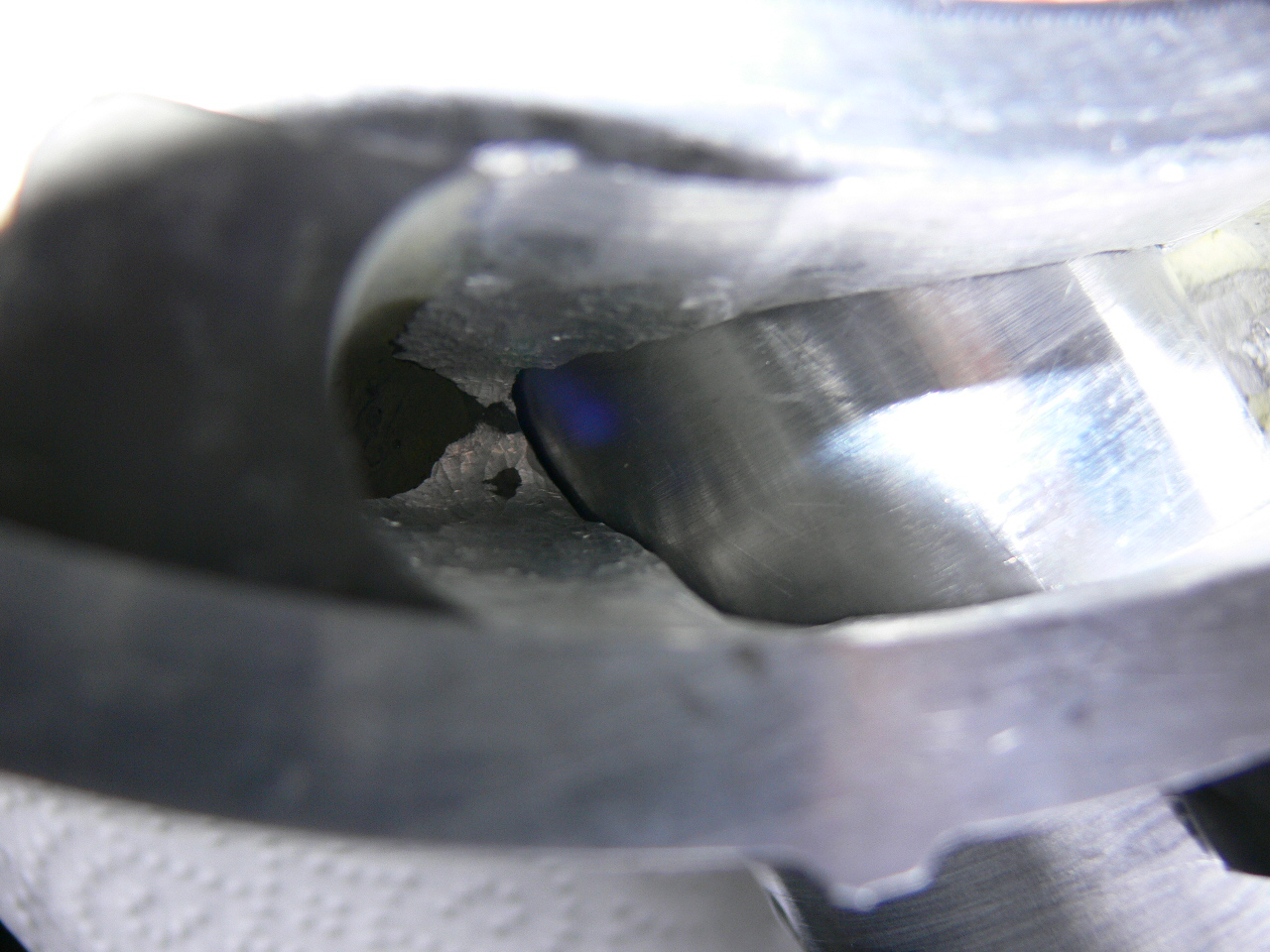
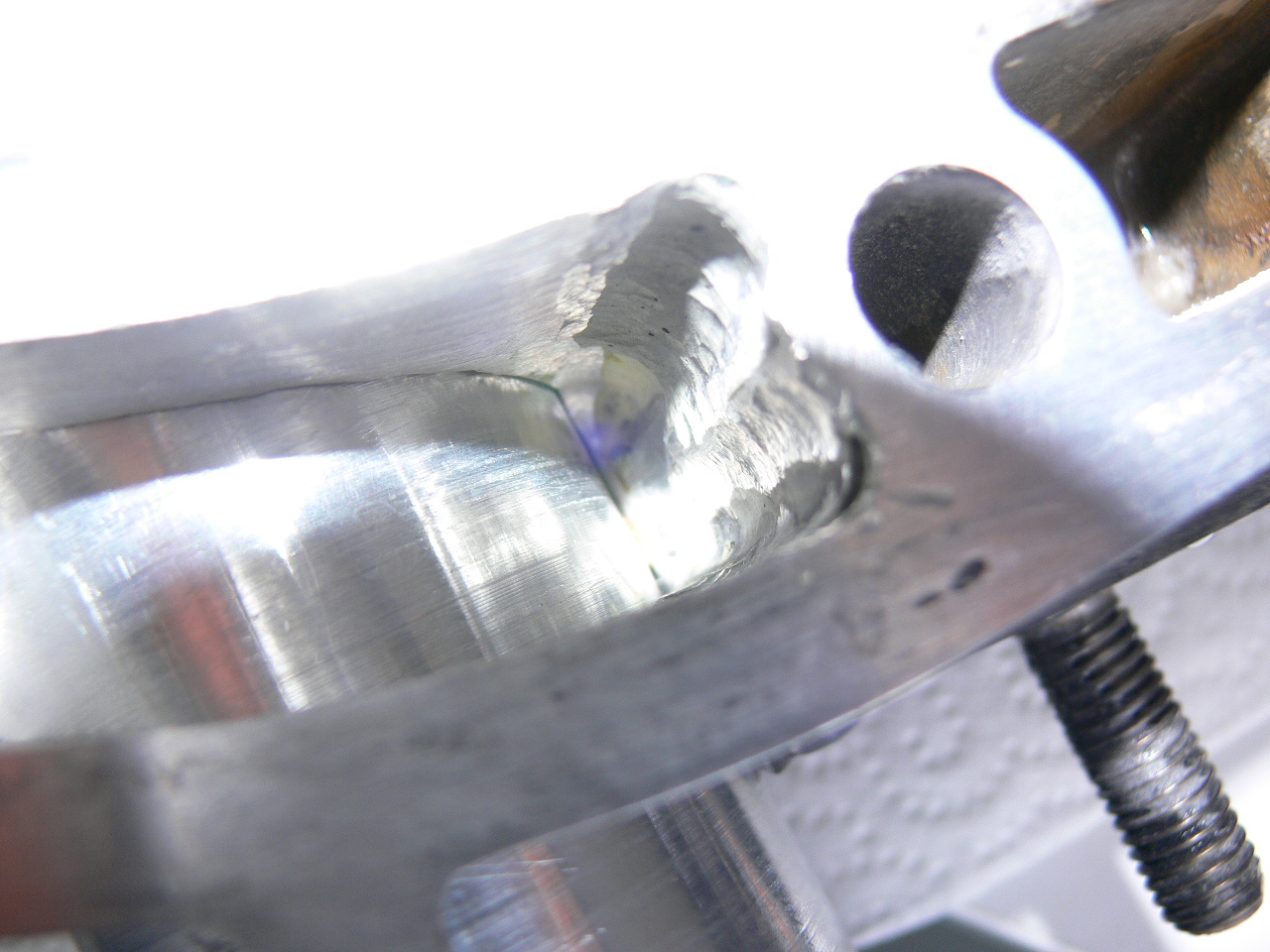
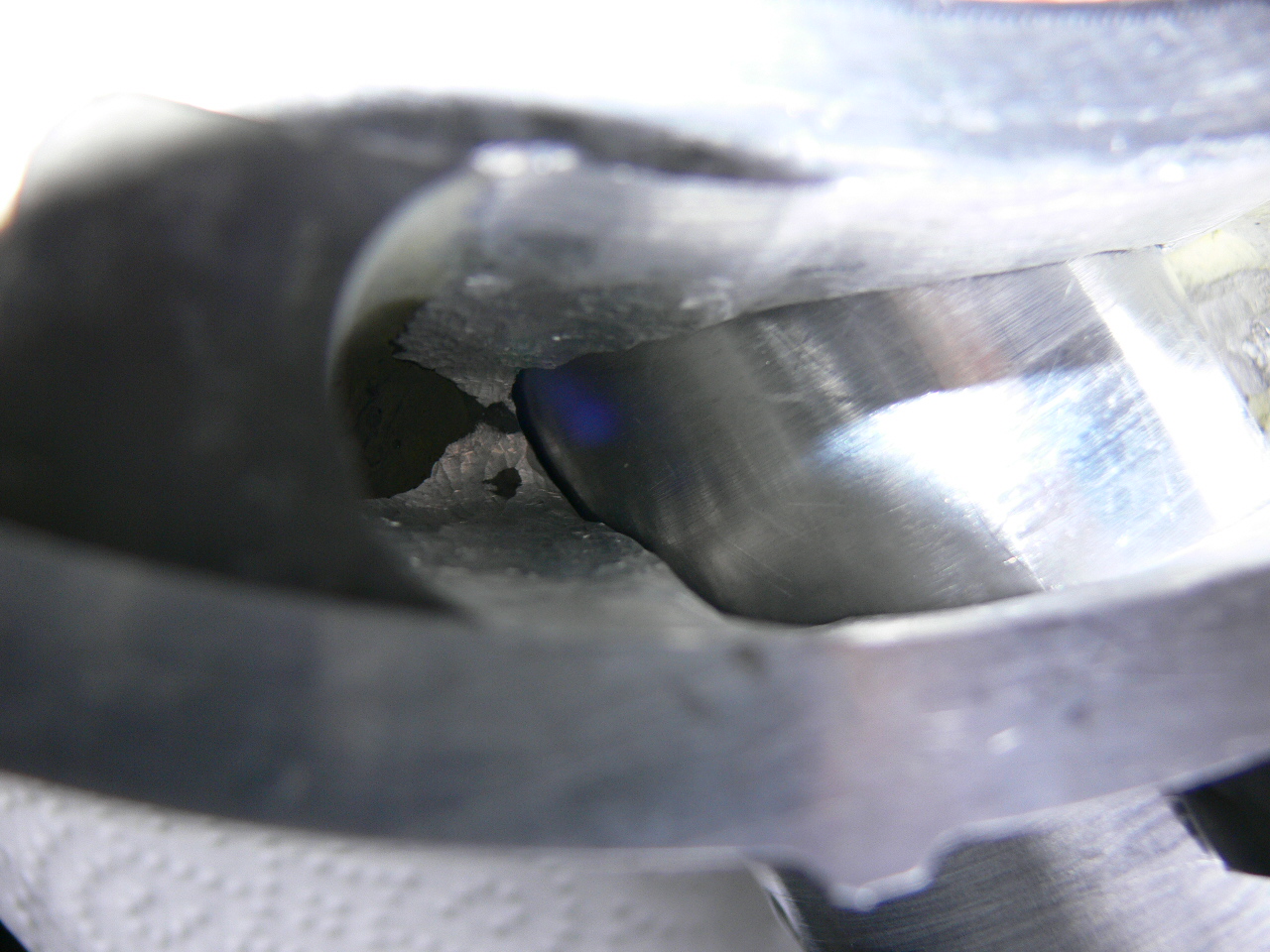
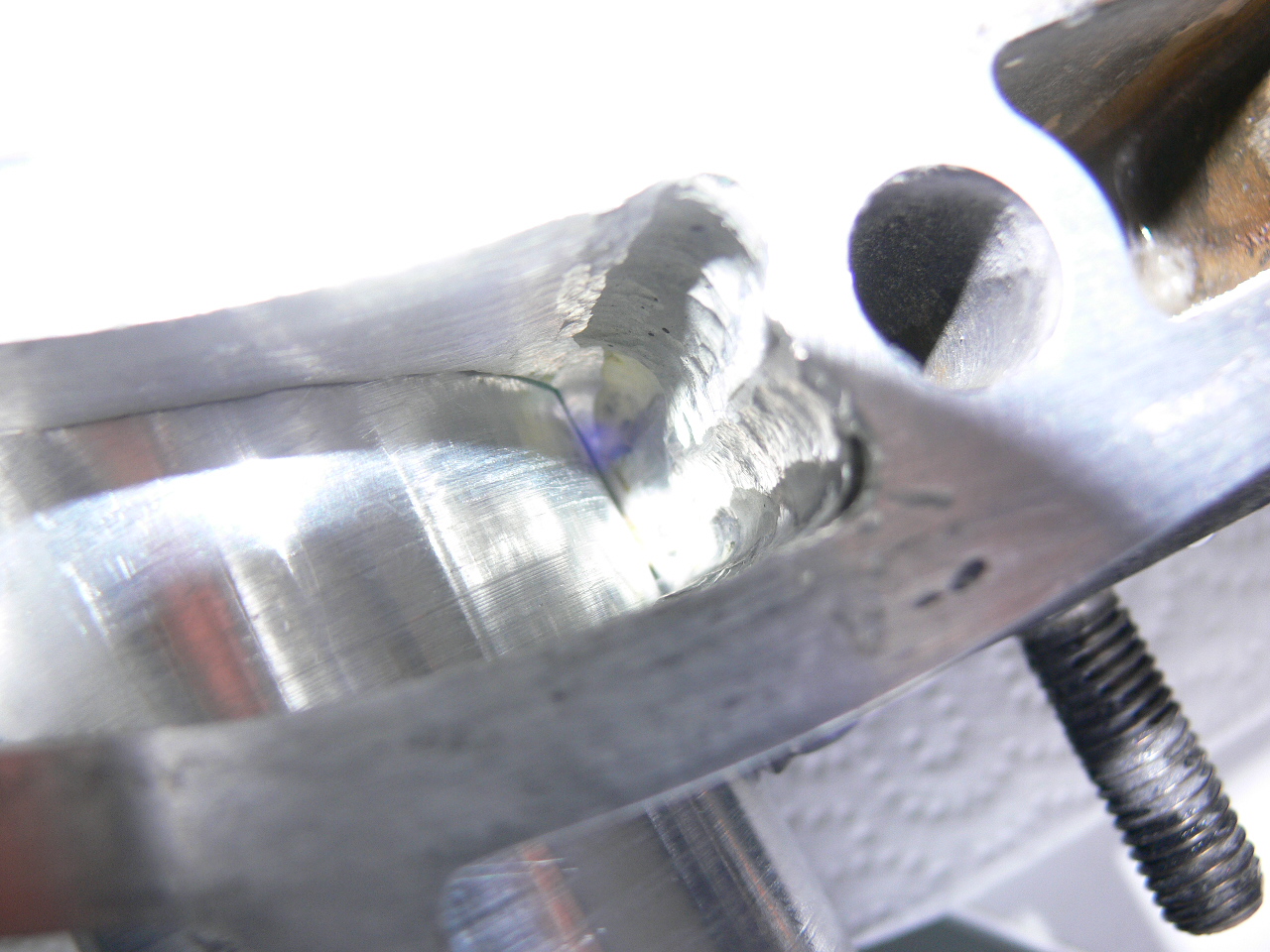
I also like the idea Paul is suggesting, i.e. Tig welding in a P-Port SS
tube to the steel liner. Welding ( Tig) in an aluminium tube would also
be
good - from what I've seen distortion can be controlled by a good Tig
welder.
George ( down under)
The problem with tig welding on the aluminum side is the welder does
not have 360 degree access to the weld line.
Paul Lamar
Paul,
I can't quite understand that one, I am trying to mentally visualize the
process and can only see a problem on the rotor side ( inside rotor housing)
and the small tig handle should enable sufficient access.
I have seen them welded from the outside and that's fine but can't remember
what they did on the inside.
George ( down under)
It is down inside the water jacket that is the problem with the tig torch.
Inside the rotor housing chamber there is no problem for the tig torch.
--
Paul Lamar ...No rotor no motor.
The Rotary Engine NewsLetter. Powered by Linux.
ACRE NL web site.
http://www.rotaryeng.net
Copyright 1998-2006 All world wide rights reserved.