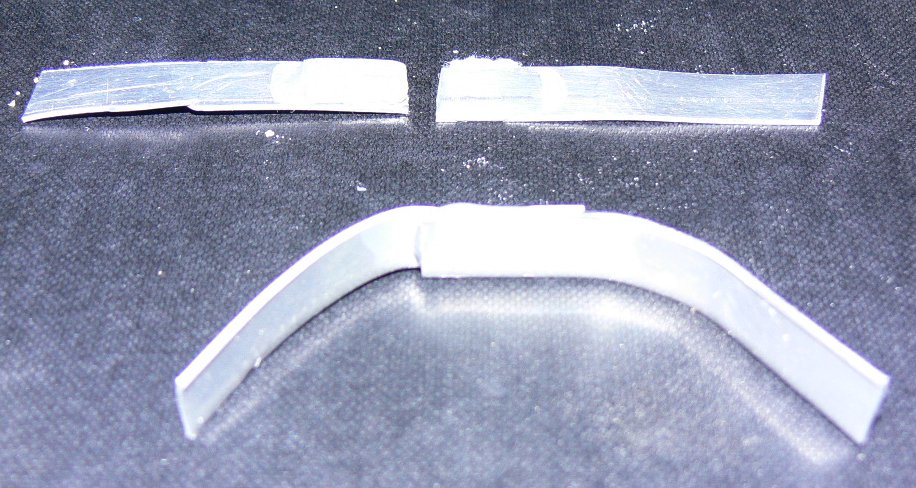
Getting ready to bond the tubes into the housings. Do I block one side
with modeling clay, pour the heated JBweld into the other cavity, bolt
up the block off plates and apply pressure? Then I remove the clay
after cure and do the other side? How long does the pressure need to be
applied? What attitude should the housing be in during cure? I plan to
alodine both the tube and the housing prior to bonding. Thanks
Joe Berki
LimoEZ
Use a Dremel tool to clean the inside of the rotor housing down to
the bare aluminum.
The first JB Weld go around is to plug the areas between the upper and
lower chambers
so don't apply pressure or it will blow out the modeling clay. Use a
minimum
of JB Weld and don't thin it or heat it. It is just
plugging up the big holes that would otherwise allow the JB Weld ooze
through
to the bottom chamber. The rotor housings is laying on its side.
Re prep the aluminum after every cure as it is only good for a few hours.
The second go around you fill the chamber about half way and use thinned
(half
teaspoon of acetone) and heated JB Weld and apply 40 psi pressure (Use the
part of the
inner tube that has the valve bonded in. Not like the picture.) briefly
until you see
the JB Weld ooze out between the tube and the housings both inside and out
side.
After that cures in 24 hours apply pressure again and check that it holds
40 to 60 psi over night. If it does you are done. If not put some more
thinned JB
Weld in and repeat the pressure treatment. It takes a couple of days to do
this so
do two at a time. This is for one side of the rotor housing only. Turn
them over
and do the other side.
Best to practice on junk rotor housings.
Paul Lamar ...No rotor no motor.
why not just fill that entire area with J-B weld first?
then drill the p-port hole thru the j-b weld
and the housing all at the same time.
I think that would be alot easier
Tony
How would you pressure test it for coolant leaks?
--
Paul Lamar ...No rotor no motor.
I have alodined just about every aluminum part in my AC and thought that it
provided protection for the aluminum for a long time. I realize that
etching is very short term but you do that as part of the alodine process.
I think we need to do some more research on alodining.
Joe Berki
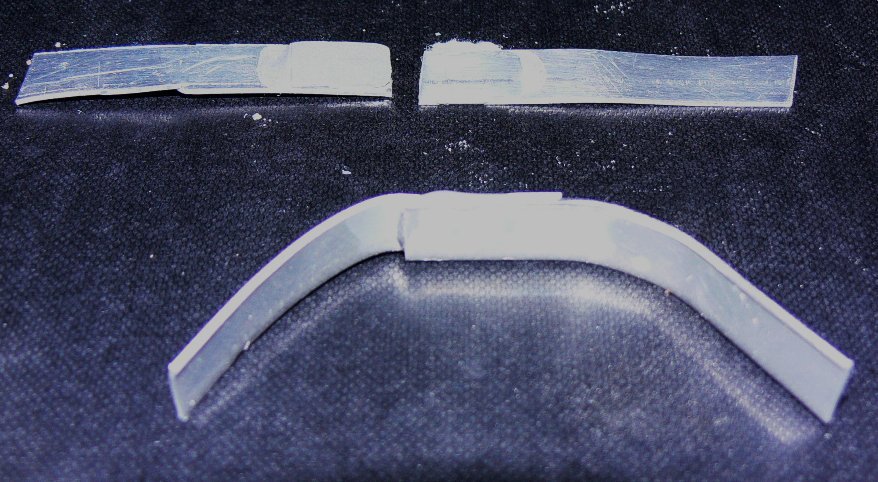
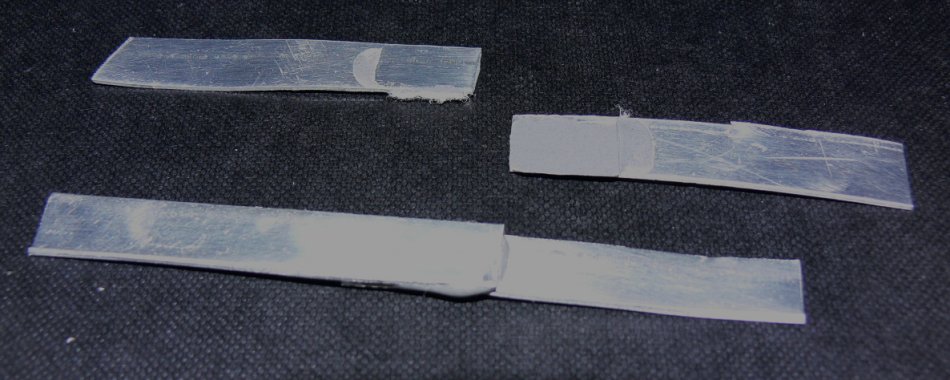
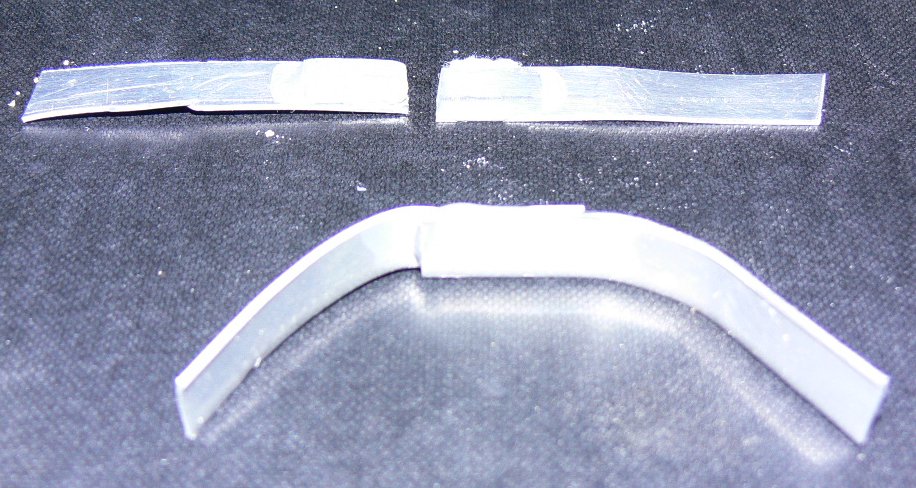
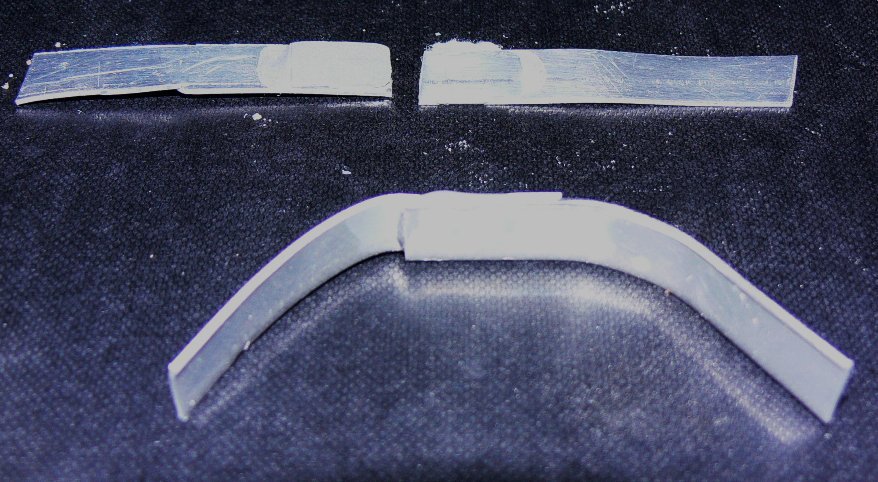
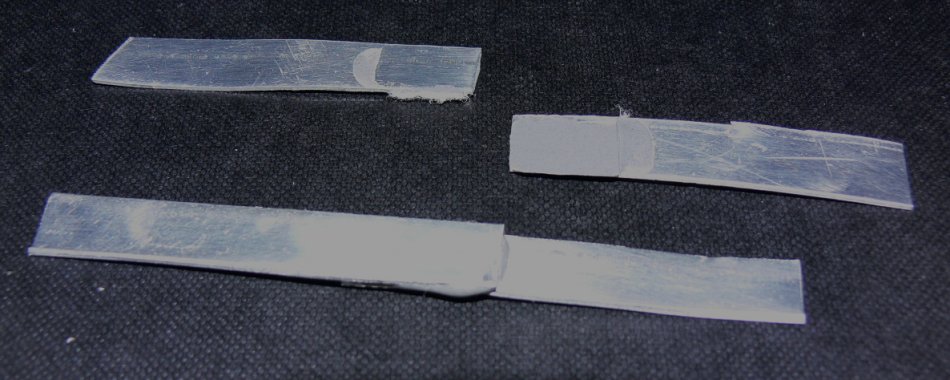
Well cut a couple of alodined .032 thick aluminum parts and bond them together with JB Weld.
I did that with plain aluminum and etched aluminum and then did the bending test. There was
a world of difference in the strength of the bond.
Paul Lamar
The Rotary Engine NewsLetter. Powered by Linux.
ACRE NL web site.
http://www.rotaryeng.net
Copyright 1998-2006 All world wide rights reserved.