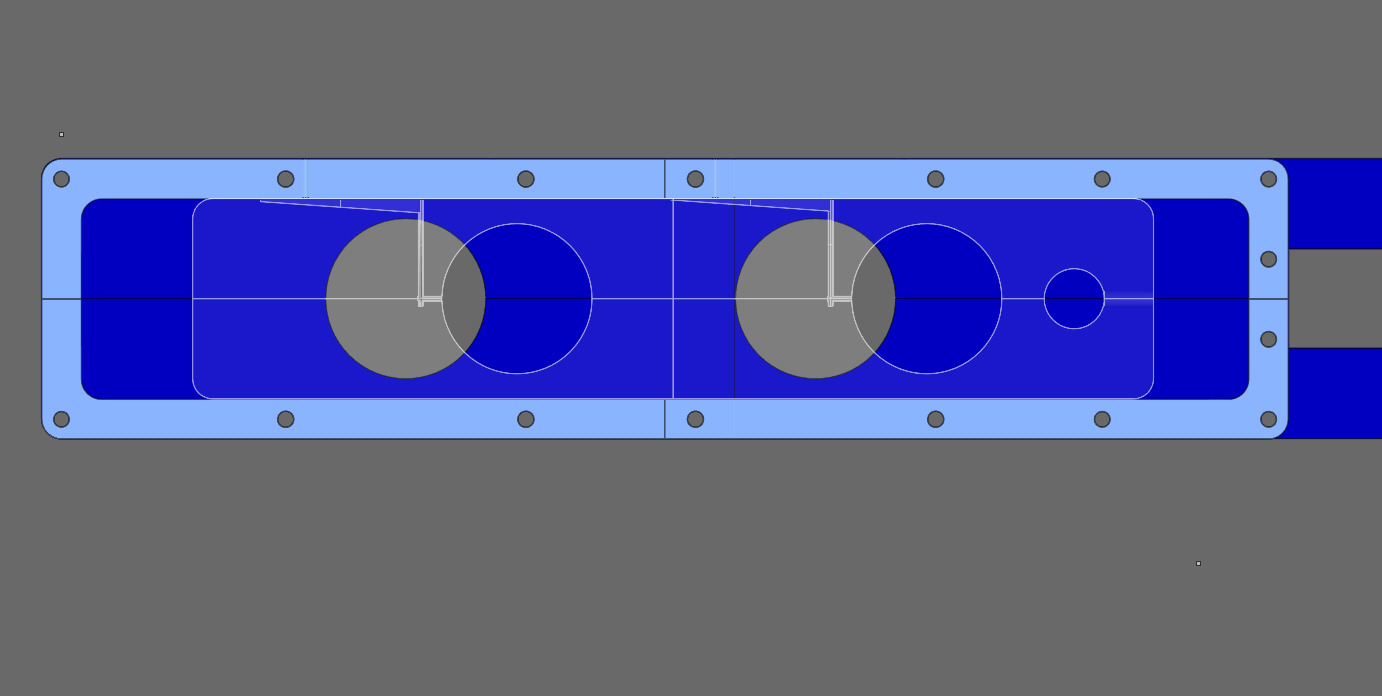
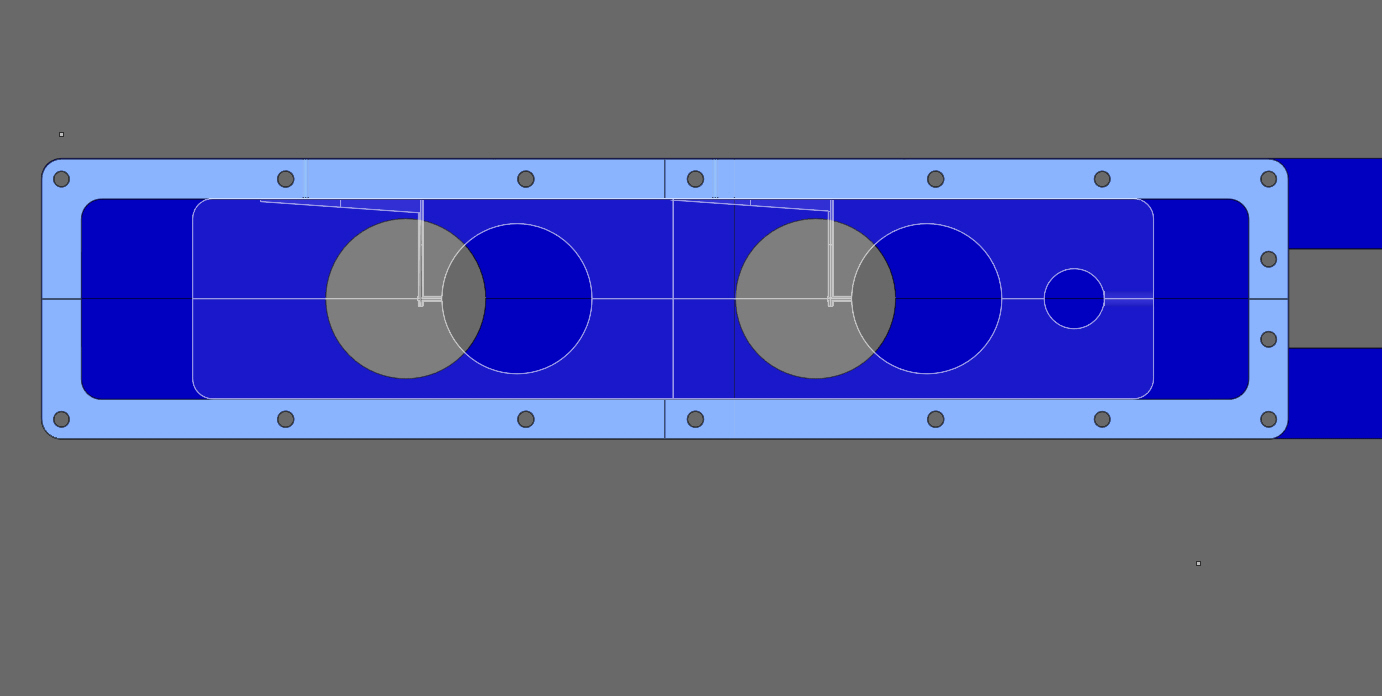
I calculated the air opening area of the slide in .2 inch travel
increments.
I then attempted to match the fuel flow to the slide opening area.
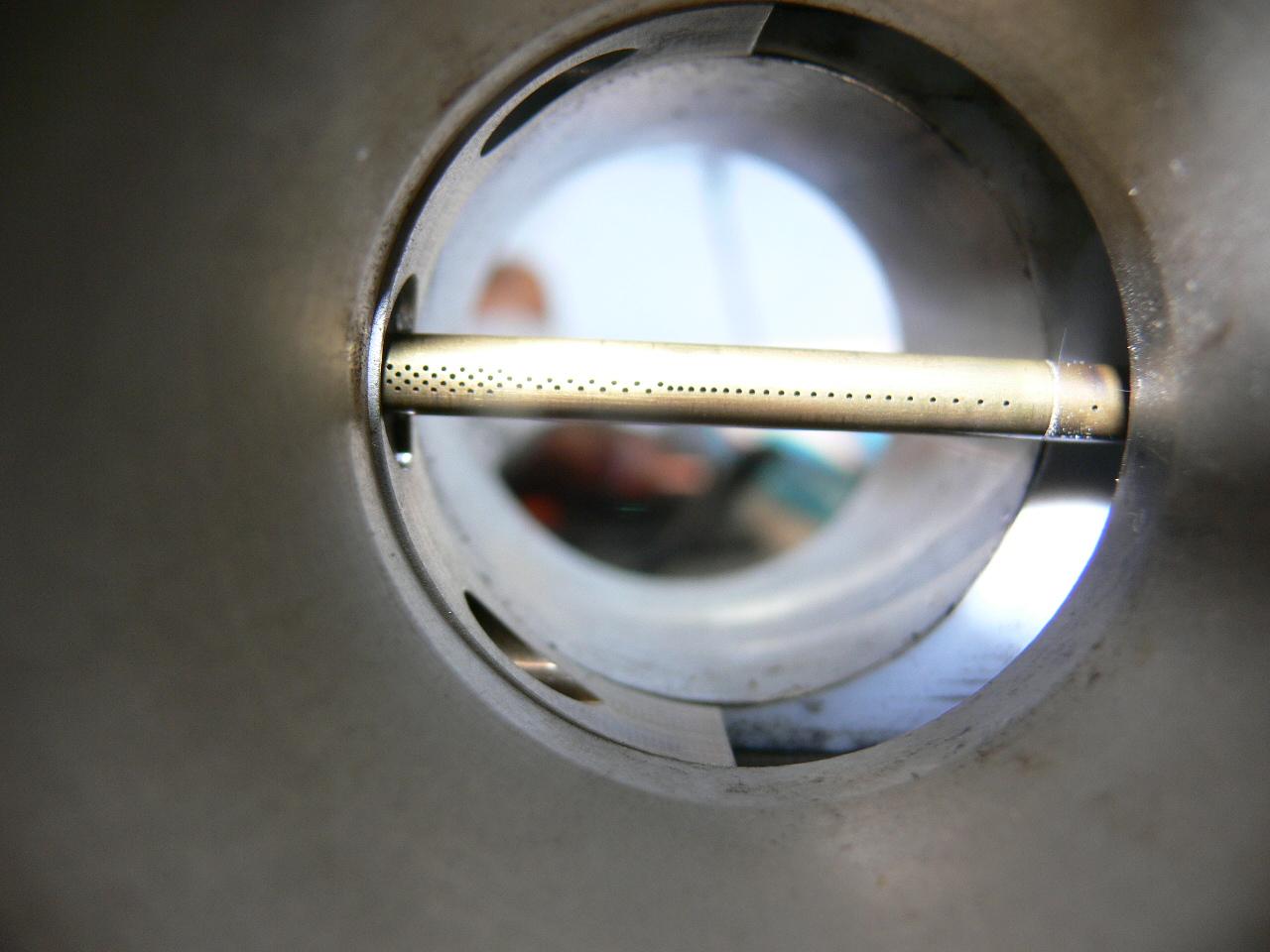
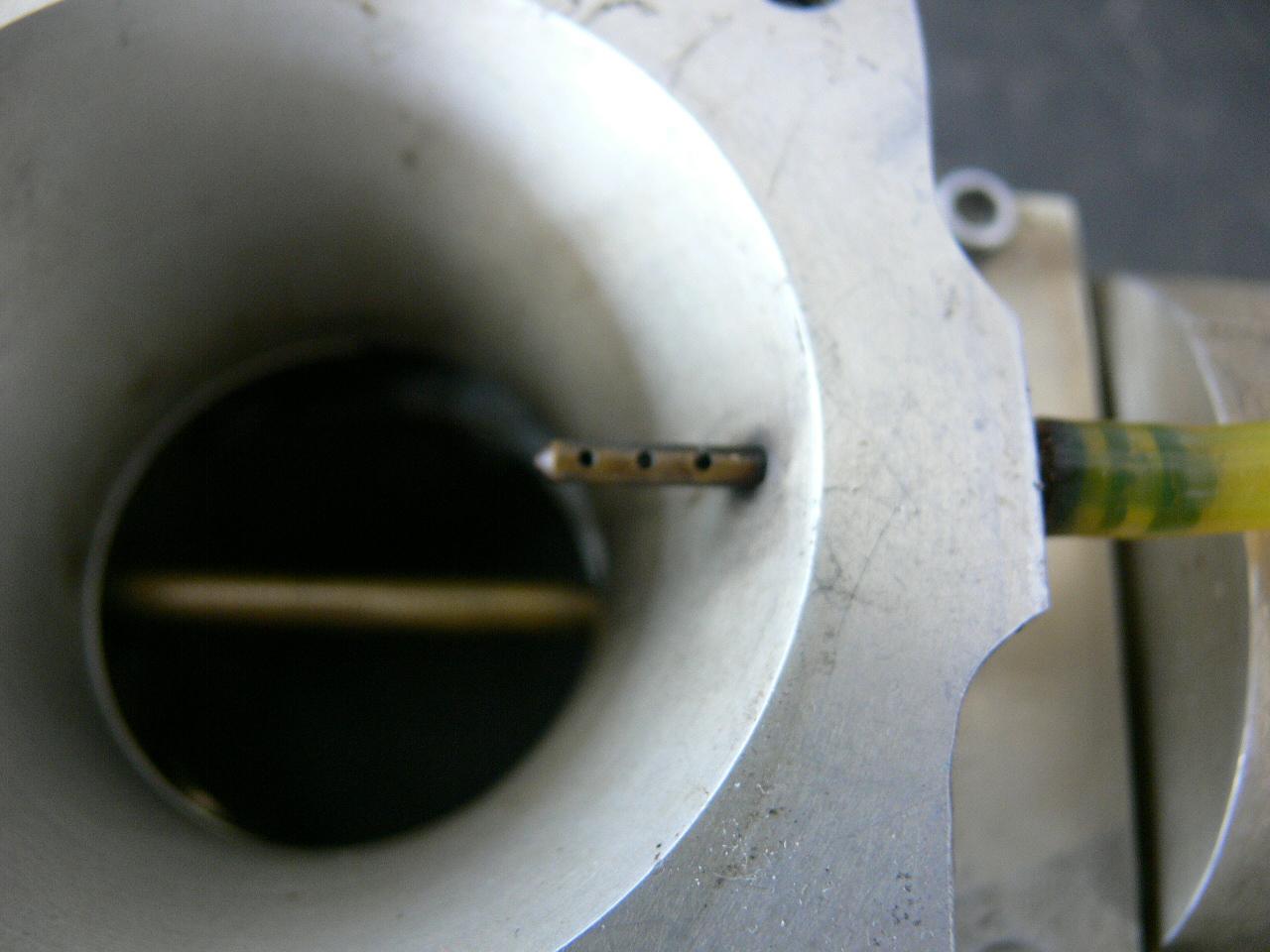
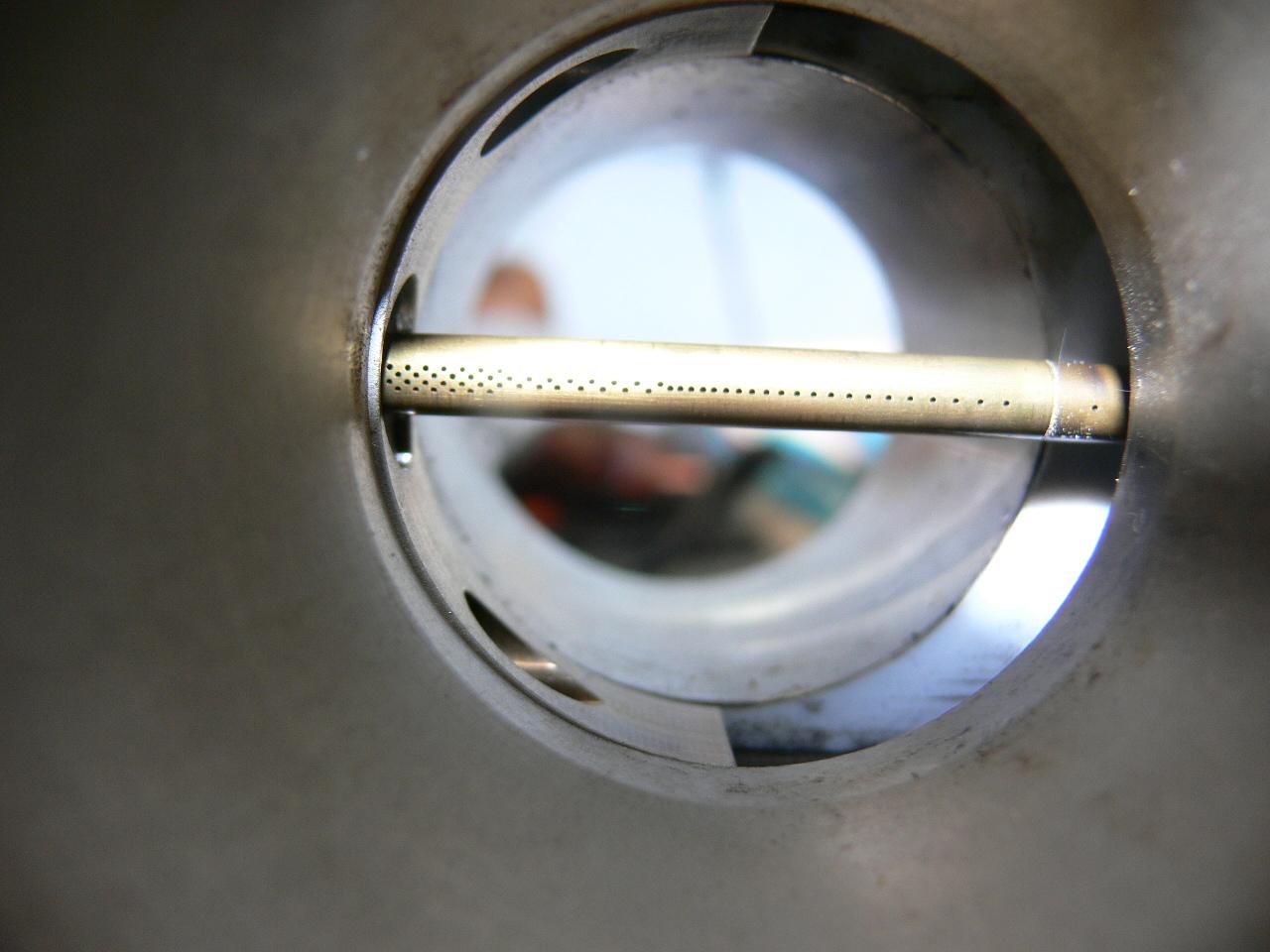
Roughly speaking it takes 27 .013" dia. holes variably spaced
along the tube. Each hole passes enough fuel for 4.45 HP at 2 psi so
27 holes is 120 HP per runner. 240 HP for the p-port engine.
As Ben Ellison says this causes a stepped ramp digital supply of fuel.
In other words the engine goes from rich to lean and back to rich as
the
slide moves. The problem is severe in the first one third
travel of the slide throttle. Ellison largely got around this by
using much
smaller holes and many more of them. My guess by looking at them is
they can be
as small as .1 mm or around 6 thousands of an inch. He probably has
close to 100 holes in his tubes.
BTW I can't for the life of me figure out how they can make a drill that
small but they do. Airgas sells them for $45 each.
More, much smaller holes, soon becomes a problem in a single row as
the holes
get too close together. Two or more staggered rows are used in the
Ellison.
The first 3rd are a single row. The next third is a staggered
double row and the last
third is a staggered triple row. None of this is shown on any
Ellison websites.
Of course this further increases the cost.
I talked to a friend of mine that owns an NC shop here in Santa
Paula that
has experience drilling small holes. He says there must be a close
fitting
brass rod in the brass tube or drill breakage occurs frequently. At
$45 a crack
you don't want this to happen. Then you have the problem of pressing the
sacrificial brass rod out of the nine inch long 1/8 inch diameter
tube. Not
an easy thing to do. That too requires special tooling that supports
the outside
of the tube. Perhaps this can be done better with a laser.
I can see why Ellison is charging $850 for his aircraft carbs. It is
also rapidly
talking me out of this approach. Not a show stopper yet however as I
have
yet to investigate the laser option.
-----------------------------------------------------------
I am sure this outfit can do the job. I'll know more about the cost
on Monday.
http://www.calasers.com/gallery.html
--
Paul Lamar ...No rotor no motor.
I got a price on the tiny holes from the laser guys in Simi Valley.
$250 minimum set up charge. Too much for me for R&D.
I talked to Klaus about how his Ellison has worked and he thought
it was not bad but the venturi part of it restricted
the airflow compared to his EFI setup on his O-200. I assume he has
a custom throttle body on there now. He got more HP with the custom
throttle body.
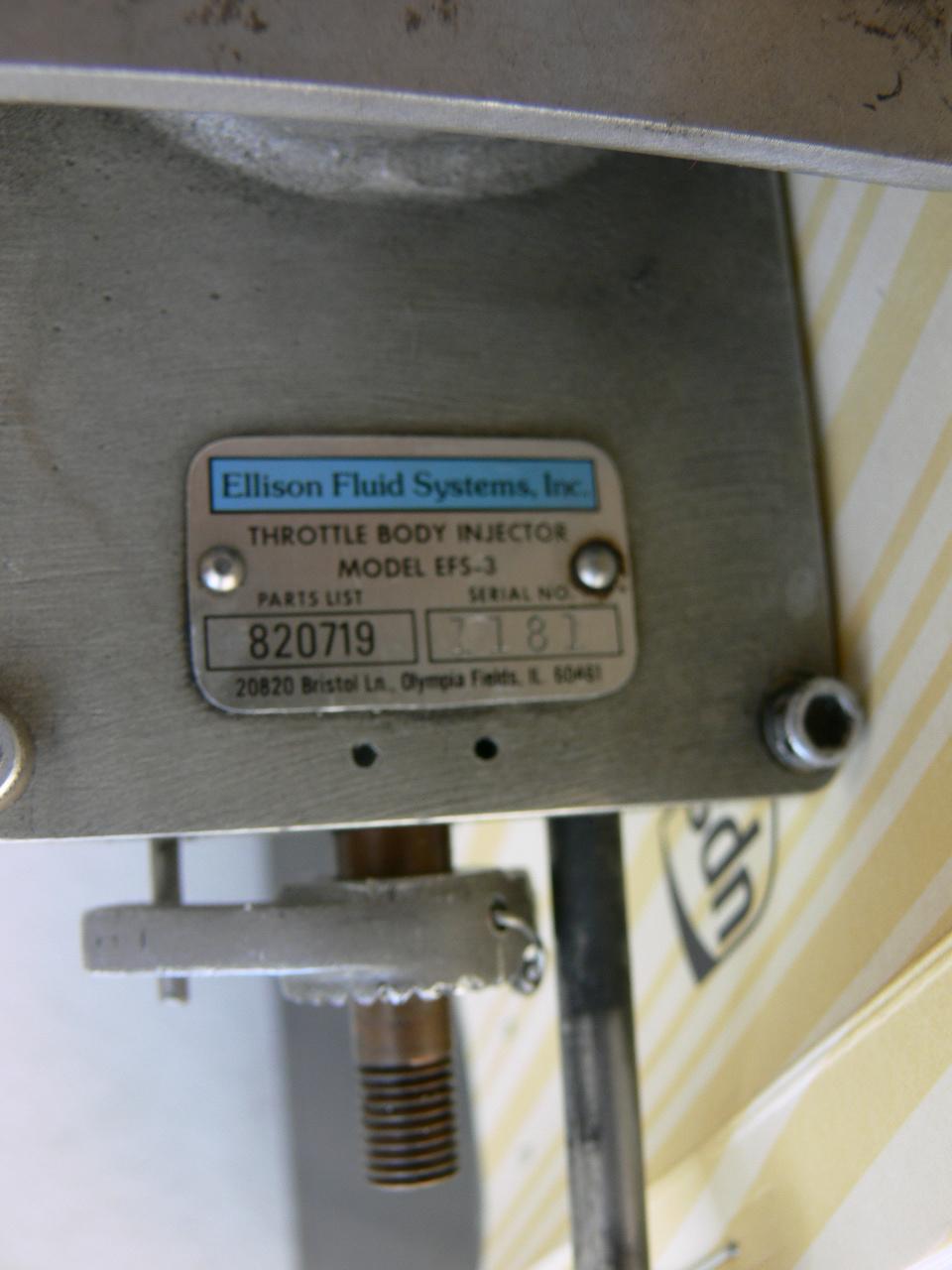
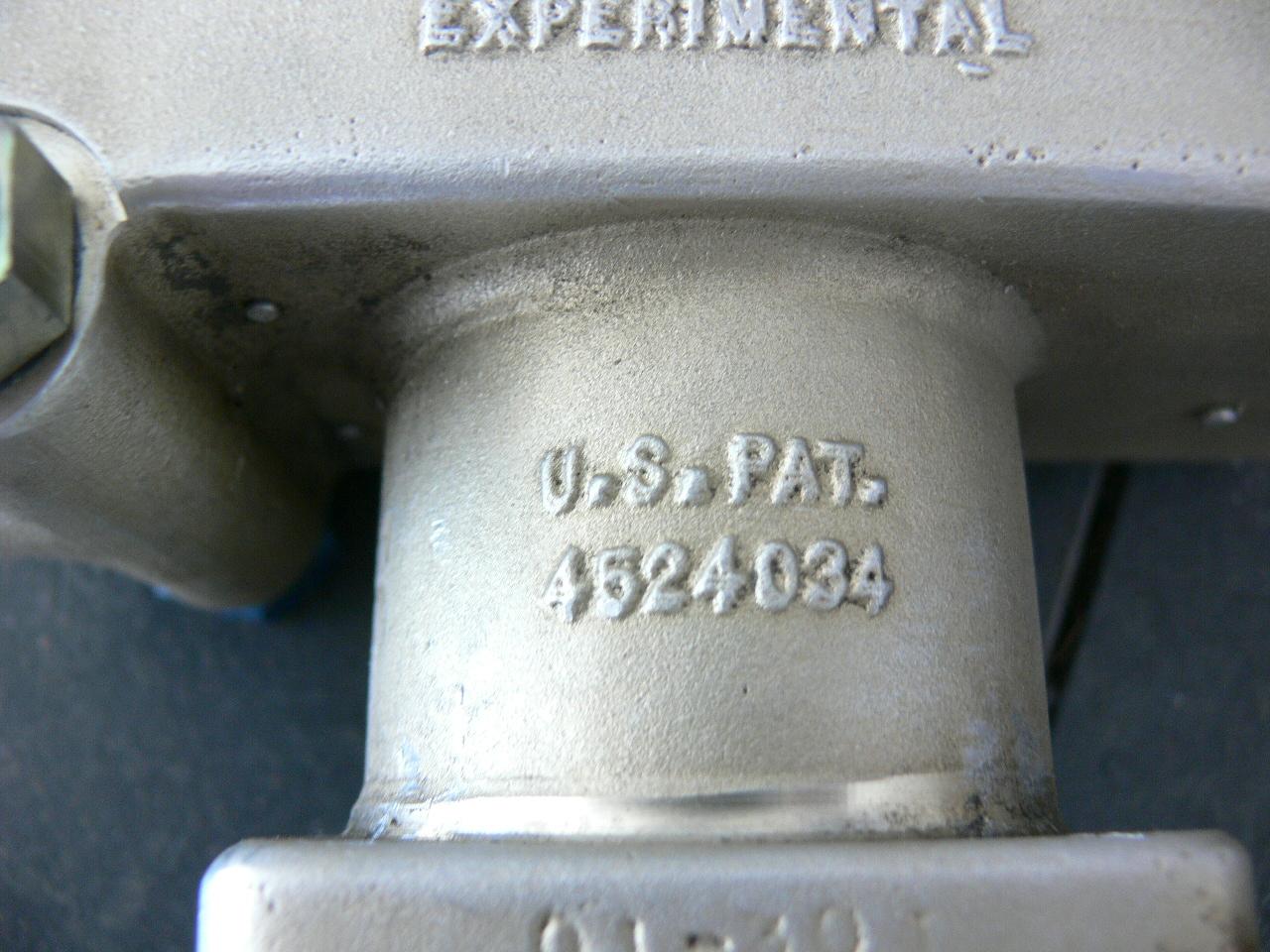
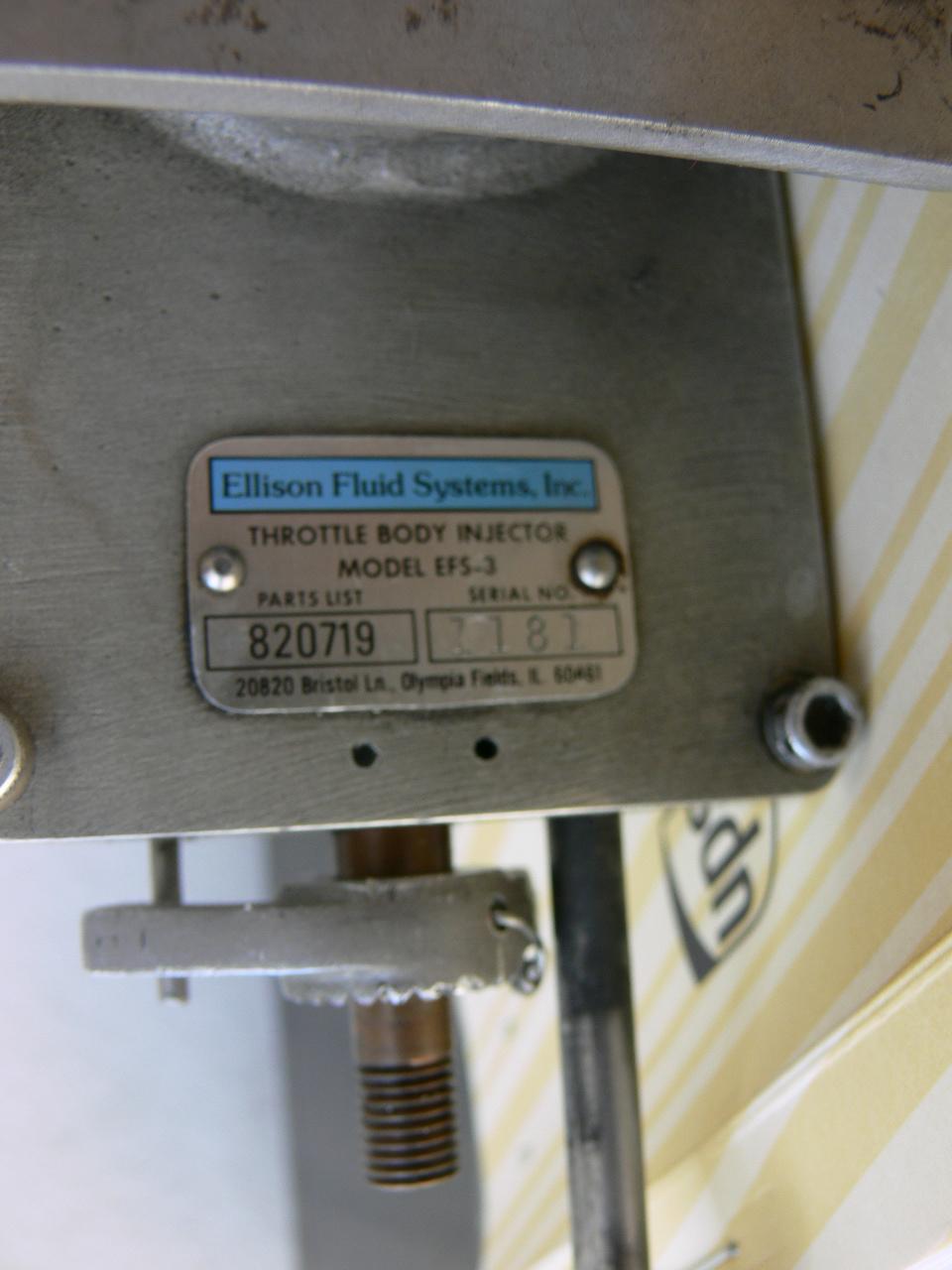
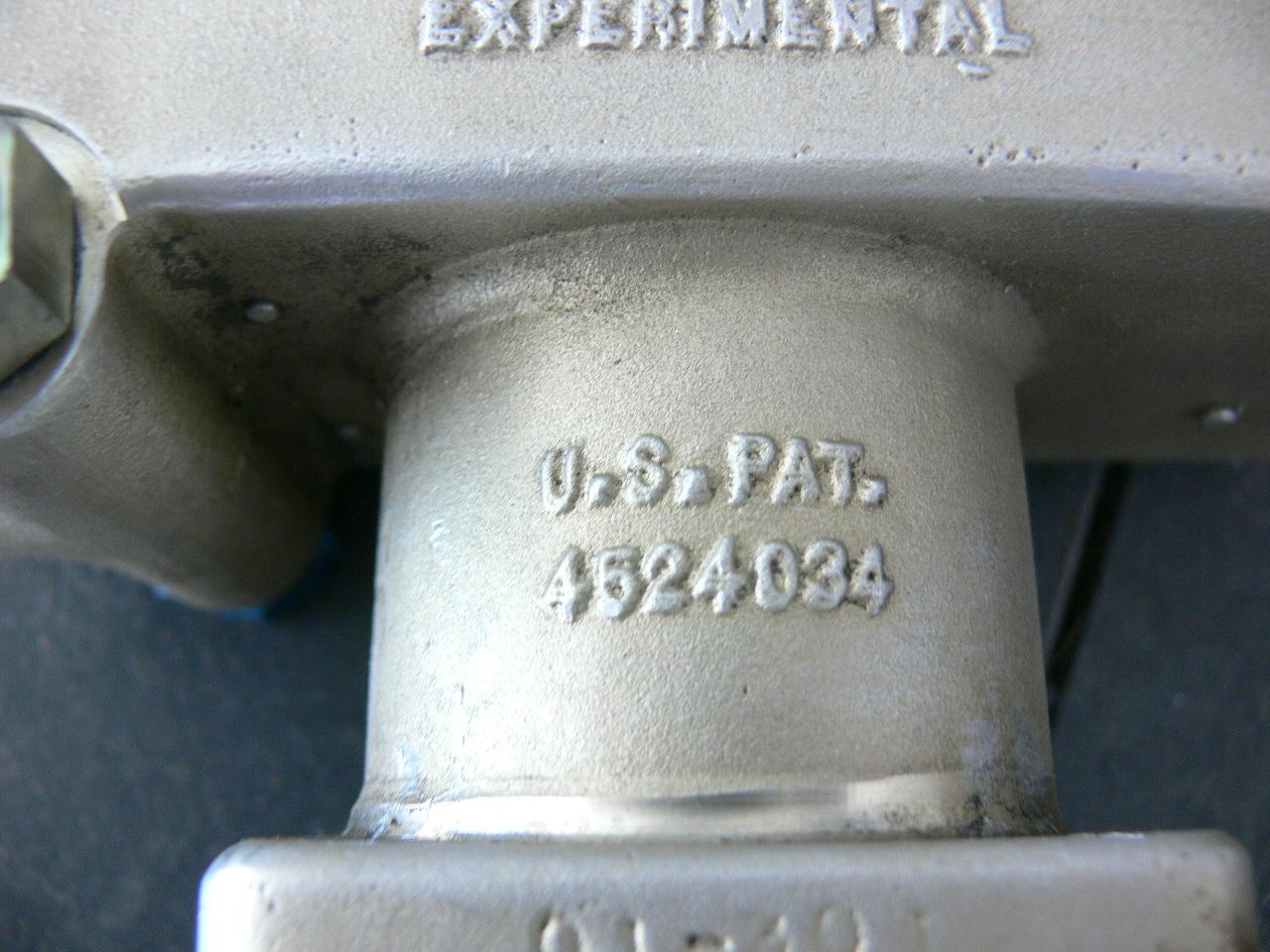
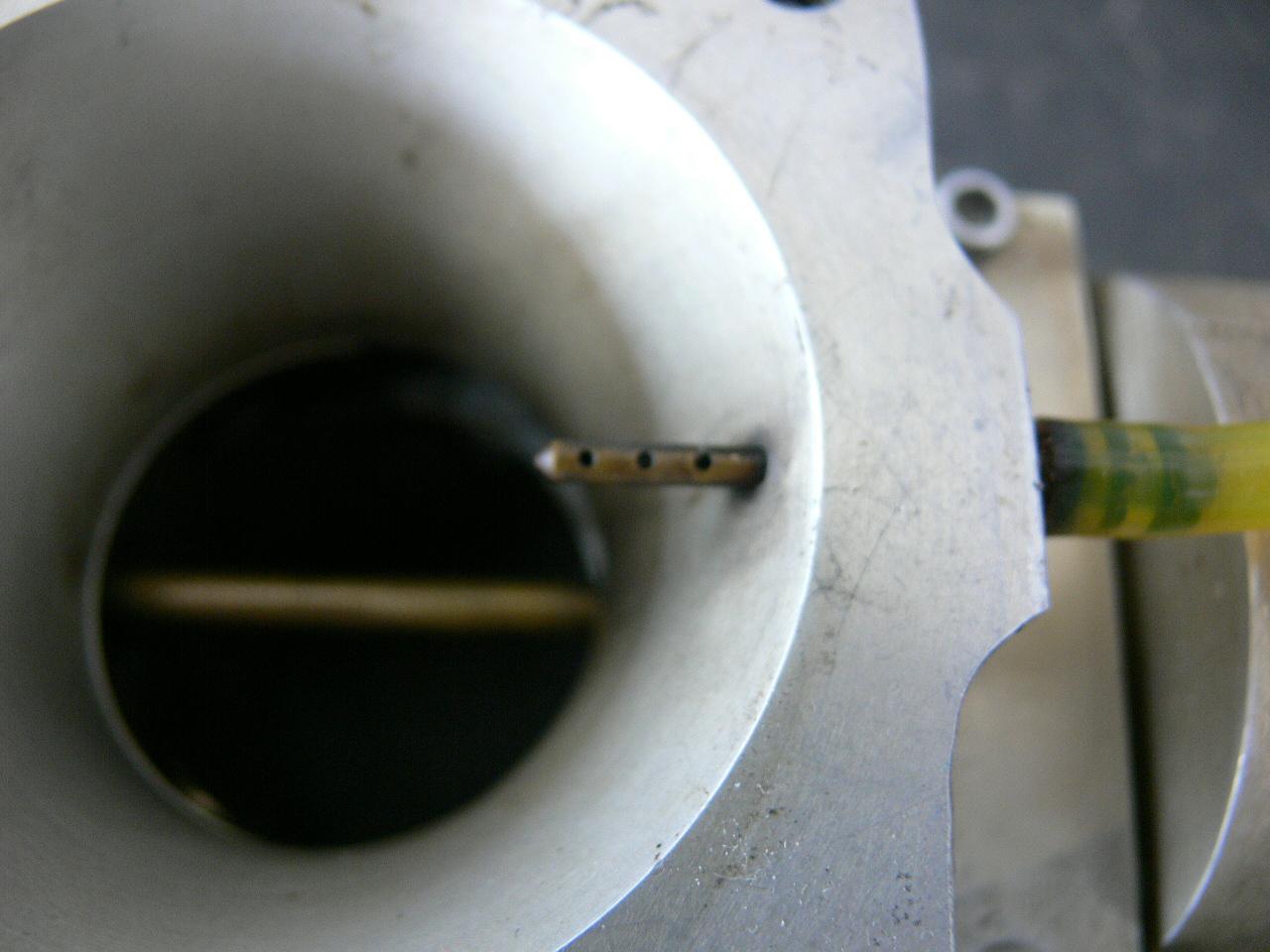
Here are some pictures of the Ellison carb he took off.
Klaus also mentioned that the exact time the fuel was squirted in was critical
on a 2500 RPM aircraft engine (+/- 30 degrees) but he agreed with me that it matters
not on a 7500 RPM engine. Another hidden advantage of the rotary.
The next 3D is the mechanical low pressure fuel injection I am going to
spend my R&D budget on. Both Hurant Karribian and I will be working on essentially
the same thing.
The pressure regulator soak in 100LL gasoline was successful. I could see no
deterioration in the air pressure regulator plastic parts. Of course that
is 100LL auto fuel with alcohol could be another matter.
BTW I did some further test on JB Weld by thinning it with 25% acetone
and it became very easy to pour. It set up but I can't vouch for the
strength as I did not test it. With a welded in SS P-port tube
we don't need the strength so sealing becomes its only function.
Paul Lamar ...No rotor no motor.
The Rotary Engine NewsLetter. Powered by Linux.
ACRE NL web site.
http://www.rotaryeng.net
Copyright 1998-2006 All world wide rights reserved.