-- Rotary Engine
SNIP
The seal was a National part. Going from memory, I think the p/n was
3500090, or something similar. I would have to check on that to be
sure. It was a nice tight fit.
Mark St.
Hi Mark,
Can you check the seal P/N? I'm working around a National P/N 350909
and before I get too carried away I'd like to make sure I've got the
correct seal. I'm embedding the seal in a new housing "half" to control
the eccentricities better. This will also provide back-up to the seal so
internal pressure forces tighter sealing rather than the tendency to
blow the seal out. ( IOW's I'm using housing material to act like your
screwed in retainer ). Thanx Dave M
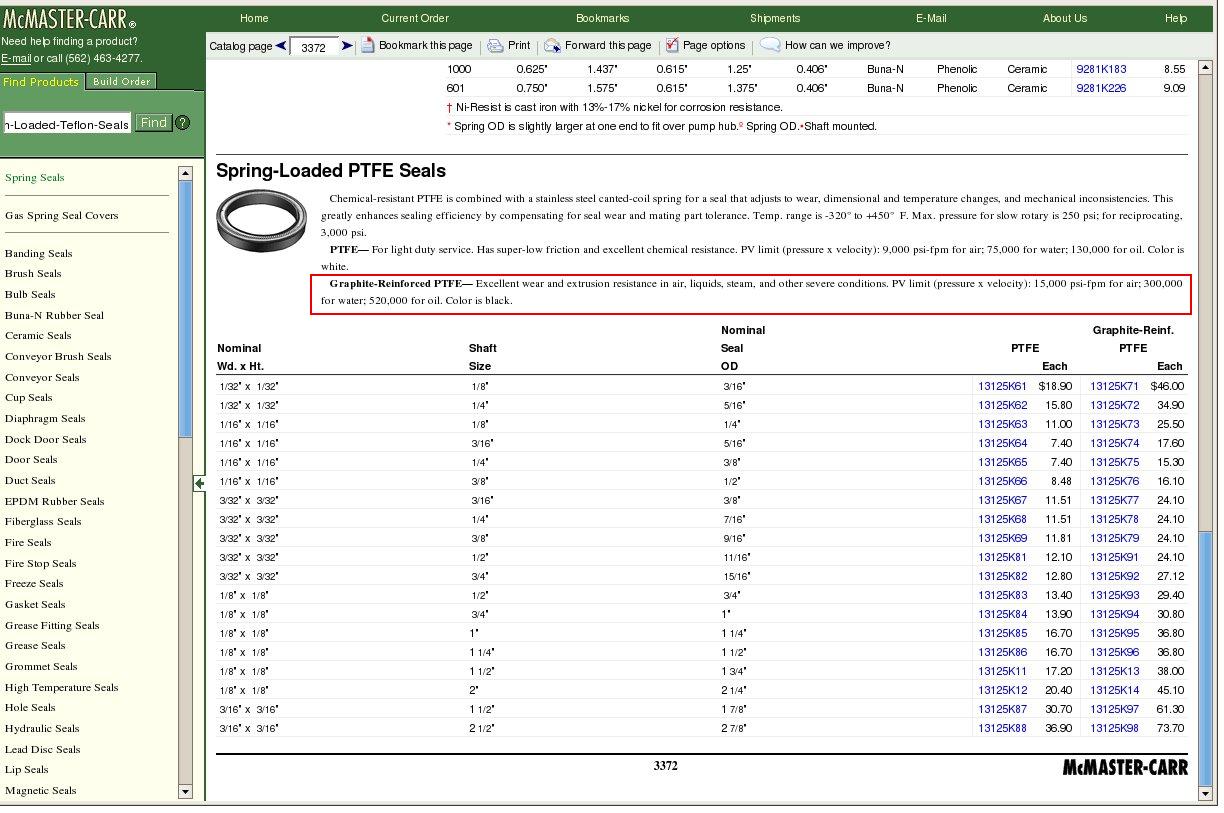
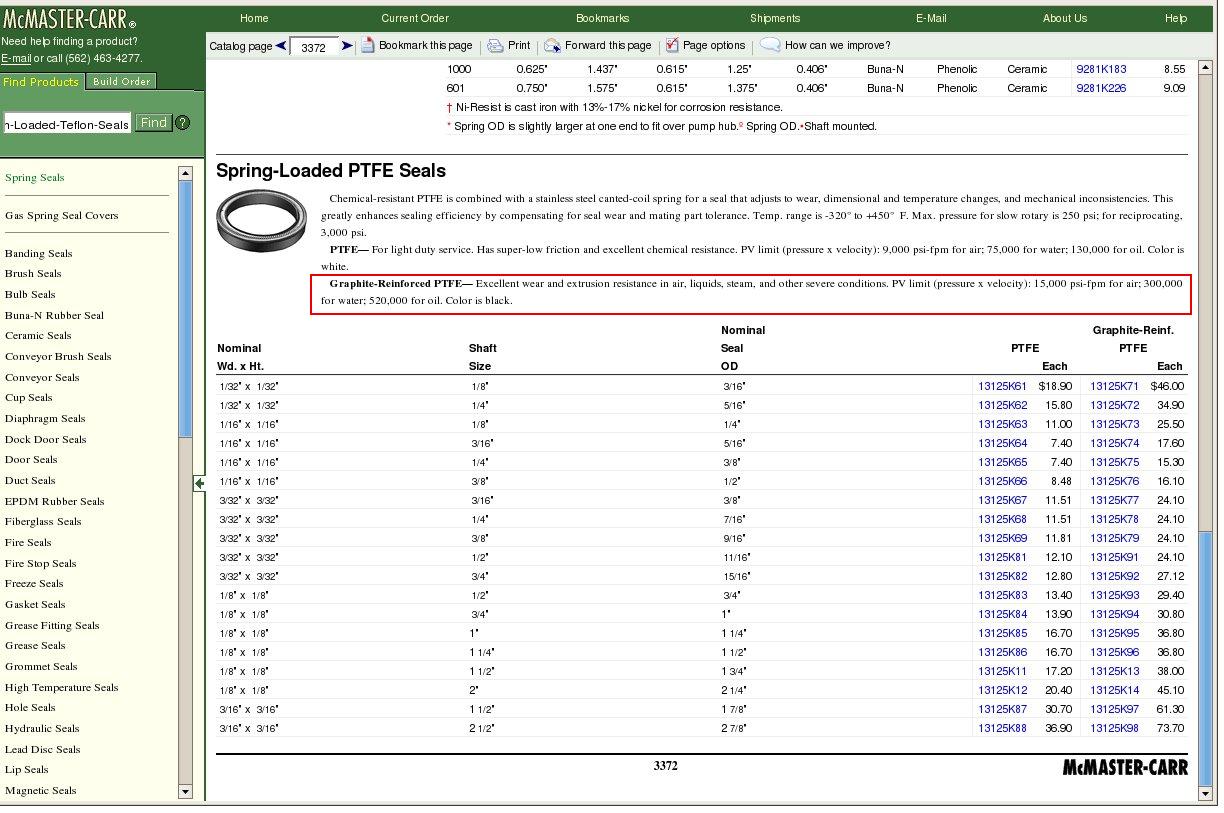
I would not muck about with cheap shaft seals. I would use these.
Paul Lamar
Paul,
Now you tell me!!! There is no way that I'm pulling that PSRU again
unless I have to for some other reason. The seal I used is exactly the
same as what Tracy installed new. In fact, I took the old plate with me
to get a match on a replacement. The old one was a different make, and
possibly had a slightly smaller o.d. as it worked its way out of the
hole. The new one was a nice press fit. It required a little
"persuasion" to get properly seated.
Dave, I'll have to check my receipt tonight and then I can let you know
for sure.
Mark St.
Wait awhile. It will leak again :)
Part of the problem is the current plate and the PSRU are not positively
positioned concentrically using dowel pins. Universal good practice
for bolted gear boxes, bell housings and rotary engines for that matter.
Larry's bell housing is going to address that problem
as it will have a machined pilot bore for Tracy's PSRU.
Furthermore the PSRU bore face will be positively parallel with the aft face
of the engine within half a thou. Currently ANY variation in spacer length can
cause this problem.
--
Paul Lamar ...No rotor no motor.
The Rotary Engine NewsLetter. Powered by Linux.
ACRE NL web site.
http://www.rotaryeng.net
Copyright 1998-2006 All world wide rights reserved.