My offer still stands Al.
"If you send me your shipping address by private mail and the height of
the exit
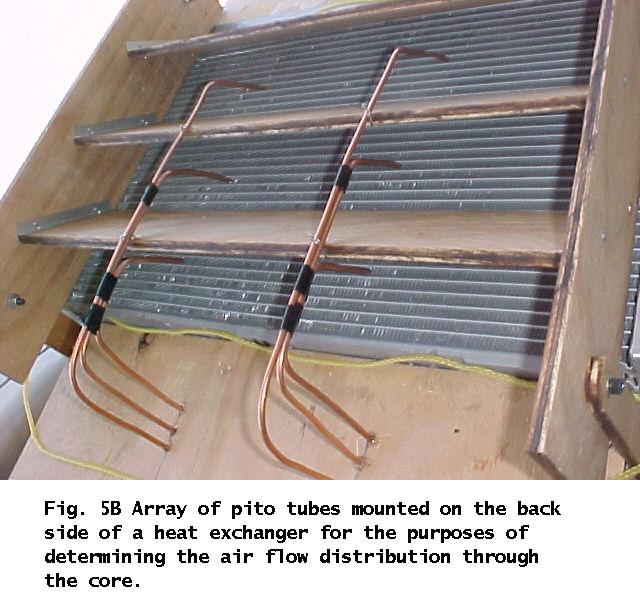
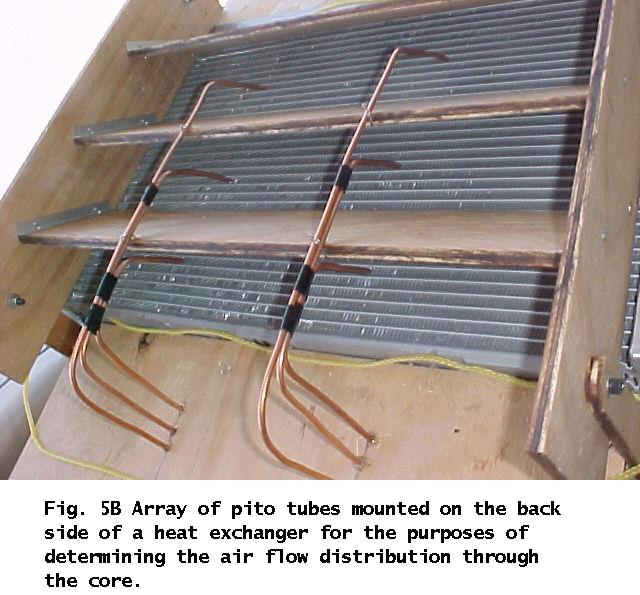
slot I'll send you a 8 tube water manometer, a velocity rake, porous
foam and a bunch
of drip irrigation tubing. All you need is a hot glue gun. In return I
expect some
good readings."
To summarize dynamic pressure at 150 MPH it is about 11 inches.
A fair scoop and diffuser can recover 50% of dynamic pressure or
about 6.5". Al is getting .25 inches at 160 MPH.
Paul Lamar ...No rotor no motor.
I thought Al had already tried a variety of turbulators (VG's) in front of
the inlet.. I agree with everything else you're saying...
Matt-
Paul; I don't have a way leading 8 tubes into the cabin, and although it
would be interesting; right now I think I have at least a rough idea of
what's going on there, and I'm not sure that a detailed profile would make
much difference in what to do next. Thanks for the offer.
I had some VGs ahead of the scoop months ago, but because of the gear well
they were only about 8" ahead of the scoop, and probably not high enough.
When I removed them I did not notice a change in oil temps. I've considered
trying some larger VGs further ahead (on the gear doors), but haven't had a
chance to do it, and am not optimistic that it would make a big change.
It's time to make a mold for the vanes, so comments on it's length,
position, etc; would be of interest.
BTW, I forget to mention in the earlier posting - the pressure data points
reported are all at 140 KIAS (160 mph).
Al
How and where are you running the tubes? You can always drill a hole
in the fire wall and or cowl and patch or plug it later. Drip irrigation
tube is only about 1/4 inch in diameter. Do you have landing gear
doors that close off the lower parts of the wheels? Eight 1/4 inch
tubes will fit through a one inch hole. Your just going to need to
drill a hole someplace in your cabin.
Two foam pressure taps at time are not going to cut it. Too many variable
from test to test. It is ridiculous doing two taps at a time.
I don't think vanes are going to help. They will just cut down on the
little amount of air going in the hole. As far as I can tell
little or no air is going through the core. I have seen no valid data
so far to convince me otherwise. First things first. You need a velocity
rake back there to see if any air at all is flowing through the core.
I think the core is acting like a true radiator doing what little oil
cooling you are getting.
--
Paul Lamar ...No rotor no motor.
The Rotary Engine NewsLetter. Powered by Linux.
ACRE NL web site.
http://www.rotaryeng.net
Copyright 1998-2006 All world wide rights reserved.