INTRODUCTION
The gasoline engine industry's universal acceptance of Tillotson's original
diaphragm carburetor has resulted in the development, by Tillotson
engineers, of the "HU" Series carburetor.
The all
position mounting feature allows a wide range of possible applications.
Information contained in the following pages is presented as an aid to
understanding construction, operation and servicing of the "HL" series
carburetor.
CONSTRUCTION DATA
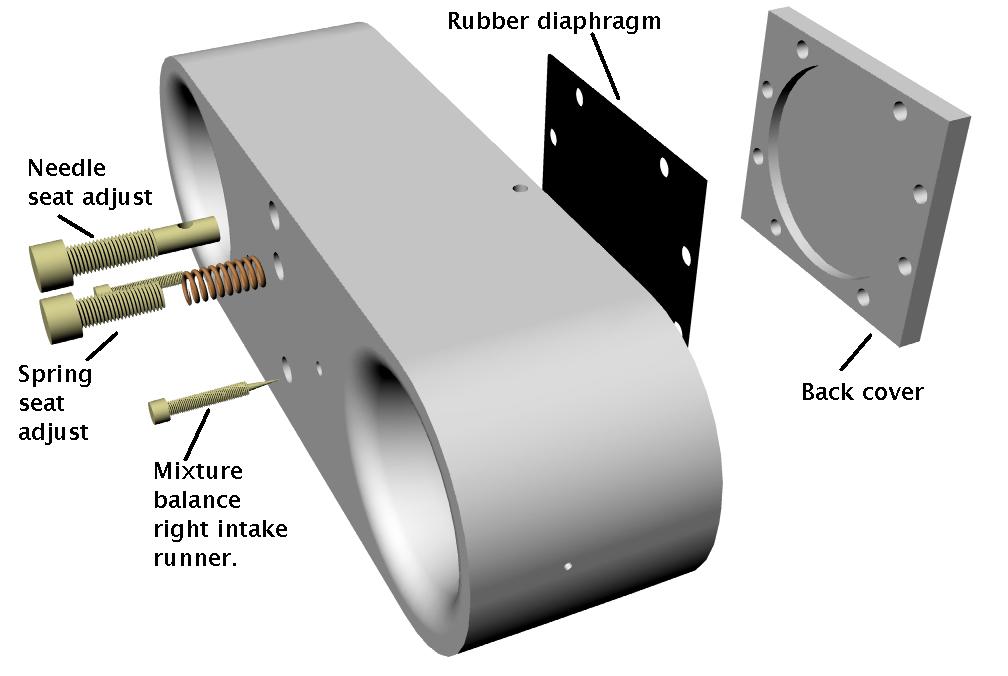
The "HU" series carburetor is a lightweight, aluminum die cast carburetor
composed of four basic parts: metering body, main diaphragm cover plate,
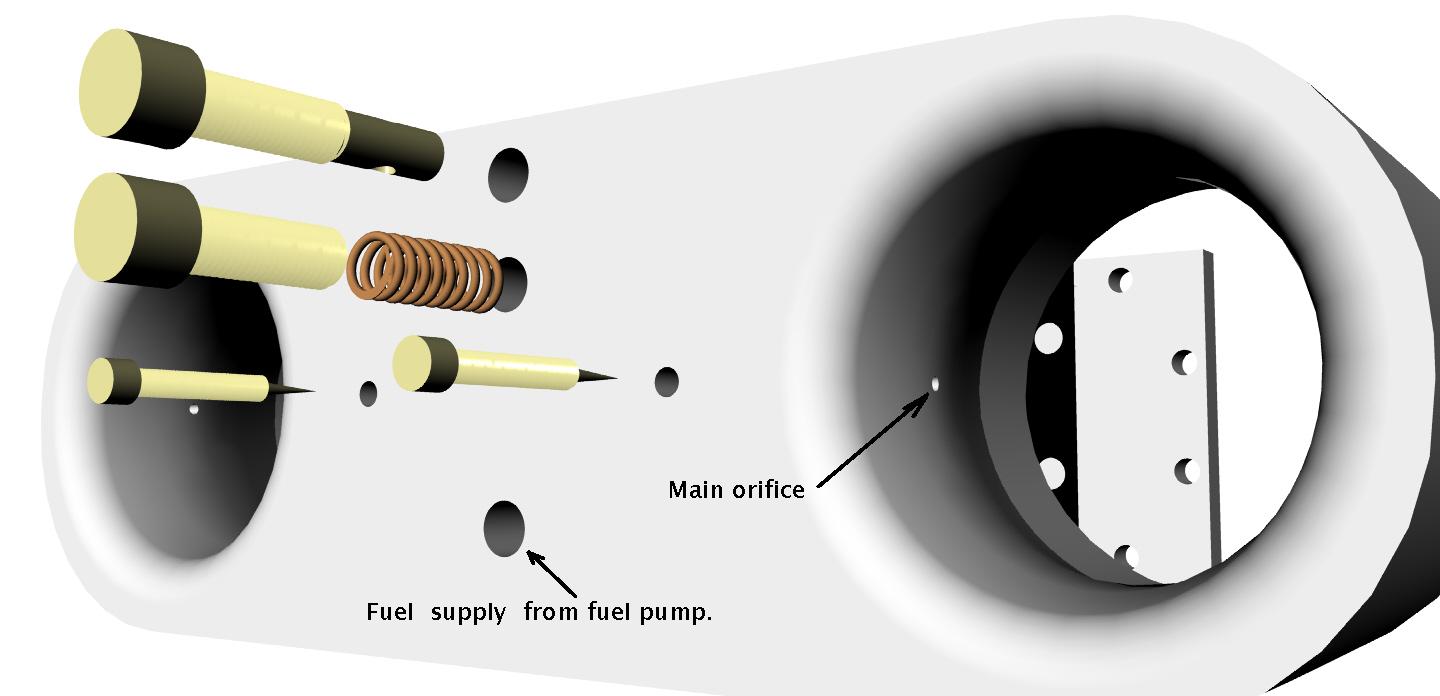
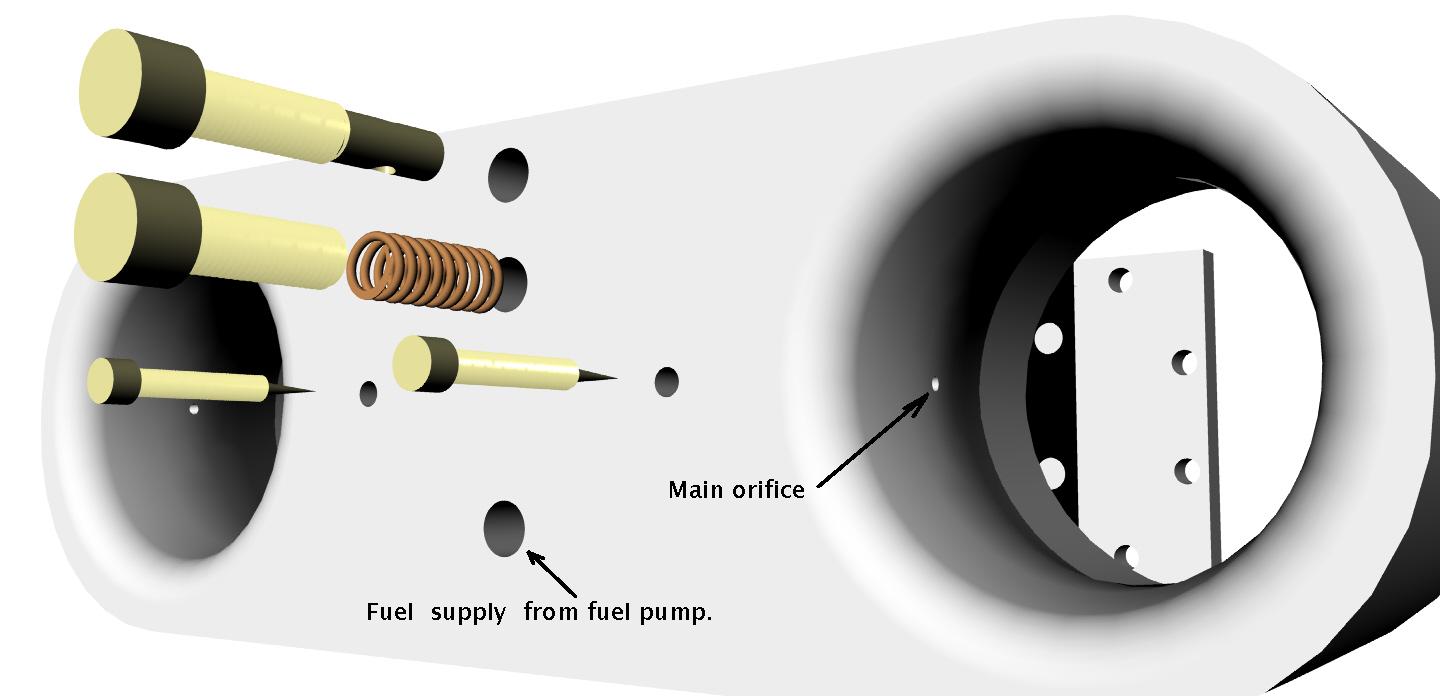
fuel pump body and strainer cover. The diaphragm carburetor incorporates
many of the same type components found in float type carburetor: choke,
throttle, idle and main mixture adjustment screws, idle speed screw and
inlet needle and seat.
Two styles of main and idle adjustment screws are available: "O" ring type
and spring loaded packing type. Both types are designed to perform the dual
purpose of sealing the metering chamber and providing adjustment screw
friction.
A special insert, housed in a brass cage, forms a seat for the inlet needle.
An inlet tension spring exerts a pre-determined force on the inlet control
lever, which holds the needle on its seat.
A metering diaphragm is subjected to engine suction on the metering chamber
side and atmospheric pressure on the vented side. Atmospheric pressure on
the vented side pushes the diaphragm toward the inlet control lever, opening
the inlet needle to allow fuel to enter the metering chamber, from which it
is then delivered into the mixing passages.
The vented side of the metering diaphragm may be vented either directly to
the atmosphere, or in the case of the balanced carburetor, may be balanced
(internally vented) to the choke bore. The balanced type can be recognised
by a brass tube in the choke bore which is connected internally to the
vented side of the diaphragm. The purpose of internal balance is to offset
the enriching or choking effect of a partially dirty air cleaner.
End of quote.
Paul Lamar ...No rotor no motor.
The Rotary Engine NewsLetter. Powered by Linux.
ACRE NL web site.
http://www.rotaryeng.net
Copyright 1998-2006 All world wide rights reserved.