> > Hey Paul,
> >
> > I heard a rumor that Buly is going to Lycoming..
> Is that true??
> >
> >
> > Matt-
> >
> > Yes. He could not deal with the EFI. I don't blame
> him.
> > For some one not trained in single chip
> microcomputer hardware
> > it is real tough to deal with. The vast majority
> of people have enough
> > trouble with just simple wiring like lights and
> starters.
> >
> > You just can't see them electrons :)
> >
> > Paul Lamar ...No rotor no motor.
> >
>
> I am one of those who found EFI intimidating but I
> always thought I
> would deal with it when the time came. However,
> there is almost a
> continuous thread of problems faced by other
> builders trying to get
> reliable performance out of the the electronic
> ignition and EFI
> which of course I have been reading for years. I
> can't exaggerate
> the relief I felt the when I decided to go to crank
> fired ignition
> and a carb. It was a matter of accepting my own
> limitations. Jerry
>
>
> Furthermore one is expected to solder 37 tiny wires
> on this
> connector. I would say 80% of the people on here
> don't have the eye sight,
> skill and manual dexterity required to do this let
> alone the electronic knowledge
> to trouble shoot such a system.
>
>
> I suggested years ago a simple printed circuit board
> adapter and screw
> type connectors but the idea was rejected out of
> hand.
> --
> Paul Lamar ...No rotor no motor.
NO, NO NO! Soldering is out as far as the connectors
for the computers goes- you will not get the
consistant results that you need for reliable wiring.
I was lucky enough to have Richard Martin show me the
sub-D crimp style connectors. The crimpers make
absolutely consistant connections with the pins, which
you then insert into the connector body. If you put a
pin in the wrong hole, you can take the removal tool,
remove it and then put it in the right place. I would
not have tried to do my wiring with the solder type
pins. The connectors and gold plated pins, both female
and male are available from one electronics store here
in Seattle, but I am sure they are widely available.
As far as the crimping tool goes, I think it costs
about ~$100, but I got mine at Boeing Surplus for
about $10, and then had to turn a die on a metal lathe
for the size pins I was crimping. Crimping is the only
way to go on the computer wiring.
Brian Trubee
I will agree that it takes some skill to do the soldered connectors,
but given that there is no problem getting a reliable connections with
soldered connectors. Some of the pins for Tracy's EC2 require more
than one wire on a pin, so some soldering is necessary anyway. It can
be done with crimp splices but they are more bulky and have to be
outside the connector shell. I make cables with crimp or solder
connectors depending on customer preferences.
The best place I've found to get the crimper is B&C.
http://www.bandcspecialty.com/ They sell the RCT-3 crimper for $40.
Another thing to watch out for, there are two kinds of crimp pins for D
connectors. The machined contact are preferable IMO. The crimper
should make a 4 point crimp on the pin. Pins and connector bodies from
different manufacturers may be interchangeable but I never do it.
Paul, I considered your PC board idea. I decided not to do it because
an EC2 design change could make all of the boards incompatible and it
would be more cost effective to make quite a few board at once. Once I
get my new web site finished, there will be a section with tips for
building the cables for anyone who wants to do it themselves. There
are a few trick that make it easier. Jon Sharp ran this engine last
year but replaced it with the mechanical fuel injection version.
BTW, I'm having web server issues. I'm moving the cable store to a
different server and things may get worse for a couple of weeks. I can
be reached at rlwhite AT comcast DOT net if all else fails.
Bob W.
--
N93BD - Rotary Powered BD-4 - http://www.bob-white.com
3.8 Hours Total Time and holding
Cables for your rotary installation - http://www.roblinphoto.com/shop/
Those screw type connectors should have been used on Tracy mother
board from the get go instead of that 37 pin D. Then it would have
been a simple matter for anybody to wire it. Of course that is only
one issue. Another issue is the mysterious nature of the computer program
and
the inability of anyone to read the source code and modify it or debug it.
When working on computer hardware problems having the source code for the
EFI program helps greatly to understand what is going on with the
hardware.
Exactly when the intake manifold pressure is sampled by the program is a
recent
example. I would have loved to have known this when debugging the slide
throttle.
That assumes the owner is knowledgeable on how computer programs work in
general
and why the program is doing what it is doing. This is too much to expect
of the
average person installing a rotary. Way more than they need to know when
installing a carb or mechanical fuel injection.
I was having this discussion with a Lycoming engineer today at Reno as I
was
looking at their new FADIC controller and their new EFI engine. He
admitted there
were no advantages in power or fuel burn but they were thinking of making
it available anyway as it was currently fashionable and in demand. He also
admitted the installation and maintenance cost would be much higher than
mechanical fuel injection.
Purely mechanical systems are all physically laid out so people can see
how and why they do what they do. If there is a problem it is obvious what
is causing it.
Paul Lamar ...No rotor no motor.
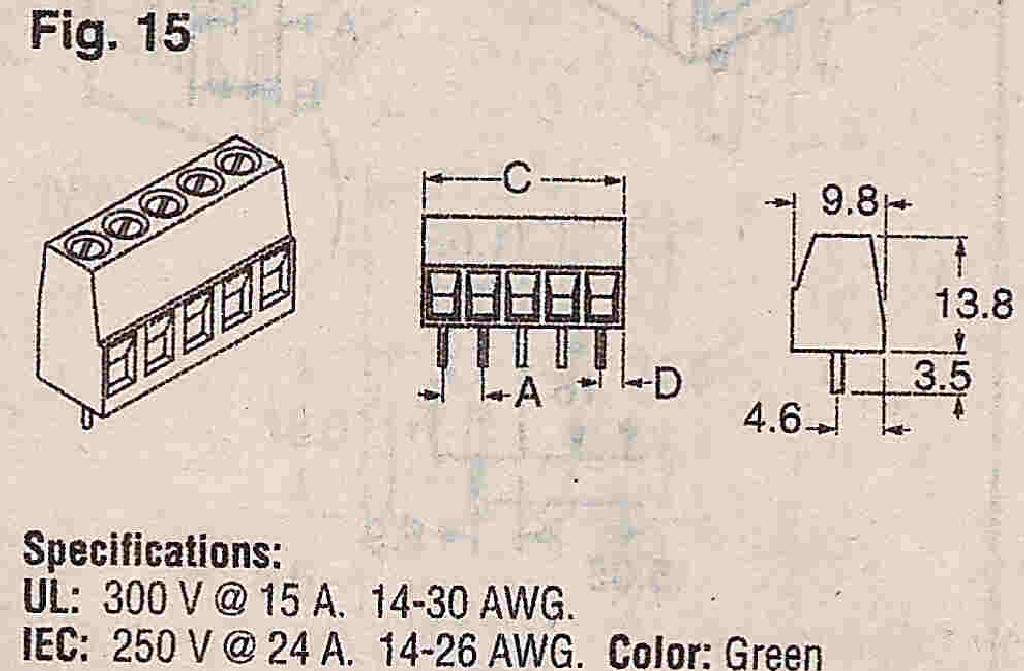
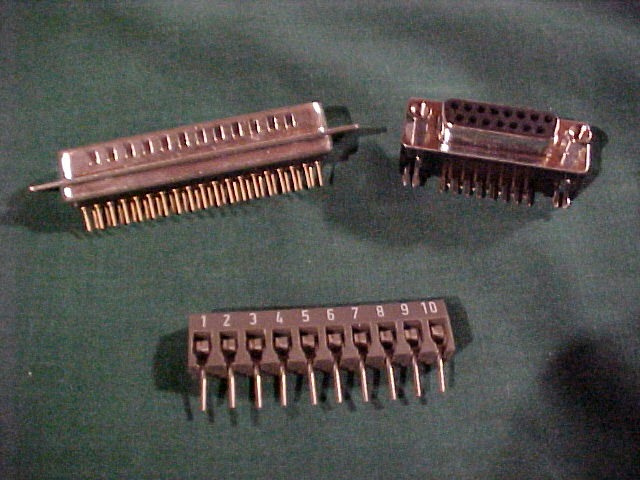
Paul, what exactly do you mean by screw type connectors? Do you mean a
Cannon type connector, ala Boeing and/or Mil Spec? I am actively working on
the super simple low pressure dribble fuel injection system, and this kind
of problem I don't need. :)
Incidentally, I agree that having enough information about the computer
program is very valuable to someone who is trying to get it to work. This
does not have to mean publishing the code, which could have a bunch of legal
problems for Tracy, or whomever developed the device & software. I plan on
making that kind of information available if and when I get the thing going.
I will offer a progress report if anyone is interested.
Doc Custer
Retired Software Engineer and sometime Audiologist
I am interested in the progress report Doc. You are on the right track Doc.
Keep it simple.
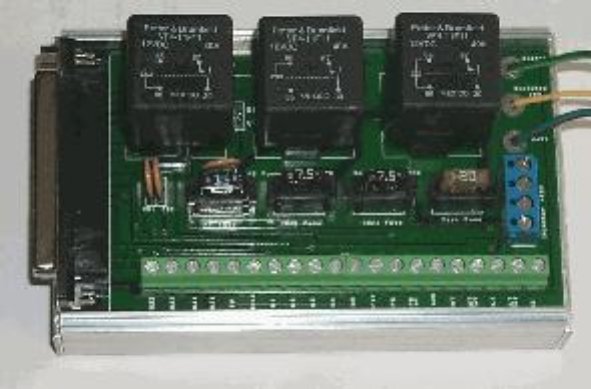
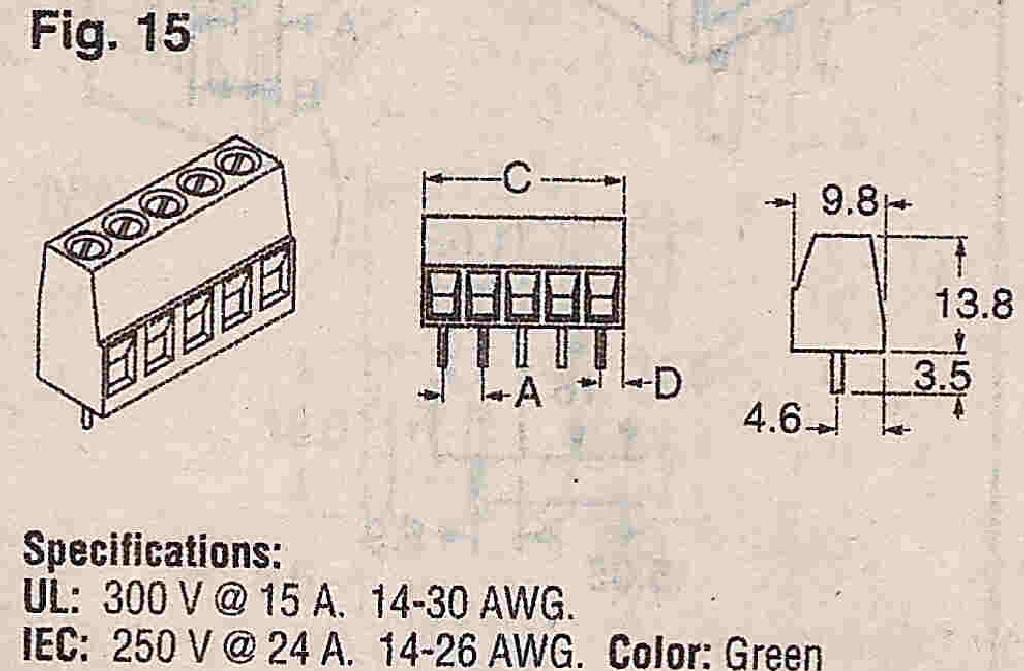
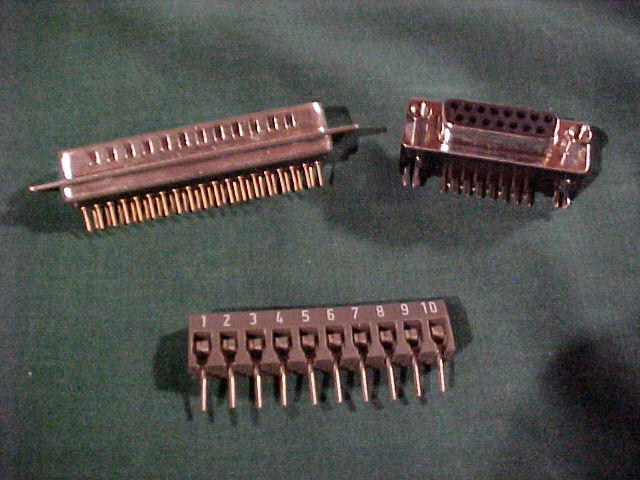
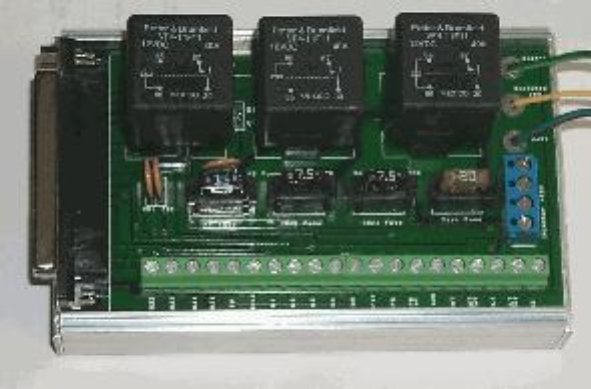
Here are some pictures of the type of connector I am talking about.
Paul Lamar ...No rotor no motor.
The Rotary Engine NewsLetter. Powered by Linux.
ACRE NL web site.
http://www.rotaryeng.net
Copyright 1998-2006 All world wide rights reserved.