Paul,
What's this? I'm planning to go to Flabob tomorrow--it's Chapter One Open
House.
Another subject--I just received my September Sport Aviation and there was
a
thing about Rotamax. I've never heard of them but I checked their
website:
www.rotamax.net
There is a bunch of interesting stuff here. Apparently, they're working
on
three and four rotor variants. They are based in Ohio and the engines are
almost all aluminum. I think they are the same displacement as the Mazda
and the website says that they use Mazda seals. Have you checked these
guys
out?
Steve Brazil
Steve,
A -It doesn't say what those coating are !
B- most coatings fail because of the soft aluminum substrate!
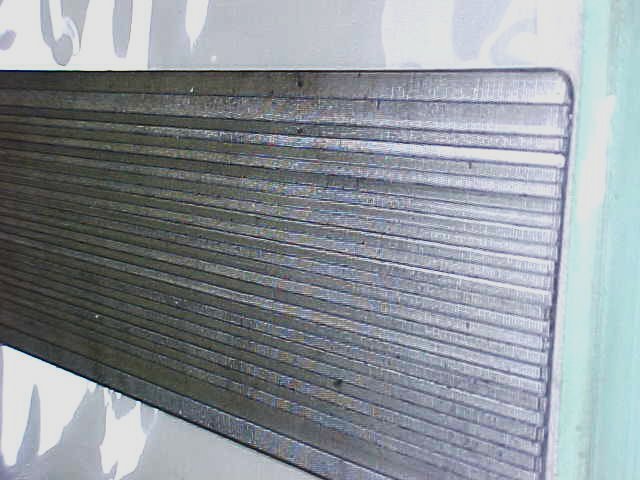
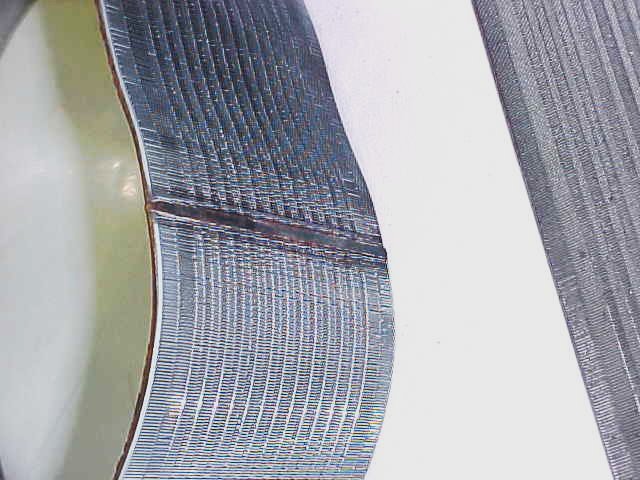
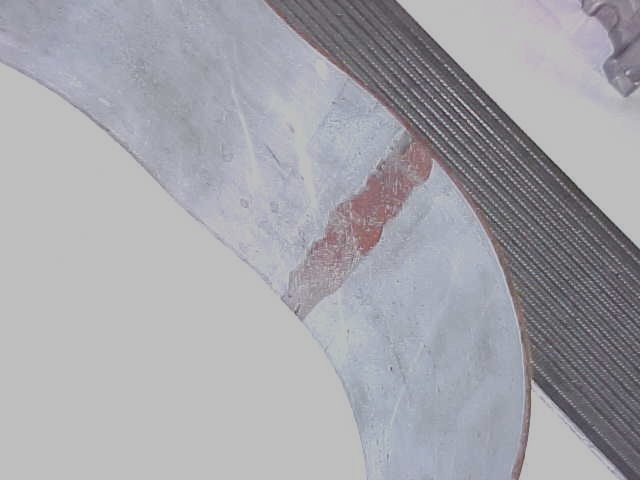
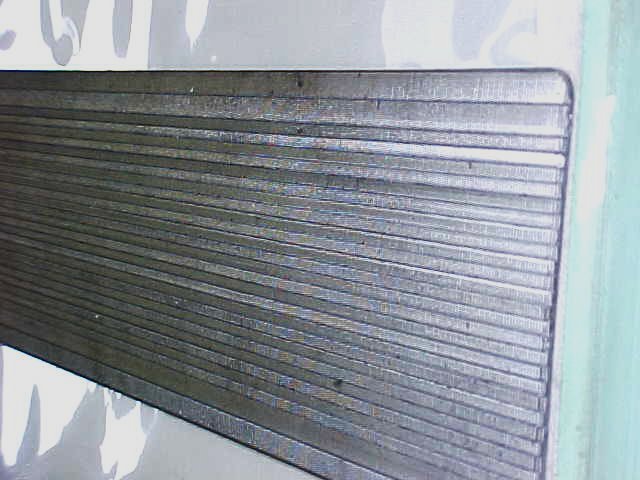
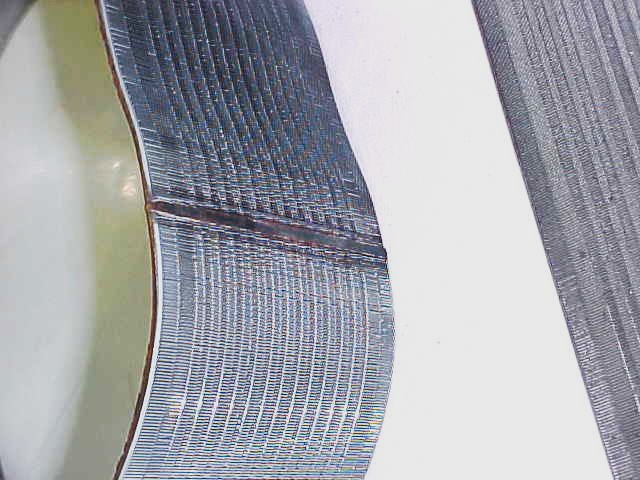
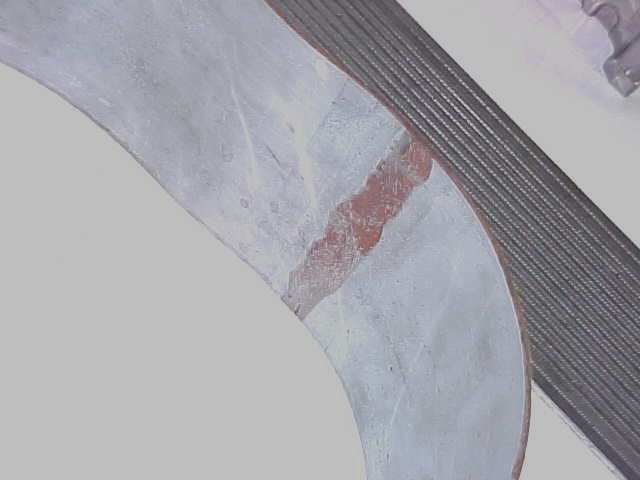
You will notice the wear mark from the corner seals, which dig into the end
housings. I assumer they wear aggressively because of the pressure put on
them because of the flex in the e-shaft. This pressure to the end housings
would collapse the substrate and any slight movement would crack the surface
coatings, because their so thin and hard, and eventually tear away the
surface coatings, as you might see in worn rotor housings - but much sooner.
I believe Mistral has trailed many coating and found the substrate to fail.
Aluminum density is the primary factor and their looking for a much denser
aluminum. I believe Mistral is still testing different substrates as we
speak.
The most dense aluminums are rolled stock (6061 T6and higher) and would be
OK with a 'top-notch' surface coating, however the housings are injection
cast and not as dense. Most injection cast aluminums include silicon to
enhance flow - this may also reduce density.
The problem goes on and on.
If they don't tell you what it is- it is most likely not up to par!
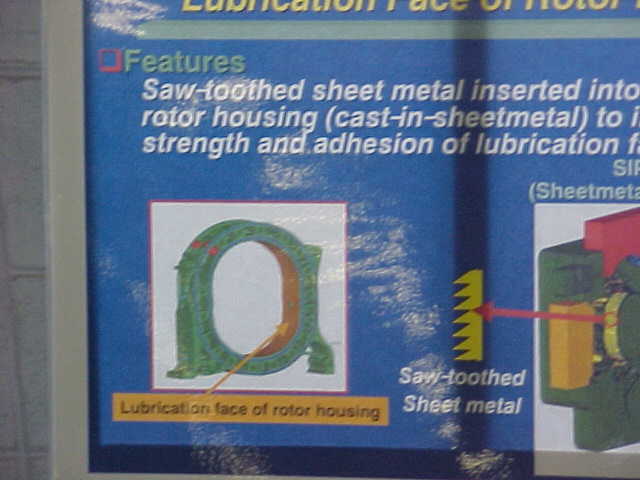
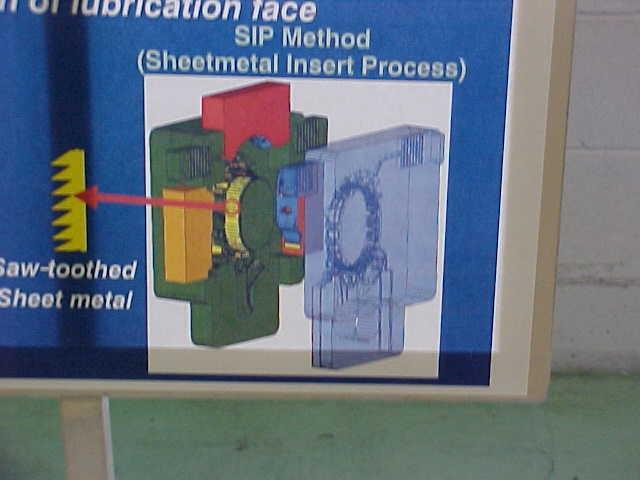
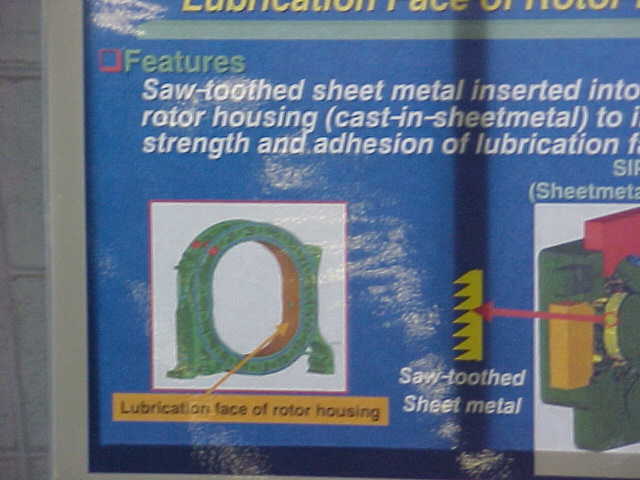
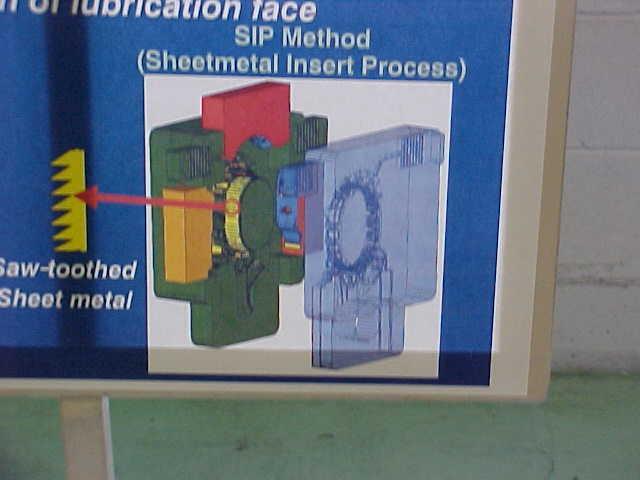
That's why Mazda went with the hard chromed steel liner for the rotor
housings and stayed with Cast Iron for the end housings. Cast Iron gives
good strength, good wear (better with surface treatment) and porosity to
hold oil, enhancing lubrication - just that it's heavy that's all!
George (down under)
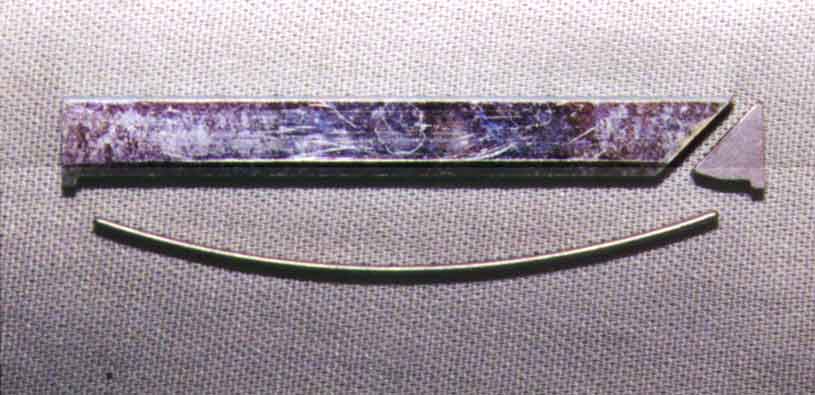
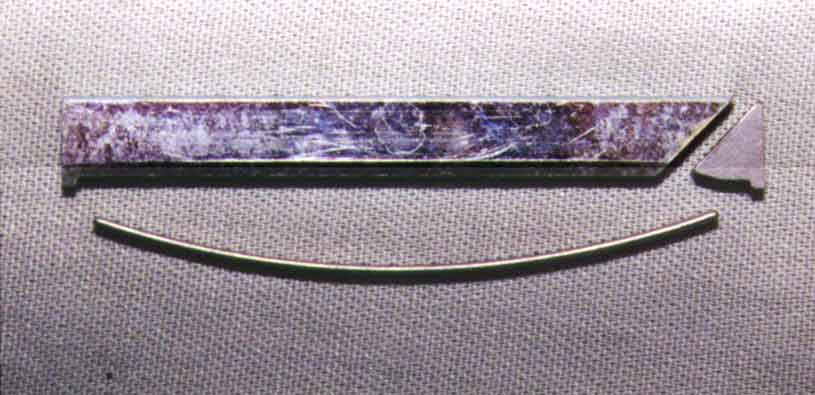
Most of what George is saying here is correct. It is not the flex of the
E-shaft that causes the grooves in the rotor housings and wear on the end
housings. It is the high force of the seal springs pushing on what amounts
to a small cutting tool.
The density of aluminum varies very little. The hardness is what varies.
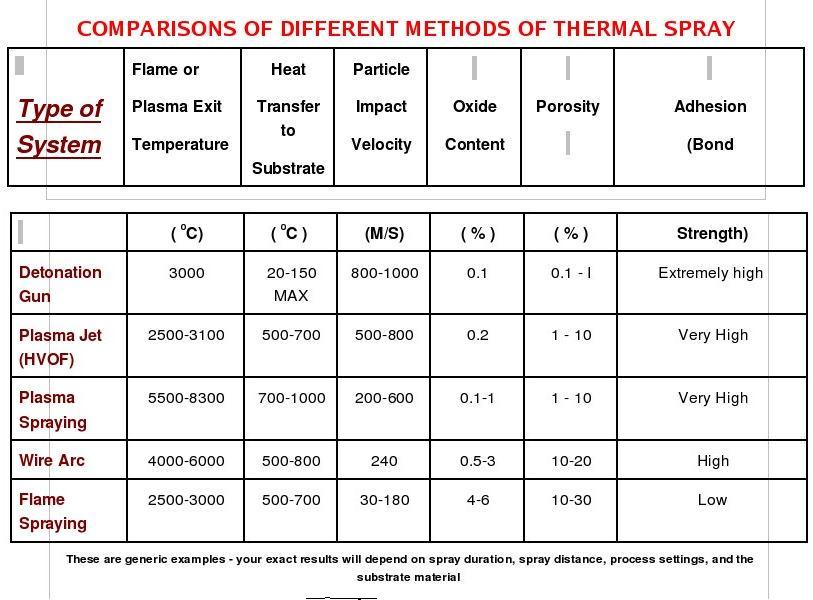
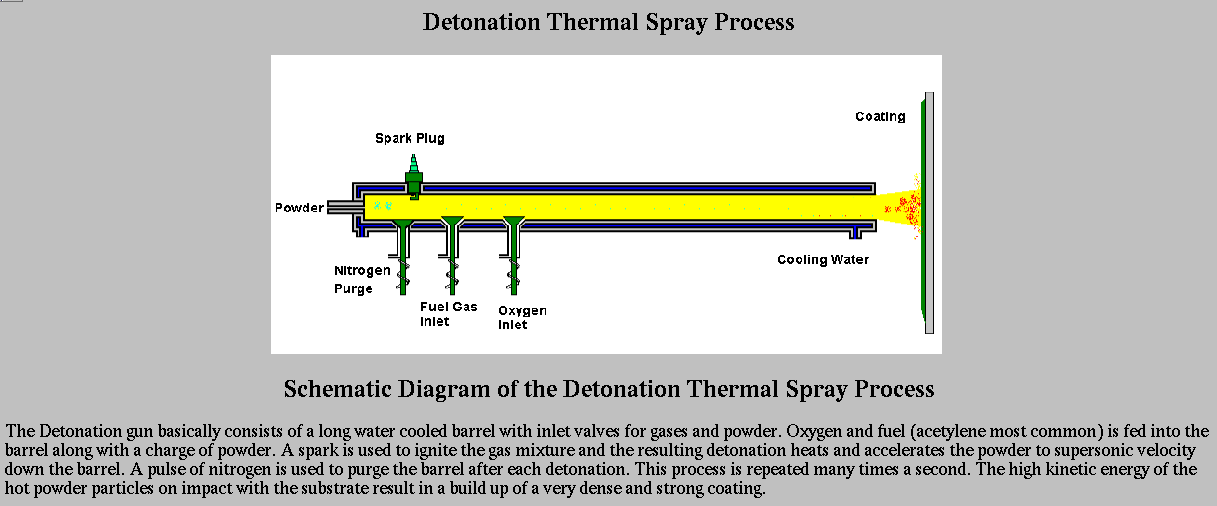
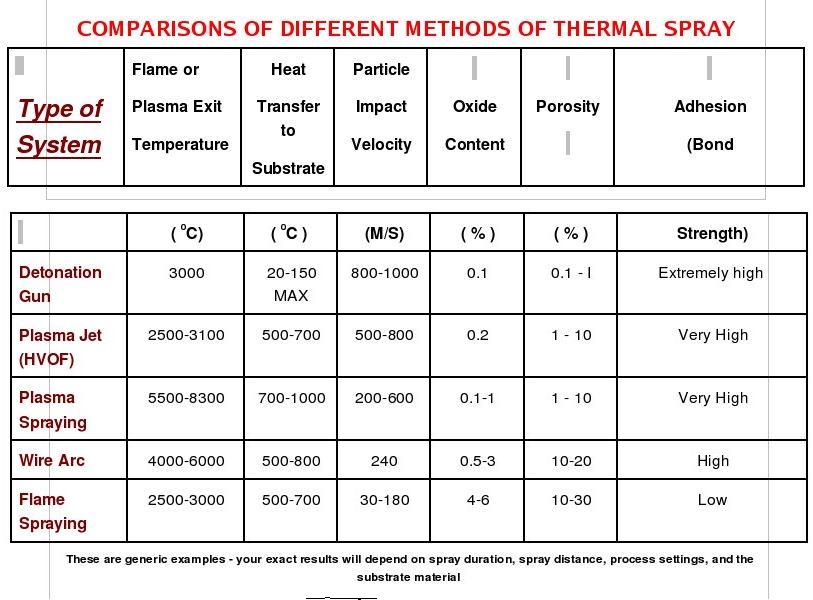
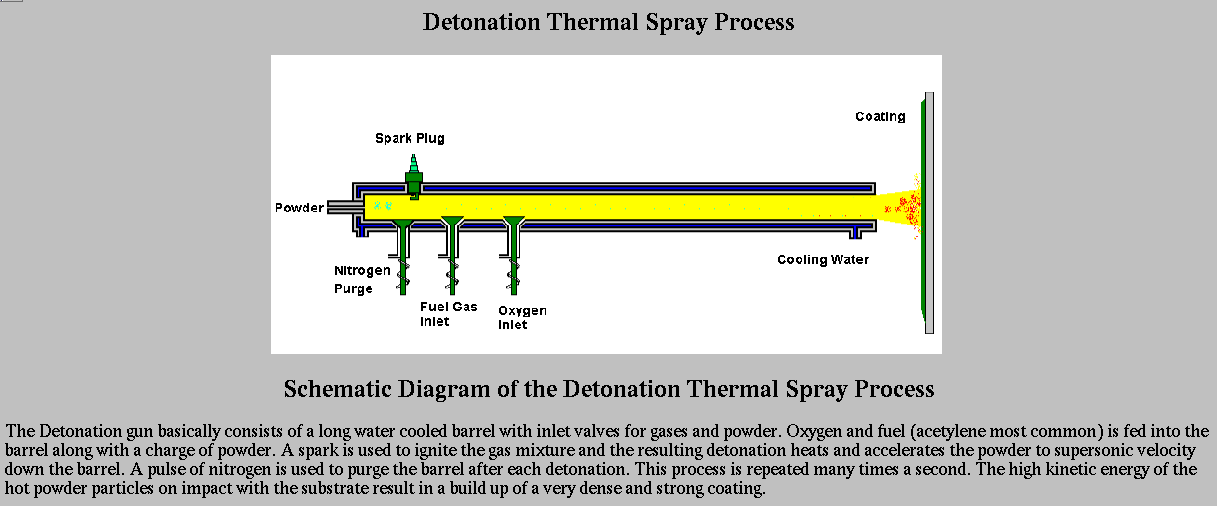
The only aluminum coating method that seems to work is detonation coating
where super hard silicon carbide particles are shot from a gun and embed
themselves in the aluminum. Then the surface must be diamond ground. A very
expensive process. Wankel Gmbh found this out the hard way and went belly up
after a few engines failed in the field. If I were doing it I would copy
Mazda exactly and go with the chrome plated hard steel liner.
Anything less than this is doomed to fail.
Paul Lamar
The Rotary Engine NewsLetter. Powered by Linux.
ACRE NL web site.
http://www.rotaryeng.net
Copyright 1998-2006 All world wide rights reserved.