There are surely tradeoffs in charge cooling, the advantages are no oil
cooling hardware, the VE goes up as load is applied due to the additional
Air fuel ratio passing thru the engine. The Charge cooled track and or
intake length increases the torque and flattens the torque in this engine
is
flat from 3000-8000RPM. The path naturally atomizes fuel due to the
passing
thru the rotor. Some of the above benefits are opinions and speculation
due
to the inherent differences in our engine compared to the Mazda and the
fact
that these above stated characteristics show a major difference in
performance characteristics out of a very similar sized engine
650cc/rotor.
I hope this provides you some answers.
Note: The engine loves cool air, full load, and alcohol as stated above
the
VE gets better as you introduce anything that cools the rotor and or the
intake charge.
Eric Barger
Eric,
Not knocking your product simply trying to understand and evaluate the
differences between your product and the Mazda.
Interesting point is that the passage through the rotor increases the
torque, or put another way, increases the tuning effect of the inlet
manifold or reduces the length needed of an external manifold. If I am
correct in interpreting your comments in regard to this, can you comment on
the internal length in question.
Also what sort of compression ration is in your engines?
Also I have had many a discussion with Mistral on aluminum side housings -
we all appreciate the weight savings, however what sort of surface
preparation do you use? My understanding is the substrate is the major
hurdle to overcome, it that if it fails any surface goes with it. The
solution is to build sufficient depth into the surface treatment to
establish density/ strength to support the surface.
George (down under)
George,
We don?t take any comments as knocking our product like any other mechanical
device we have advantages and disadvantages, and quite frankly we appreciate
input and comments from this forum.
We run 8:1 compression ratio originally it was 10:1 and that did nothing but
increase the charge temp and lower the torque.
Intake length is approximately 8" from injector to intake stroke. (This is a
rough guess knowing the engine dimensions)
Coatings a 6 month challenge and several engines later we have what we
consider to be a bullet proof coating combination. We don?t give the exact
coating information out although I can comment and say it is plasma sprayed,
is ground and lapped to finish at .010 thick.
Coatings, seals, and the manufacturing process to get to a production ready
engine is more of a hurdle than anyone can appreciate until they have went
thru it. Rotary engines are simple and have minimal parts that is a good
thing if it were an IC engine we would have never made it this far as with
minimal parts you can focus your team in on each and every part or process
that needs attention and enough of that persistence then produces what we
are proud to call our GEN II engine. We are very excited here to be at a
point where we can get engines out in various applications for third party
testing and acceptance.
Again I appreciate the input and especially areas as Paul has shared from
previous rotary attempts and or hurdles, because at the end of the day we do
not want to learn the hard way if someone else has learnt and is willing to
share the results.
Eric Barger
The people I have talked to that have built successful all aluminum rotary
engines swear the only thing that works well is silicon carbide detonation gun coatings
diamond ground. This is expensive. It is what Mazda used on the Lemans four rotor.
Many have tried other things and have failed.
The issue is the modulus of elasticity of the aluminum rotor housing wear
surface. There are two springs involved. The spring behind the apex seal and the
spring of the wear surface. Steel is three times stiffer than aluminum. That
is the main reason Mazda lines their rotor housings with chrome plated
steel. Chatter is the penalty for failure.
The aluminum foundry I deal with, American International in San Fernando
Calif., claim they can cast in steel liners no problem. I have been there
and seen dozens of casting with cast in steel parts. If it were me I would copy Mazda
exactly with the steel liners. Way cheaper than detonation coated diamond ground
aluminum.
Wankel Germany went belly up when some of the Nicasil wear coatings on
aluminum started to flake off. There is no real way to control the quality.
Mazda has built 2 million engines and spent millions on R&D on this subject
alone. Don't fool around. Copy exactly.
Paul Lamar ...No rotor no motor.
Paul,
Thanks again you are right we have used the process that was part of the
engine program when we started and merely found the right material. We have
also looked into and talked to the foundries that do steel insert to
aluminum type castings. This is the long term plan as it takes the process
and time out of coating after receipt and machining of the housings. Do you
have any data on what side housing material should be cast in or can be used
in this recommended process? We have very stable and good coatings for now
the only reason to look outside of this is process time and cost as you
stated. Also the materials used in the process are very subject to
surcharges and market fluctuations.
Eric Barger
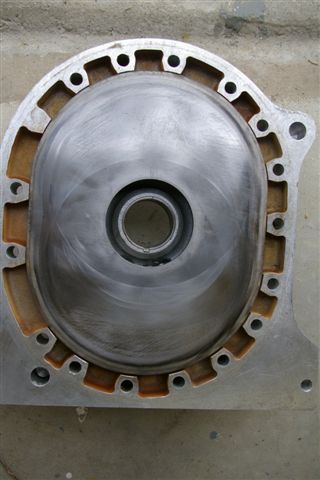
No real solution on the end housings as Mazda simply uses nitrided cast iron.
End housings are less of a problem as the seal leaning angle and G forces are
constant. We have had a bunch of ideas however over the last ten years that
you are free to experiment with and use if you so desire. A two piece pre hardened
thin steel sheet metal is the best similar to what Mazda does on the rotor housings.
End housing run cooler so heat sink grease can be used to transfer the heat from
the steel to the aluminum if it is not cast together.
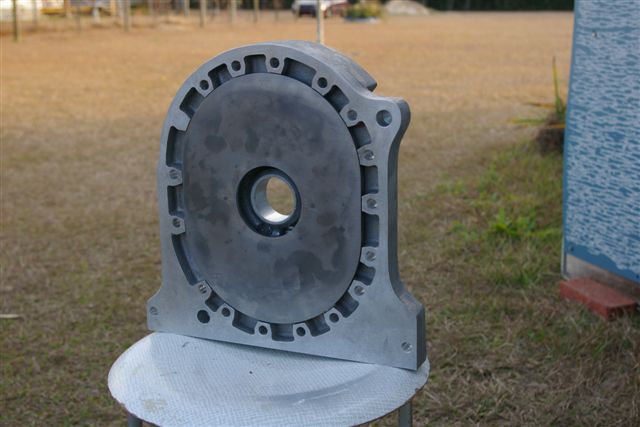
Richard Sohn has built successful engines with two piece end housings working out
of his own shop and is continuing to develop them. I'll send some picture of his
engines with the next message.
BTW the steel liner that Mazda uses is also hardened before inserting in the aluminum
mold.
Paul Lamar ...No rotor no motor.
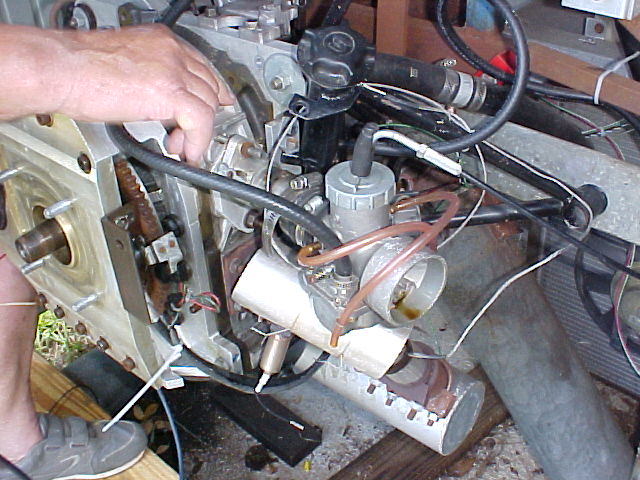
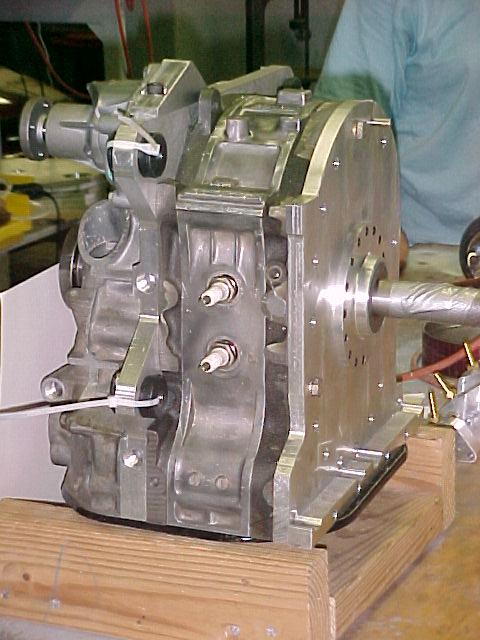
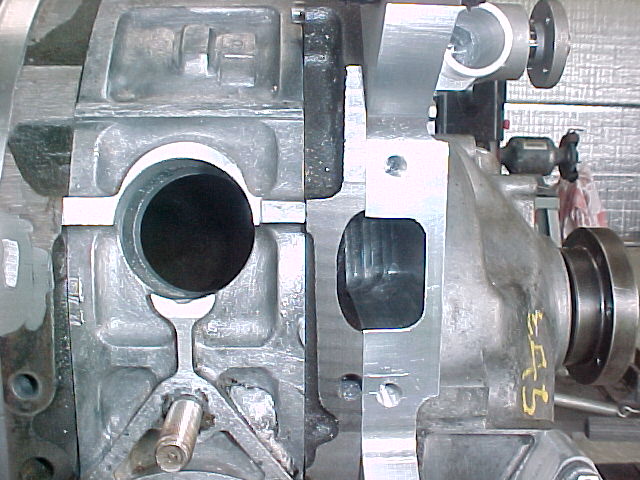
Here are a few pictures of what Richard Sohn is doing in this regard.
--
Paul Lamar ...No rotor no motor.
The Rotary Engine NewsLetter. Powered by Linux.
ACRE NL web site.
http://www.rotaryeng.net
Copyright 1998-2006 All world wide rights reserved.