The high power to weight ratio of the Mazda Wankel rotary engine and low fuel
consumption compared to a small turbo prop engine combined with carbon fiber
construction has made practical scaling down old vertical take off aircraft
designs that did not enter production in the 1960's. Certain very fortuitous
things happen when you are able to take off vertically. The first thing that
happens is; it is no longer necessary to have a lot of wing area to take off
and land. Wings are heavy as the bending load on the wing spar is high. A lot
of weight can be taken out of the wing as the span and wing area are limited
to only enough to keep the vehicle airborne at high speed. The cost of the
aircraft compared to conventional aircraft is reduced due to less raw material
required. Read carbon fiber.
This class of aircraft has a bright future. Man has dreamed of taking off from
his back yard and flying someplace at high speed for a long time. Tilt rotor VTOL
has made that dream come true. In my opinion the tilt rotor will replace the
helicopter and take some conventional aircraft sales. This will be due to a higher
cruise speed at a the same fuel burn. The helicopter will go the way of the Dodo
bird IMHO. It won't happen overnight of course. It will take many years.
No discussion on the controversial V22 tilt rotor would be complete without a
discussion on Vortex Ring State or VRS for short. A big deal has been made about
the V22 Osprey's 47 degree blade twist and how it affects the Vortex Ring State.
The V22 can roll over if one blade stalls and the opposite blade does not stall.
Special landing techniques have been devised to overcome the problem namely by
limiting the decent rate to 1000 FPM. We are not affected to the same extent as
the V22 is to VRS as we have only one rotor axis. However fixed blade twist
negatively affects the efficiency of the rotor in the vertical take off mode.
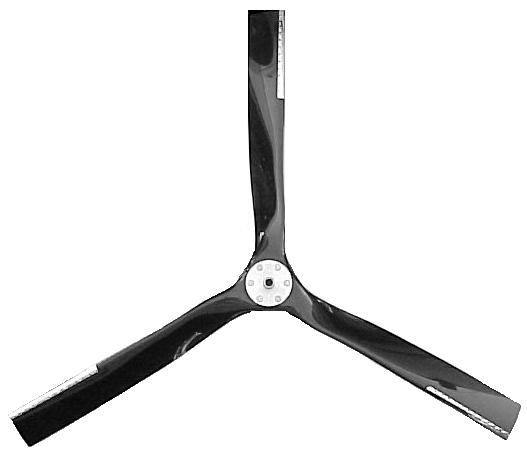
Unlike a helicopter, high blade twist is necessary in a tilt rotor to get good
propeller efficiency at high speed. This high twist can cause blade stall in
the vertical landing mode. I also suspect it affects the ability of the V22 to
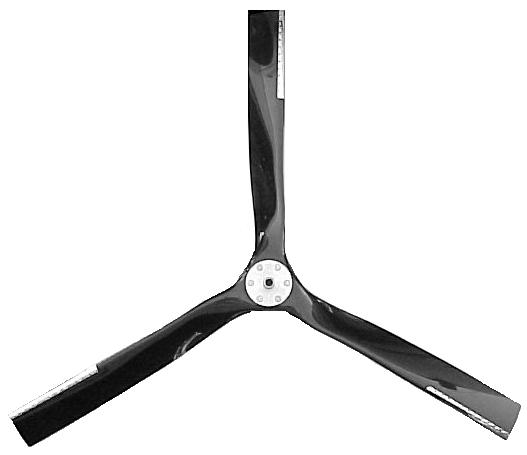
auto rotate. What the V22 Osprey critics don't realize is an off the shelf
variable twist propeller blade is already on the market and has been proved
to work. Namely the IVO. Thousands have been sold over the past ten years.
http://www.ivoprop.com/
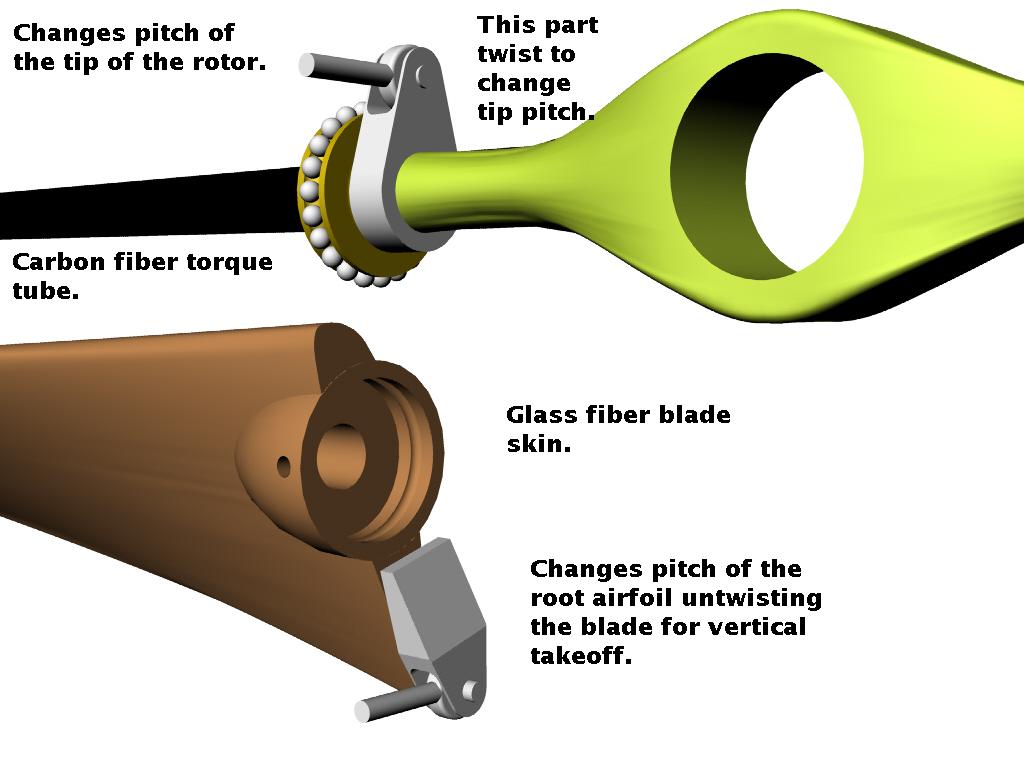
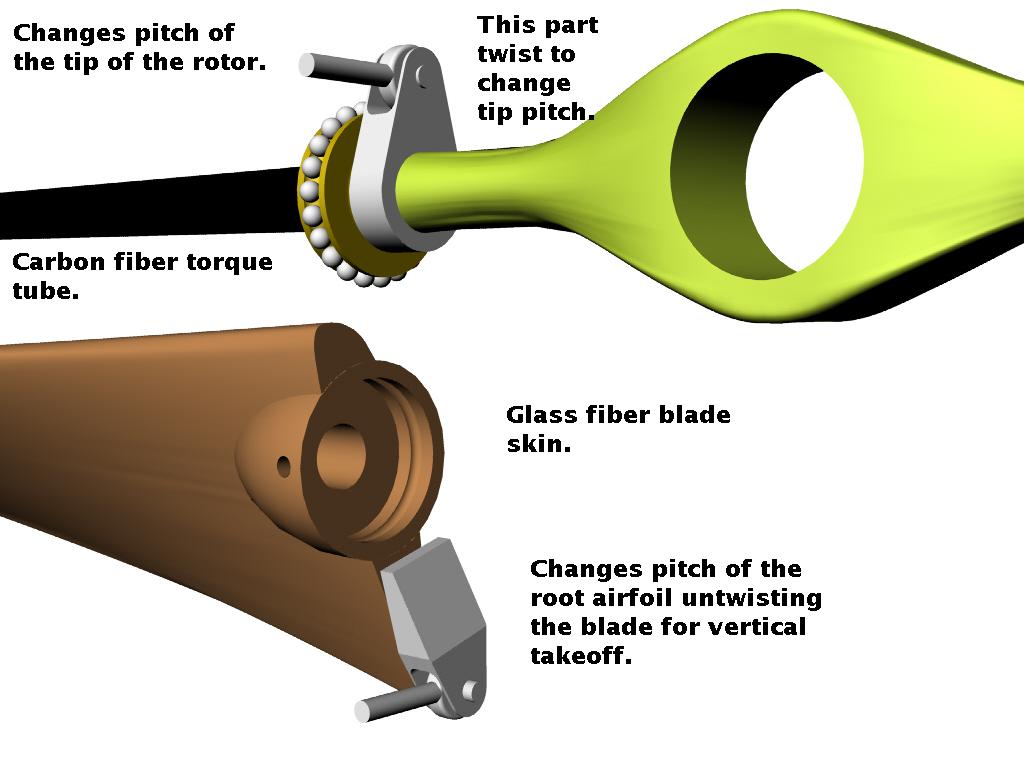
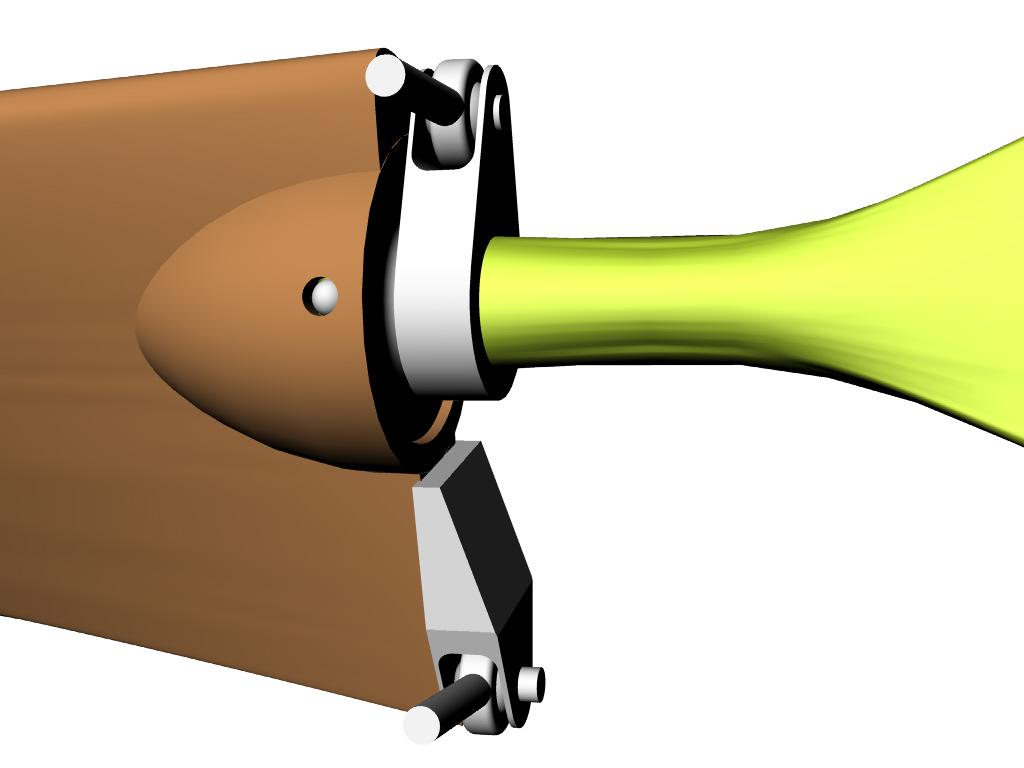
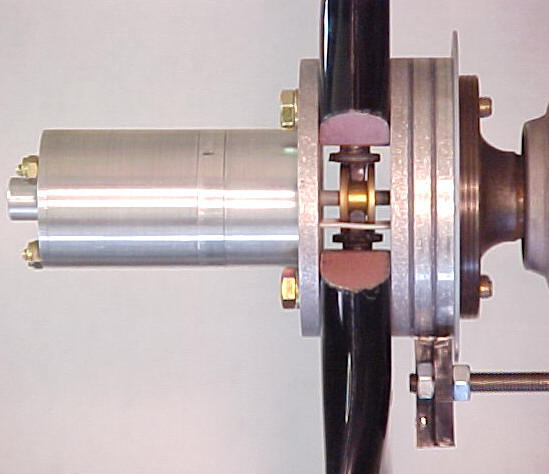
The tip of the rotor needs only change from about 30 degrees at 300 MPH to
10 degrees at takeoff. This is achieved by the stiff six foot long carbon
fiber torque tube.
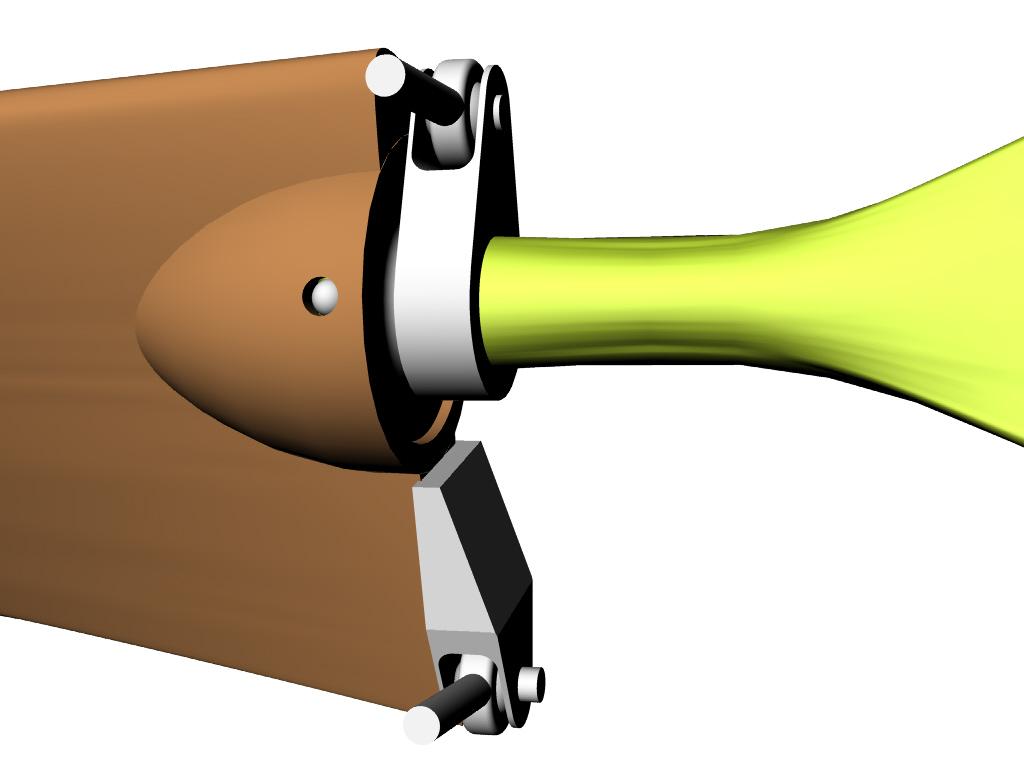
The root needs to change from about 70 degrees at 300 MPH to about 10 degrees
at takeoff. This amount of twisting is done over a rotor length of about six feet.
Glass fiber is used for the blade proper because it has a low modulus of elasticity
and twists easily. Glass fiber is used for the hub for the same reasons.
http://www.rotaryeng.net/VTOL.html
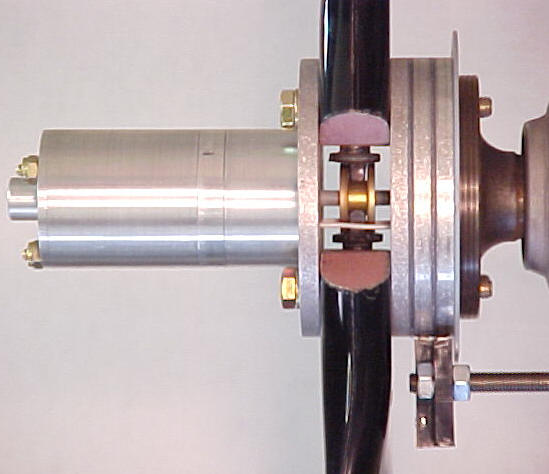
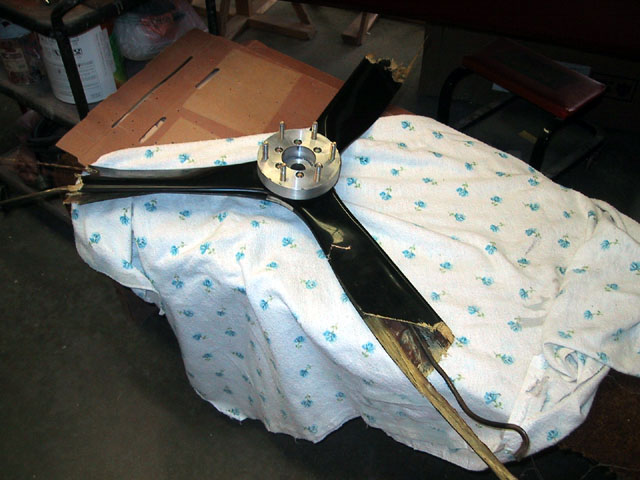
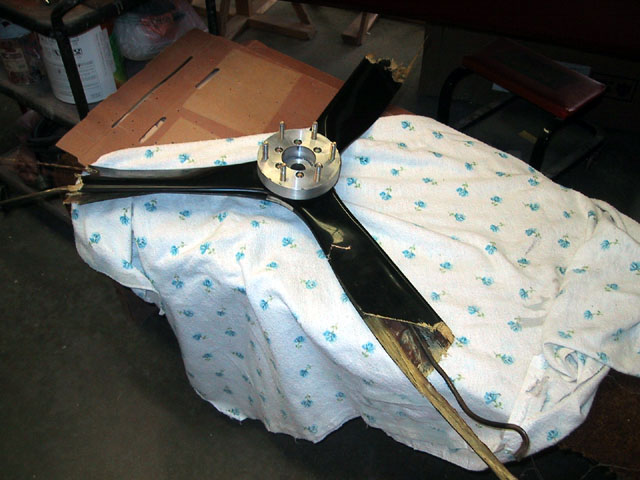
The picture of the damaged IVO has nothing to do with a prop failure.
It merely shows what the inside construction of the IVO looks like. It shows the
stiff 4130 steel torque tube. The crash was caused by something else.
Alex please pass this on to your buddy Ivo and set up a meeting for you and me.
--
Paul Lamar ...No rotor no motor.
The Rotary Engine NewsLetter. Powered by Linux.
ACRE NL web site.
http://www.rotaryeng.net
Copyright 1998-2006 All world wide rights reserved.