> > >
http://gizmodo.com/gadgets/fourstroke-action/micro-
> camera-shows-
> > the-workings-of-a-combustion-engine-309138.php
> > >
> > >
> > >
> > >
> > > Too bad we can?t put a camera on one chamber
> ourselves?..! Also
> > what> happened to the exhaust stroke?
> > >
> > > Marc W.
> >
> > Yes, you are right.
> > They show the exhaust valve from close to open but not the
> full > exhauststroke.
> > Perhaps it was felt there was nothing to see and the film
> jumps > back to
> > the beginning of the opening of the inlet valve on the right.
> >
> > Interesting nevertheless is to see that the incoming mix
> is a
> > vapor as
> > it is visible. The fuel is still in small droplets, its a
> mist or
> fog.
> > Shortly after and specially when the piston comes up the
> fuel has
> > turnedinto steam (fuel steam) and the fuel becomes invisible.
> > After the spark, there is a light blue flame but not very
> > pronounced in
> > the whole chamber. The burn through is very quick.
> >
> > After that, or at the same time, there is a reddish flame
> on the
> right
> > that is very limited in it size and shape but keeps on
> existing. > I wonder why or what that is? Perhaps the
> temperature is lower
> > there, or
> > these are some pollutants or not fully burned matter?
> > Does anyone know more about that?
> >
> > I also wonder if the there was a small 'flood light' used
> to make
> > it all
> > visible. Normally it would be pitch dark (all black) in there.
> >
> > Also of interest would be to see a diesel engine. There
> the fuel is
> > injected at high pressure and is immediately ignited and
> burned. > One could probably see how far into the chamber it
> will travel
> > before it
> > gets ignited. What would the colors be like?
> > Would there also be some reddish flames besides the main
> blue and
> > practically invisible flame as in the above gasoline engine?
> >
> > Regards
> > Rolf Pfeiffer
>
> Rolf, another interesting question is why the intake valve is
> turning? If you watch the whole vid, you'll see a white mark
> on it as it slowly
> rotates around.. in reality that valve is probably spining
> near the
> engine rpm..
>
> I'd suspect that we're seeing an injected engine w/ injectors
> which are right up close to the intake. If it had been
> carburated I'd think
> that it would have been more of a continous stream of intake
> vapors instead of the concentrated one that we do see.. However,
> if it had been carburated.. we'd probably have been less likely
> to have seen any vapors due to them evaporating more before
> arrival at the valve???
>
> Interesting vid none the less..
>
> Jarrett
>
>
> Vapor caused by local adiabatic cooling caused by the piston rapidly
> dropping - increasing the volume - and fuel?
>
> Piston engines use valve rotators - part of the retainer. I don't
> knowhow fast they normally turn the valve, and whether they
> explain what we
> are seeing...
>
>
> Regards,
>
> Matt-
Interesting Matt, I've never heard of a valve rotator before..
I've only ever seen valve retainers in smaller engines so
my experience level is some what limited in that area..
Jarrett
Google valve rotators. The first thing that came up was this:
http://64.78.42.182/sweethaven/MechTech/Automotive01/default.asp?unNum=2&lesNum=4&modNum=4
<http://64.78.42.182/sweethaven/MechTech/Automotive01/default.asp?unNum=2&lesNum=4&modNum=4>
I think only some aircraft engines have these, and even then, I think
only on the exhaust valve where the heat load is high.
Regards,
Matt-
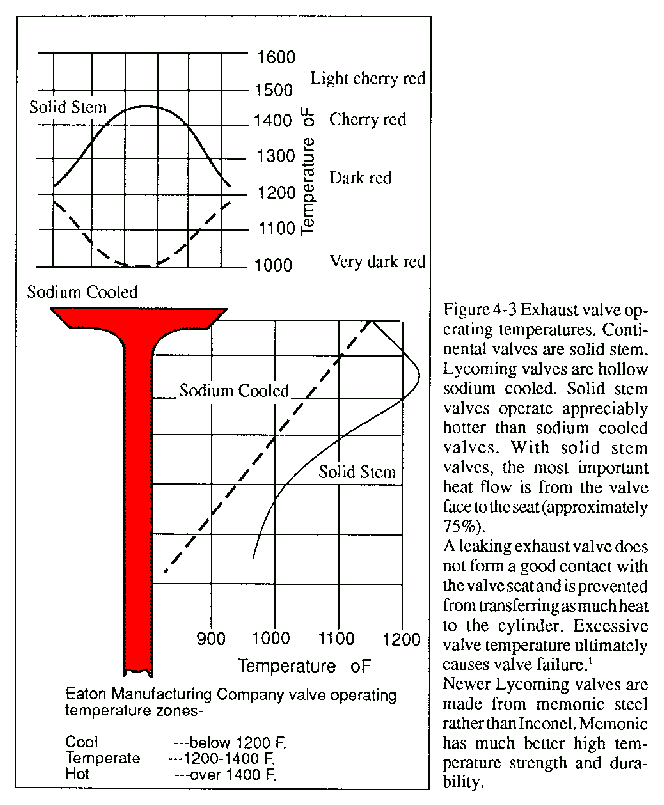
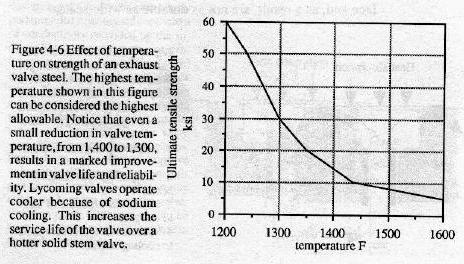
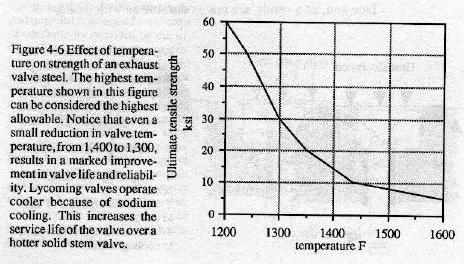
The heat load is always high on an aircraft engine exhaust valve.
They are just a few degrees away from failing.
Paul Lamar
The Rotary Engine NewsLetter. Powered by Linux.
ACRE NL web site.
http://www.rotaryeng.net
Copyright 1998-2007 All world wide rights reserved.