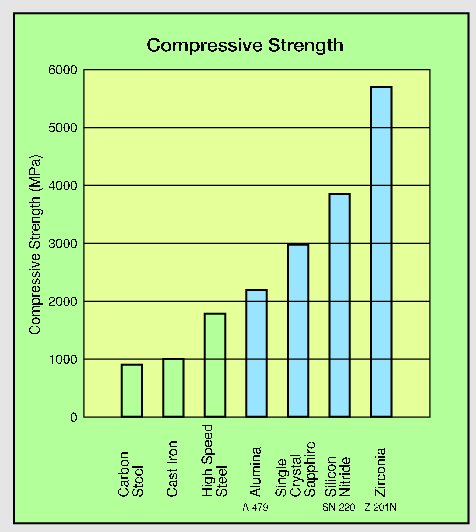
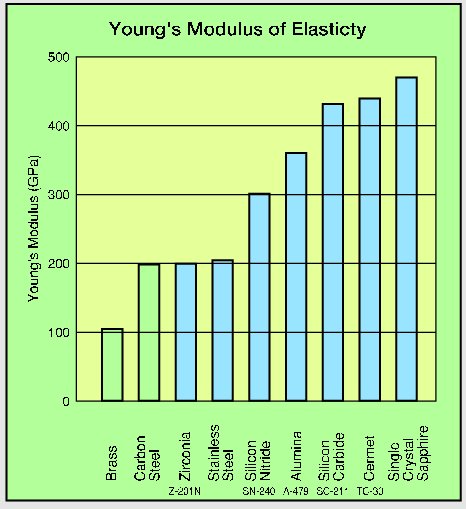
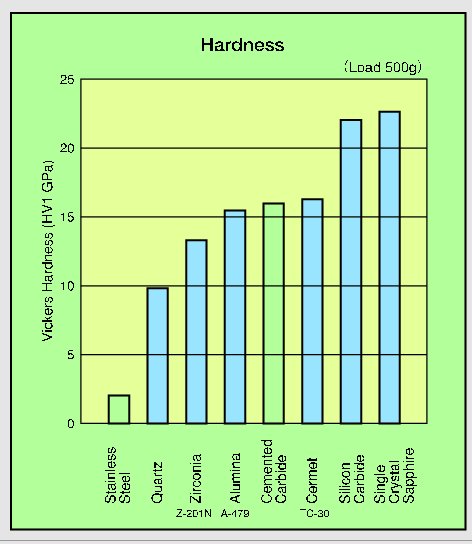
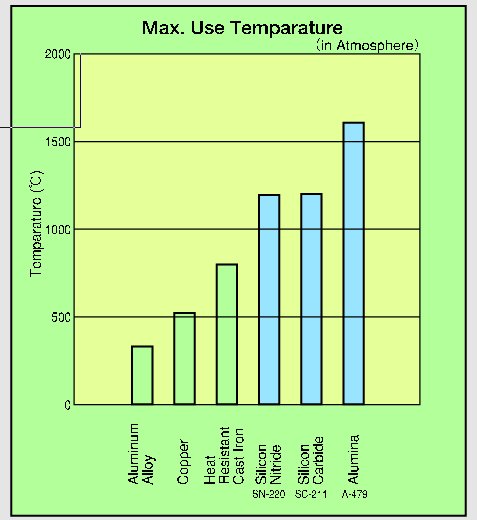
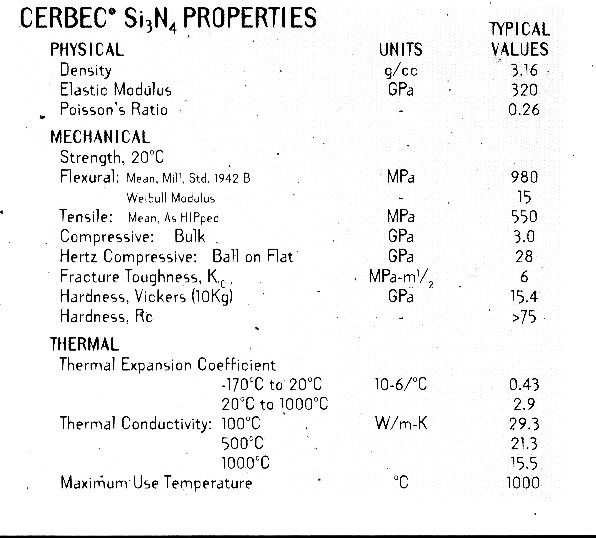
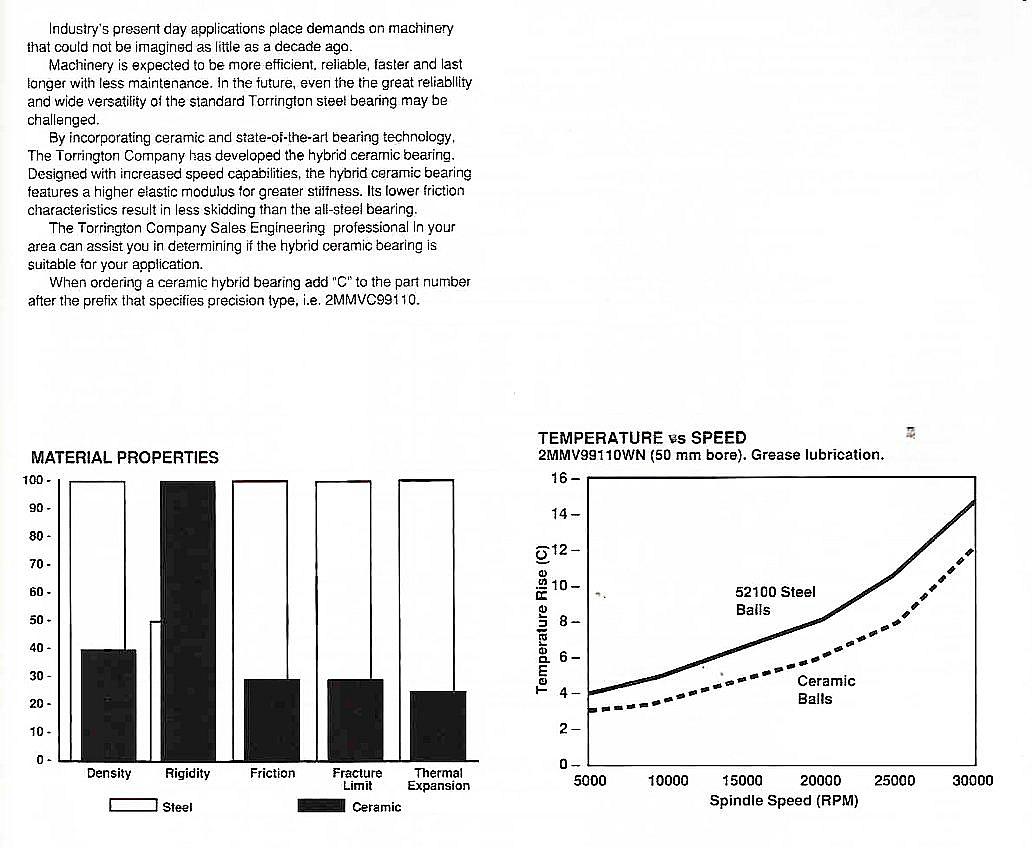
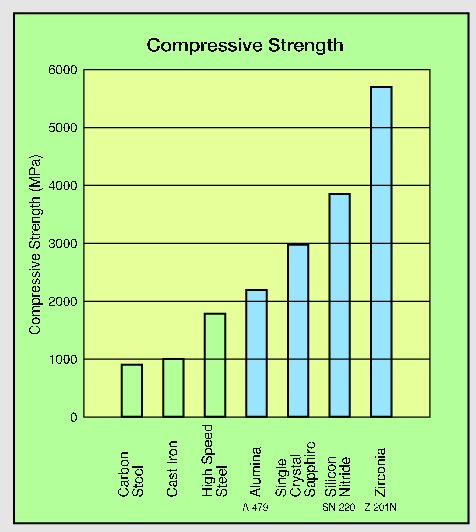
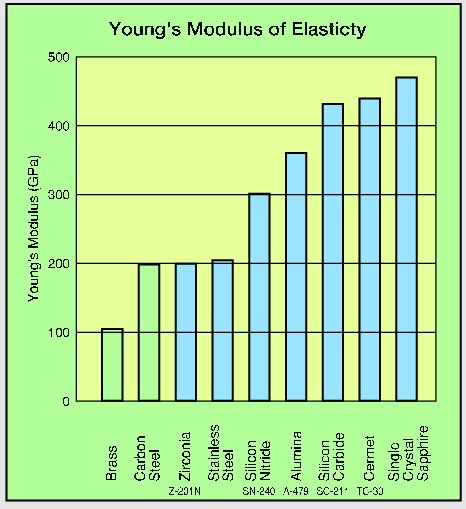
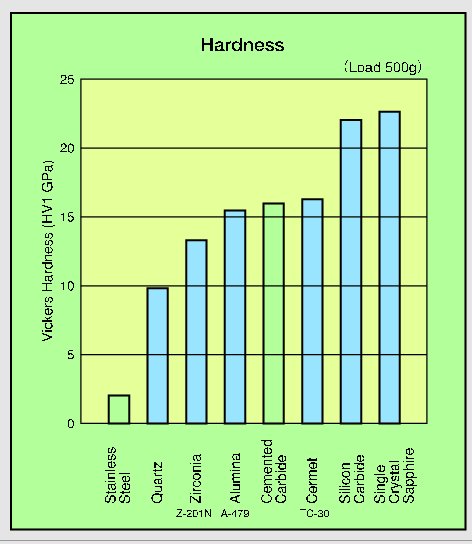
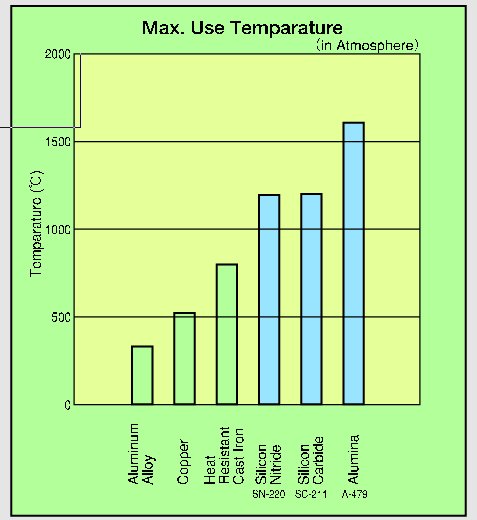
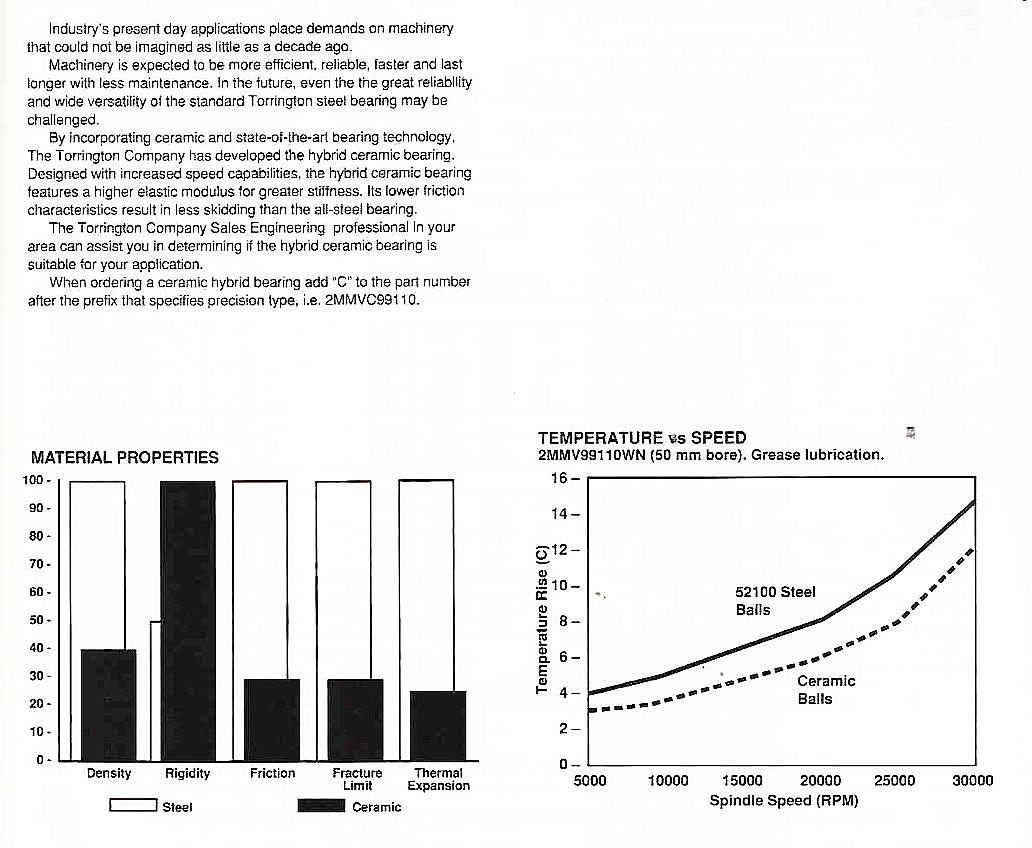
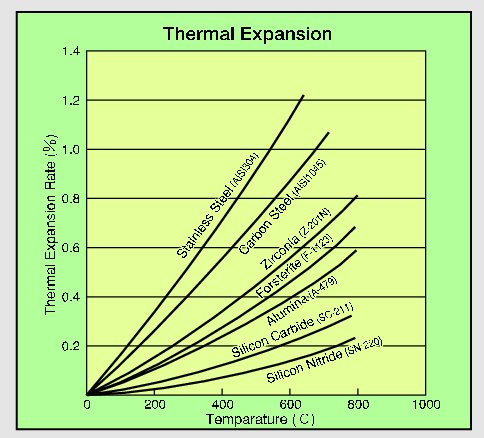
Perhaps what is also happening is silicon nitride ceramic roller
rotor bearings and
silicon nitride ceramic apex seals are being used so it is less
important to cool
the rotors. Ceramic roller bearings are less affected by high heat
than steel
bearings. Same goes for apex seals. Some of the reasons for oil
cooling the rotors
in the Mazda is to cool the rotor bearings and help cool the apex
seals. Most of
the apex seal cooling is now done by the injected apex seal oil in
the Mazda engine.
With less rotor cooling there is less waste cooling heat.
Paul Lamar ...No rotor no motor.
Paul,
Since the Mazda uses plain bearings anyway it would seem oil cooling
would be more of a natural solution. The first company that ever did the
pass-thru charge cooling, (to my knowledge anyway), was BSA. They had a
full road going prototype motorcycle shortly before going bankrupt. Some
people say that was the basis for the Norton rotary, others tell me that
it was an independent effort. Mazda was impressed enough with the BSA
effort to buy several of the new patents they filed. I often wondered if
a blended variant might work well. The idea would be to use air cooling
for the rotor, with the standard water for the housings. The rotors
could be considerably lighter that way. Just thinking out loud.
Bill Jepson
The Norton and Midwest, now Diamond, engines use air cooling.
It is not free however as it takes HP to drive the required
air pump.
Paul Lamar ...No rotor no motor.
Paul,
Something of interest on the BSA engine was that it didn't use a fan.
The engine used carbs which were drawn through first. The charge then
went between the rotors (2 rotor) and was drawn through the rotor tips
only by the induction vacuum. Then the charge was put into the
combustion chamber thru a P-port. Kind of a over, under, around and
through thing. Very unique at that time. They said preheating the charge
helped mileage, but that might have been hype.
Bill Jepson
-------------------------------------------------------------
As the second licensee (after Curtiss Wright) Sachs in
Schweinfurt/Germany began producing the 294 cc (which is 18 cu in)
rotary with charged-cooled rotor for several purposes in the Mid-1960s.
They sold a big quantity of those engines to USA and Canada for snow
mobiles. This snow mobile engine was the basis for the DKW and the early
BSA motorcycles. BSA switched over to Twin-Rotor 2 x 294 cc immediately.
With the crisis of the english motorcycle industry nearly all the
english companies came under one roof. So the early BSAs and later
Nortons are all the same. They have the gas flow through this big plenum
chamber in the motorcycle frame as described. The best time for Norton
rotaries was 1985..1995, when they build police-, sports- and touring
bikes. They were also very succesful in british motorcycle racing
(versus high tuned Japanese bikes) ? but had no money to compete in
international events. A very good overview of the early development is
in SAE paper 821068.
After Sachs stopped the rotary story in 1977 all the tooling machines
and the stuff went to Norton and a lot of the parts for 294 cc units
worldwide were produced at Norton. Two companies were splitted off from
Norton: UAV with engines for unmanned and military aircrafts and Mid
West (later Diamond) for commercial aircrafts. UAV pushed the 1-rotor up
to 60 HP! At a technical meeting such an engine found place in the bag
of its developer without a problem.
The Mid West engines have p-ports and a big fan for cooling the rotor
with fresh air. This improves cooling a lot, but gives the problem of
throwing out residuals of oil with that cooling air. In Karts always
running on the same short track this wasnīt a possible solution. So the
Aixro engines (made by Rothkranz) have that combined p-port/side port.
But it is said, that the engine should not run on the p-port for more
than 30 seconds ? no problem in Kart racing.
The story of that charge cooled 294 cc rotaries began in 1965 and isnīt
finished yet!
Reiner and the motorcycle Guys from Germany
Reiner,
Send me the dimensions on that rotor roller bearing and I will see
if I can find a silicon nitride version for you to try. Could be a break through.
--
Paul Lamar ...No rotor no motor.
The Rotary Engine NewsLetter. Powered by Linux.
ACRE NL web site.
http://www.rotaryeng.net
Copyright 1998-2007 All world wide rights reserved.