> Paul,
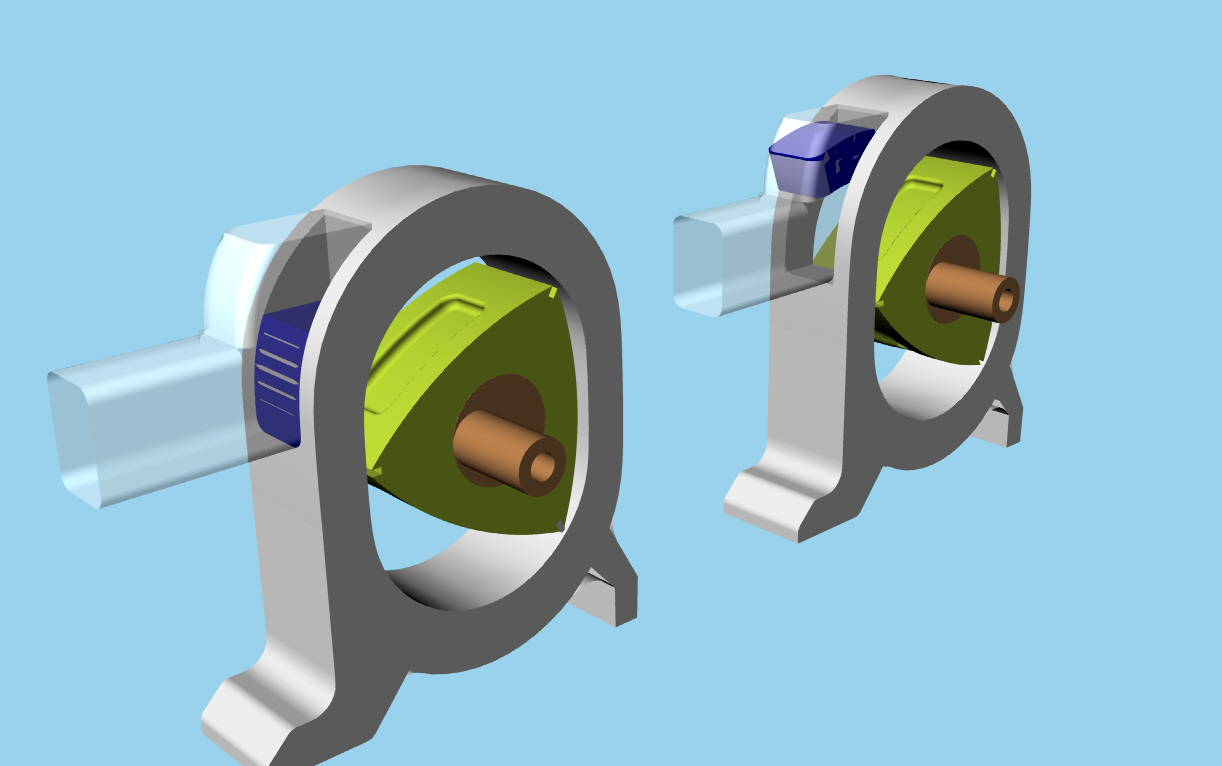
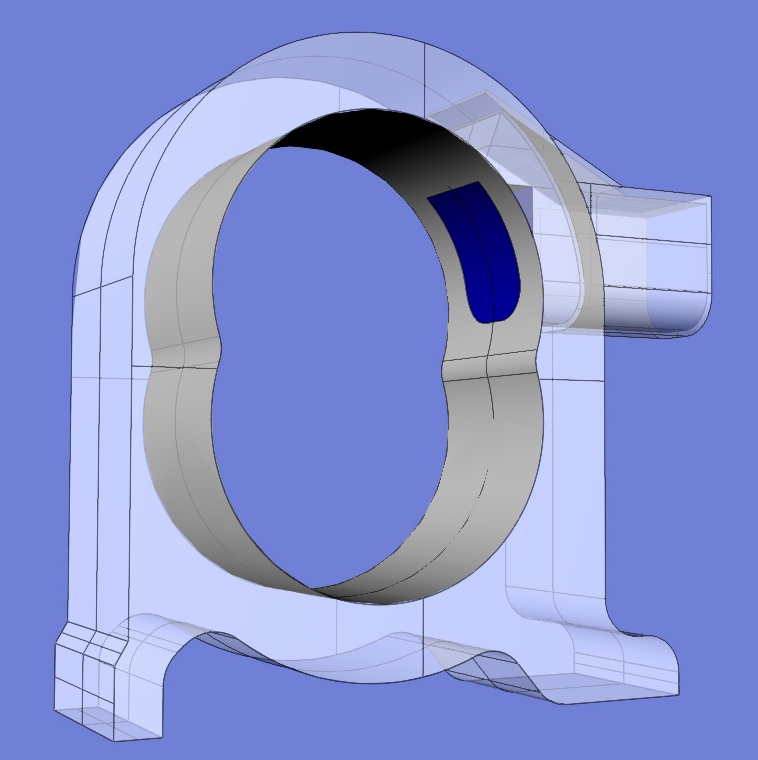
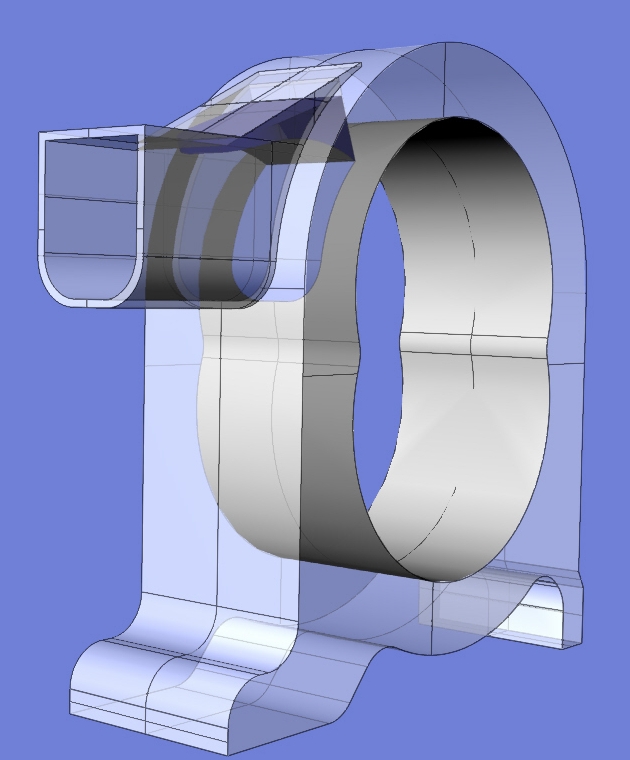
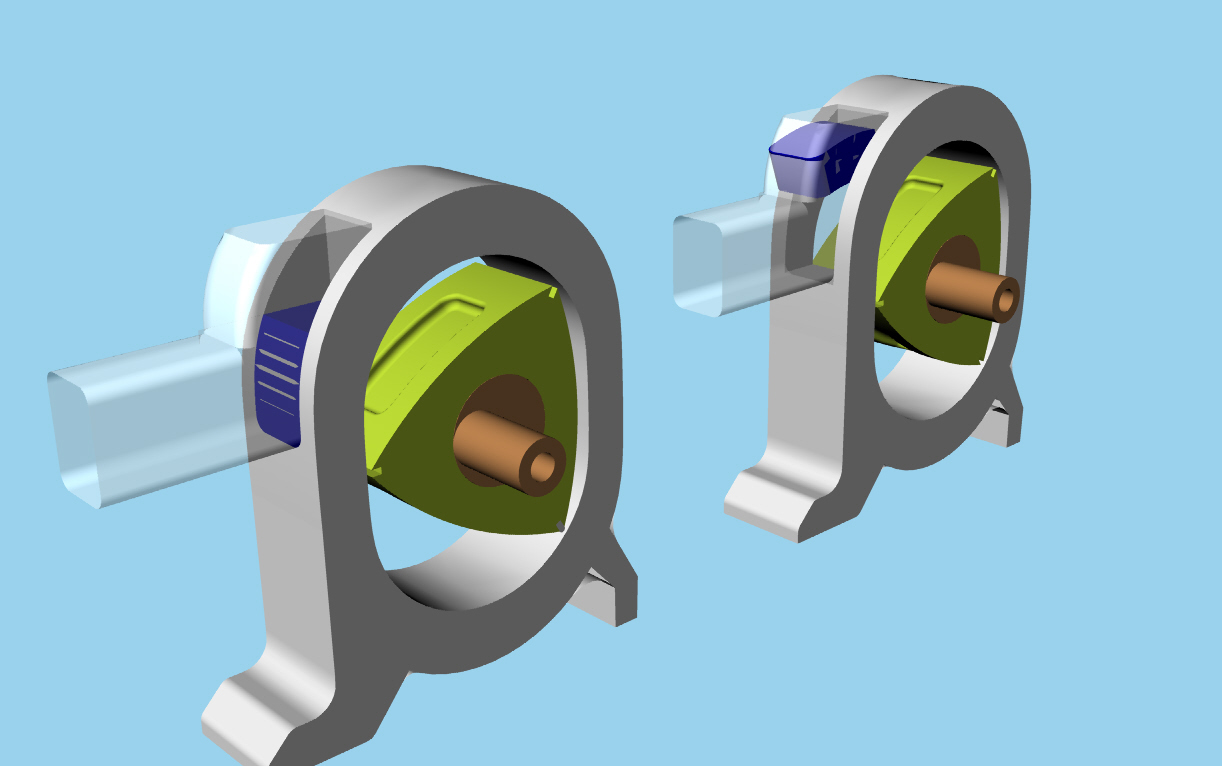
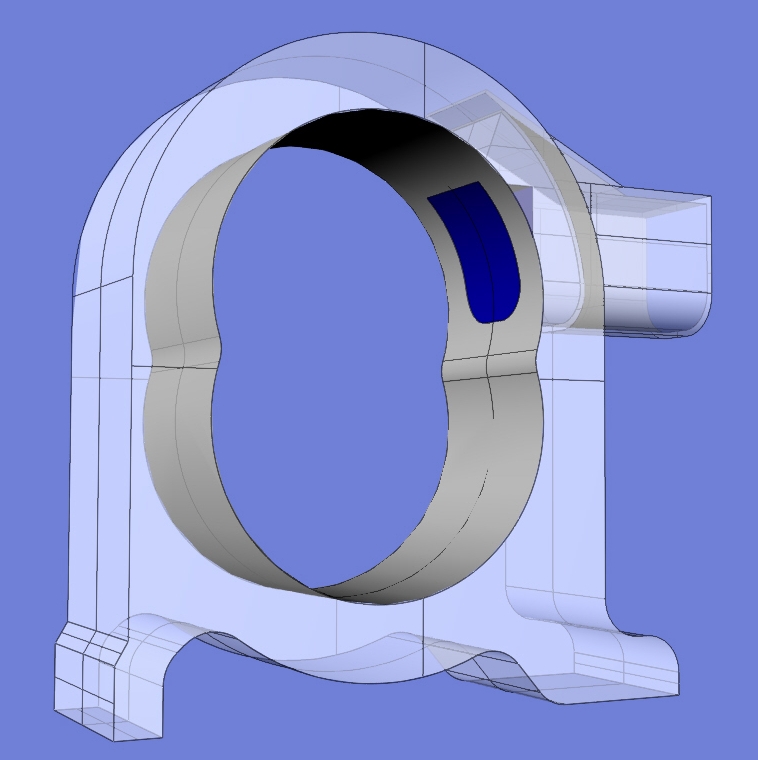
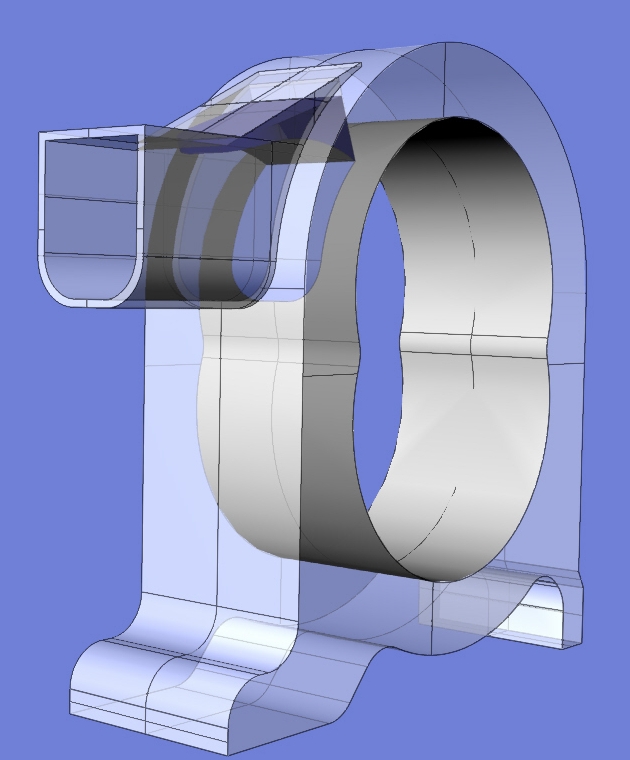
> I'm making my own slide carb (see attached) and the information
from some
> Aviation carb web site would indicate that a venturi isn't needed
- so I
> haven't included one. It probably be difficult with this design
anyway.
> I've
> made it from a couple of slabs of aluminum and as such you may
see some
> resemblance to the Aero Carb - for that reason.
>
>>From memory the carb your using is a 52mm but the restriction(
Venturi) is
> 46mm. This may be acting as more of a restrictor than you might
believe,
> although to my mind 46mm should be enough for your needs. I have
in my
> mind
> that the venturi will increase the signal ( velocity/ response) but
> produce
> a low pressure area which reduces the air density. If this is
correct it
> will be adversely affecting the VE.
>
> I was hoping for more HP from your trials, especially with the
Rx8 and
> it's
> higher compression ratio, I was expecting at least 250hp at 7,000
to 7,500
> RPM. The larger carb may or may not work as anticipated because
of the
> venturi factor. Most carb sites suggest an oversized carb don't
provide
> improvements and in many case give worse results, but may be
worth the
> trail
> for confirmation of that theory.
> George ( down under)
> Well the venturi must be smaller than the runners to work as a
mixture
> sensor
> for carburetors. EFI systems use MAP, throttle position, mass air
flow
> sensors
> and air temp sensor to controll the mixture. Therefore the
restriction of
> the
> venturi is not needed. In our RPM range the bigger the hole the
more the
> air.
> The more the air the more the HP. Also I might add the better the
BSFC
> assuming
> the mixture is closely controlled and leaned properly. You won't
get that
> with a carb.
>
> For power check out the latest down load from Dave Lemon at
Mazdatrix.
>
> Paul Lamar
Paul,
That's more like it - excellent results, so was it just the intake
length or
was there some jetting adjustments?
Those results confirm the possibility for a single rotor to achieve
125hp,
which puts my mind to rest. I didn't want to go to all the time
expense only
to achieve 100hp.
I figure it will only be a matter of time before your up to your
armpits in
the 16X developments. By the look at those Bridgeport inlet and
outlets,
there will be some serious breathing going on without the need for a
PP -
always the way isn't it!?
George (down under)
----------------------------------------------------------------------------
It all depends on what RPM you want the peak HP. The 22 inch length
runner would be fine
on the RX8 p-port for a 2.17:1 gear box. It is also as good as your
going to get at
only 6600 RPM or so. A bridge port is impractical for a street or
aircraft engine.
It will never breathe as well as a p-port. Air does not like to turn
corners
and is does not like to flow through a bunch of small tubes or
holes. That
may be necessary for a street car but not for an aircraft or out and
out
race car engine.
It will be a long time before the 16X happens. Also from a p-port
point of view
the 16X is not as good as an RX8 engine due to the 5 mm narrower rotors.
It will also have a lower RPM limit due to heaver rotors and higher
rotor bearing loads. What Mazda needs to do soon is put a high speed
paddle shifter in a six or seven speed RX8 transmission. Only a highly
skilled driver can get the most out of an RX8 as it is now.
Direct injection to evaporate the fuel and cool the rotors would
also work on an RX8 engine.
Paul Lamar ...No rotor no motor.
Is there any chance of developing a retrofit trap door p-port for an RX8?
Matt-
I would say none practical but one way of doing it is to use two rotor housings
to make one. Cut the hole in one and machine away most of the other
to form the door. Rather expensive.
--
Paul Lamar ...No rotor no motor.
The Rotary Engine NewsLetter. Powered by Linux.
ACRE NL web site.
http://www.rotaryeng.net
Copyright 1998-2007 All world wide rights reserved.