> >>> This looks great. Now all we need to do is find
> >>> out where we can buy them. I am working on that.
> >>>
> >>>
http://www.csfimports.com/home.asp
> >>> --
> >>> Paul Lamar ...No rotor no motor.
> >
> > I've been AFK for a few days, or would have come in on this sooner.
> >
> > Back in my misspent youth, I worked for a division of Chromalloy. We
> > made radiators, cores and custom heat exchangers -- for a while,
> we were
> > THE source for new exchangers for your P-51 or P-38, not to mention
> > radiators for various antique cars.
> >
> > Radiators are SIMPLE. They are just a way of bringing coolant and
> > airflow as close together as possible while still keeping them apart.
> >
> > They are primarily of two types: crossflow and vertical flow. The
> > advantage of vertical flow is that sediment and other solids
> falls down
> > into the bottom tank. The advantage of crossflow is that you can
> make a
> > radiator that goes all the way across the front of the car.
> >
> > There is a third type of common automotive heat exchanger, not
> generally
> > considered a radiator but that's what it is anyhow -- or, more
> > precisely, a radiator is just a subgroup of heat exchangers --
> and that
> > is commonly known as a "heater core."
> >
> > Yep, that's right, the forgotten little "radiator" under the dash. It
> > is just as strong as the big radiator that won't fit into your
> airplane,
> > and they are available in a bunch of sizes and configurations.
> >
> > Go find your friendly, neighborhood radiator shop, the kind that has
> > been there so long the wooden structure is starting to petrify.
> Take a
> > look at the book they order replacement cores from. They have
> long and
> > short, rectangular and square cores, even some which are
> essentially a
> > cube. The tanks and tubes go every which way, and if you can't find
> > exactly what you like, they can take a bare core and build it into
> > whatever you need, and probably supply the header tank as well.
> If you
> > get the guy interested in the project, he'll grab that ball and run,
> > because it's not just another Chevy!
> >
> > So have some idea what you are after, but still have an open mind
> when
> > you go see them, because they are the parts experts. The guy at the
> > auto shop counter only knows how to get the box the computer told
> him to
> > get, the radiator shop guy can tell you why the one from the '65
> Mustang
> > is better than the one from the '67 Mustang (or vice versa).
> >
> > Keith Wood
>
> Keith,
> What's the difference between a radiator core and an
> air-conditioning core.
> George (down under)
>
> George,
>
> The major difference is around 300 - 400 psi in the a/c core v.s.
> around 20 psi for a radiator. A/C cores are thicker walled round
> tubes to prevent them from distorting when subjected to the hgh
> pressures in the system. Radiator cores can use a rectangular tubes
> with thinner walls and will have more surface area per square inch
> of radiator surface, hence better heat transfer.
>
> Joel
This may have been discussed before, but being the new kid on the block,
I will bring it up again.
How about, instead of the fin-and-tube type radiator, use a surface
effect-type radiator? They could be mounted on the outside of the
airframe and the slipstream would cool the coolant running underneath.
We are not talking about taking the aircraft into combat, so we don't
have to worry about it being holed by AAA.
The only example of surface effect radiators that springs immediately to
mind is Brabham's F1 car of a few years ago, the BT46:
http://s12.photobucket.com/albums/a234/JacobPotts/Atom/Aerodynamics/?action=view¤t=BrabhamBT46002.jpg
<http://s12.photobucket.com/albums/a234/JacobPotts/Atom/Aerodynamics/?action=view¤t=BrabhamBT46002.jpg>
Yes, I know the BT46 is a POOR example, but that is because they
undersized the radiators, not because the radiators were, of themselves,
bad.
What do you think, not about the efficacy of the example, but the
efficacy of the idea: surface effect radiators?
Les Nordman :-)
They just don't work well. Most if not all aircraft designers have given
up on them in the late 1930's. The early P38s had an inter cooler built into
the leading edge of the wings. They eliminated that feature in later
P-38s. The problem is the boundary layer heats up and then the heat transfer
from the following surface is greatly diminished. The same effect is noticed
in thick radiators. The first half does 3/4 of the work.
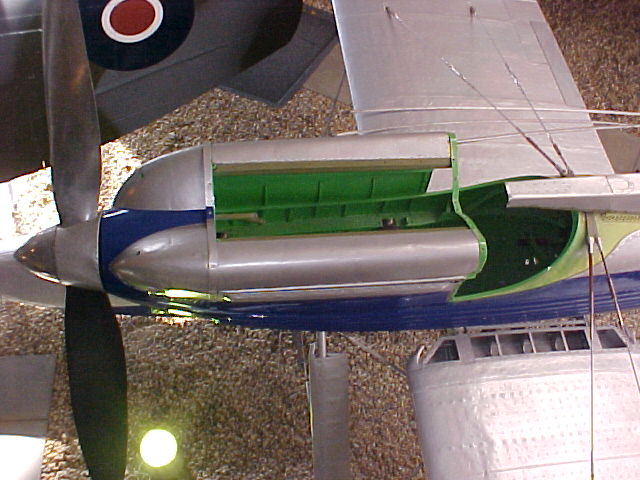
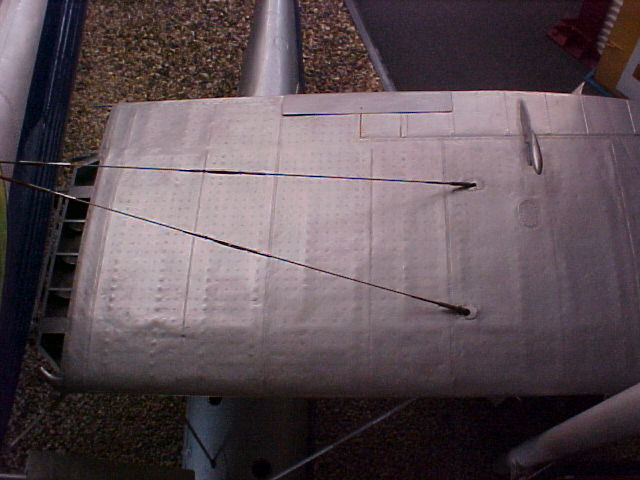
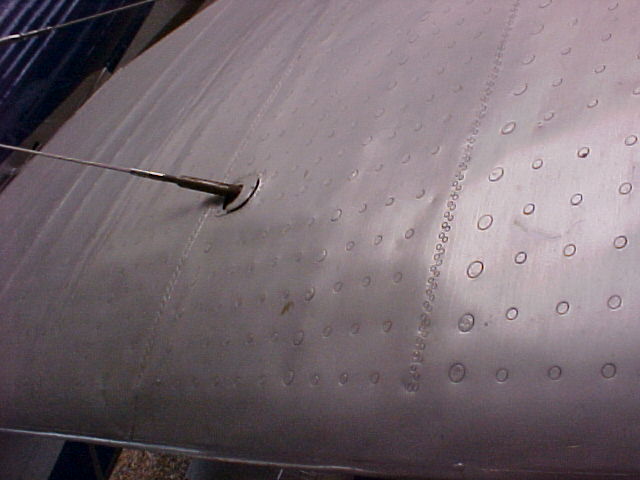
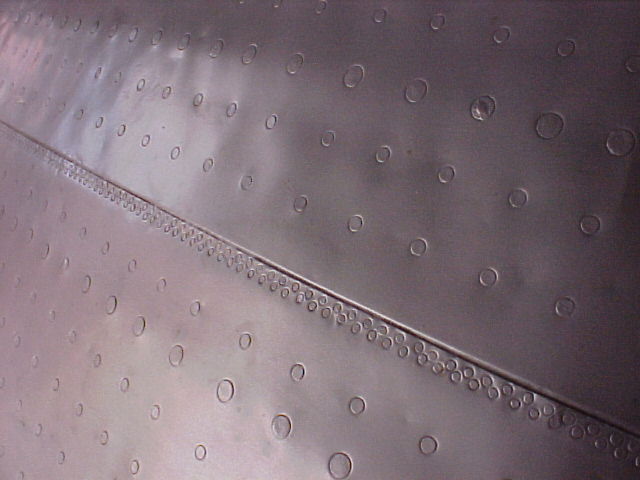
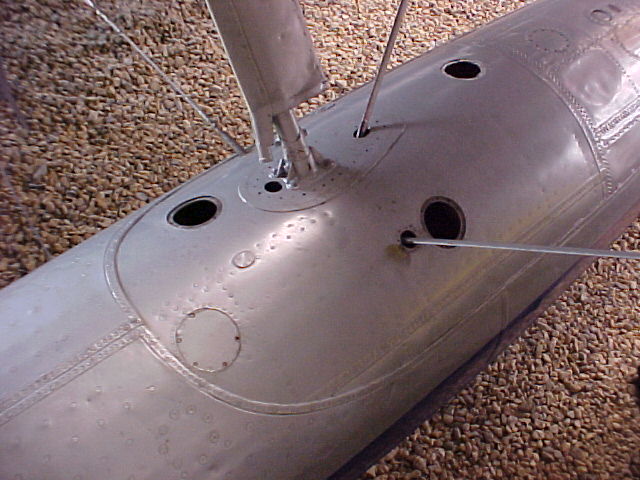
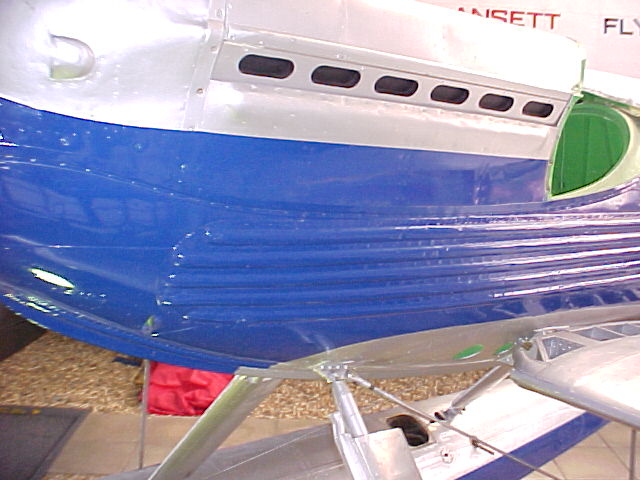
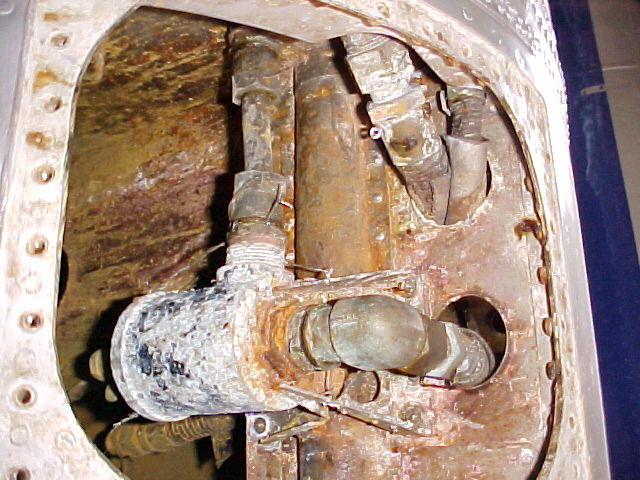
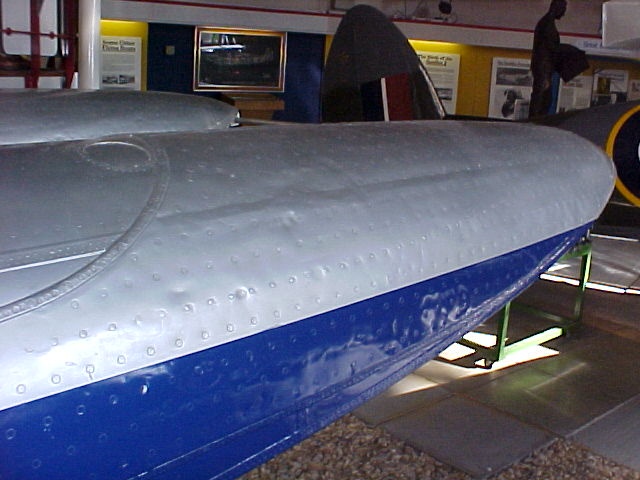
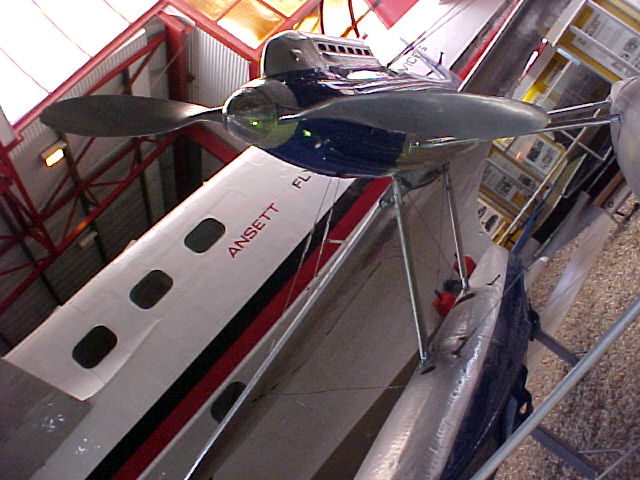
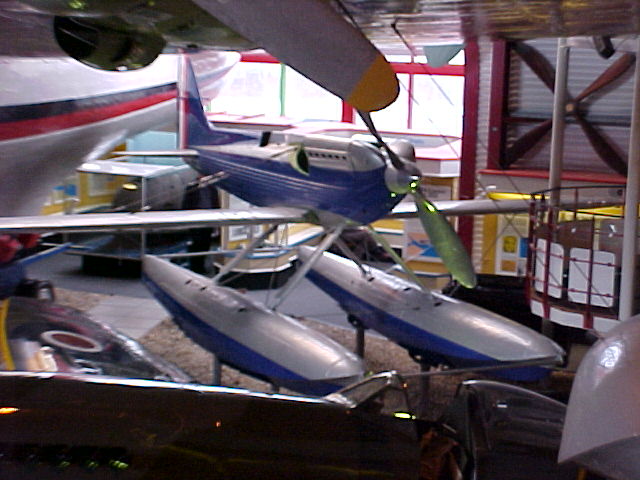
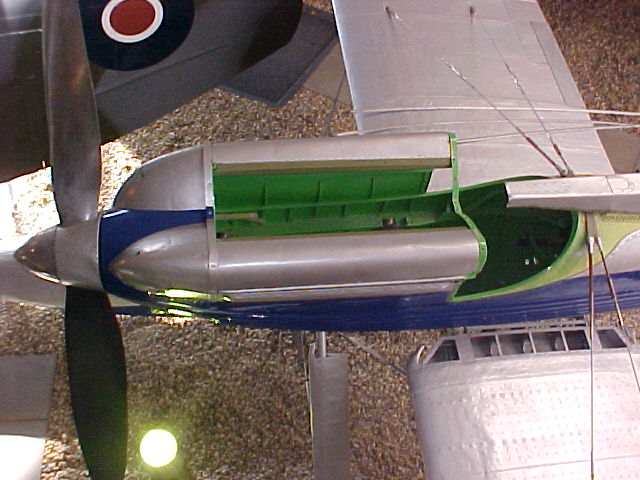
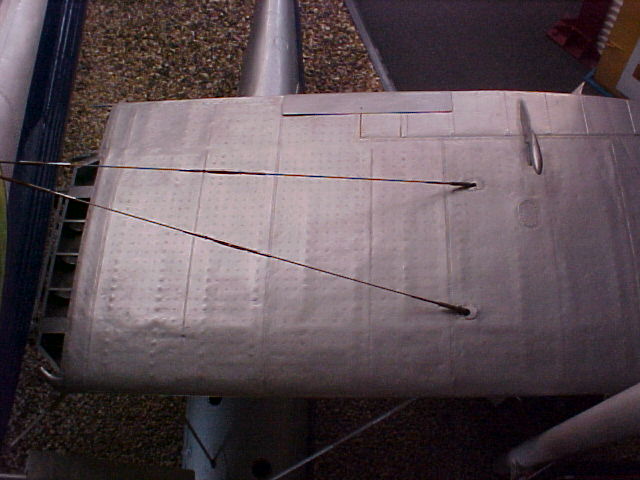
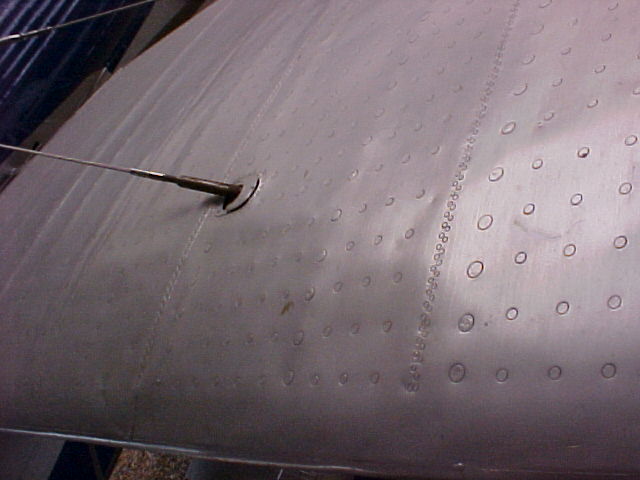
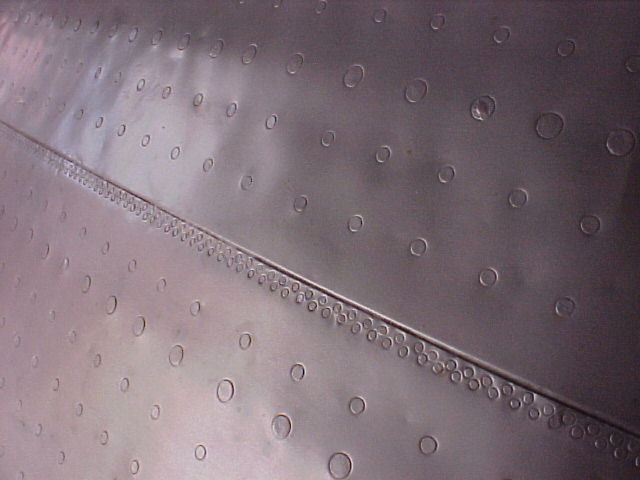
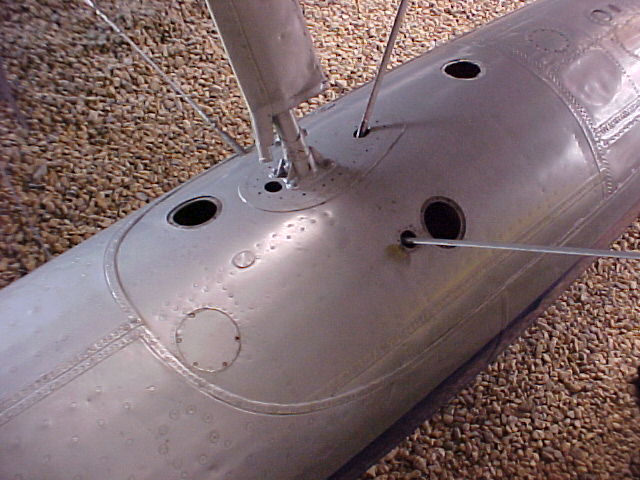
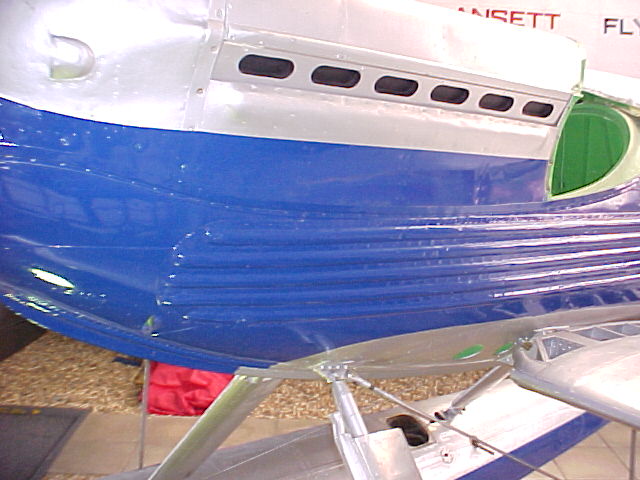
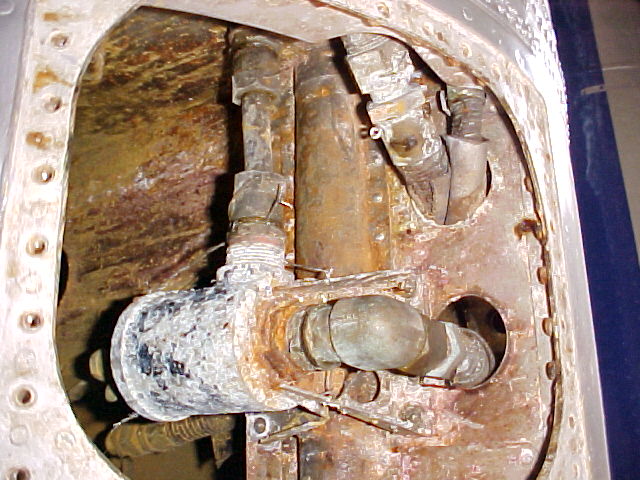
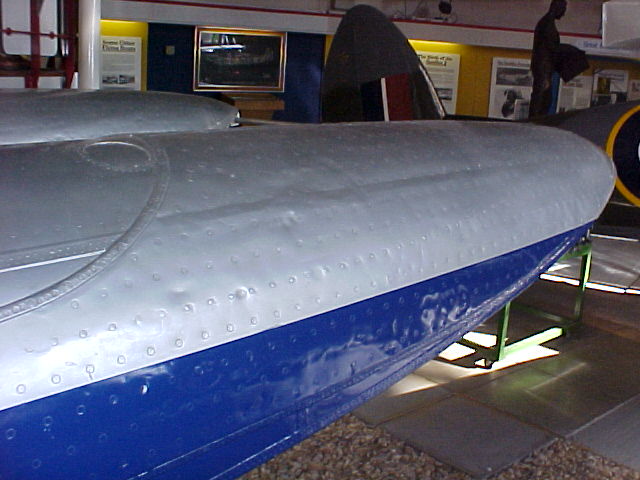
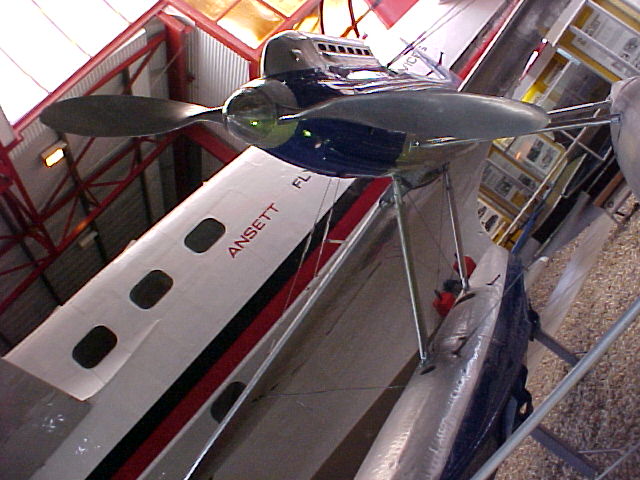
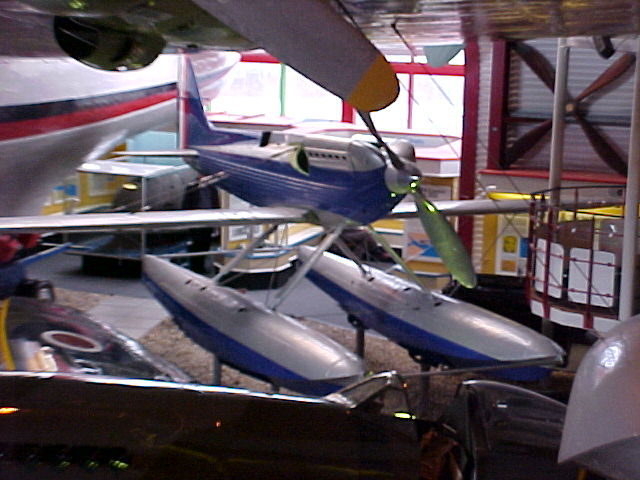
Here are some picture I took in the Super Marine museum in South Hampton.
Schnider cup racers of the early 1930's used surface mount radiators.
Almost every square inch was covered with them.
Paul Lamar ...No rotor no motor.
The Rotary Engine NewsLetter. Powered by Linux.
ACRE NL web site.
http://www.rotaryeng.net
Copyright 1998-2007 All world wide rights reserved.