> I don't know how Dave Garber calculated the Bell gear box bearing
loads but
> don't forget there is at least 600 ft pounds of bending on the
> prop shaft due to gyro loads. That takes a bit of bearing
> spread. Heat treated billet steel will work fine for
> a prop shaft. Only draw back is it will be a bit heavier than forged.
> Not the same situation as a crank shaft where forging is near
essential.
>
> Paul Lamar ...No rotor no motor.
>
Paul or anyone.
Can you recommend a good alloy and heat treatment to use for prop
shaft?
Thanks
Doug
4340 chrome molly steel. Heat treat to Rc 65
Use large fillets and have it shot peened.
--
Paul Lamar ...No rotor no motor.
Paul,
Isn't Rc65 awfully hard? For max strength I thought mid 50s would be
better. Depending on if there is a spline, a gear or a flange. If there
is a gear max hardness. I'll check the ASME books for the suggestion on
non-geared 4340.
Shot peening for sure. In fact we should be suggesting Jerry get the
engine mounts shot peened. It really helps most high-strength materials.
Bill Jepson
Yes 65 might be a bit high. 60 gives 325,000 psi.
The engine mounts are not highly stressed. The main problem is
buckling of the lower members. Shot peening would not help.
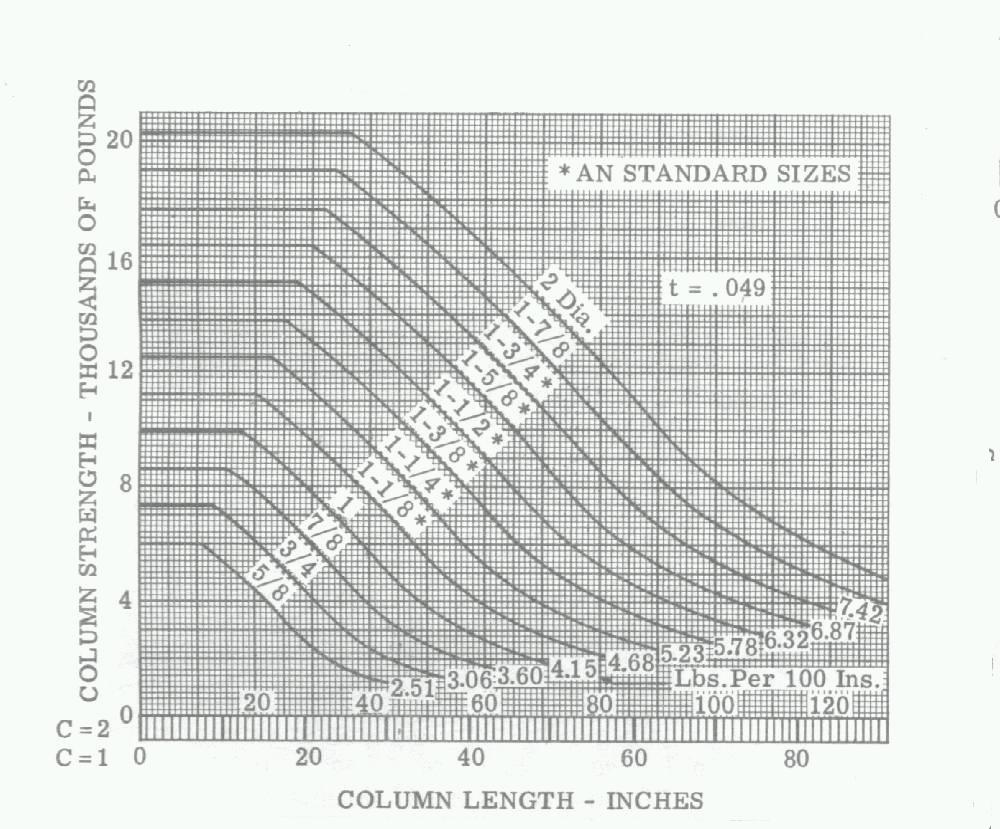
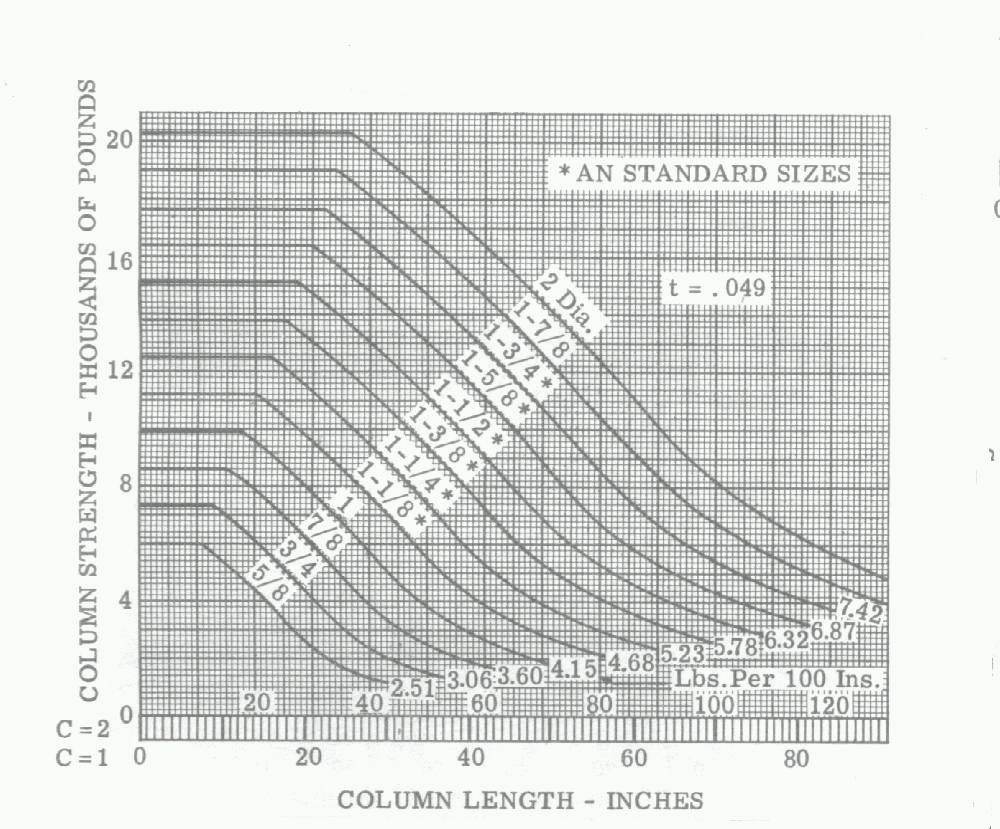
A 0.75 inch dia. 0.049 wall tube will see a max tensile load of 3000 pounds
so that is a stress of about 26,000 psi at 6G. A very rare occurrence.
The hollow prop shaft on the other hand has to deal with continual torque
fluctuation combined with the occasional bending loads due to stall
or turbulence. The higher the yield psi the better.
Paul Lamar ...No rotor no motor.
The Rotary Engine NewsLetter. Powered by Linux.
ACRE NL web site.
http://www.rotaryeng.net
Copyright 1998-2007 All world wide rights reserved.