Yes 65 might be a bit high. 60 gives 325,000 psi.
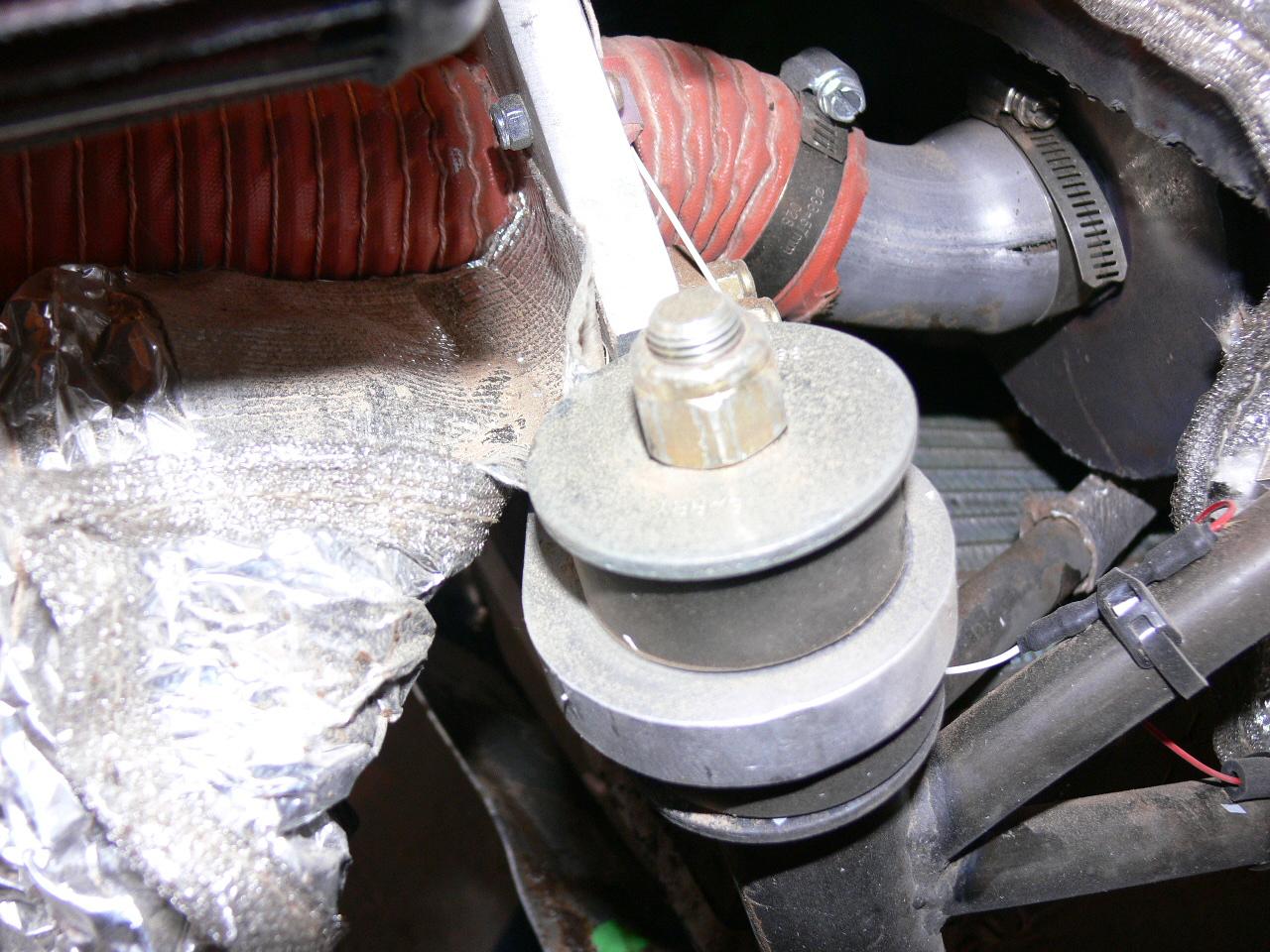
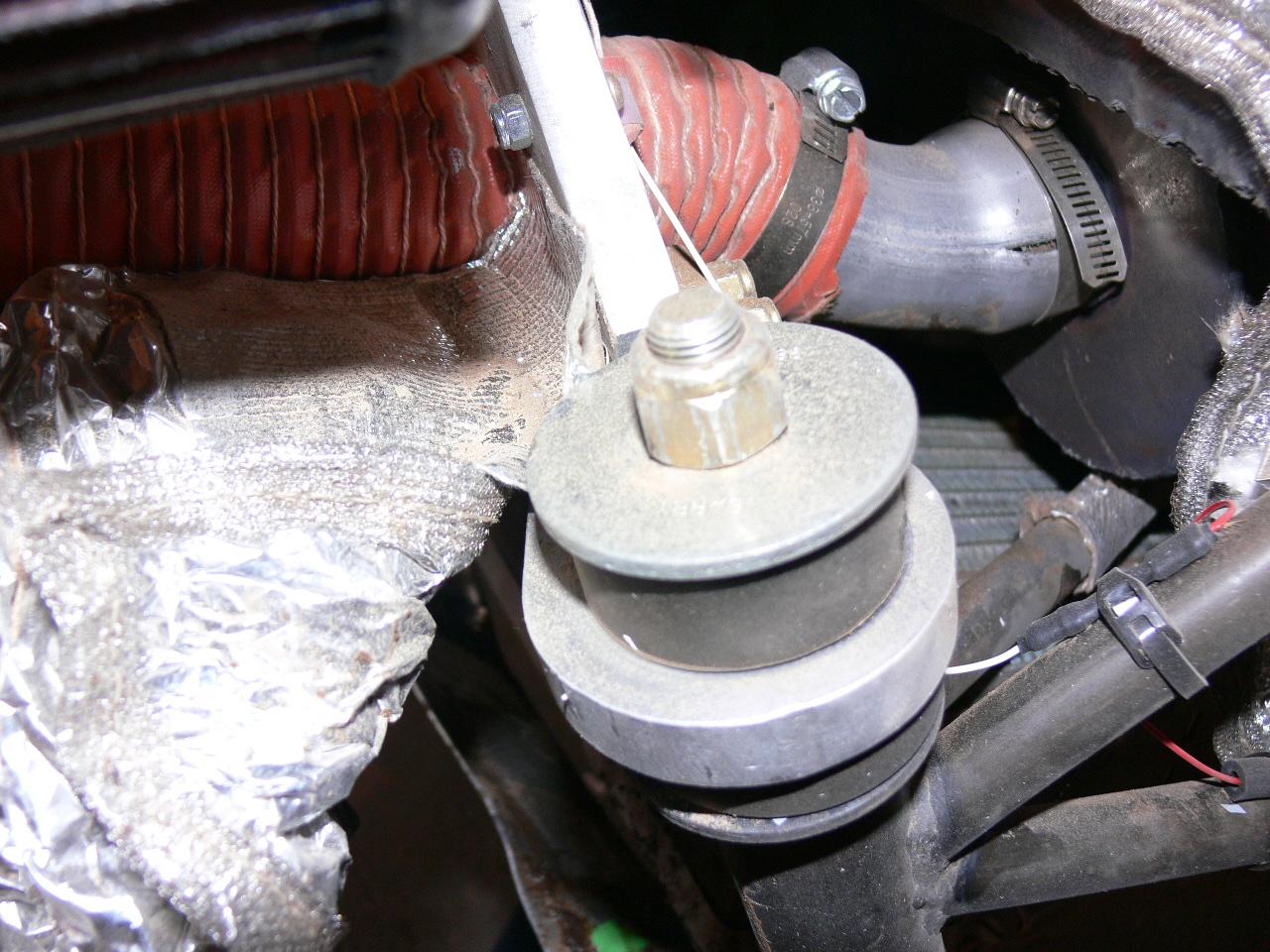
The engine mounts are not highly stressed. The main problem is
buckling of the lower members. Shot peening would not help.
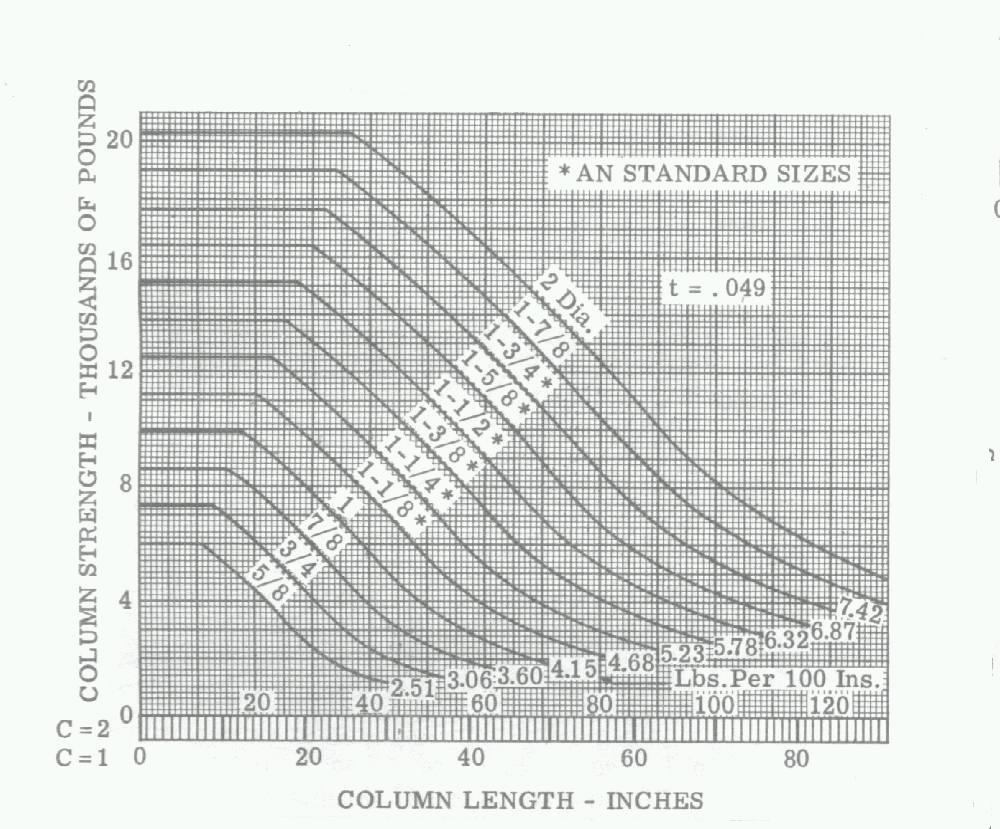
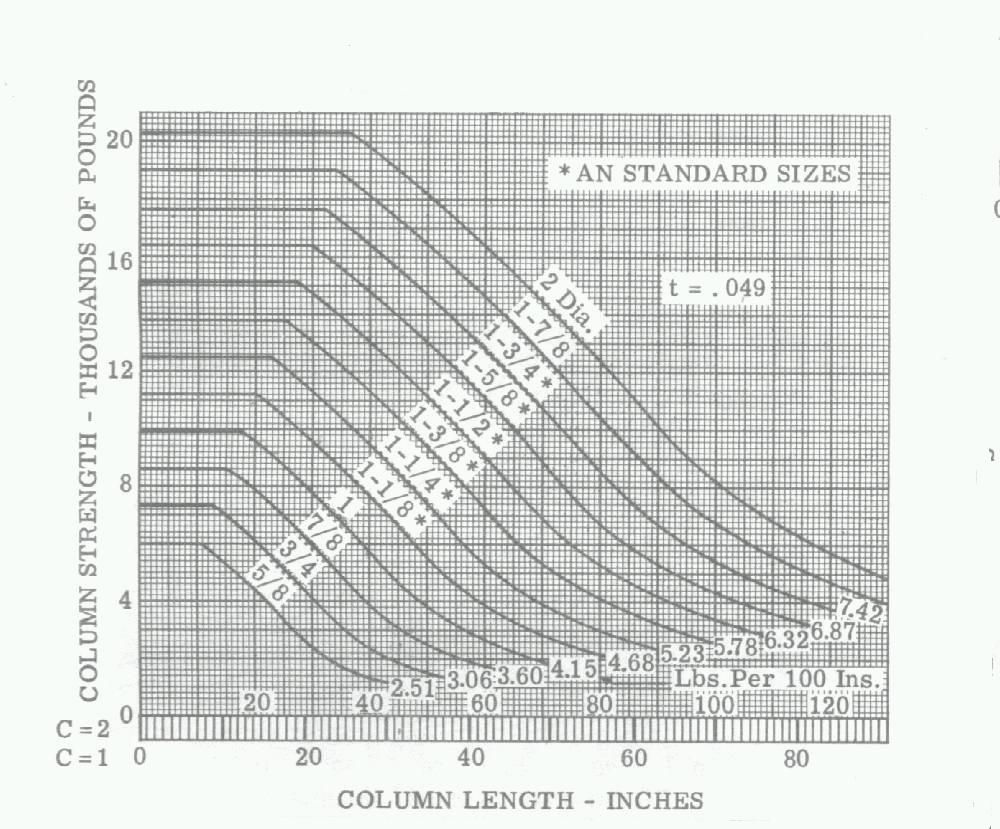
A 0.75 inch dia. 0.049 wall tube will see a max tensile load of 3000
pounds
so that is a stress of about 26,000 psi at 6G. A very rare occurrence.
> Paul Lamar
Hi Paul,
that buckling graph is very informative.
Who is the source and what are the 'C=1' and "C=2" on the lower left
used for.
Thanks, Dave McC
It was on the web site at one time but for some strange reason it
got left off. I need to put it back on the web site.
http://www.rotaryeng.net/motor.html
It is from E.F. Bruhn, "Analysis and Design of Flight Vehicle
Structures." Published in 1965. 9 X 11 2000 pages. The bible of
aircraft structural design. I am sure Dick Van Grunsven keeps
a copy next to his bed. We got to the moon using this book.
C2 means the ends of the tube are welded and C1 means the end
of the tube has ball joints. I generally use the C1 numbers
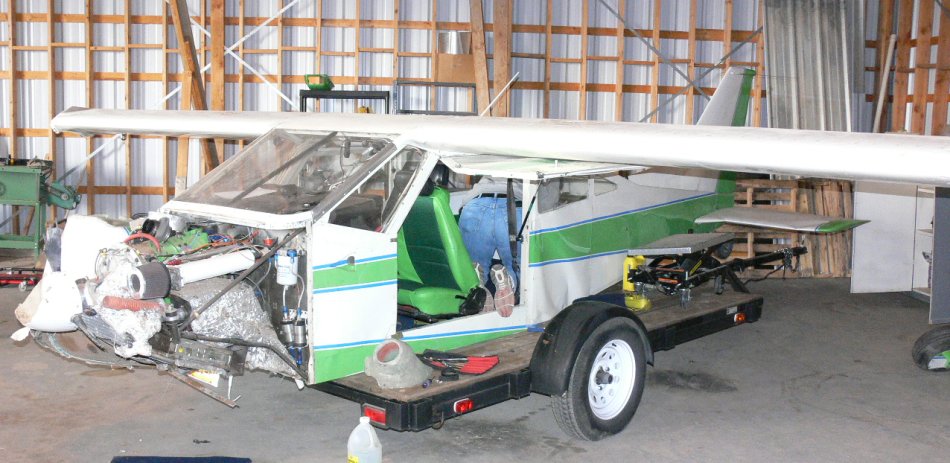
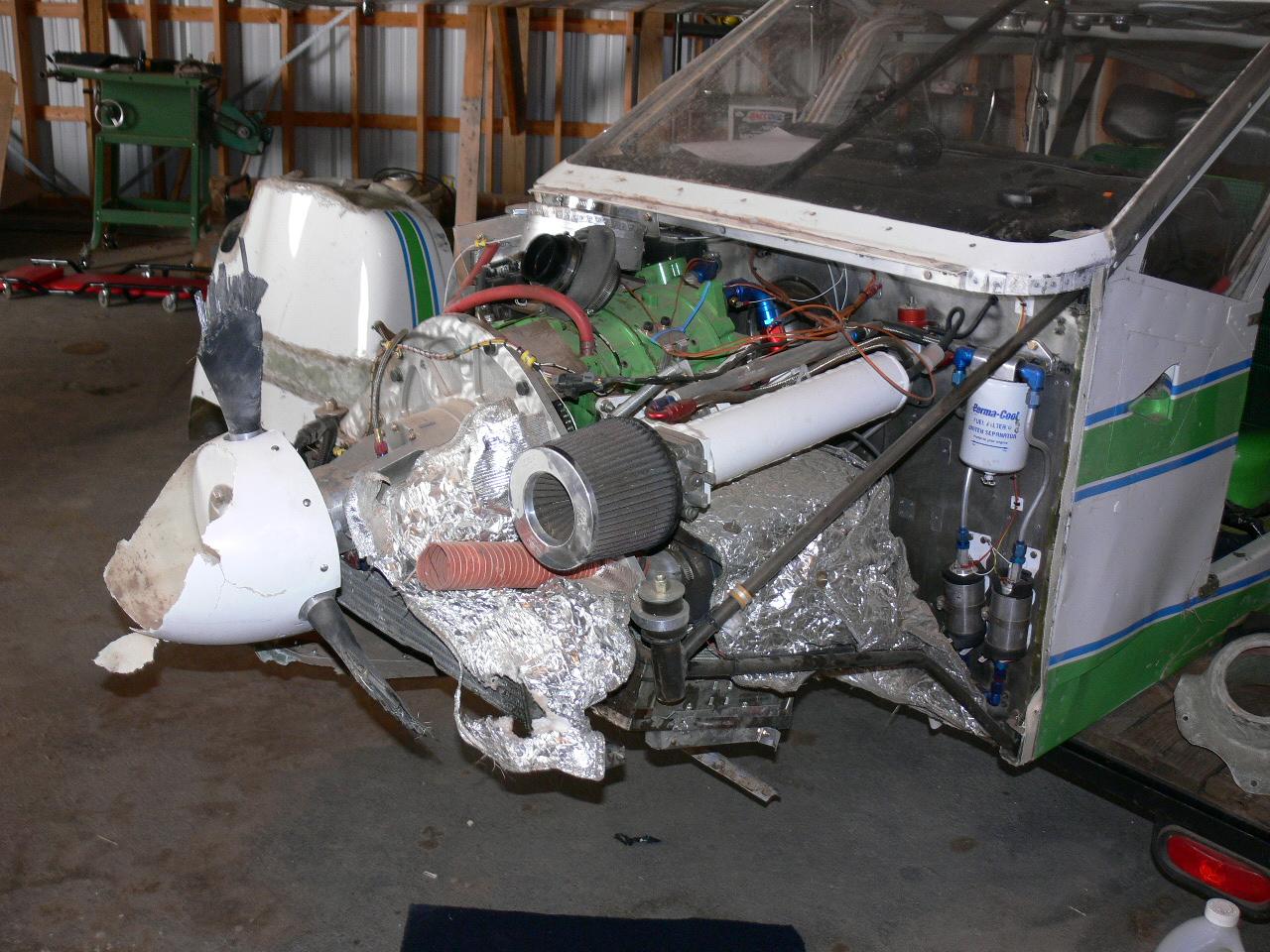
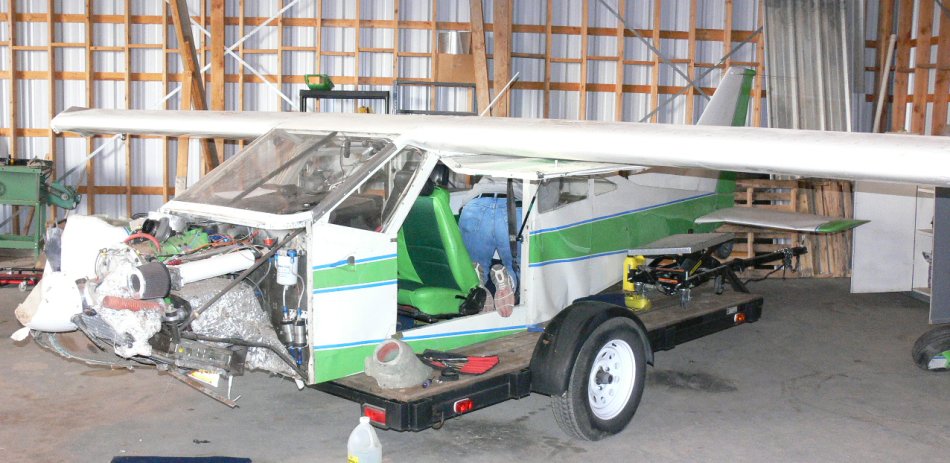
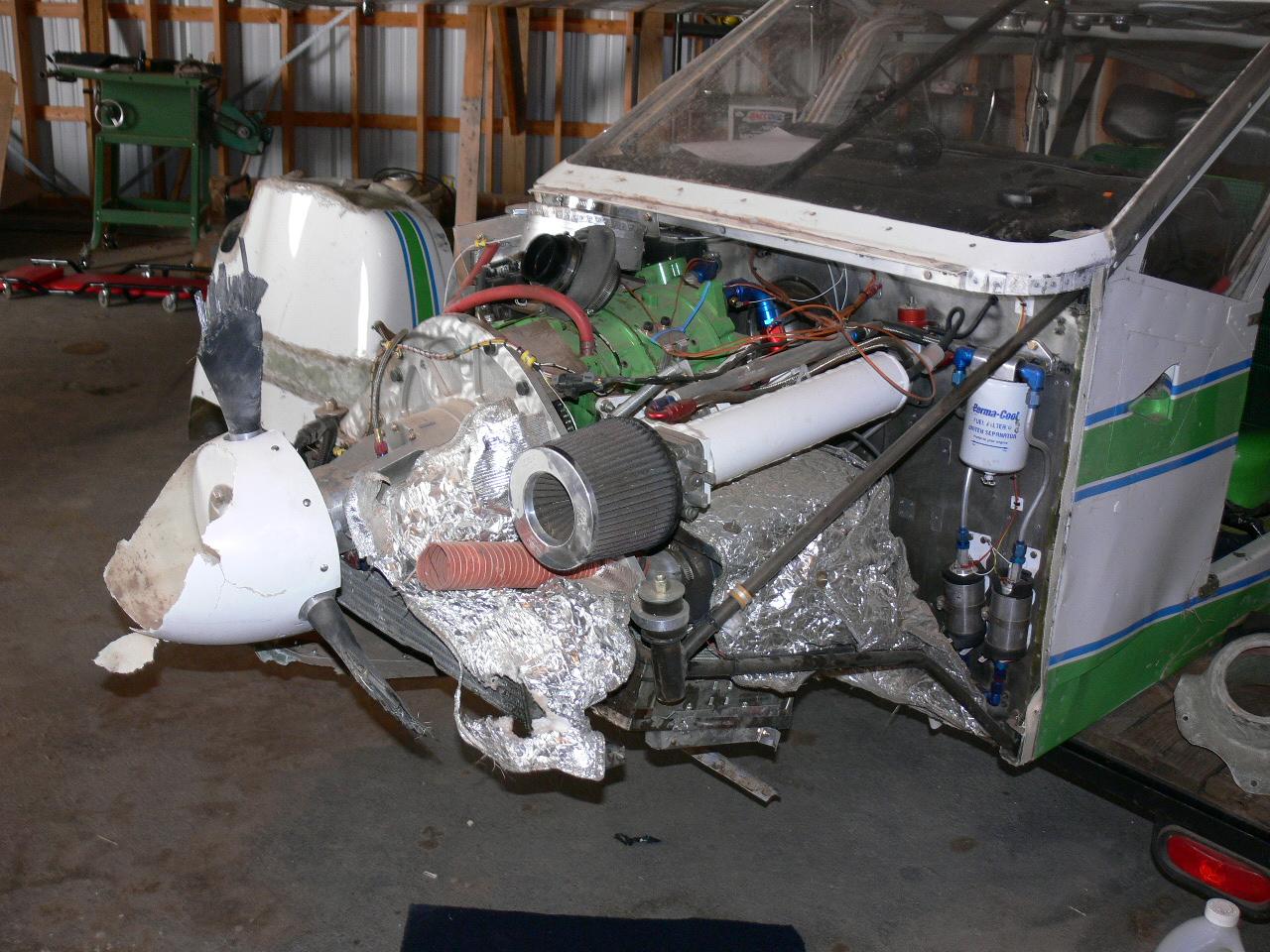
to be conservative. This is what happens to a tube in compression
when it is over loaded in a crash.
--
Paul Lamar ...No rotor no motor.
The Rotary Engine NewsLetter. Powered by Linux.
ACRE NL web site.
http://www.rotaryeng.net
Copyright 1998-2007 All world wide rights reserved.