In addition to the mechanical low pressure fuel injection system
we are doing a PicAXE system. I am trying to find somebody to do
the actual work as I have a limited amount of time to do it myself.
I am talking to a couple of candidates as we speak.
This is a paradigm shift in EFI. One computer per injector instead of
many injectors per one computer. Each tiny computer is designed to do
one thing and one thing only. My rule is software complexity is proportional
to the square of the number of features or things the computer must do.
PicAXE computers are super cheap. Spark plugs now use one coil per
plug with built in electronics. Why not one cheap, tiny, $1 computer per
injector. You can use two injector systems per rotor if you wish. These
systems will work with 1 to 4 rotor engines.
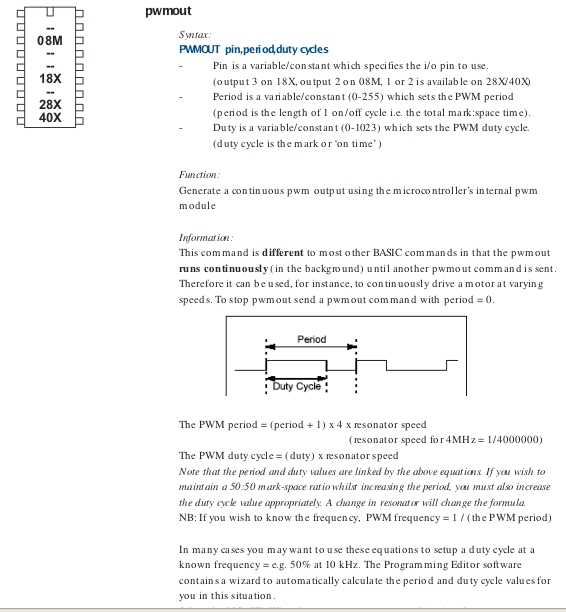
This is a cheap and simple PicAXE system written in easy to
learn and modify BASIC programming language. The PC sends
English language commands to the PicAXE and the PicAXE
does it.
A pulse is taken from the engine
crank angle sensor and the computer measures the intake
manifold pressure or mass airflow sensor (A/D) and intake air
temperature and fires (PWM) one injector every time the one rotor
engine rotates once using a mixture look up table. A hardware
interrupt from the crank angle sensor is the easy way while
a do nothing loop runs in the back ground. Max RPM is 7500 or
125 pulses per second or once every 8 msec. Should be enough time
to do the simple job.
I'll gladly trade off computer speed and software simplicity for
hardware. No compiling and no chip burning. We want to keep
it as simple as possible so people with no experience in
programming or computer hardware can program it, understand it
and fix it. We also gain redundancy for safety reasons.
The injector computer will get inputs from a manifold pressure sensor, or
a mass airflow sensor and an ignition pulse. All these sensors are capable
of supplying data to more than one computer simultaneously. It is a
massive trade off of additional cheap hardware for much simpler software.
Ultimately it is designed to be used with a new generation
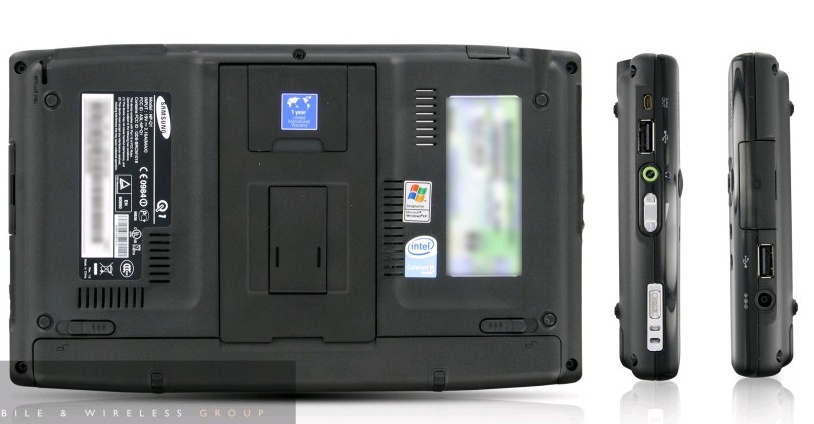
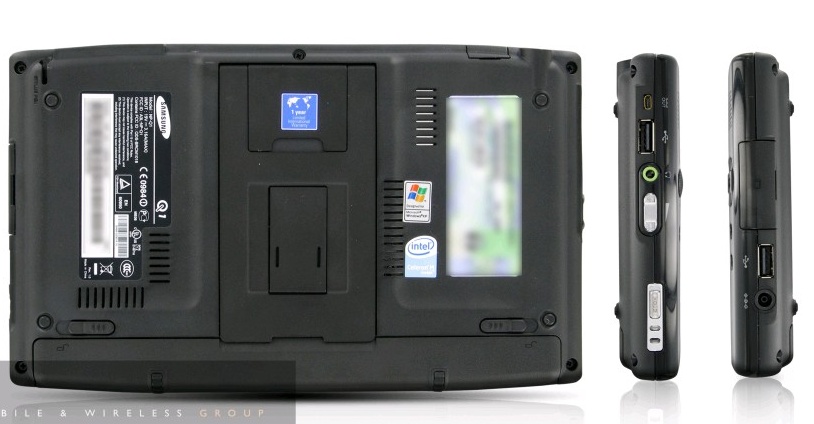
of small PC's in the cockpit that use flash RAM instead of hard drives.
Unlike hard drives flash ram is very rugged and works at high altitudes.
What we will do long term is use several of these real simple systems
and have them talk to one small PC in the cockpit over a simple RS232 serial
network. The PC sends out an address and the PicAXE injector with that
address responds with data. There are other data gathering modules
from
www.Omega.com that work the same way. Many mixture maps
can be stored in the PC and sent to the PicAXE injector computer.
When we get one working will will build another and test it on
an actual engine on the dyno.
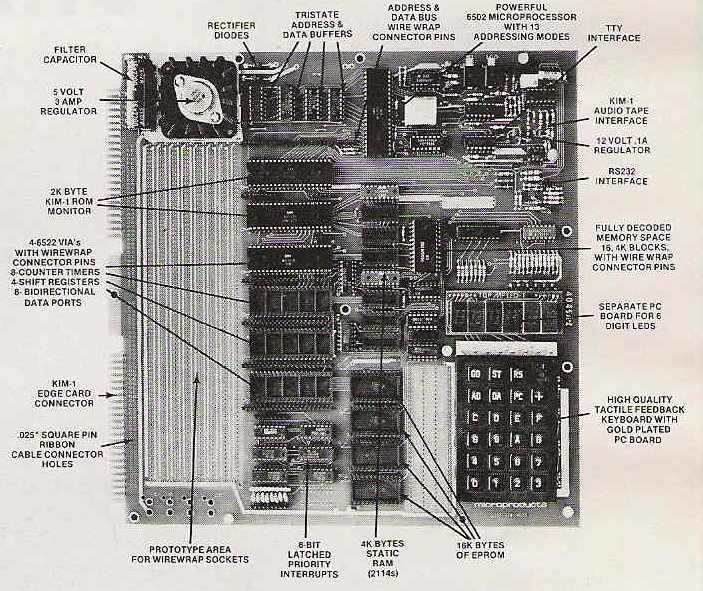
Here is a project I did years ago using a 6502. I was also the
designer of the Superkim and the sole owner of Microproducts.
Microprocessor-Based System for Roll-Down and Acceleration Tests
by D.K. Lynn, C.R. Derouin, and Paul Lamar
Los Alamos Scientific Laboratory
Published in IEEE Proceedings 29th Vehicular Technology Conference
(The technical details of the Lamar Instruments road test system.)
Arlington, Illinois, March 28-30, 1979
The most user friendly suppler of PicAXE parts and prototype boards
is
http://world-educational-services.net/
You can actually call them and talk to a real person.
Phone:410-255-6333 The product I am buying is the AXE090 - Exper. Board
PH Anderson comes up first if you google PicAXE but it is very frustrating
doing biz with him. He does not return emails and he does not
answer his home phone let alone the fact there is no phone number
on his web site. I don't do PayPal.
Paul Lamar ...No rotor no motor.
The Rotary Engine NewsLetter. Powered by Linux.
ACRE NL web site.
http://www.rotaryeng.net
Copyright 1998-2007 All world wide rights reserved.