> Paul and Steve, Steve gave me a prop flange to firewall distance of
> 39.5" I am trying to reconcile this with the measured cowl length of
> 41 inches. It may be that there is an extra 1.5 inches that can be
> added to the prop extension while keeping the engine at the proper
> distance from the firewall. Jerry
>
> I am not going to redo that motor mount again :) I almost have it
> done. Just stick the cowl on there and measure what
> you need before you order the prop extension.
> --
> Paul Lamar ...No rotor no motor.
>Works for me!
>Steve.
>Here are the dimensions guys. Check them carefully so when
>Jerry sets it up in the jig and welds it.... it will fit the firewall.
>Some of the parts on the dwg might be off a few thou but that
>is of no consequence as it is up to Jerry to place them
>accurately in the jig going on the correct dimensions alone.
>Steve, best to ship Jerry a thin sheet metal template
>match drilled with the firewall holes. The Lancair design has a lot
>of mounting holes in the firewall due to the retractable
>nose gear. Either that or don't drill the holes in the firewall
>until you get the motor mount.
>BTW Steve, can you take a picture for me of the back side
>of the firewall. Not needed for this job but I am just curious.
>Paul Lamar
Hi Paul,
I noticed on your pix for the turbo Lanceair there are no long runners
for the intake. Is there any data that suggests a short pipe will
deliver air properly or are you thinking the turbo has so much excess
capacity that it's a matter of just turning up the wick? Considering
Steve's intention to flat rate the engine to avoid detonation his engine
will always think it's operating at sea level and therefore I would
think he'd need the same length runners as any other normally aspirated
engine. This also brings up the thought that the 20" +/- runner length
was established in normally aspirated conditions at sea level or
compensated to a standard atmosphere by Mazdatrix's dyno programming so
what would happen to that length at altitude? The runner length should
provide for max engine power at take off altitude but that altitude
could be as much as 7000 feet for some Denver flyers. Is there any way
your next dyno run can adjust the intake air pressure physically or thru
programming to provide data on alternate atmospheres? There are several
people on here that were attempting to deal with "trombone" runners and
I'm wondering if the complication may be necessary for the non-turbo'd
engine. Dave M
There is no other choice. There just is not enough room under the cowl
to get long runners in there. In theory a small increase in boost will
be required to get the same HP with the short runners. Also in theory
the BSFC will be slightly higher.
I think the torque curves is wide enough so trombone runners are
not necessary for NA aircraft engines that spend all the time at
5500 to 6500 RPM in the case of a 2.85:1 PSRU.
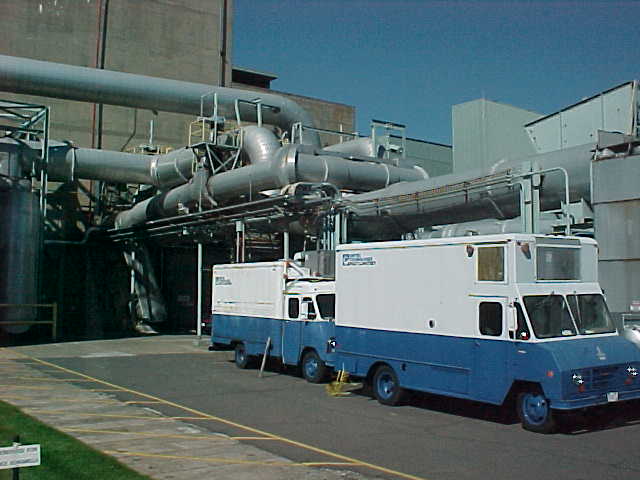
I'll tell a little story about adjusting the air pressure in dyno
rooms. Back right after WW II Pratt & Whitney bought a surplus
US Navy cruiser and sailed it up the Connecticut river to the factory.
They stripped out all six boilers and steam turbines and installed
them in the dyno building connected to vacuum pumps. Roughly
50,000 HP as I recall. This was needed to pump down the dyno room
so R-3360 corncob engines could be tested at high altitude.
They used the same set up for early jet engines. Later on when
jet engines got much larger they needed more HP so they installed
a gas turbine engine used in electric power plants to double the HP.
This engine ran on city natural gas. The rate this engine used gas out
of the city mains was faster than the city mains could supply it so they
installed some 750 HP diesel compressors mounted on flat bed trailers
in the back yard. These compressed the city gas and stored it
in large pressure vessels also in the back yard. When all six steam
turbines and the gas turbine engine are running they had 100,000 HP to work
with. When the 777 engine came along it was not enough.
If you ever get a chance to go through this facility do it. P&W
claims it cost so much money to duplicate that no government anywhere
in the world has the where-with-all to afford it. RR and GE both
lease the facility from P&W to test their engines.
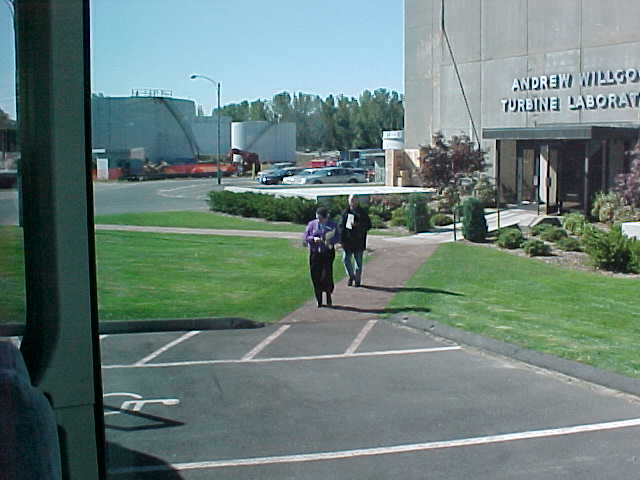
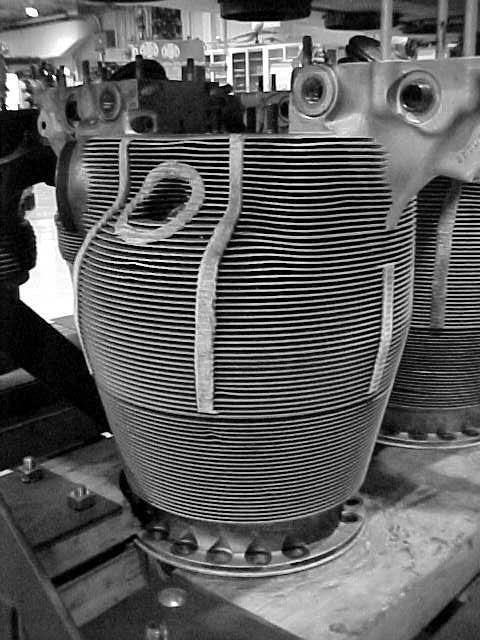
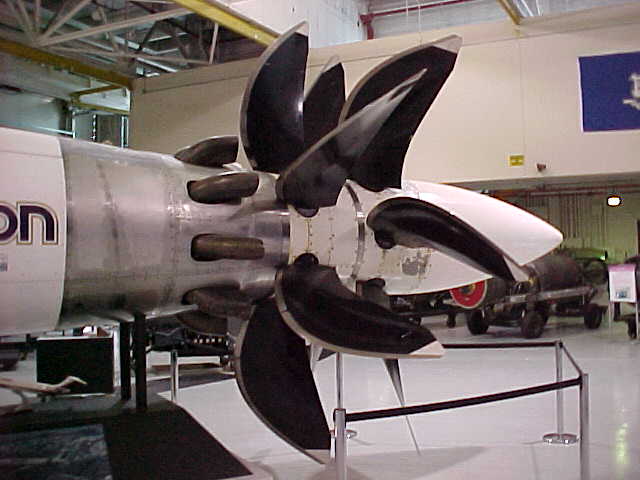
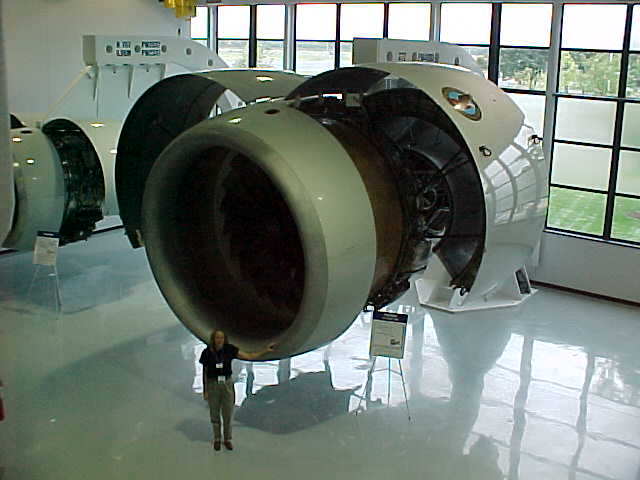
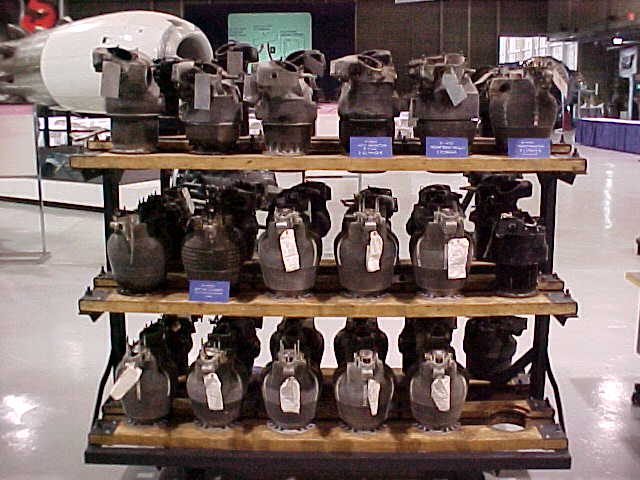
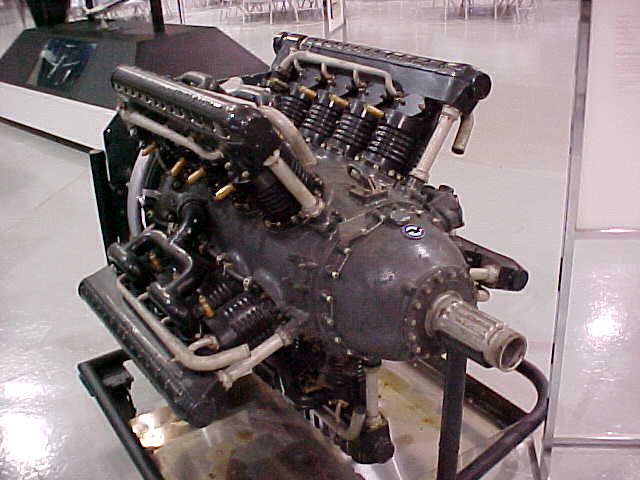
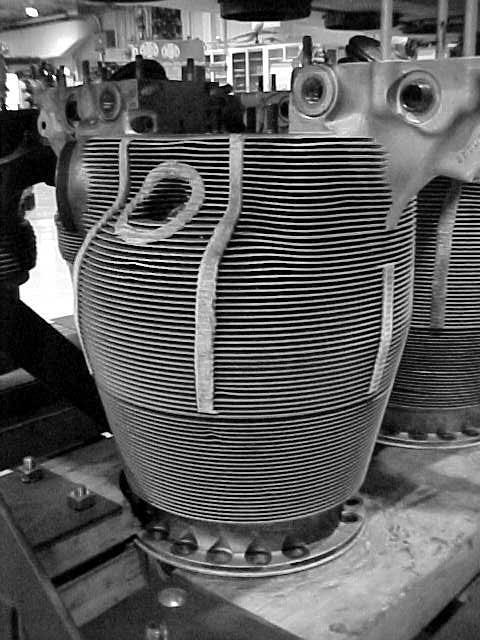
I was only allowed take pictures from out side of the dyno building.
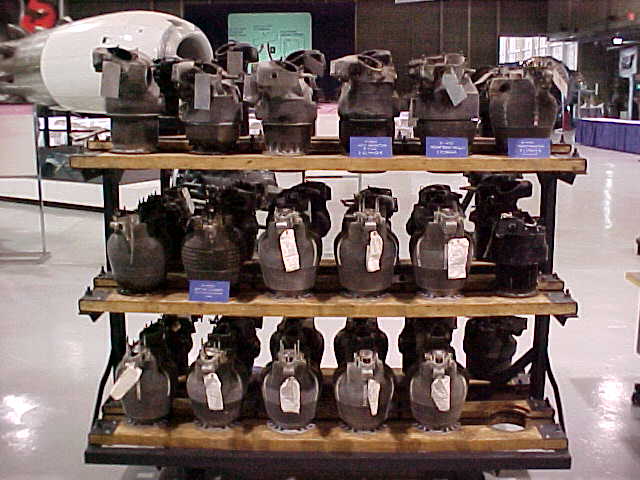
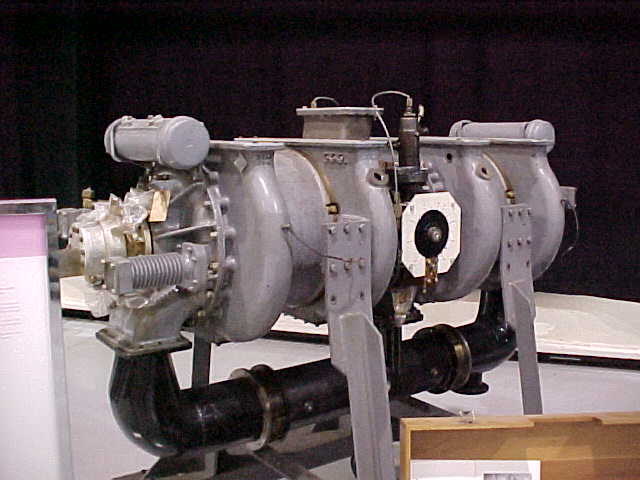
The rest of the pictures were taken in the P&W museum.
--
Paul Lamar ...No rotor no motor.
The Rotary Engine NewsLetter. Powered by Linux.
ACRE NL web site.
http://www.rotaryeng.net
Copyright 1998-2007 All world wide rights reserved.