Jerry Hey wrote:
[Windows Computer] Arrived yesterday and is working well.
> I put a zip drive on it and
another one on the Mac so that I can transfer files back and forth. I
downloaded two free programs sketchup and abword and moved them to the
pc no problem. I can't believe how clumsy Windows is but it does not
matter once I get where I want to go.
I downloaded the PicAxe PDFs and printed them out. Have not had a
chance to go further. I will be laid up in early January (knee surgery)
so I hope to move forward on this project then.
Jerry
Great Jerry. USB flash drives also work well for transferring files
on my Linux system.
I am just looking at the PicAXE manual and PicAXE BASIC manual pdf's
and trying to decide which command to use as a hardware interrupt.
Looks like the SETINT command is it. See the attached files.
Then you do the main program that reads the MAP or
mass air flow sensor and sets the fuel pump PWM based
on the mixture look up table. You also have to read the leaning
pot on the instrument panel. Then your done and you go back
to the back ground loop.
This happens when the ign trigger pulse comes in every time the rotor turns
once. Assuming we are using one EFI system per rotor. I think the PWM on
the fuel pump is a simpler and cheaper system than one on each injector.
Of course there are no injectors or pressure regulators to buy. This
system keeps looking cheaper and better.
BTW I am going to use the Stock Mazda 2nd gen mass airflow sensor pictured
as it is very cheap and readily available as a lot of people
have them lying around. I have two. People get one with most engines.
The other subtle advantage is you don't need a MAP and a hand vacuum
pump to test the system on the bench. You just move the spring loaded trap door
by hand. Perry Mick has been flying with one for years. Not really big
enough for a P-port but some US 250 HP or above V8 mass air flow sensor
can be added later.
I just had an idea that tiny steel or copper tubing could be used
to go into the mouth of the runners and can be as long as
you want. You could inject the fuel anywhere along the length
of the runner right up to the P-port. I'll do a 3D shortly.
No tig welding injector holders to the runners required.
My purely mechanical low pressure fuel injection is only waiting on
the needles to be ground. Should be done by the first of the year
so that will be tested on the dyno first. Then I'll test this
system if it works on the bench.
I think there is a market for both.
---------------------------------------------------------------
I just noticed a schematic error in the voltage supplied to the mass air flow
sensor. Should be 5 volts instead of 12. There are some small, cheap,
3 pin 5 volt regulators out there that will work for this.
BTW if you wire a leaning pot in series with the mass airflow
sensor pot you don't need to read the leaning pot with an A to D
in the PicAXE. The leaning pot merely modifies the voltage
coming from this mass air flow sensor. That further simplifies the
software and saves one A to D required in the PicAXE.
Also I notice this mass airflow sensor has a fuel pump switch
built in. No fuel unless there is some air entering the mass air
flow sensor. Nice feature to help prevent prevent flooding.
Very important on an RX8 engine. There is one other sensor
in there that I have not figured out what it does yet.
Perry Mick probably knows what it does.
----------------------------------------------------------------
More thinking on this.
I think Doc is planning on monitoring the fuel pressure
to detect changes in the pump performance or to close the loop.
I think that is unnecessary as the pilot will be aware of that as
time goes on. He will notice he must lean the engine less if the pump
is deteriorating. Based on the EGT of course. (The pump putting out
less fuel for a given pulse width.) Also the engine might require
a slightly richer mixture to start. In fact this situation could be
an advantage over a conventional EFI system with a mechanical regulator
as it might give the pilot advance warning of a pump failure.
If the pump is slowly deteriorating the pilot will perhaps know it
and he can change out the pump before the next flight.
------------------------------------------------------------
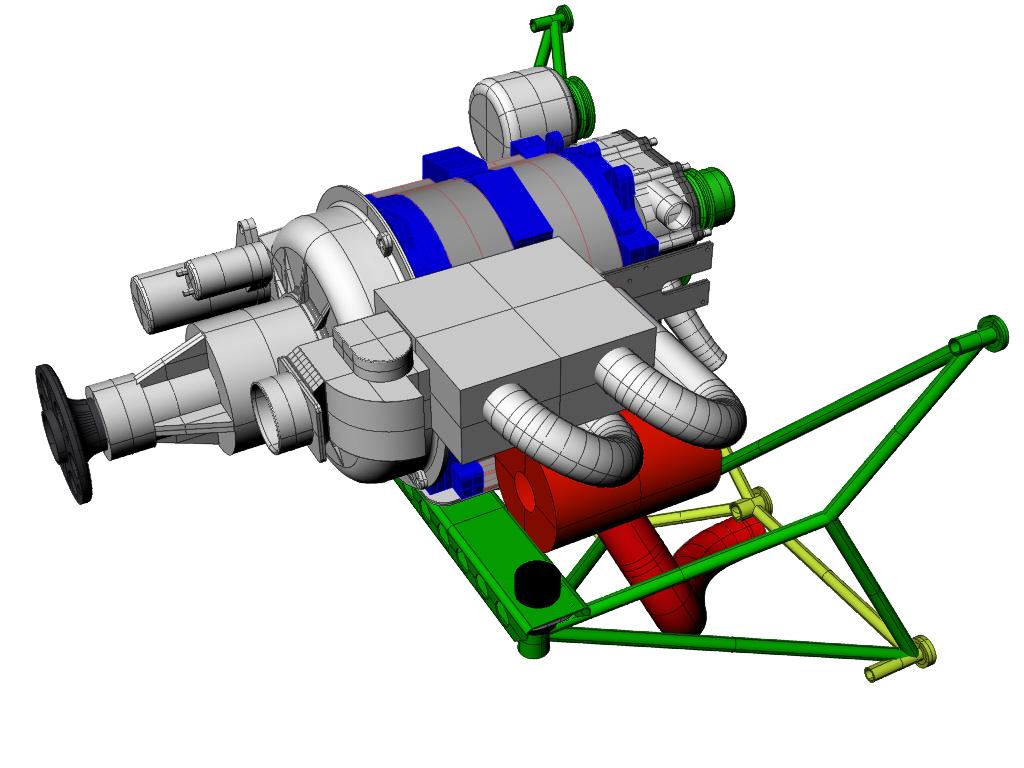
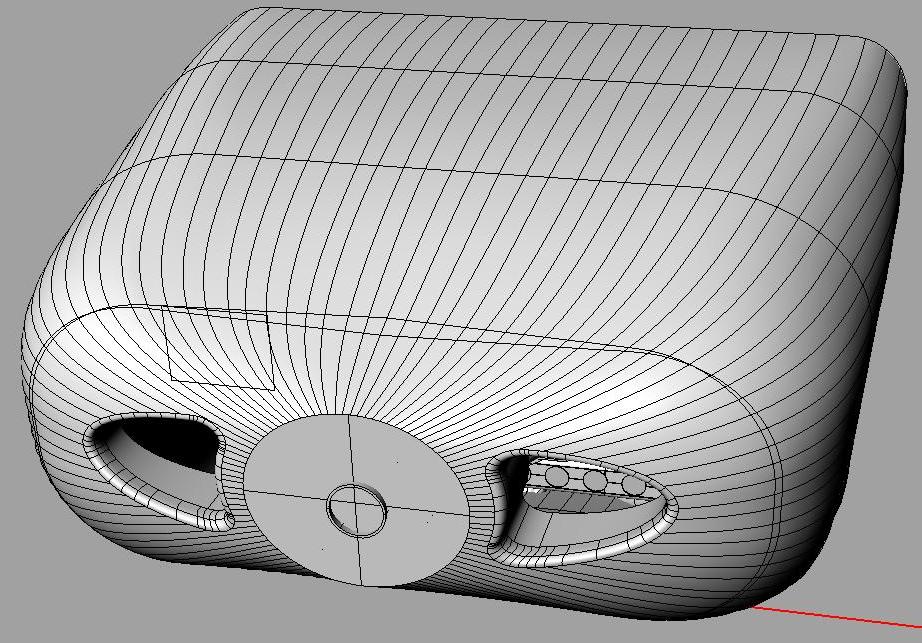
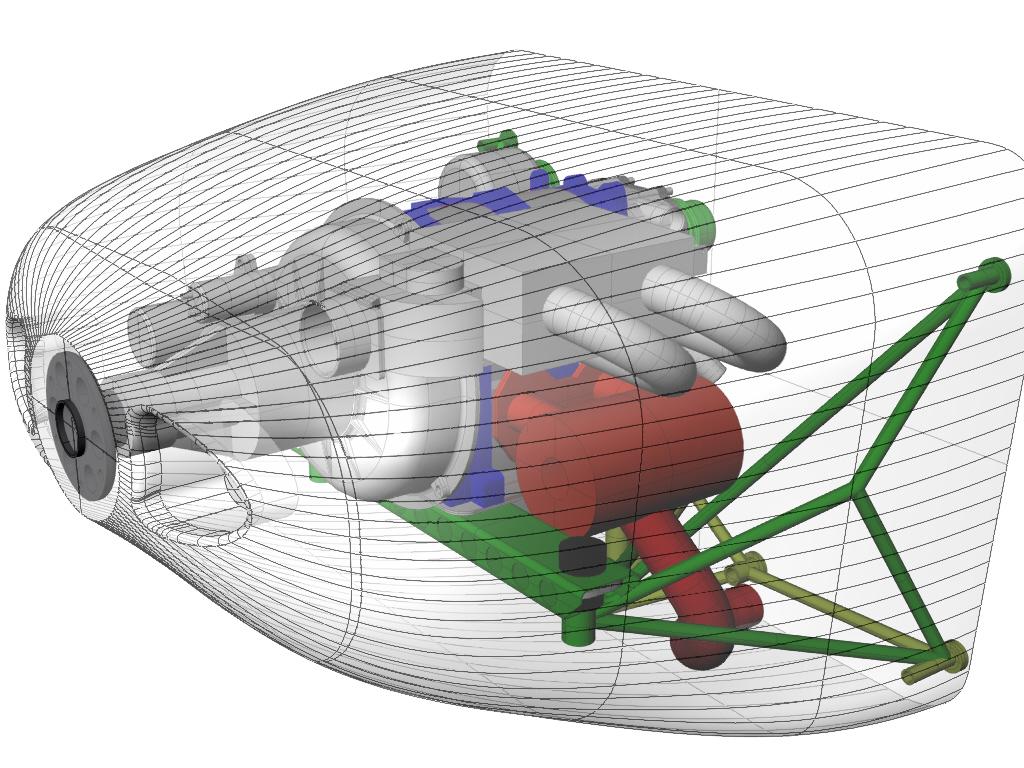
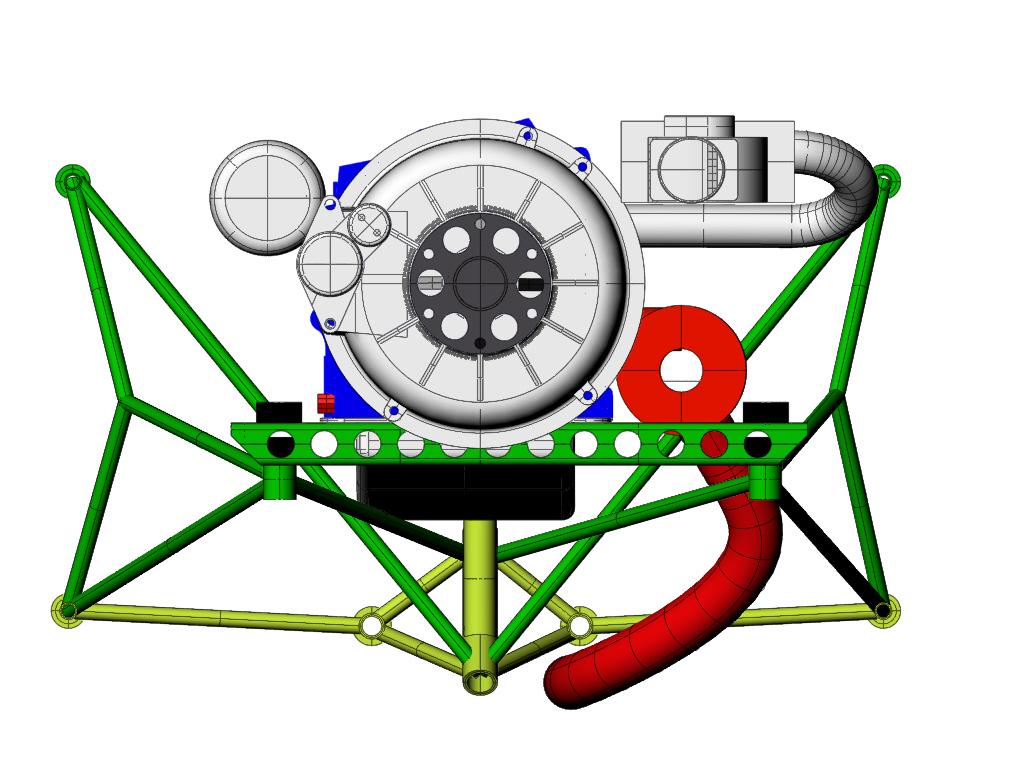
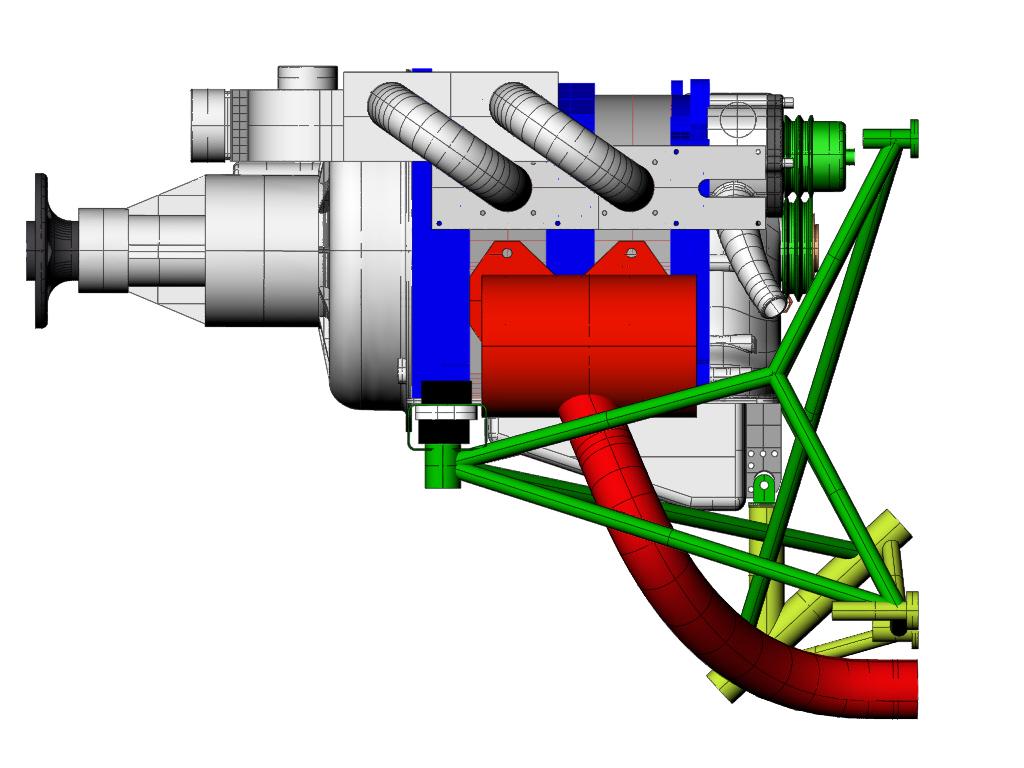
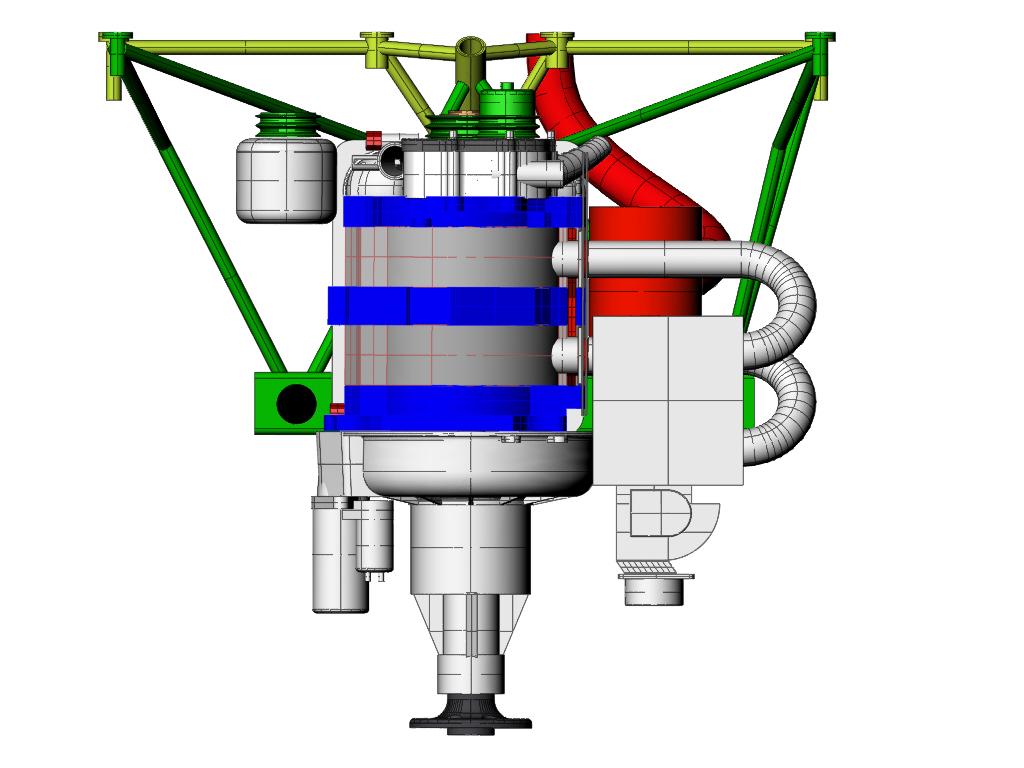
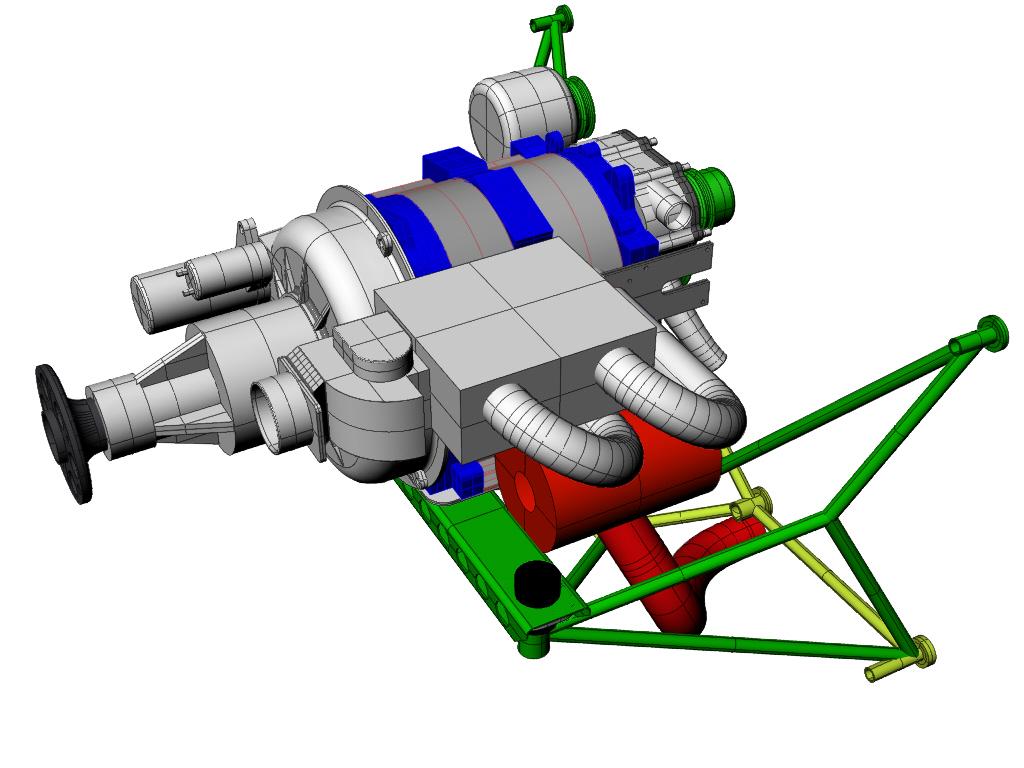
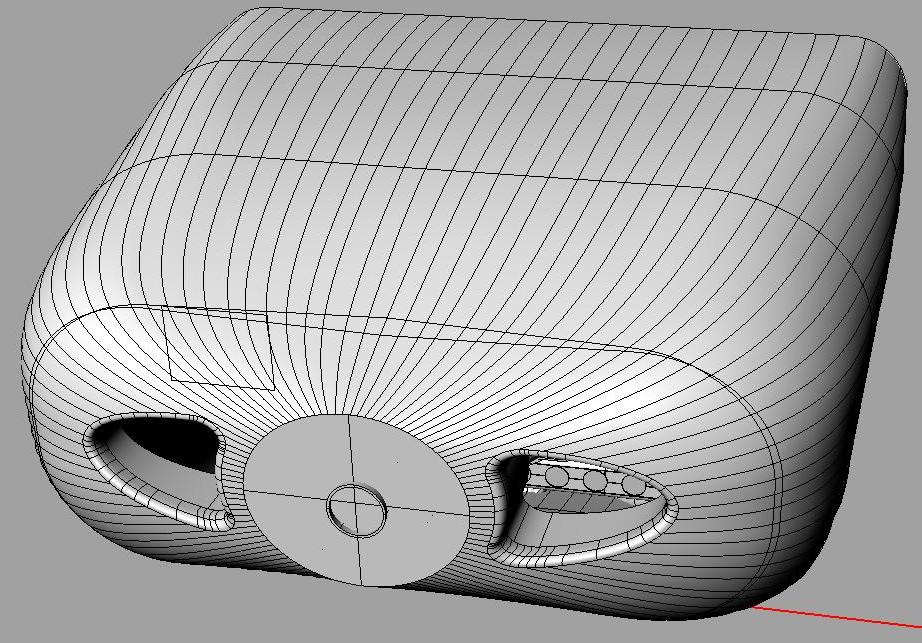
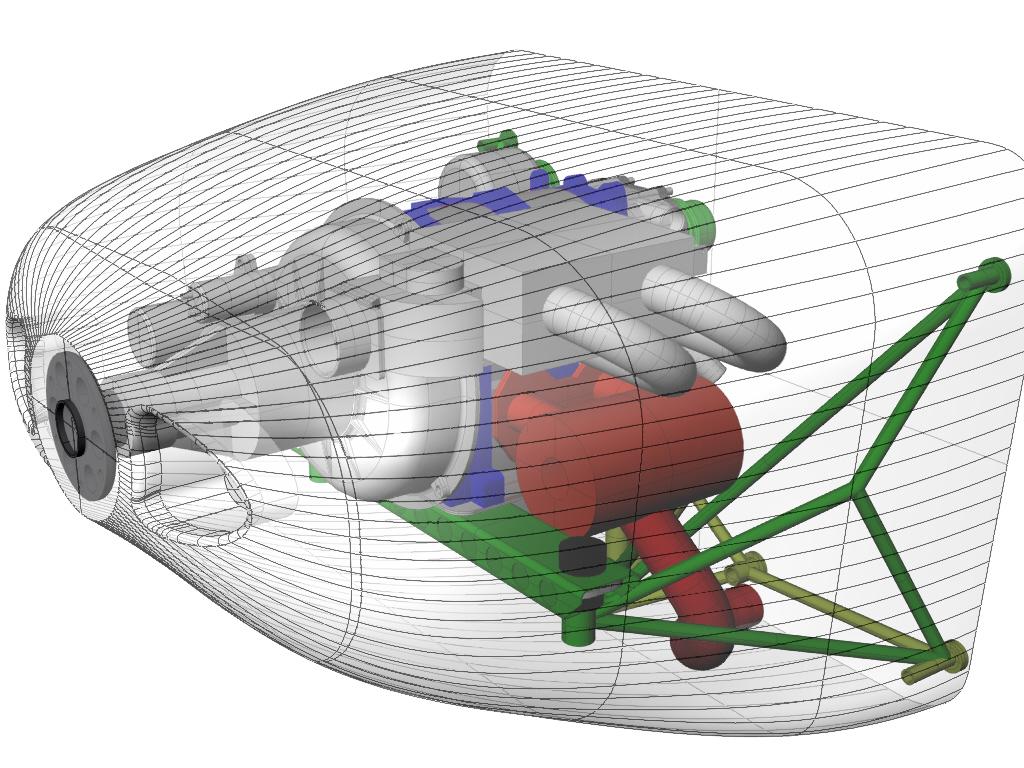
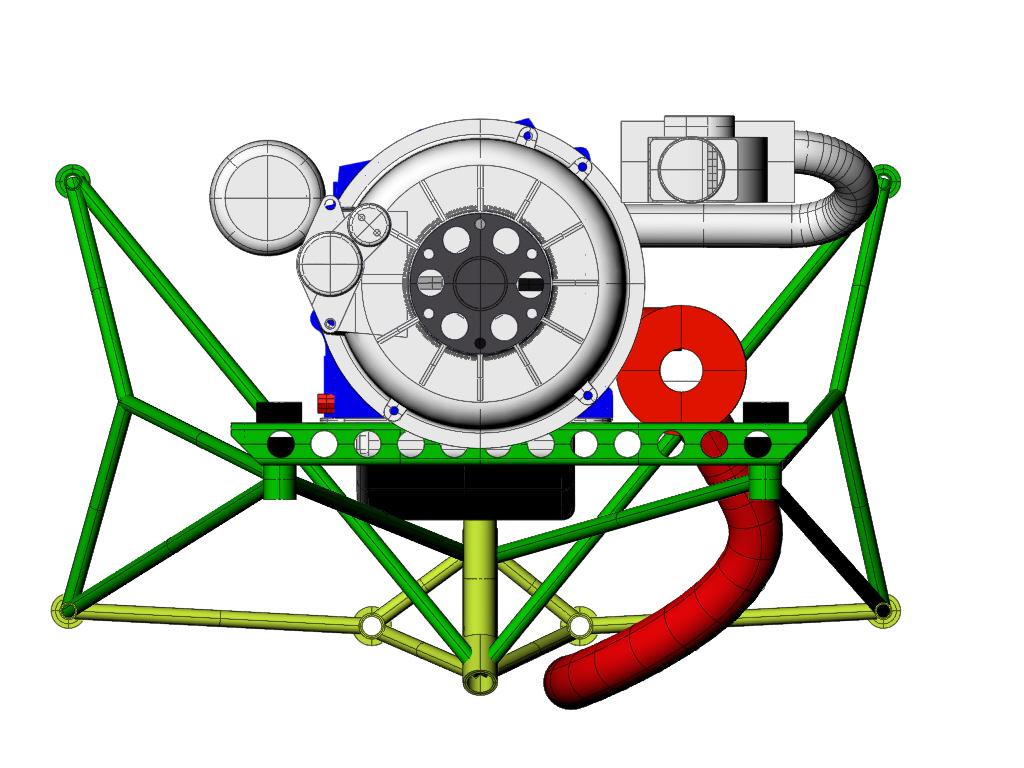
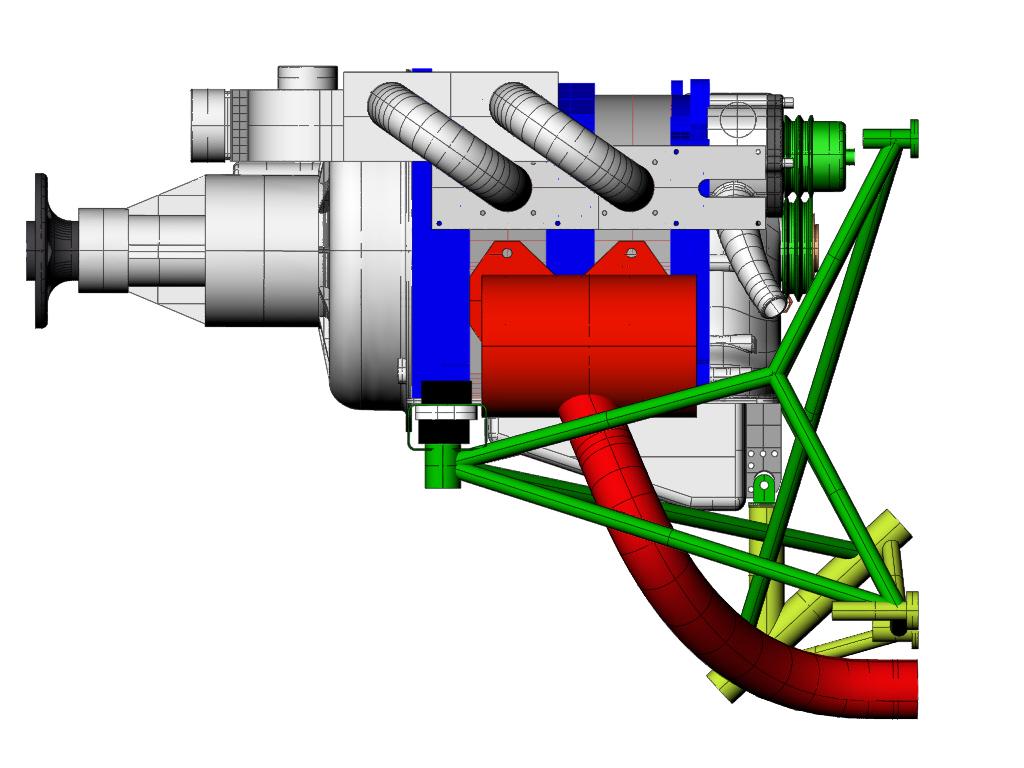
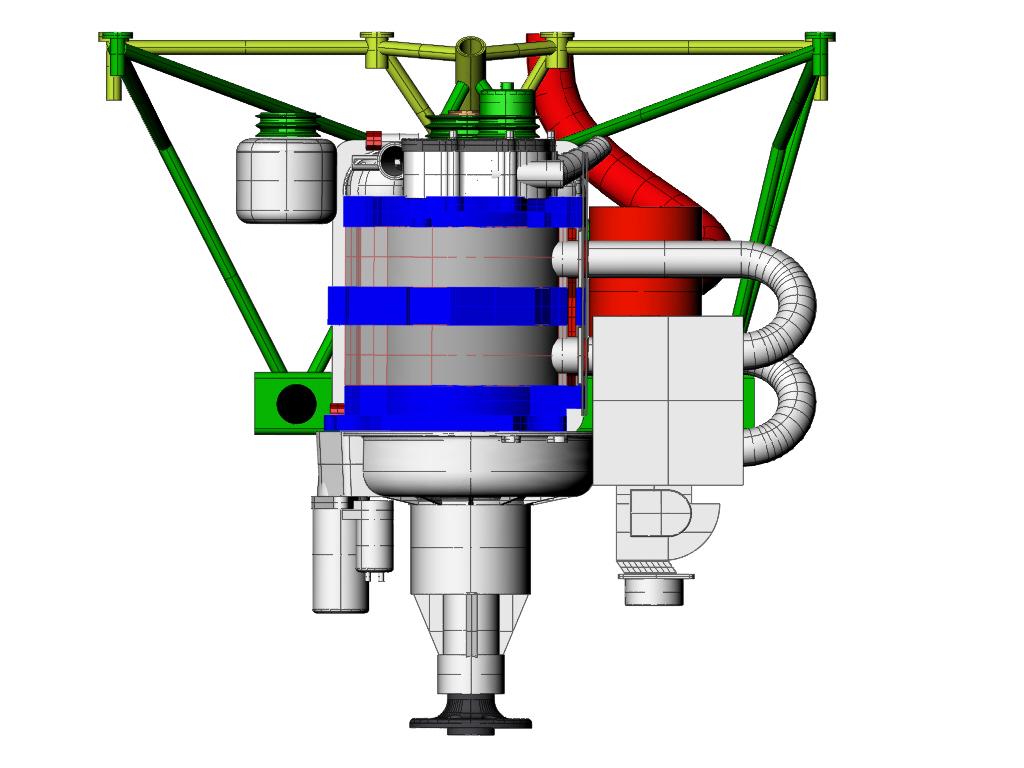
RAM AIR box and 2nd gen Mazda mass air flow sensor.
OK here is how the ram air box and Mazda 2nd gen mass air flow
sensor believe it or not it will fit under a stock RV7A cowl
with 19 inch long runners and the RX8 p-port engine.
The ram air box has plenty of volume at 4.25 inches high
9 inches long and 8 inches wide. There is room to double
the length if that proves to be necessary. It will contain the
fuel vapor spit back if any and I will build one for the upcoming
dyno test. I'll use the same one for the mechanical fuel injection.
I'll also test the mechanical fuel injection with and without
the 2nd gen mass air flow sensor to see how bad it affects
the power. There will be a slight pressure drop through
the 2nd gen mass airflow sensor and consequently a loss in HP
but I don't know how much yet.
If somebody gets a PicAXE system to me in time we will test that
as well. Target date is Jan 15th.
--
Paul Lamar ...No rotor no motor.
The Rotary Engine NewsLetter. Powered by Linux.
ACRE NL web site.
http://www.rotaryeng.net
Copyright 1998-2007 All world wide rights reserved.