Good morning Ben,
Here is a little something about the Diamond plane and their
engines. Nothing you probably don't already know.
Have a great holiday!
Tomas
> I see where Diamond aircraft is the only OEM buyer of the Thielert.
> The only market for that airplane is twin engine pilot training.
> I find it hard to believe anybody in their right minds would buy a
$750,000
> 163 kts twin for serous transportation. Chris Dries, owner of
Diamond, is enamored
> with diesels as diesel fuel in Europe is not taxed as highly as
gasoline.
> It is at least a dollar a gallon cheaper last time I bought any.
> The engine itself is a Mercedes econo box engine called the A
class in Europe.
> I rented one and drove it all over southern Germany, Austria and
Italy.
> I never saw more than about 170 clicks or about 106 MPH top speed.
> The diesel A200 CDI has 140 hp (104 kW) and 300 N·m (221 ft·lbf).
>
> As an aircraft engine it has a "TBO" of 1200 hours. At that time
it must be
> replaced and not overhauled. The FAA does not want people going to
their local
> Mercedes dealer and buying parts.
>
> What is amazing about it is a Mooney Ovation 3 gets better miles
per gallon
> based on the max range and the fuel capacity. Both have about the
same total
> HP. 135 HP each for the Diamond and 280 HP for the Mooney.
>
> 16.38 Nt miles/gallon Diamond
> 18.23 Nt miles/gallon Mooney
>
> What would you rather have a 197 Kts cruise speed Mooney Ovation 3
with a 2000
> hour TBO or a 163 Kts cruise speed Diamond Twin Star diesel where
you throw
> the engines away after 1200 hours with fewer miles per gallon and
a 1000
> miles less range? Not to mention a 200 FPM loss in climb rate.
>
> BTW the 193 Kts obviously is the never exceed speed in a dive for
the Twin Star.
>
> No contest :)
>
> Paul Lamar ...No rotor no motor.
Thomas and Paul;
Re: the specs on the Twinstar and your conclusions. There are a few
areas that I would like to clarify.
The engines are currently TBO?d to 1200 hours only because they are SO
new to the FAA. However Diamond is guarantying buyers an 1800 hour TBO
and in fact will pay for anything below that. Further they are striving
for a 2000 hour TBO and are hoping to get there before anybody reaches
that usage level.
The cost to REPLACE the engines once at TBO is LESS than a rebuild of a
similar gas engine. That works for me!
The plane can be purchased for well less than $600K in a basic
configuration, about $650K loaded. Still a lot of money, but NEW planes
are very expensive! New Mooney?s run $500-600K+ also!
The cost of fuel is one thing but the long term issue is that avgas is
going to disappear. It is now impossible to get in many parts of the
world. Jet A or the like fuels such as diesel, kerosene, stove oil,
French fry grease are everyplace. Unfortunately a lot of folks have had
to go to turboprops at lots more cost and double the fuel burn in order
to get away from avgas. The diesel plane could be a life saver in a lot
of the world just because of the fuel.
Twins in general are less efficient so to compare it to a single is not
reasonable. Most twins still flying or that can be purchased today burn
close to $200.00 of gas an hour. WOW And cost 1 million. There are some
people that simply will not get into a single engine prop plane. We
still need to have twins for them and for other applications such as
over water etc.
I have flown the Twinstar and it is not breathtaking by any means,
however it is a start. Improvements have been made even in the short
time it has been on the market. The engine has gone from a 1.7 liter to
a 2.0 liter in the last 6 months. A key to improving the package is to
increase the ceiling and the power output at higher altitude. If they
can get an engine producing 200HP and keep that power up to 18,000 feet
that would be the ticket. You would then have a 200 Knot cruise speed.
You have to burn 35 Gal per hour of avgas and spend 1 million to do that
in a new twin today. The Twinstar would burn HALF that fuel and would be
cheaper to purchase.
I fly a Turbocharged Cessna 182 with a glass cockpit and find it to be
competitive with driving a car fuel wise and obviously much faster.
So the most efficient solution is to WALK barefoot and eat lentils, a
billion Indian?s can?t be wrong! ;-)
Best Regards,
"An American Rancher"
Ben Lindner
People have been saying Avgas is going to disappear for ten or fifteen
years but it has not happened yet as the vast majority of air cooled aircraft
engines sold for the past ten or fifteen years require 100 LL. What
is disappearing is 87 octane.
If pigs could fly you could get 200 HP out of a 140 HP 2 L
econo box diesel engine.
If you want to buy these engines new pop over to Europe and go to
any Mercedes dealer, pay them less than $5000 each for A class engines
and tell them you are going to export the engines and save the 18%
to 20% "value added" tax.
The US is the largest market for private airplanes in the world.
Diesel fuel cost about the same as 100LL because it gets no
tax breaks unlike in Europe.
There is near zero private planes in Japan and the rest of Asia.
The European and British people hate private airplanes judging
by the way they make draconian rules and tax the hell out of
anything to do with private flying.
My 150 MPH C182 get 13 MPG while my Honda Odyssey has a higher payload,
cruises at 85 MPH, gets up to 28 MPG and there is no preflight time.
I also have a vehicle to drive around in when I get where I am going.
It is cheaper and much faster to fly commercial if I am going over 500
miles. If I am going under 500 miles and there is a head wind I get
there door to door faster in the Honda.
Now if you are living on a ranch you can get diesel fuel at bargain farmer
prices with out paying the fuel tax.
---------------------------------------------------------------------
Lets check some numbers here.
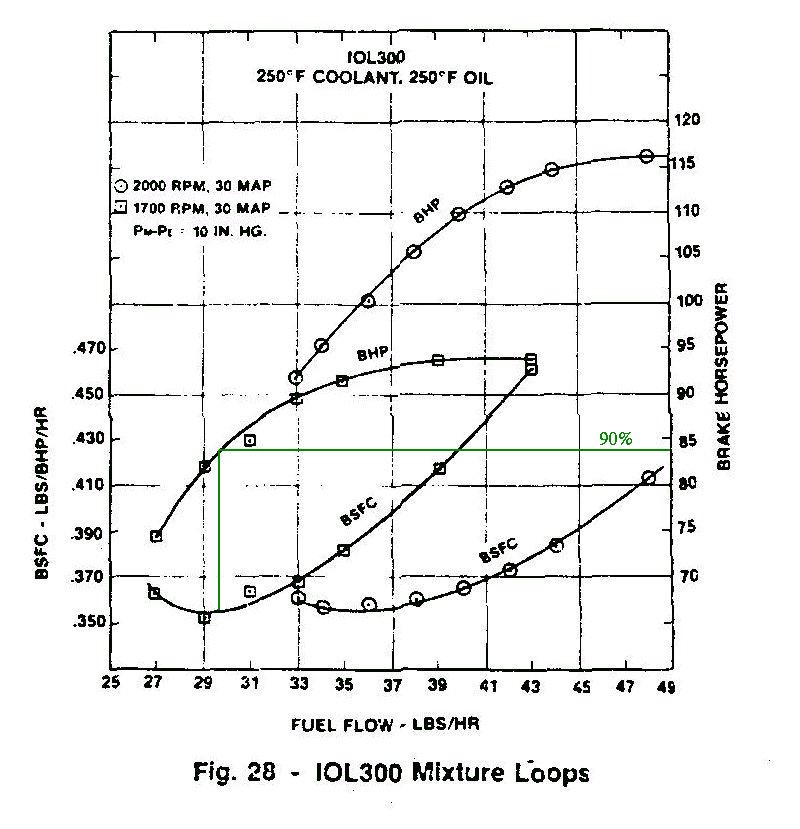
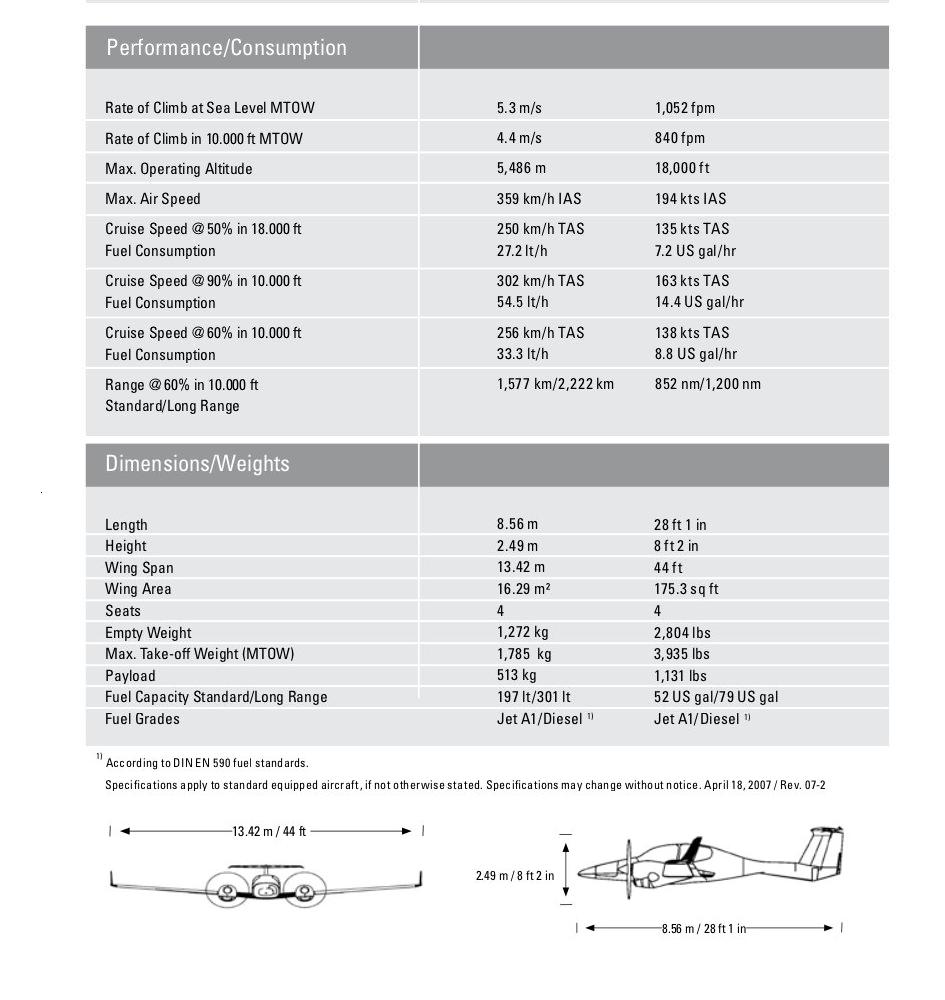
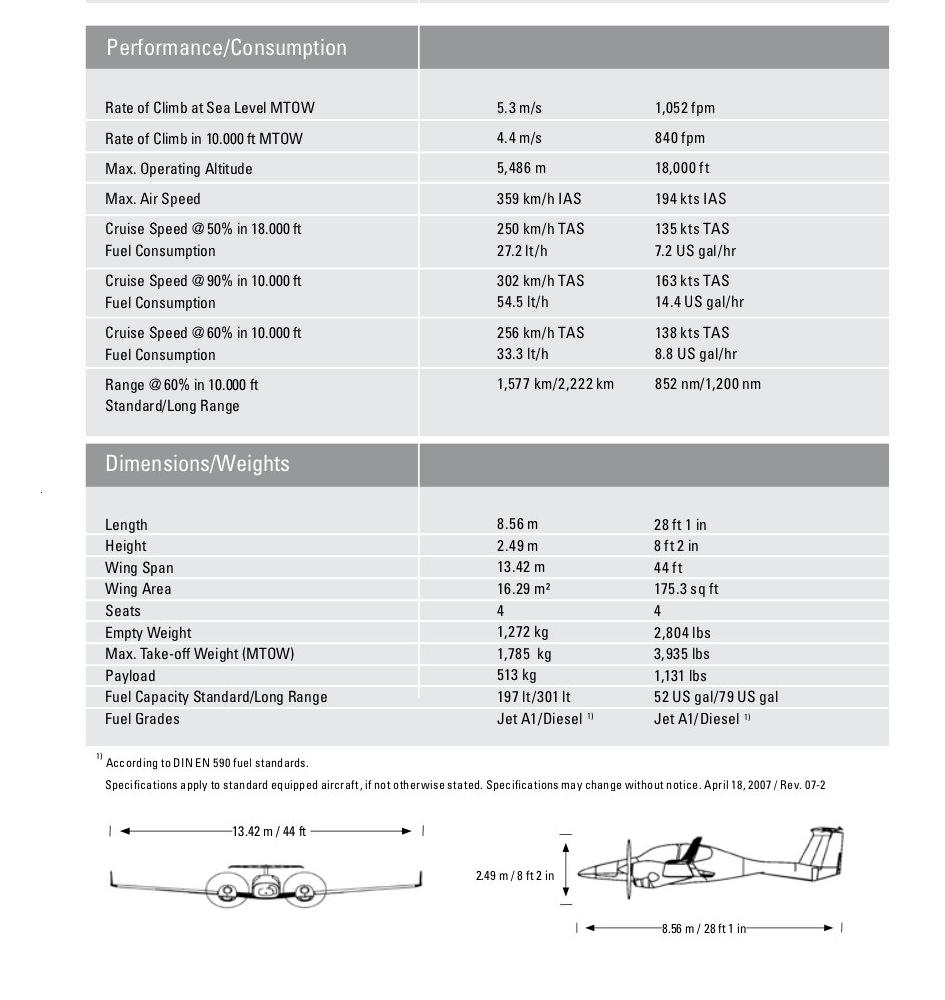
Looking at the Diamond fuel burn chart the fuel burn is
14.7 gallons (90% power) an hour or 102.9 pounds (7 pounds per gallon) per hour
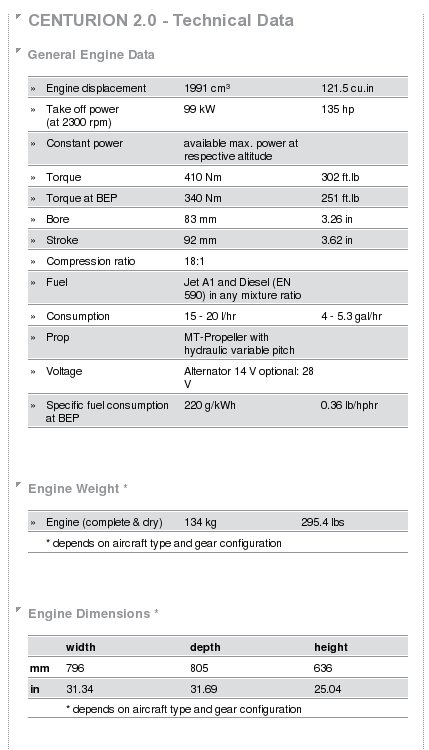
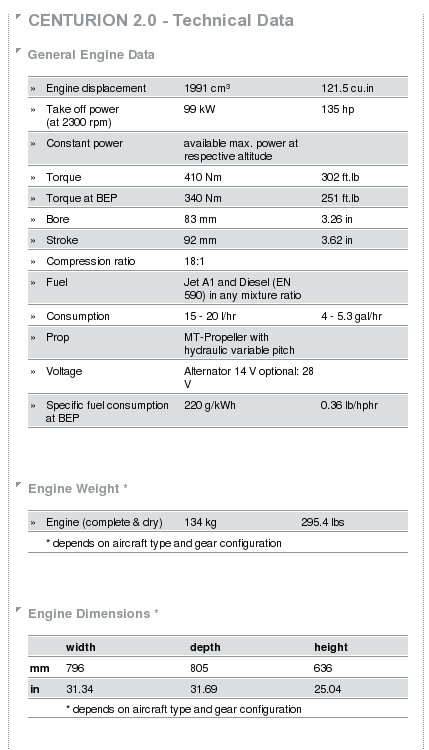
for 243 total HP and is a BSFC of .42 and not .36 as claimed in the engine chart.
These are Diamond's own numbers. Last two attachments. I am not making this up.
Mr. Thielert is either ignorant of diesel burn characteristics or he is lying.
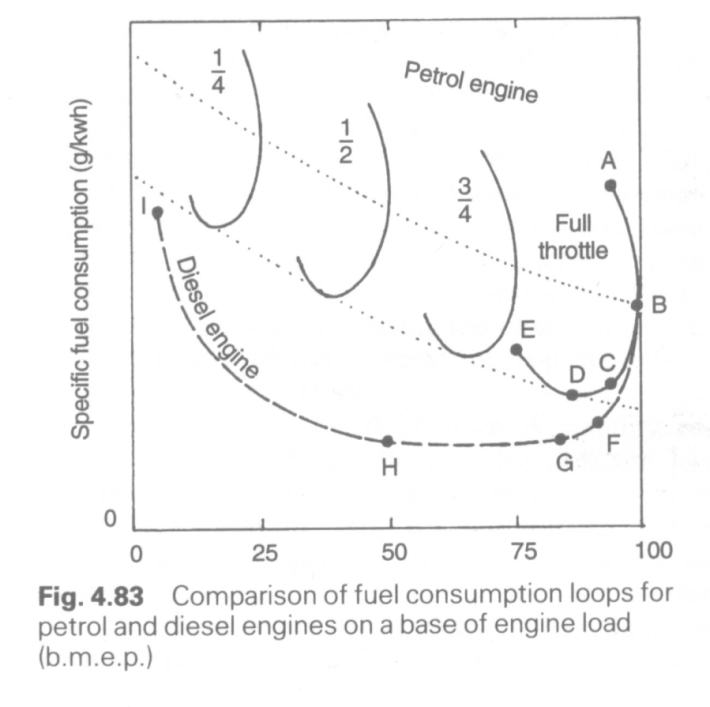
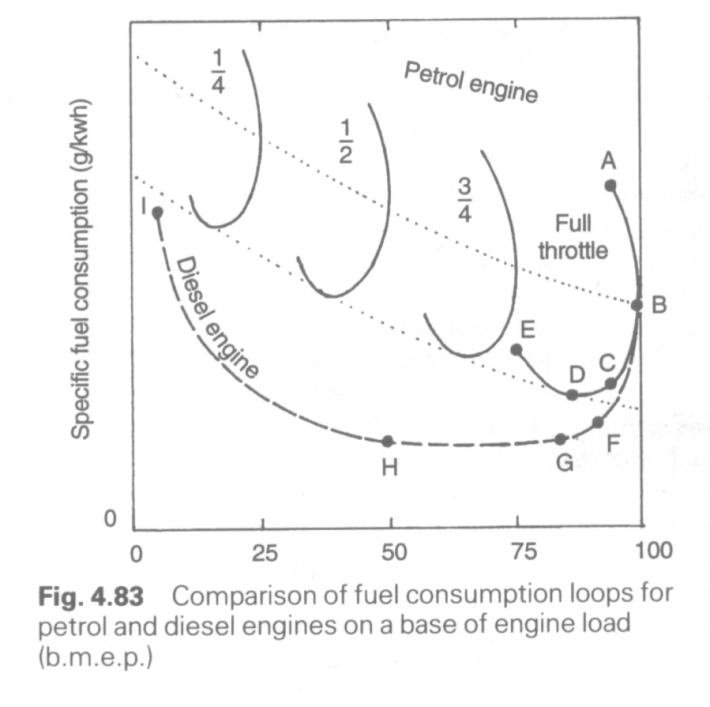
Here is what happens in a diesel engine BSFC when you run it near full power.
The BSFC rises to approach the BSFC of a gasoline engine. Surprise!! Surprise!!
Most Lycoming engines can achieve a BSFC of .45 and most Continentals
when leaned 50 degrees lean of peak can achieve about the same .43 BSFC at
85 to 90% power. A non-turbo compound rotary leaned to about 150 degrees lean of peak
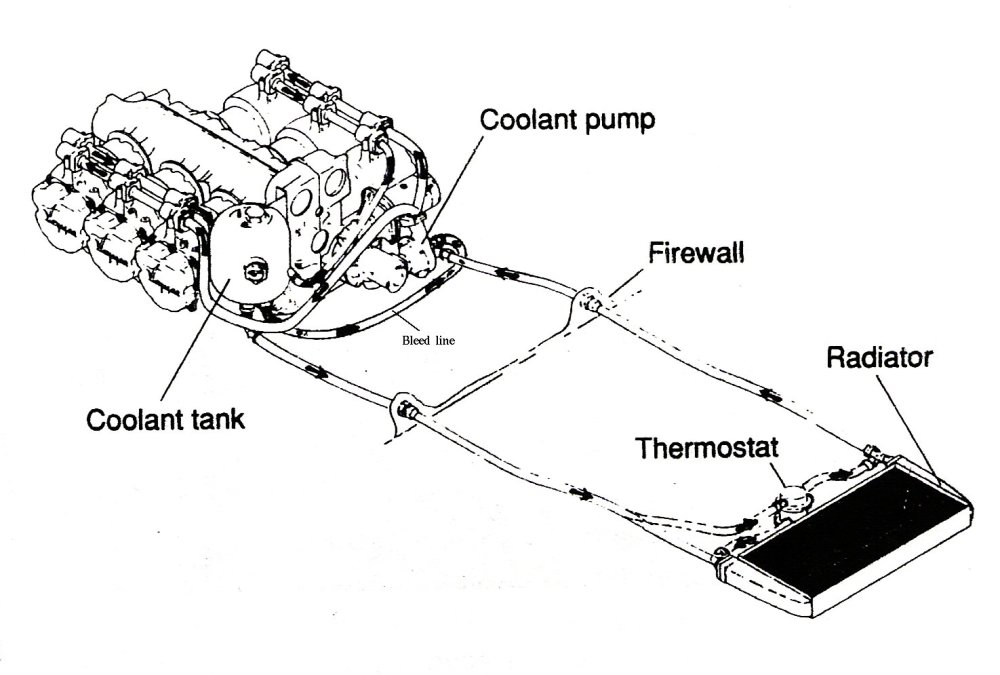
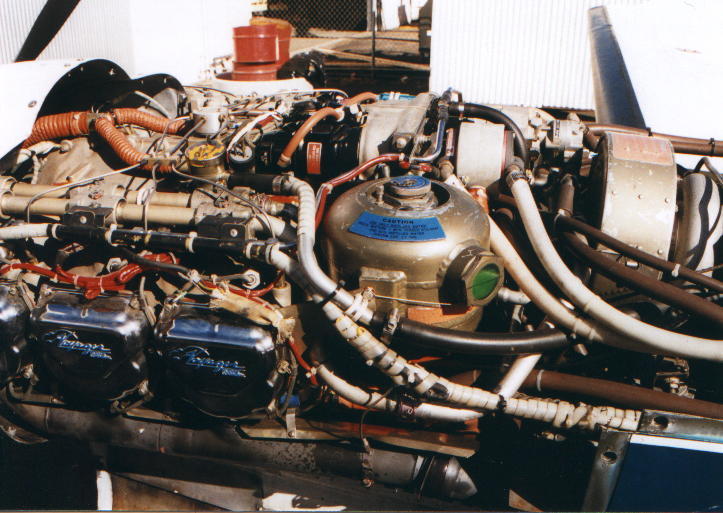
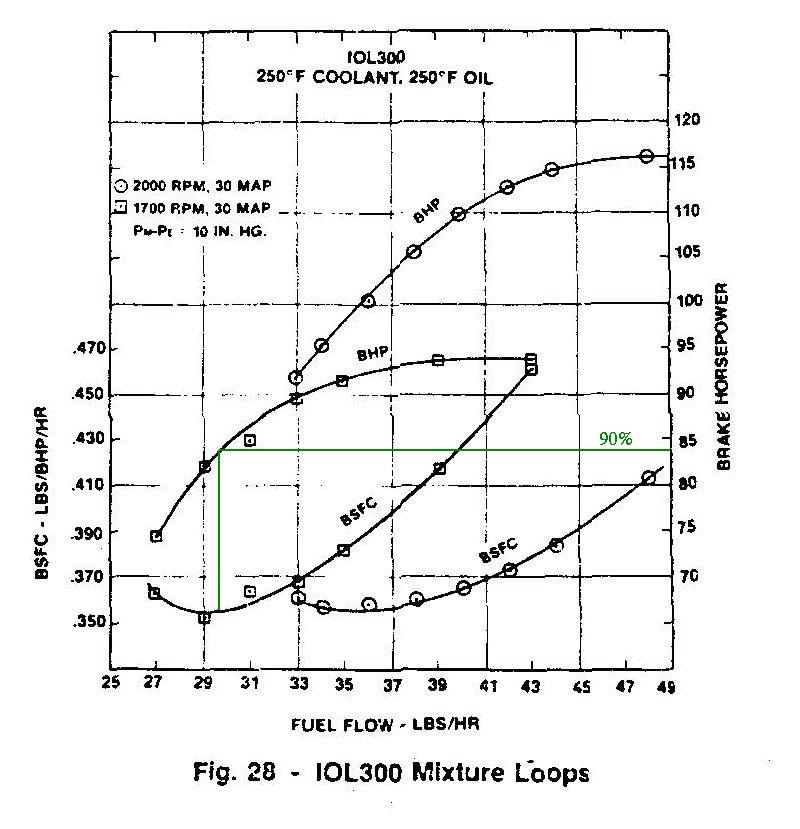
is about .47. A liquid cooled Continental Voyager IOL300 engine similar to that
used in Rutans around the world un-refueled aircraft Voyager achieved a BSFC of
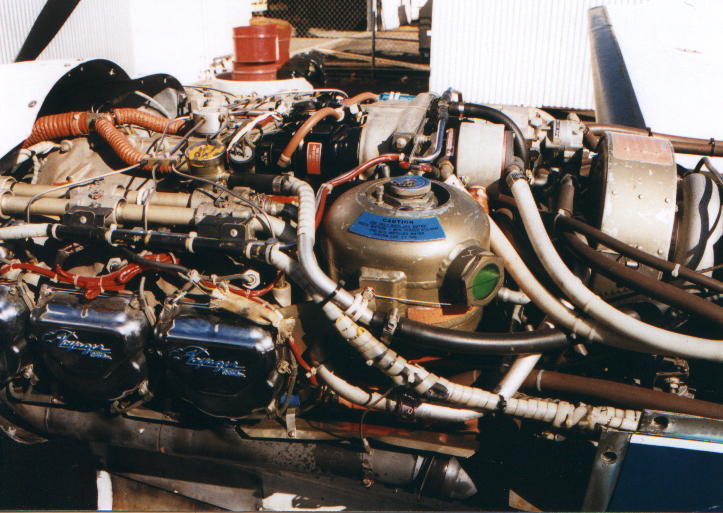
.36. Second attachment. Why don't you buy an American twin with a couple
of those engines? :) Third and fourth pictures. Don't confuse me with
the facts my diesel mind is made up :)
The 2 liter diesel engine weighs 295 pounds and puts out 135 HP. That is a power
to weight ratio of 2.2 pounds per HP. A p-port rotary and most air cooled aircraft
engines weigh one pound per HP. A Continental IO 360 six cylinder weighs around
300 pounds and a side port 200 HP rotary weighs around 250 pounds less cooling.
Lets say we scaled the diesel engines up to 200 HP each so total power would be
400 HP and the engines would burn 168 pounds per hour or 24 gallons an hour total.
Each engine would then weight 200/135 times 295 pounds or 437 pounds each.
The empty weight of the aircraft would go up at the same ratio or
200/135 times 2800 or 4,148 pounds. Airplanes and cars cost by the
pound so the cost would be 650K X 200/135 or 963,000 dollars.
Diamond and Thielert have a small twin training aircraft market
to them selves as there are no American light twins made any more. A couple of
Continental IOL-200's in a small two place twin would make a great training
aircraft. It would not cost 650K either and burn less fuel than the Diamond
Twin Star.
--
Paul Lamar ...No rotor no motor.
The Rotary Engine NewsLetter. Powered by Linux.
ACRE NL web site.
http://www.rotaryeng.net
Copyright 1998-2007 All world wide rights reserved.