Hi Paul,
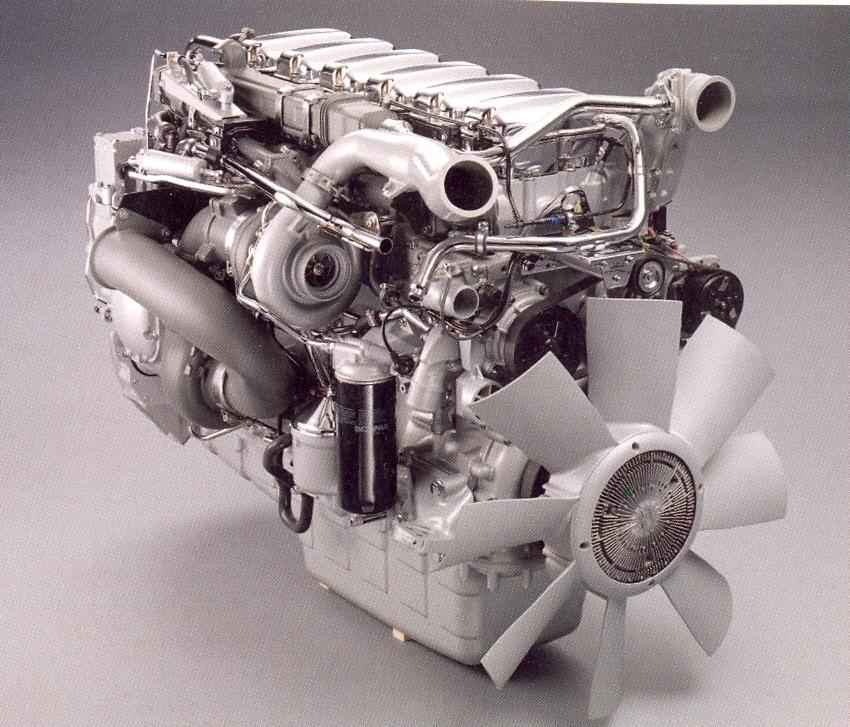
right now we have just such a Scania Turbocompound in our department
here, unfortunately not for engine tests. As it is borrowed from the
dealer we also cannot rebuild it to pieces ? what a pity.
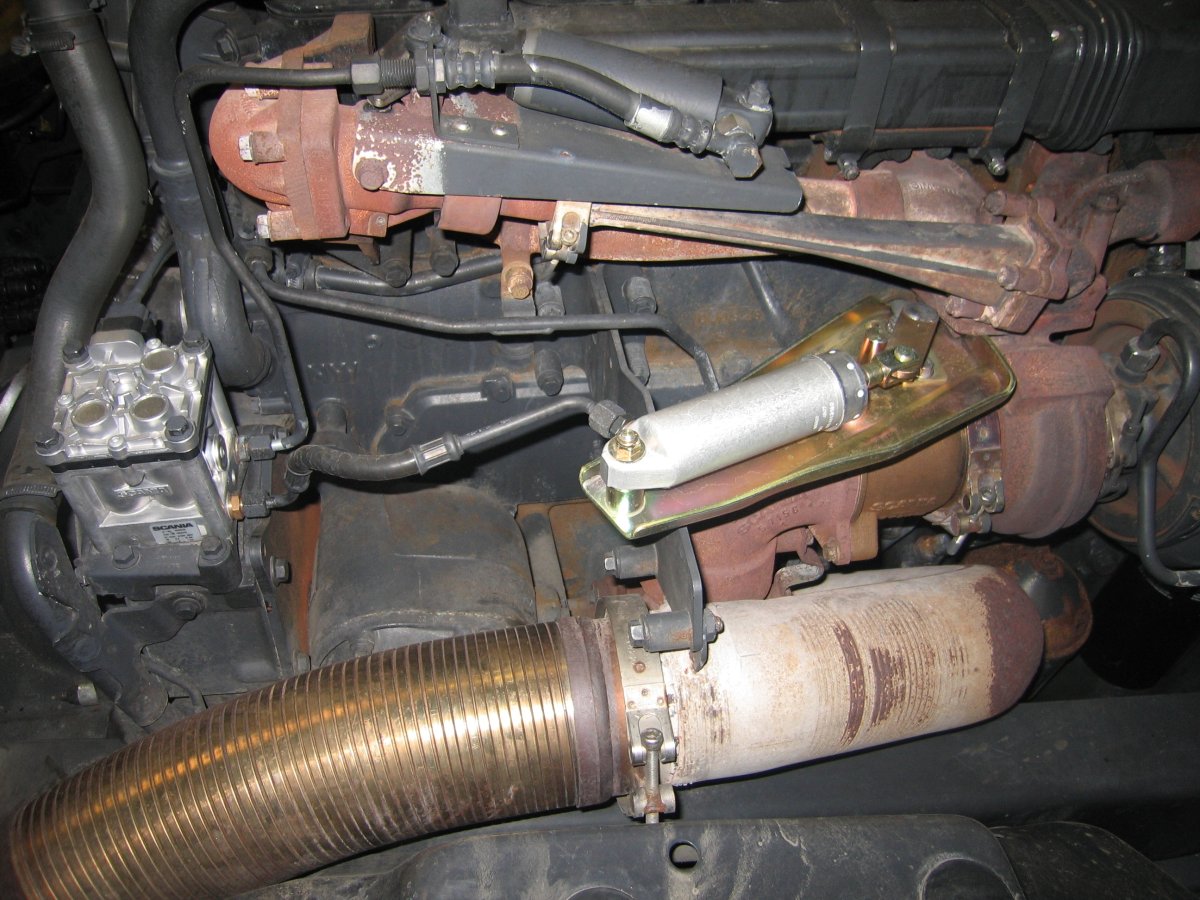
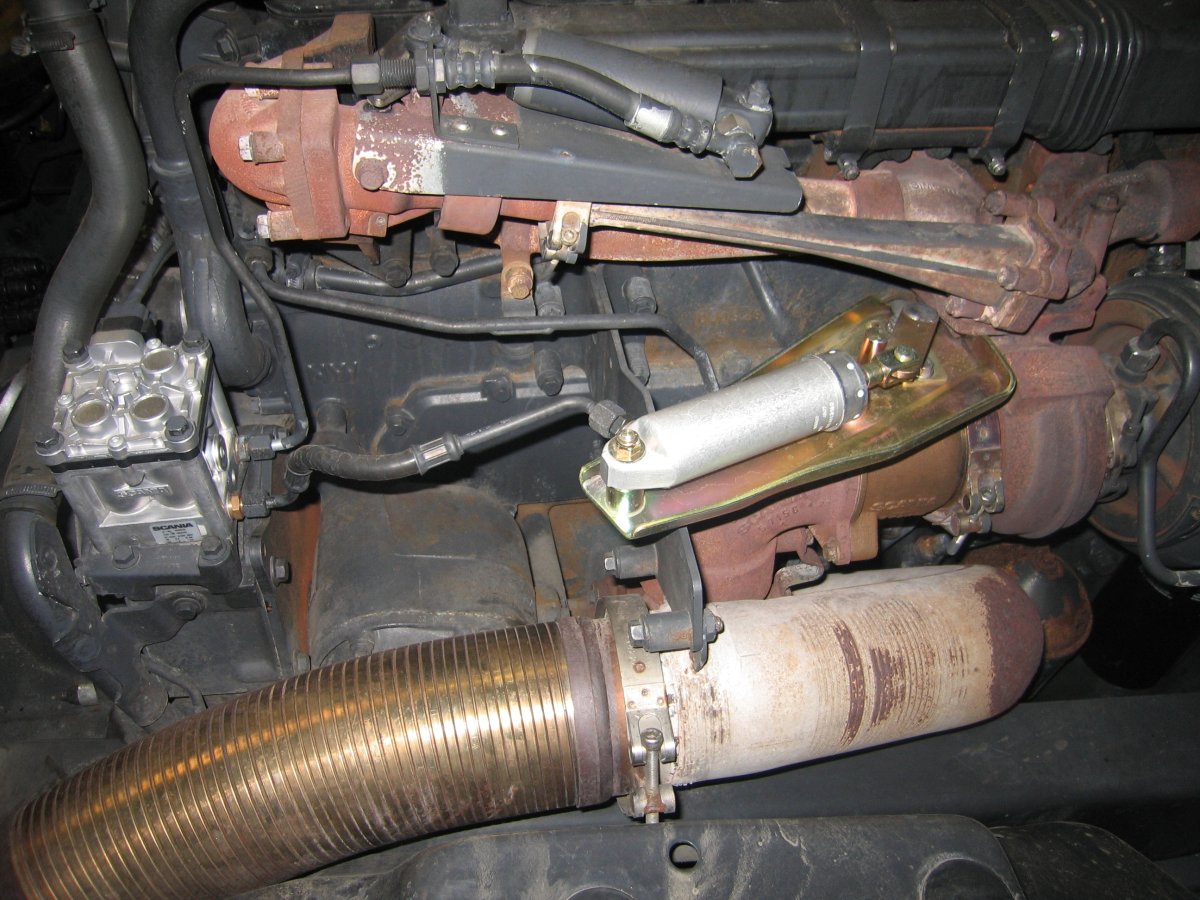
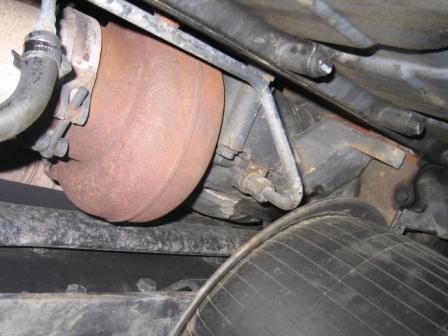
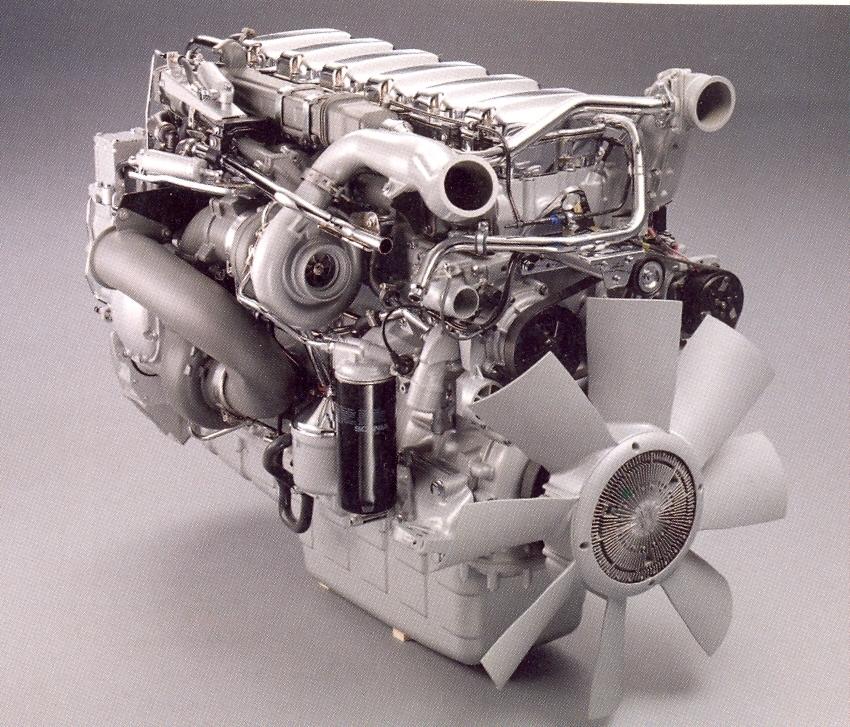
This one on the photo is 3 years old with 300,000 miles done. It is one of
the 3rd generation of Scania Turbocompounds with map controlled exhaust
gas recirculation to meet the Euro 4 emission limits (1st generation was
back in the 1980s, 2nd the one from early 2000 with increased power 420
to 470 HP by Turbocompound).
The long small iron part is the exhaust gas recirculation going into
that big rail on the top of the photo. It is cooled by cooling water and
goes into the intake right behind the Intercooler. This recirculation
can be throttled by the hydraulic cylinder on the top. There is also a
cylinder with throttle between the 2 turbines ? for what? Both are
controlled by the silver box on the left. Below that box is the
connection to the flywheel or gearline. The big thing between that box
and the 2. turbine seems to be the hydraulic converter.
According to the dealer 40% of all the Scaniaīs have that Turbocompound.
Mostly the owners and drivers donīt know what "exotic thing" they have.
Let me know if you need any detailed photos or dimensions.
Reiner
Interesting Reiner. Thanks for the info.
I assume the blow down turbine is behind the large duct in the foreground.
It would be nice to have a picture of that. Please take a picture a
little to the right of this view.
Paul Lamar
Paul,
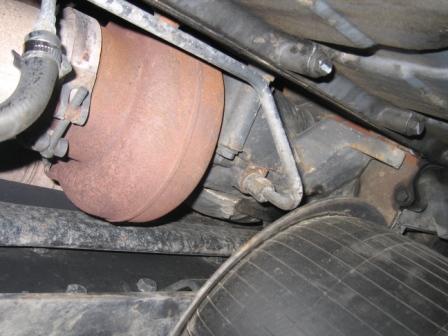
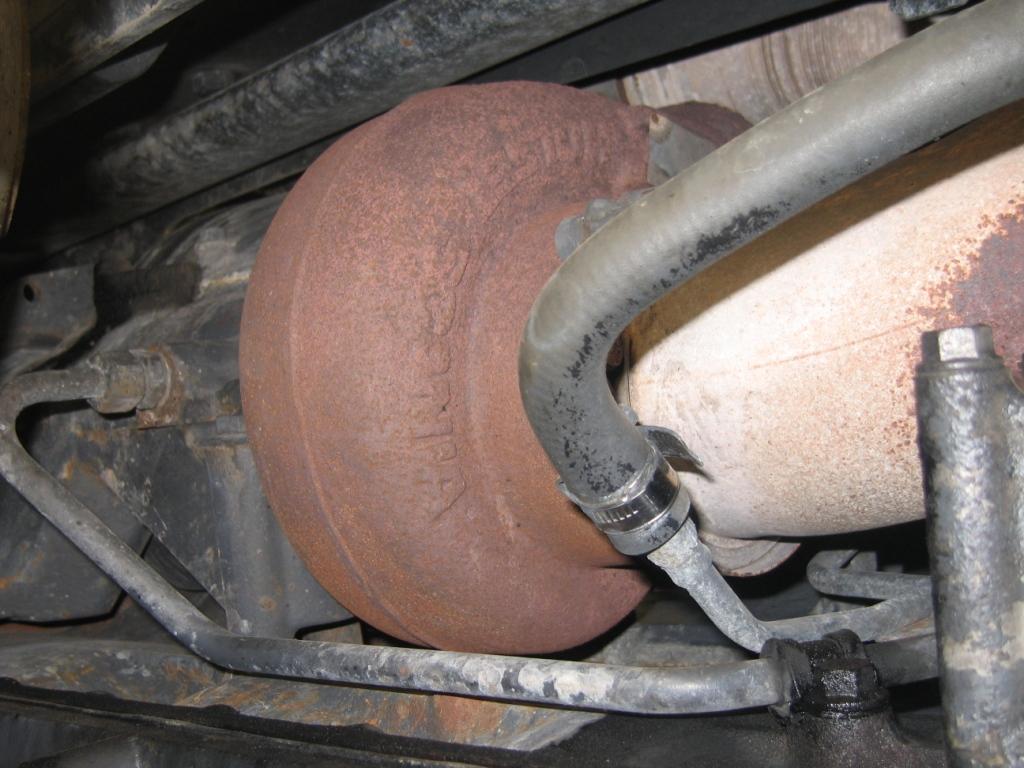
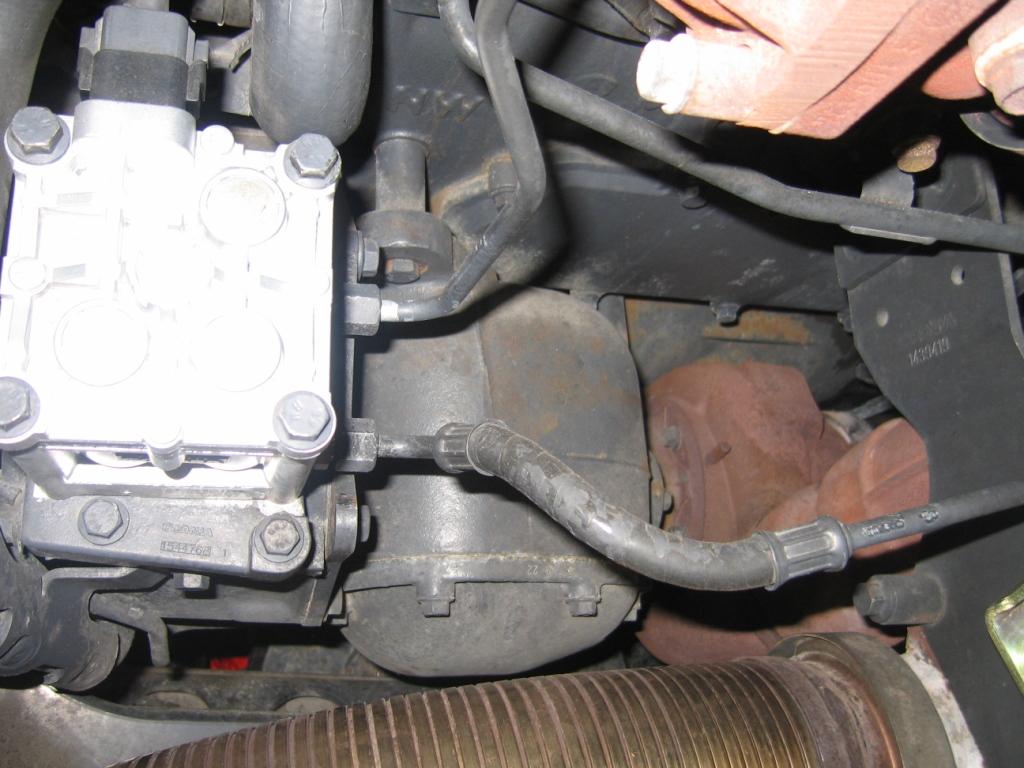
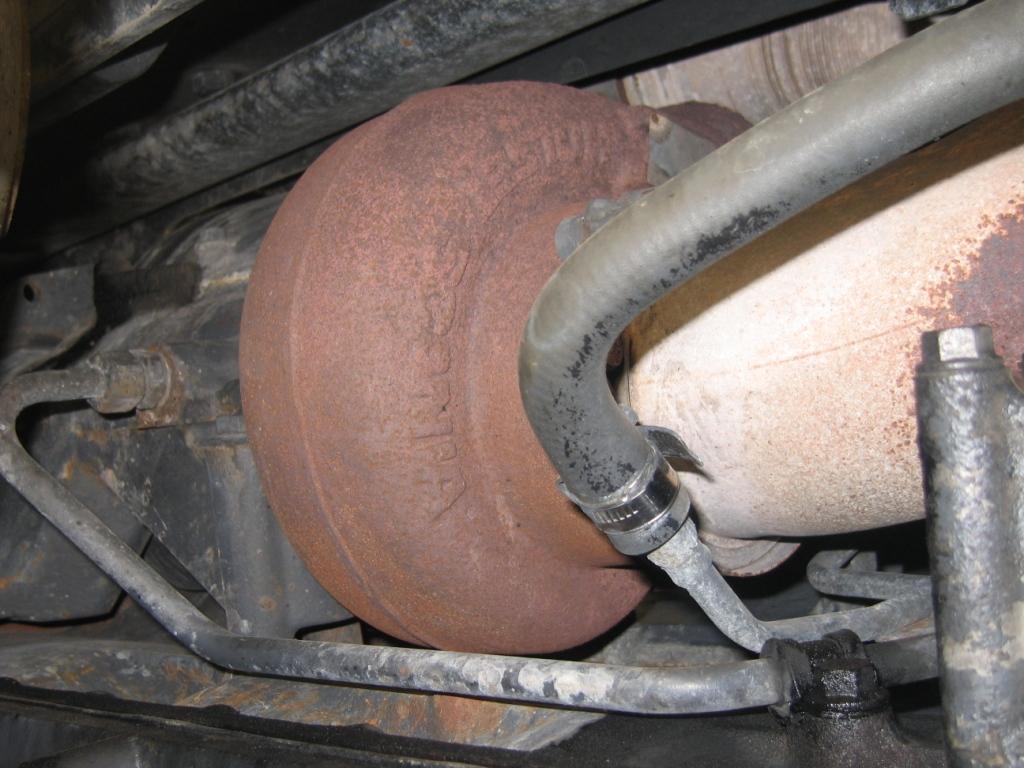
the large duct is the exhaust coming out of the blowdown turbine. It is
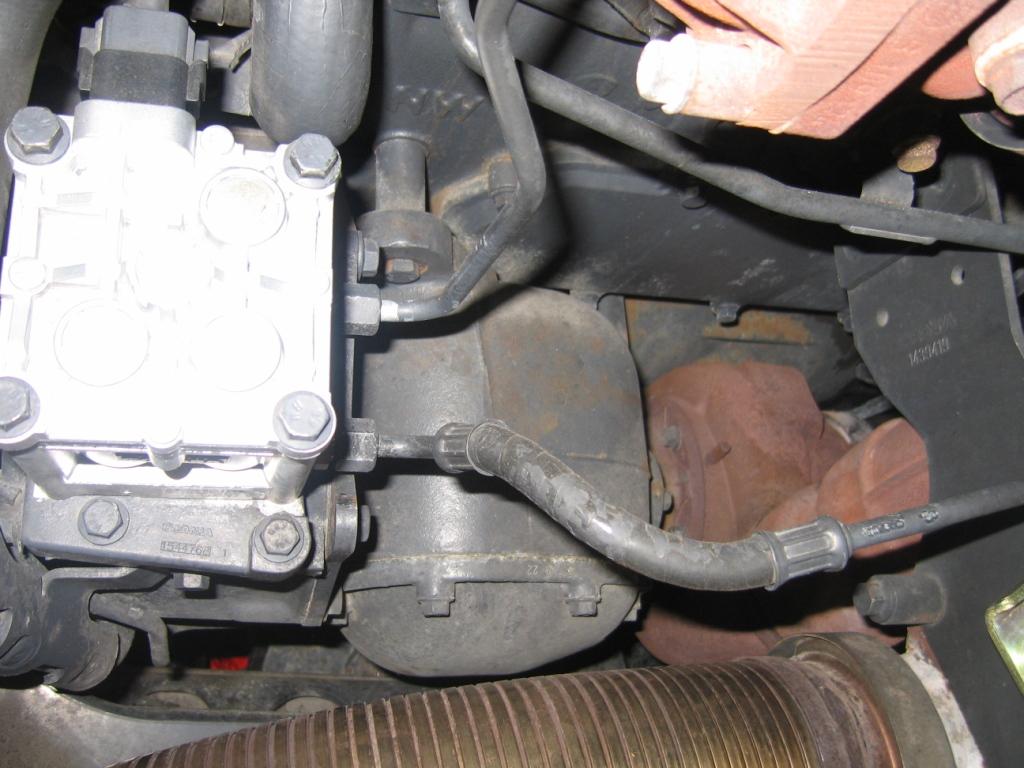
difficult to catch it with the photo behind that. Here is another one
from the top and two from the below. The plate with the type number is
burned a little bit, but I think it is a Holset type 72 turbine.
Reiner
Thanks Reiner those last pictures you sent make it more clear.
Paul Lamar ...No rotor no motor.
"Scania turbocompound;
Turbocompounding creates extra power by converting "wasted" energy.
Turbocompounding seems to defeat the laws of physics by creating energy out
of nothing. It works by recovering energy that would otherwise be lost, or
wasted. It is a classic example of recycling. Instead of expelling "wasted
energy" via the exhaust pipe, more heat is extracted from the exhaust gases
by a second exhaust turbine downstream from the turbocharger.
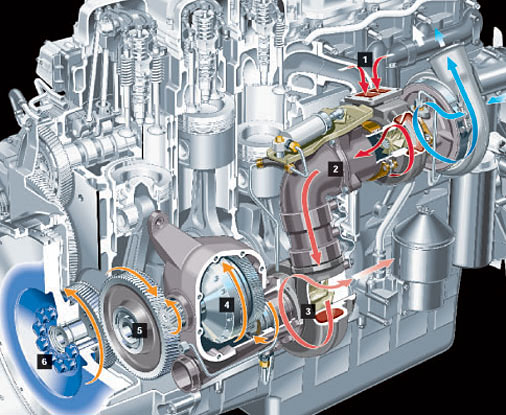
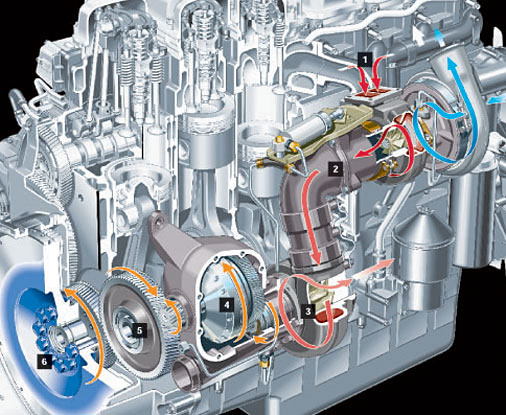
The second turbo (the turbocompound turbine) spins at 55,000 r/min. This
motion is passed through turbine gears and a hydraulic coupling, then
through the timing gears to the crankshaft. Stepping down the revs produces
a useful boost in torque, which when reaching the flywheel adds momentum.
You get this extra driving force without increasing expenditure on fuel.
The economical green band on the rev counter provides a wide range of
economical engine speeds, making life easy for the driver. The engine
exhibits great flexibility. The rotation of the crankshaft benefits from the
constant extra drive coming from the turbocompounding process, helping to
even out the rhythmic pressures induced by combustion. So the engine runs
more smoothly."
The Rotary Engine NewsLetter. Powered by Linux.
ACRE NL web site.
http://www.rotaryeng.net
Copyright 1998-2007 All world wide rights reserved.