> Paul
>
> Have you seen this?
>
>
http://www.wipo.int/pctdb/en/wo.jsp?wo=2004074655
>
> Erik Wahlstrom
>
> Very interesting but so far I don't understand exactly what it
> is they are trying
> to do and I am not a lawyer let alone a patent lawyer :)
> Combining a Wankel
> rotary with a turbine is a good idea no matter how they go about it.
>
> However there must be something beyond that I don't understand
> or they would never get a patent.
>
> The dwg's are not too clear. Too bad they don't allow 3D's in patents.
> --
> Paul Lamar ...No rotor no motor.
The two inventors are living about 15 minutes from my house. If you
need me to get a hold of these men Paul. I should give a try. Who
knows they might like this forum. What do you think Paul?
Marc J
NexusMustang
I think it is a good idea. If they wish I will do a 3D version of the dwgs
in this patent to make it easier to understand. I still have not figured
out what exactly they are bringing to the table :) They also need to explain
the kinetic energy difference in the rotary as compared to a an ordinary
piston engine with exhaust valves.
Thanks Marc.
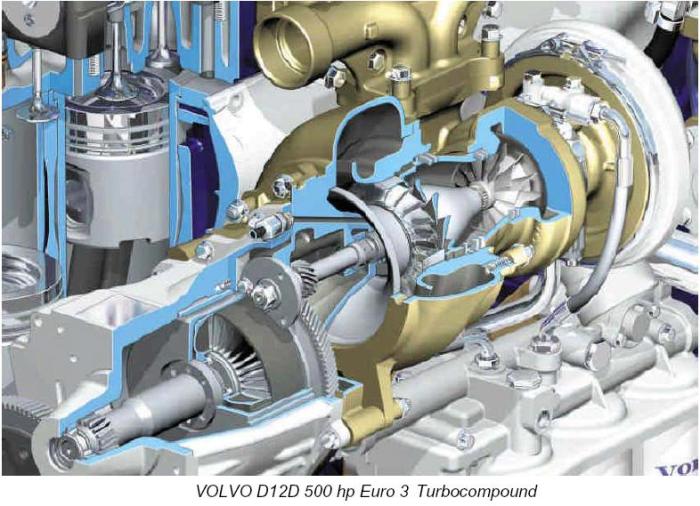
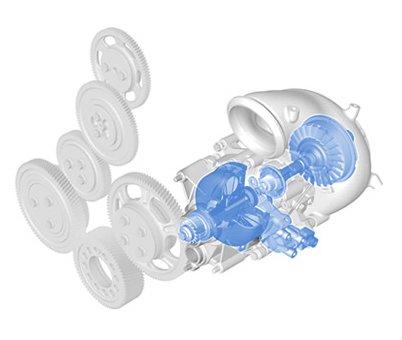
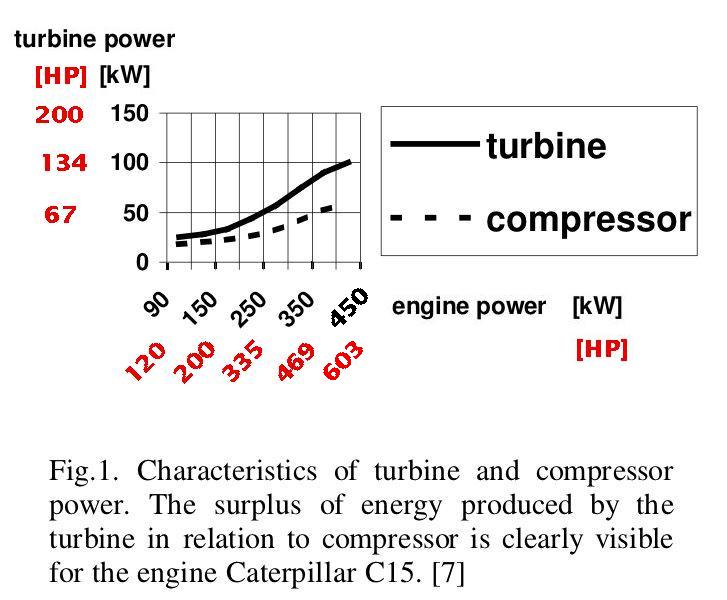
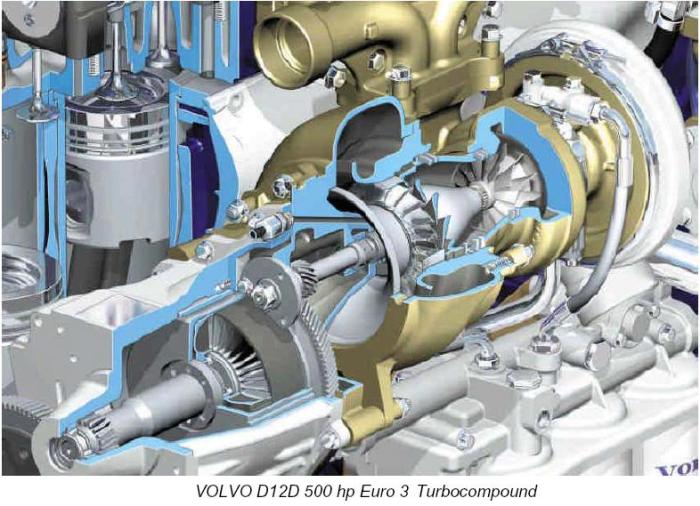
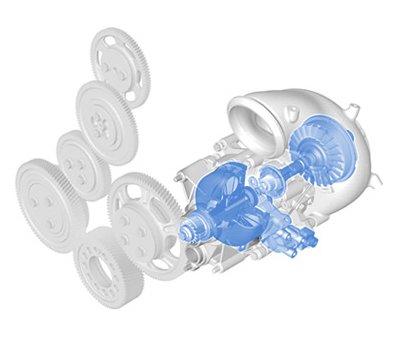
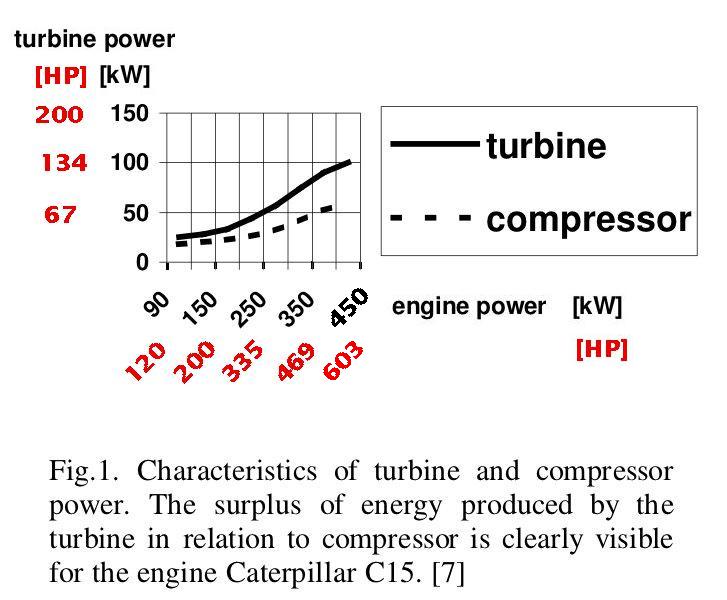
BTW notice in both the Detroit Diesel and Volvo implementation of the turbo
compound both are exploiting the helical energy in the turbo charger turbine
exhaust. This is analogous to the wasted helical energy in a prop driven
aircraft situation. Scania needs to clean up their act aerodynamically speaking
as there is at least one 90 degree turn in the plumbing between turbo charger
exhaust and blow down turbine. That turn significantly reduces the kinetic energy
available for the blow down turbine. We know that to be true because of the
volumetric efficiency advantage of the p-port rotary compared to the side port
rotary.
I also just discovered that Scania has been building turbo compound diesel
engines since 1991. Looks like it has taken close to 20 years to catch on
probably due to the less than ideal configuration of the Scania design.
Detroit Diesel also needs to streamline the exhaust manifold between the
exhaust valve and the turbo charger turbine.
Turbo compound truck engines are now becoming a band wagon.
Apparently Volvo has a come up with a similar configuration to that of
Detroit Diesel. Hard to say who invented it first.
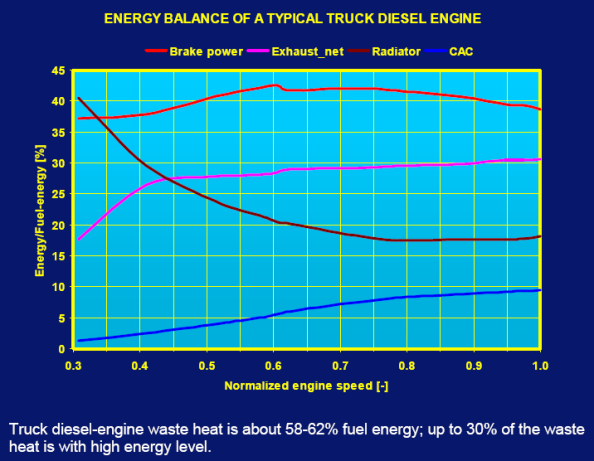
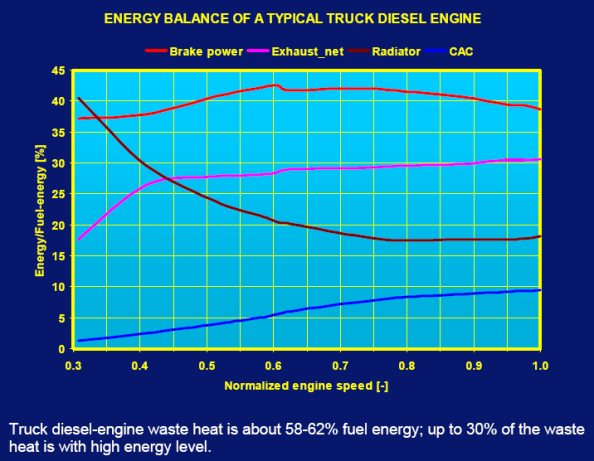
What is quite amazing is the diesel guys have pulled it off with much
less waste heat in the diesel exhaust than that available in a piston
gas engine. A Wankel rotary has at least twice as much kinetic energy
in the exhaust as a piston gas engine.
I predict the turbo compound Wankel engine will become the engine of
choice, first in prop driven aircraft or helicopters, generator sets, boats
and then in cars. There is a lot of engineering work to be done so I
hope Mazda starts soon.
Paul Lamar ...No rotor no motor.
The Rotary Engine NewsLetter. Powered by Linux.
ACRE NL web site.
http://www.rotaryeng.net
Copyright 1998-2007 All world wide rights reserved.