> Does anybody know the provenance of this bolt? It looks
aerospacey.
> The letters on the head are B30US8 and the other edge has a
cursive
> type 'A'
> I was wondering about using them for mounting the motor.
>
> Chris Cosman
>
> Chris,
> By the large radius under the head, it is most likely a
structural
> bolt.
> If you have a spare, you could hardness test it. Probably way
> stronger than
> you need.
> Larry
> Its a nickel alloy 718 bolt, 1/2-20 UNJF-3A thread, with 220
ksi min
> tensile and 125 kis min shear strength (very strong, well above
grade
> 8). If its used in high fatigue applications, it should be
limited
to
> about 114 ksi.
>
> John Bell
Thanks John. Where did you get your info?
Chris
I agree that that's a high temperature Inconel 718 bolt. I have the
spec in
my office but I'm snowed in so far this morning.
The issue is that it does you no good without the nut. I'll get the
spec on
those, too.
-Ben
I recently replaced the bushings that isolate the steel tube motor mount
from the aluminum fuselage on my 182. I was sort of disturbed by the by
the seemingly small size of the bolts used for the task. There are a
total of four (I think) AN-4 size bolts holding 450+lbs of shaking and
shivering Continental to the front of the airplane. Granted, the mount
design takes advantage of good structural efficiency - a big firewall
allows good triangulation angles.
I don't know the purpose of using this kind of bolt for a motor mount..
Unless you're on an aggressive, airframe-wide campaign to reduce weight,
going to something exotic doesn't seem like it's going to be worth much,
and likely just makes future service more annoying - should the bolt
ever get lost or damaged. Even if the bolts are free, similar AN bolts
of known provenance can be had for a reasonable price.
I guess if you're having to make up for another design compromise - bad
mount geometry or having to run an exhaust stack too close to the bolt -
exposing it to prolonged high-temperatures maybe it's a deal.
Regards,
Matt-
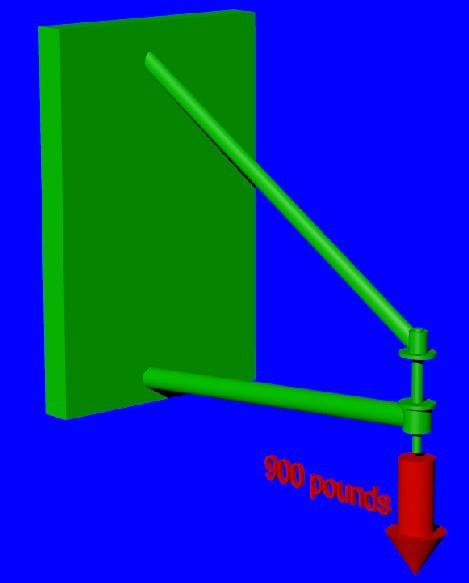
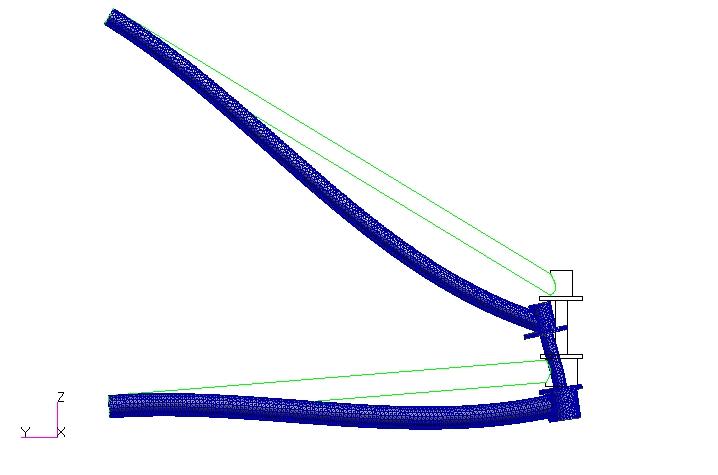
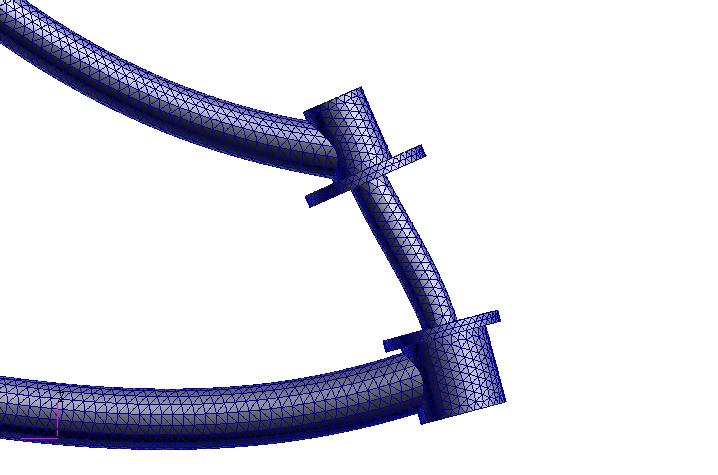
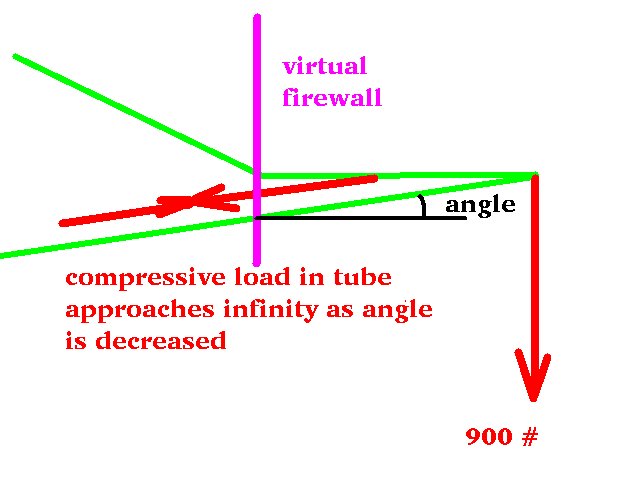
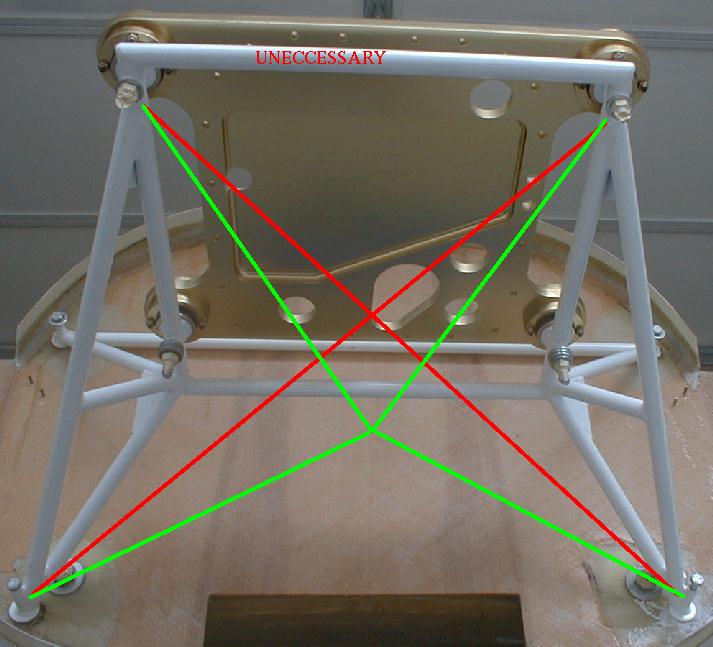
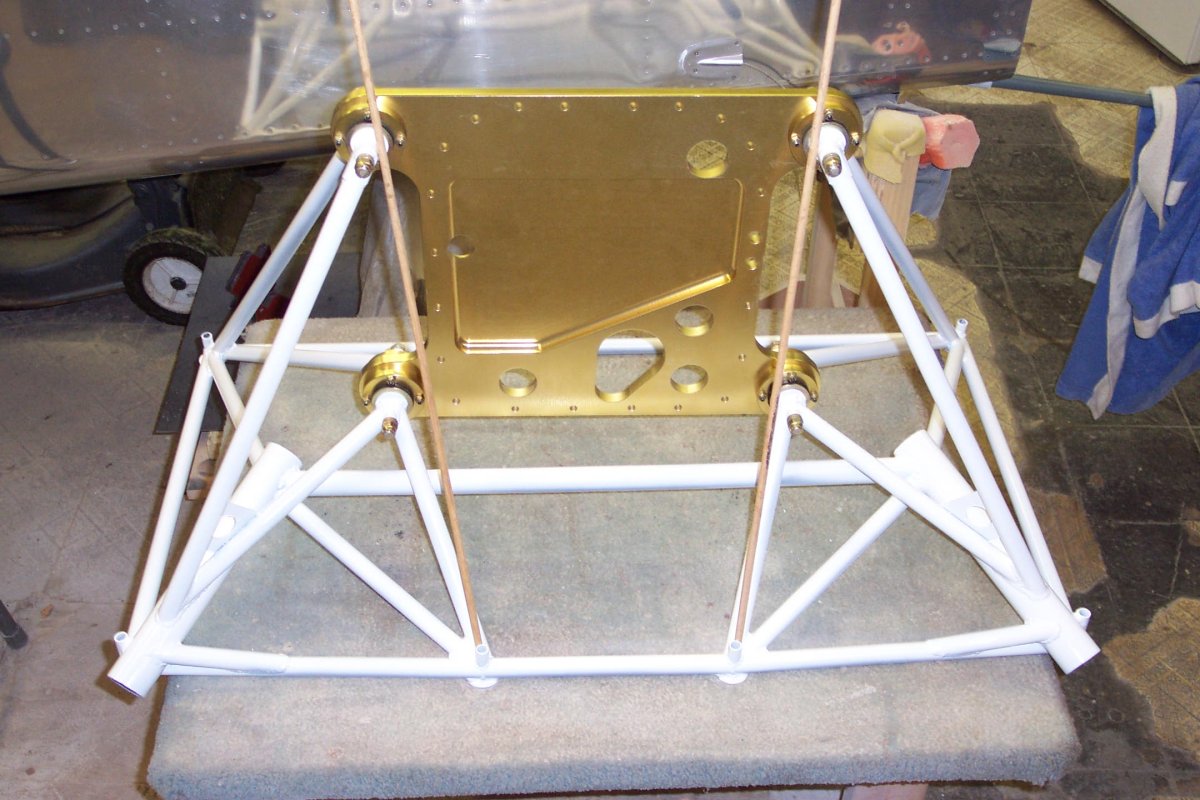
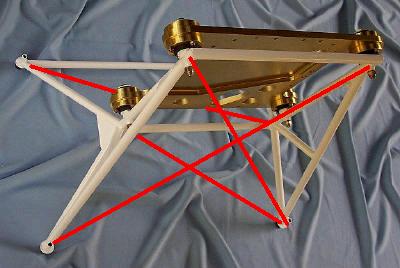
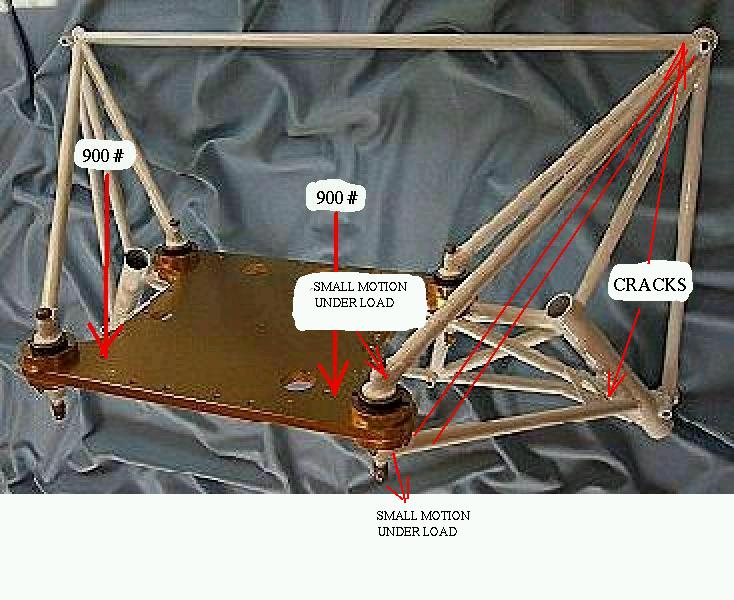
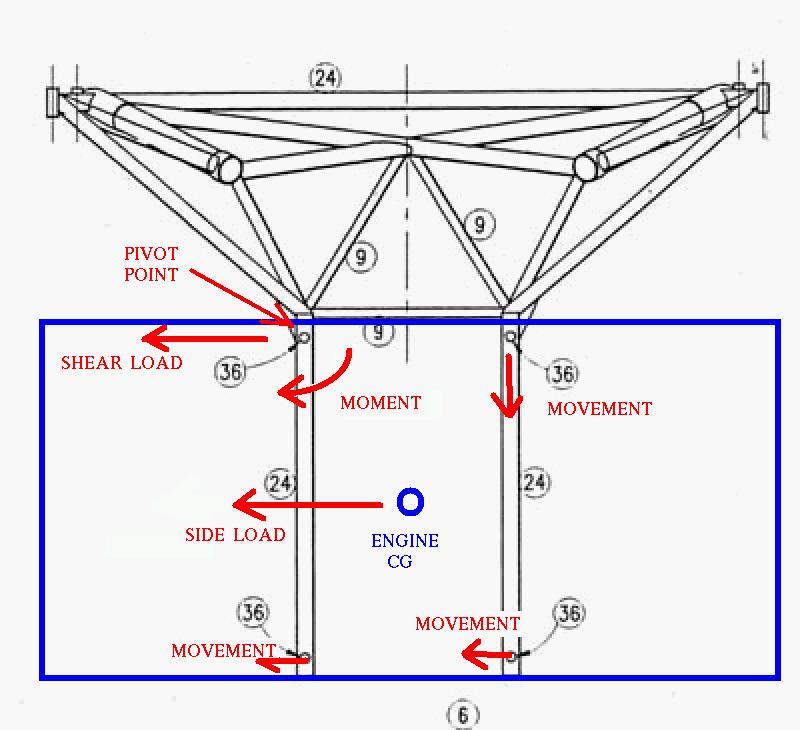
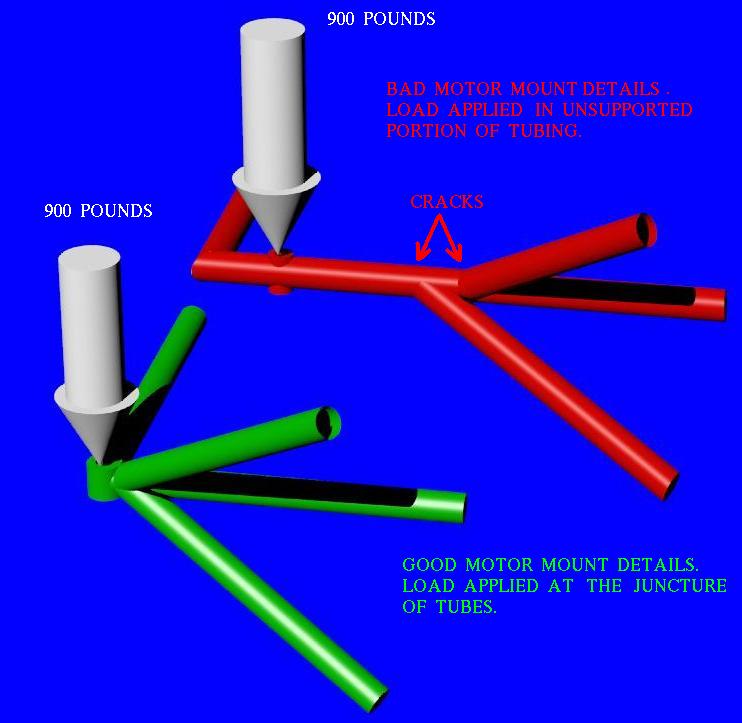
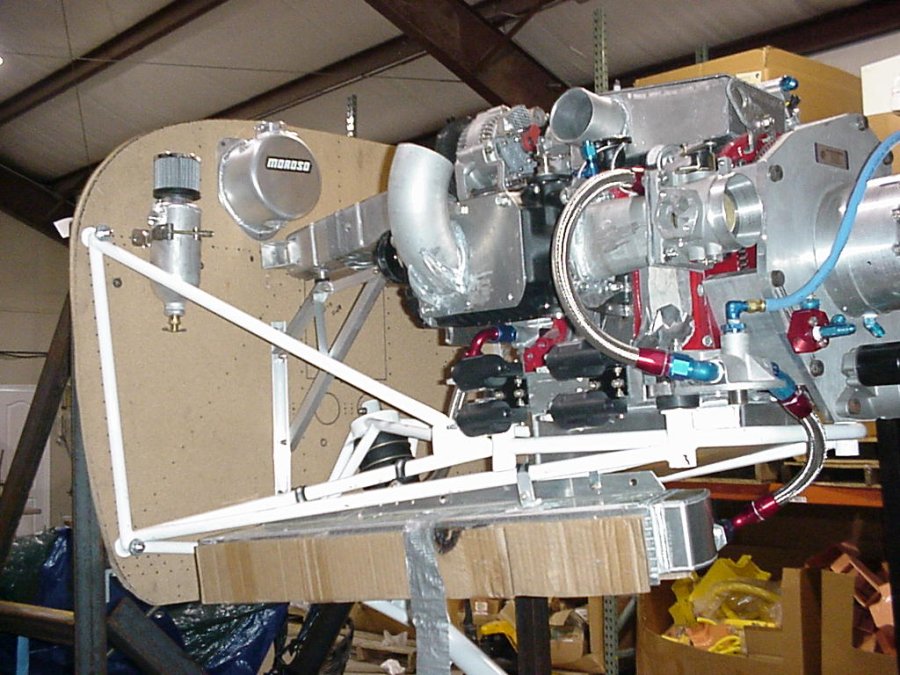
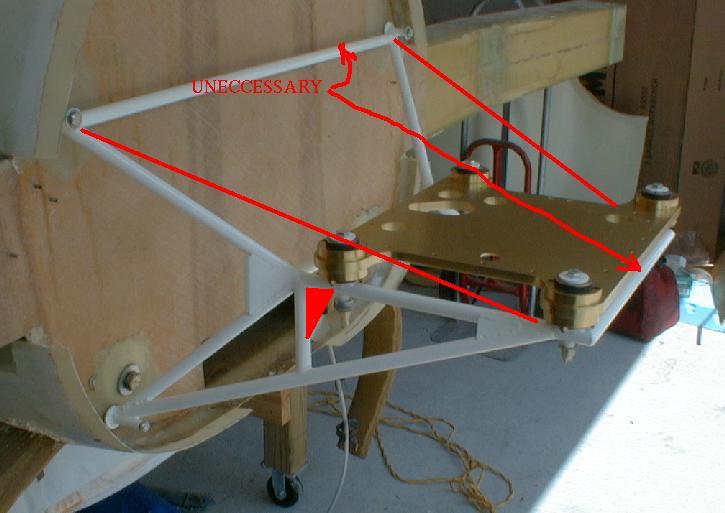
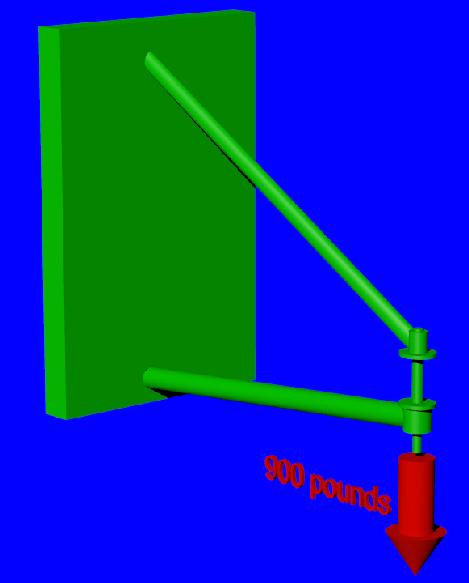
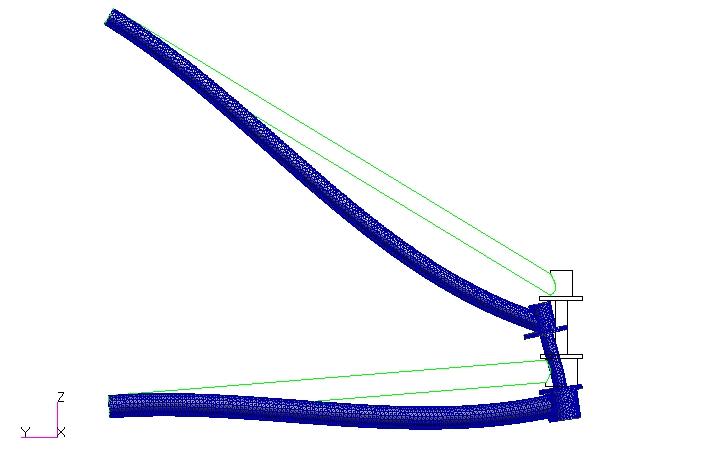
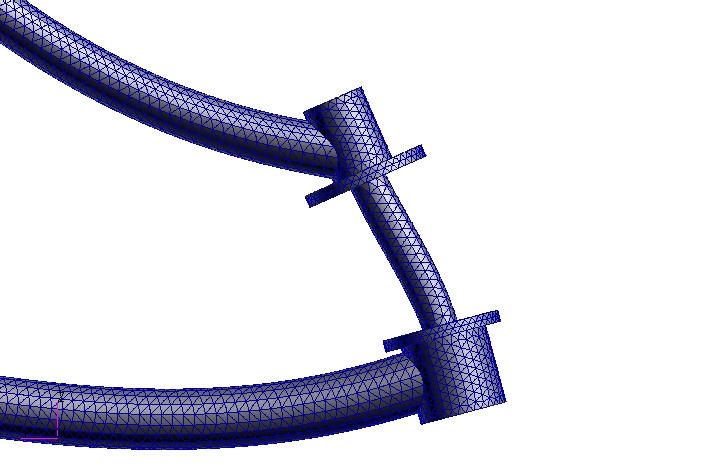
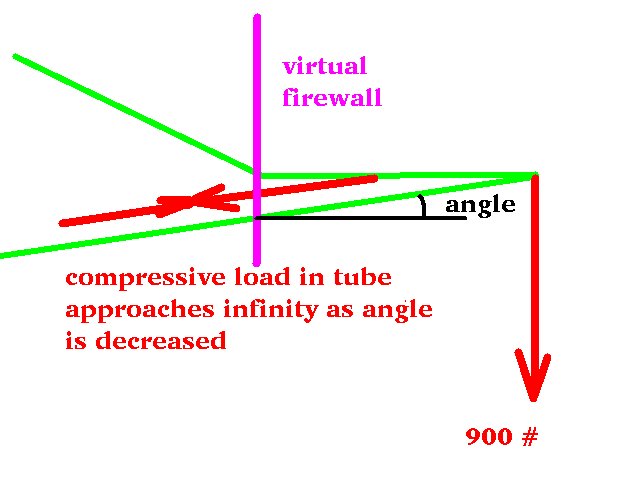
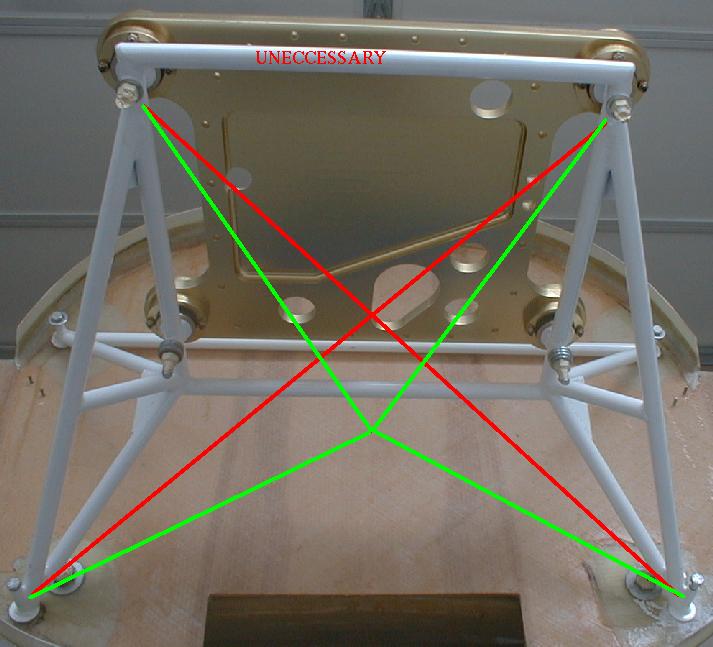
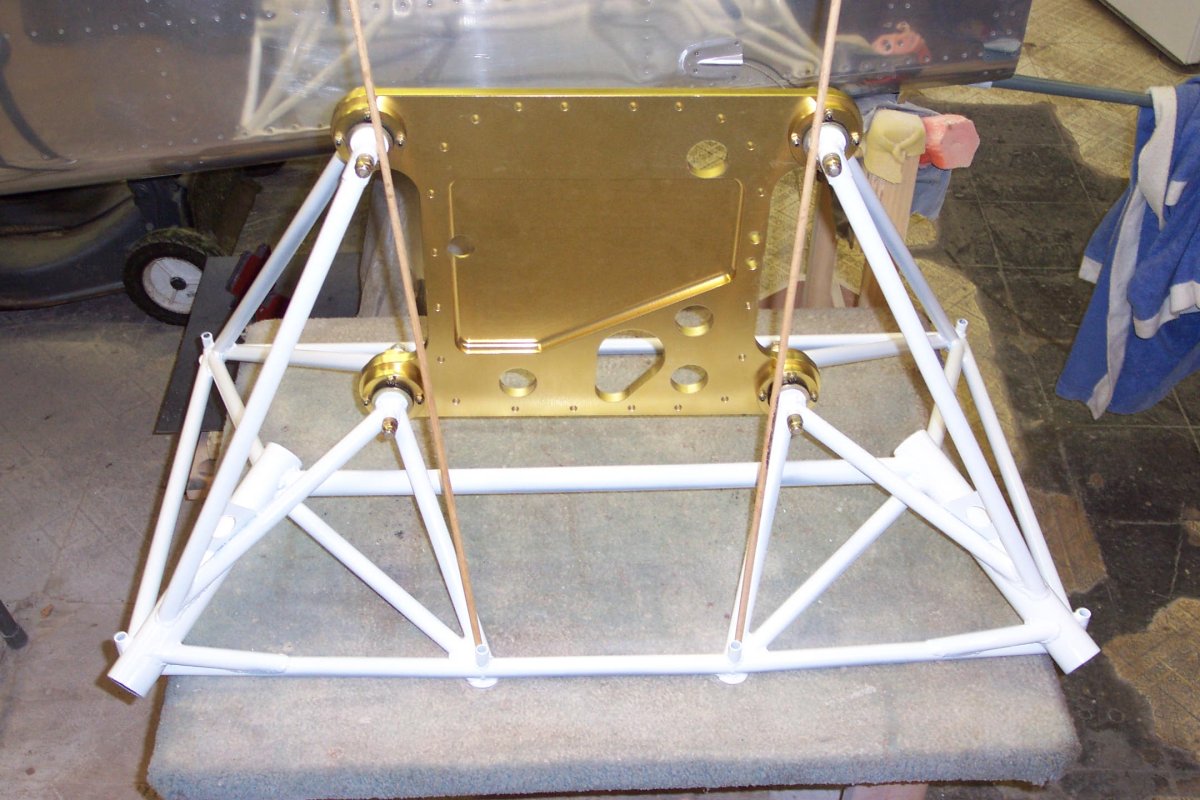
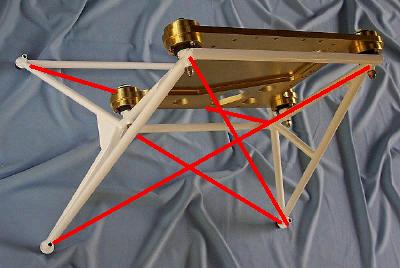
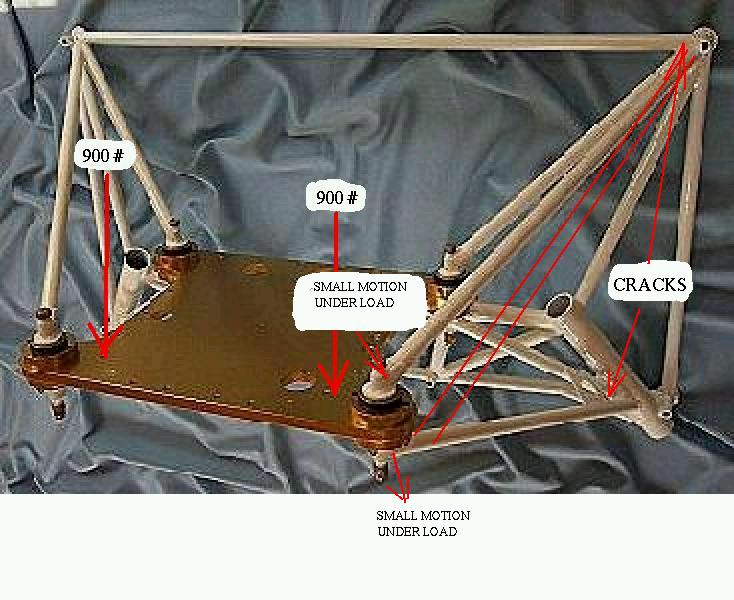
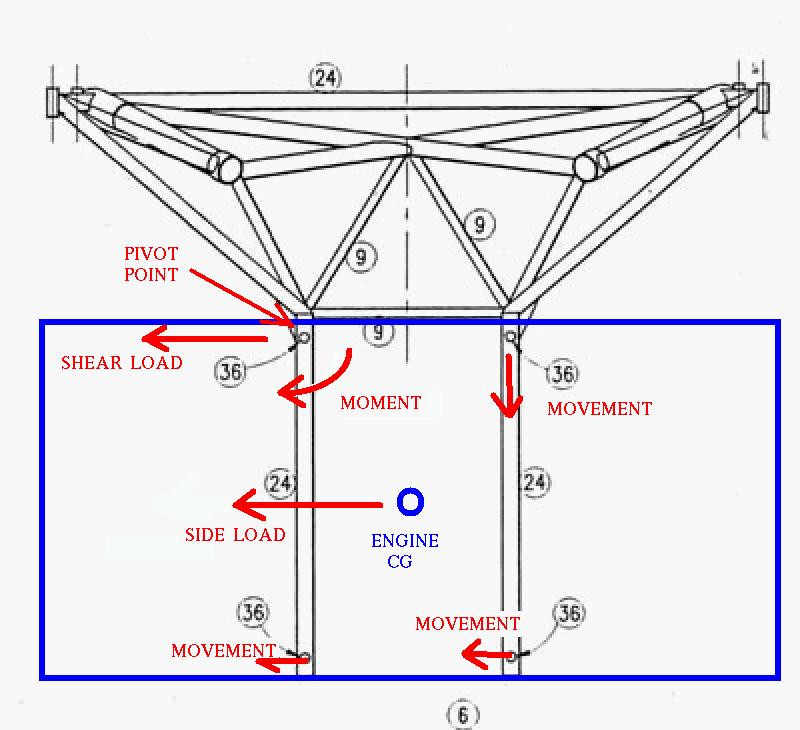
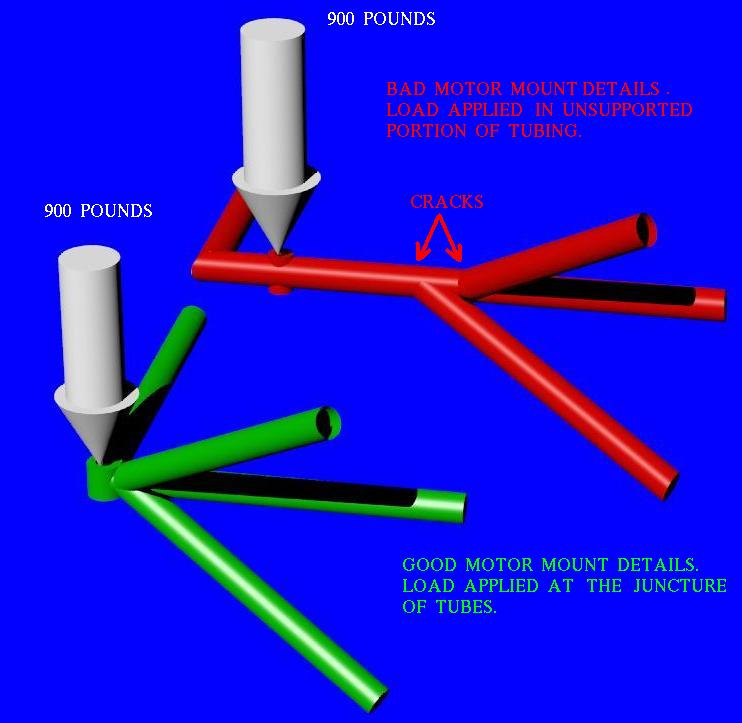
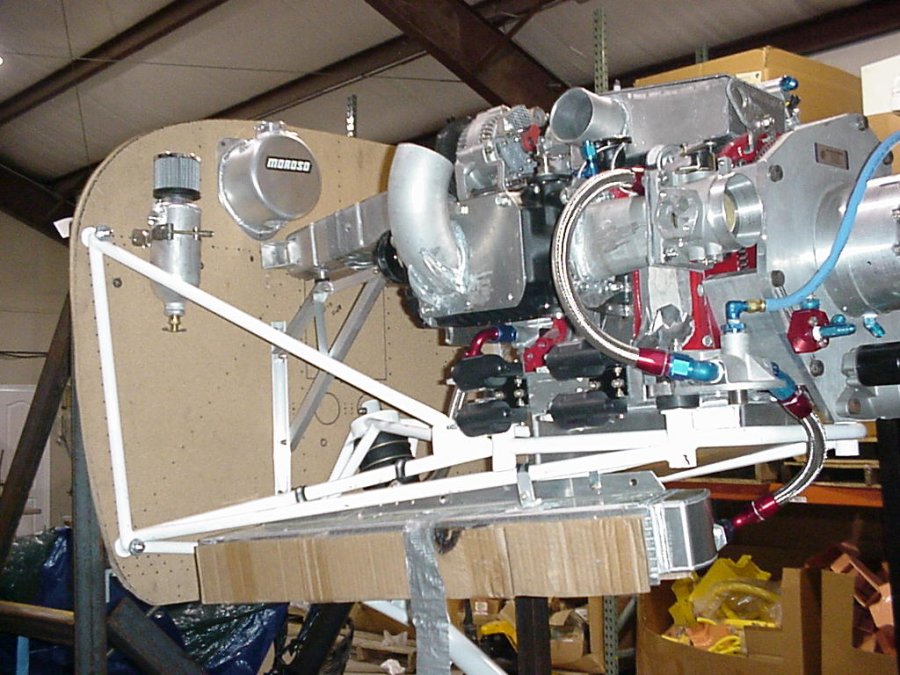
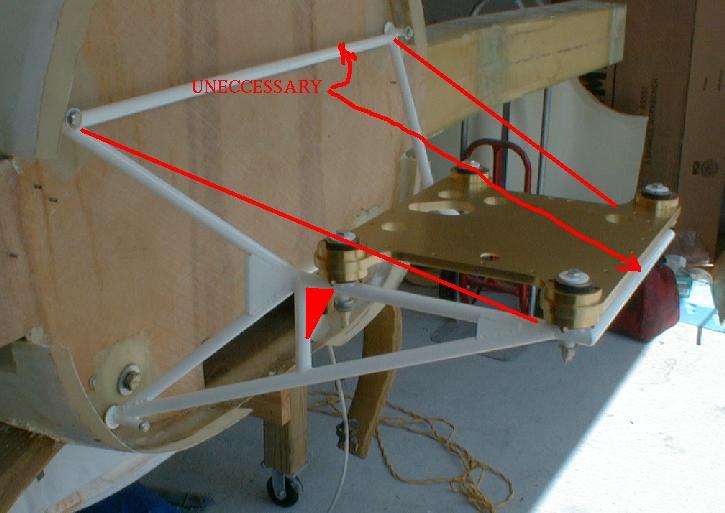
If it is bad mount design geometry the surrounding structure will probably fail
before the bolt. Here are some bad MM ideas :)
--
Paul Lamar ...No rotor no motor.
The Rotary Engine NewsLetter. Powered by Linux.
ACRE NL web site.
http://www.rotaryeng.net
Copyright 1998-2007 All world wide rights reserved.