All,
I've seen this mentioned incidentally in several threads, but have
never heard the 'whole story'. What is the purpose of replacing the
oil pan? What additional functionality is lacking in the stock pan?
How do these factors play with the Renesis?
Thanks,
--Kenny A.
CH801 ~ 66%, Renesis-on-a-stand.
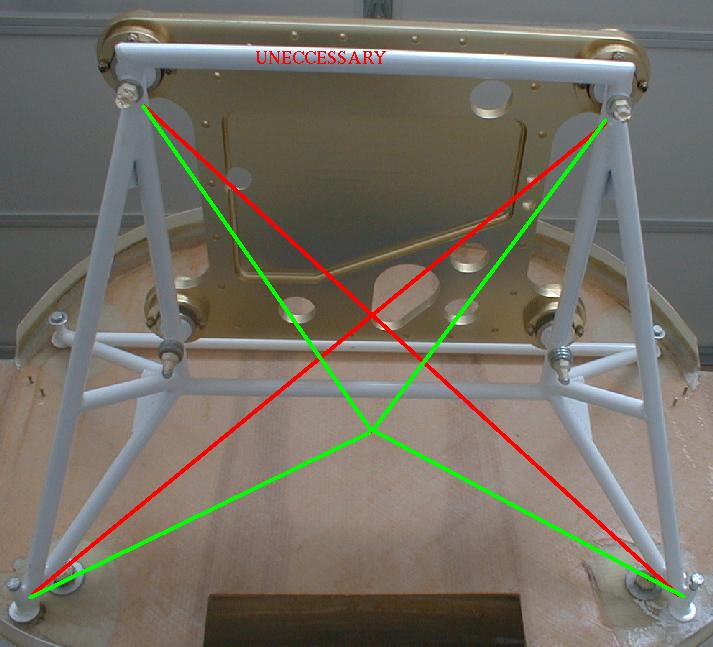
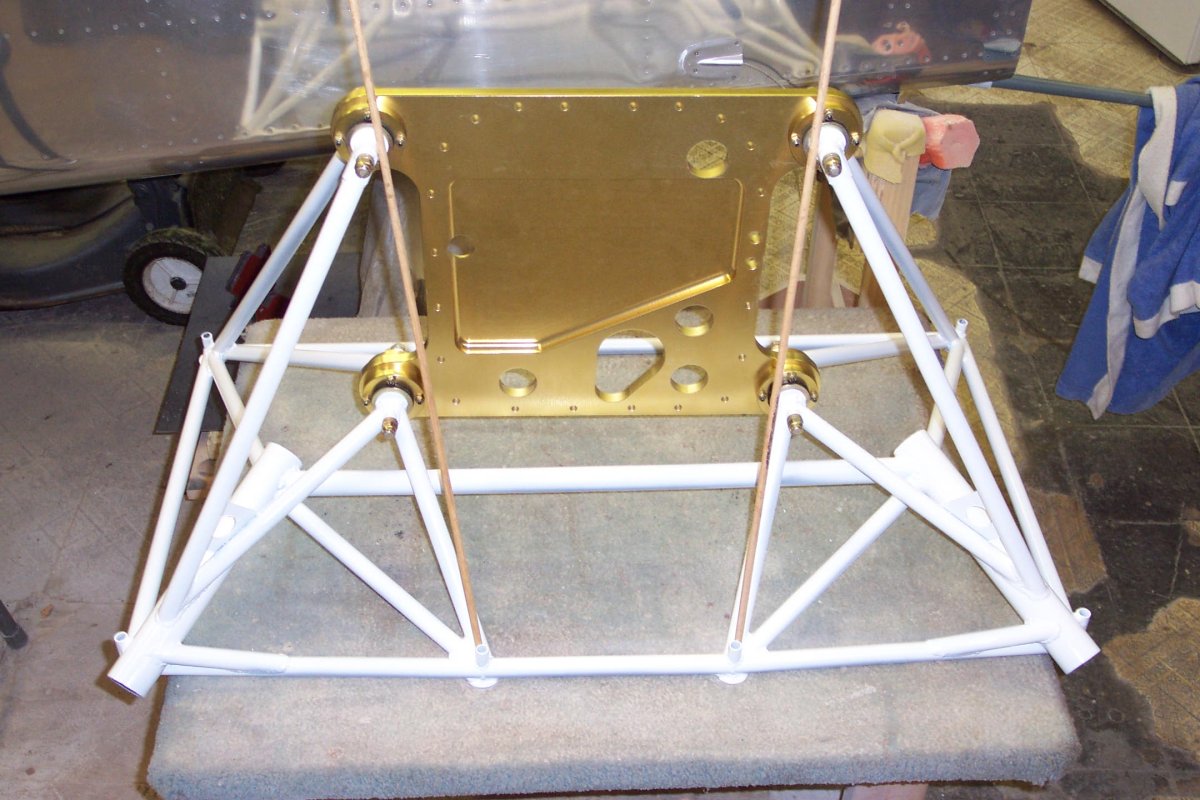
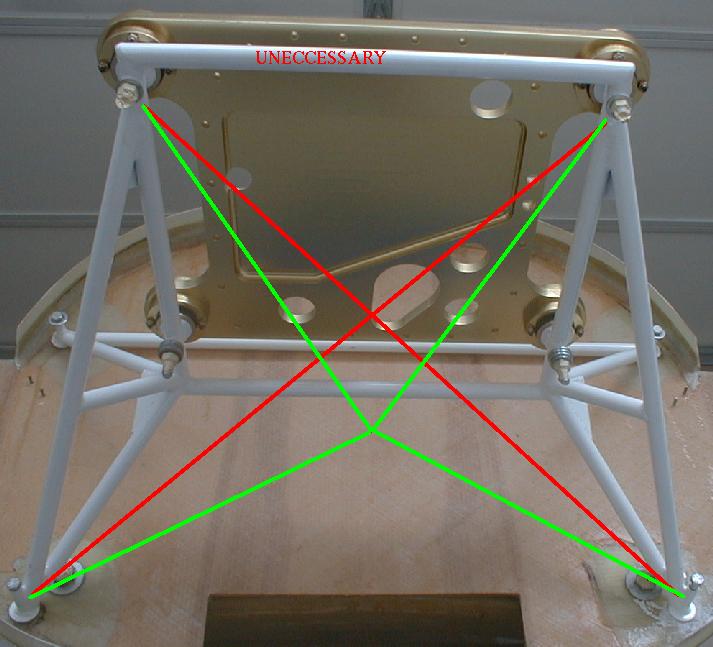
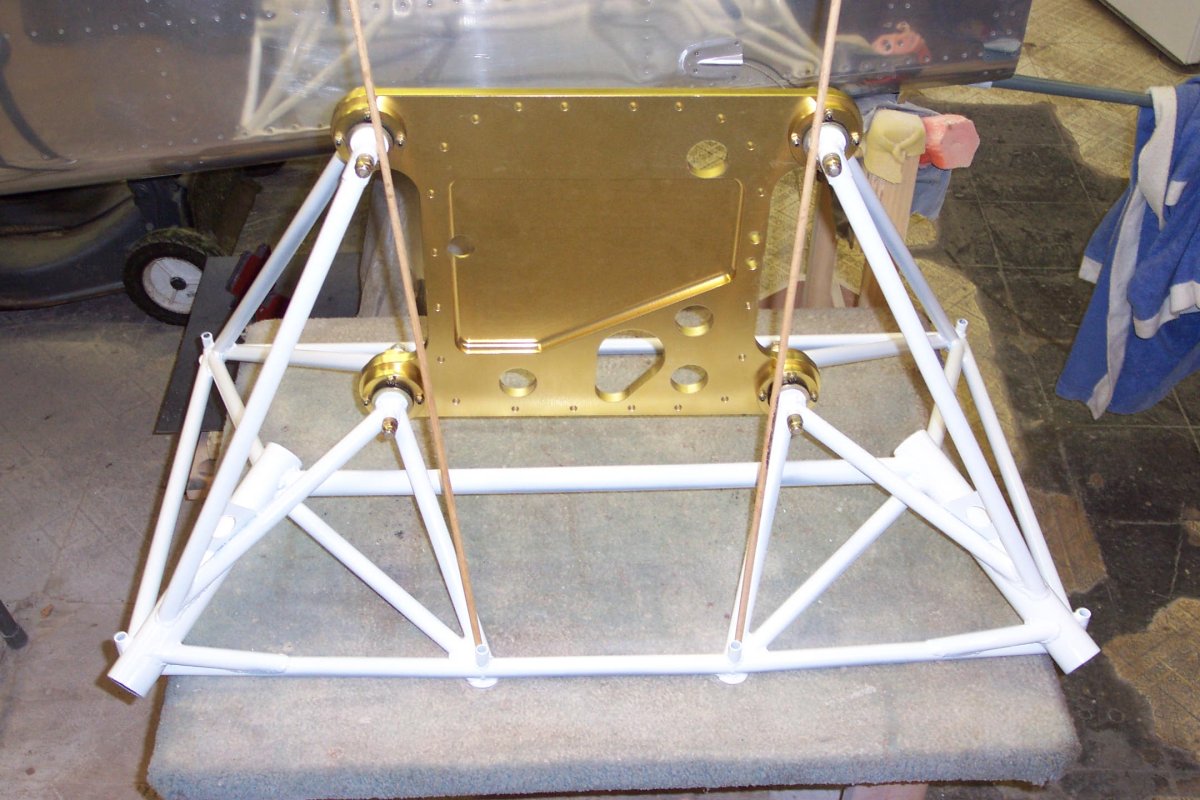
There are several reasons. We need a way to mount the engine as
there are no specific brackets or fittings on the engine so it can be
cantilevered like a Lycoming. One of the motor mounts Mazda
uses is under the back of the transmission so that is not
available to us. Mazda has changed the motor mount position
several times in the past so we need an aircraft design that
would fit all engines including the RX8 engine.
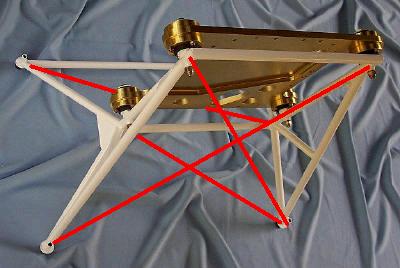
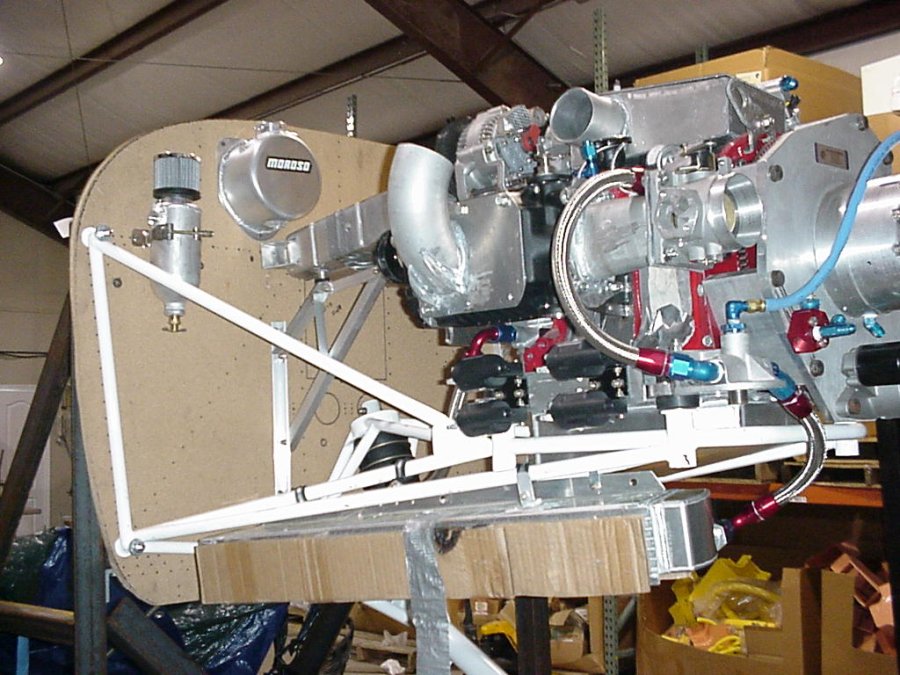
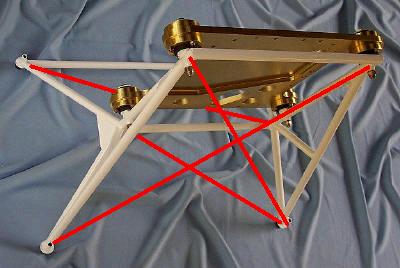
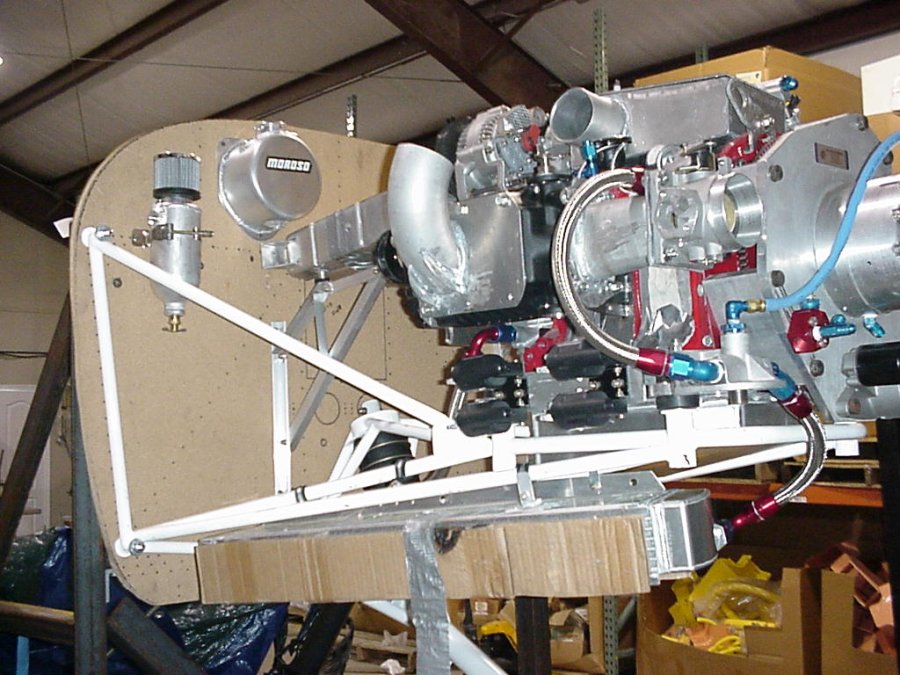
We settled on the Schertz beam after several years of trying
different designs. (The newsletter will have been in existence for
ten years this coming April.) The mount is patterned after the
Questair Venture
motor mount which is particularly well designed and simple to build.
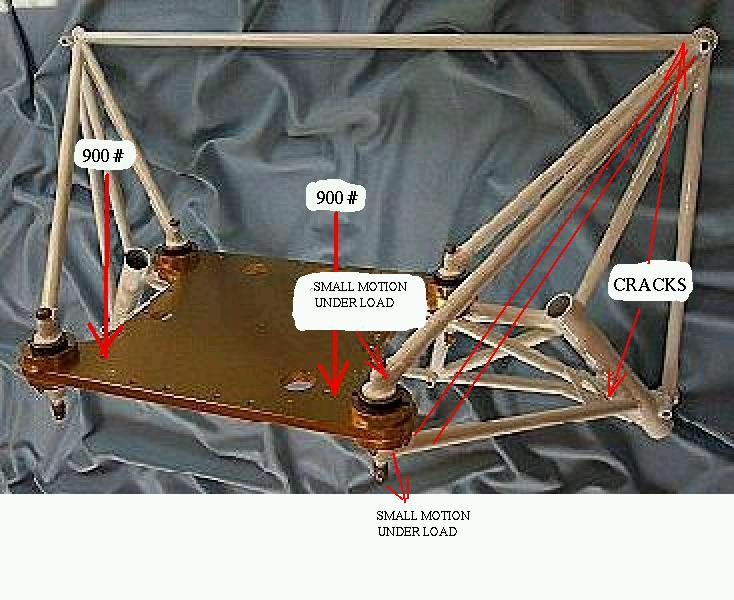
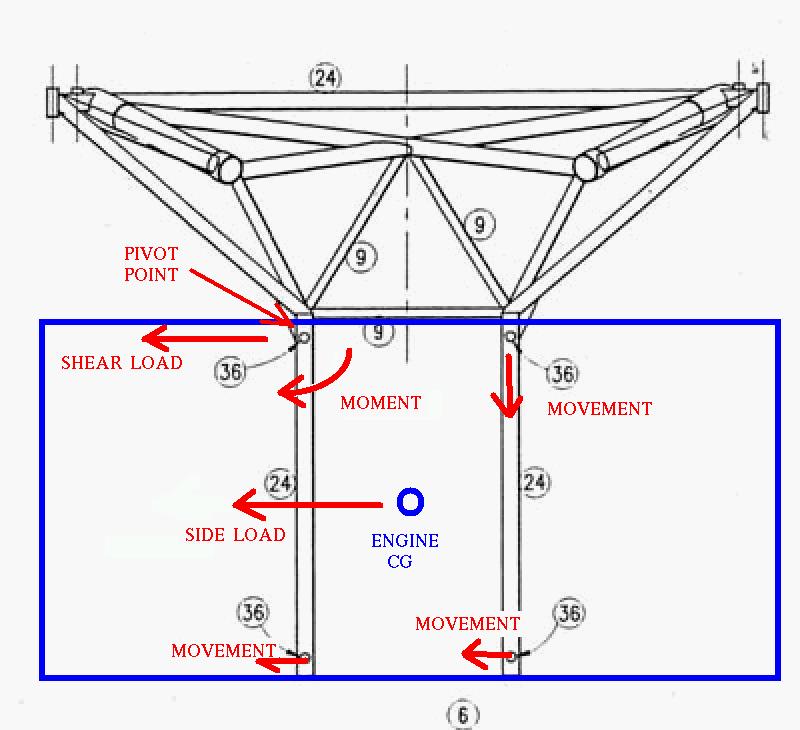
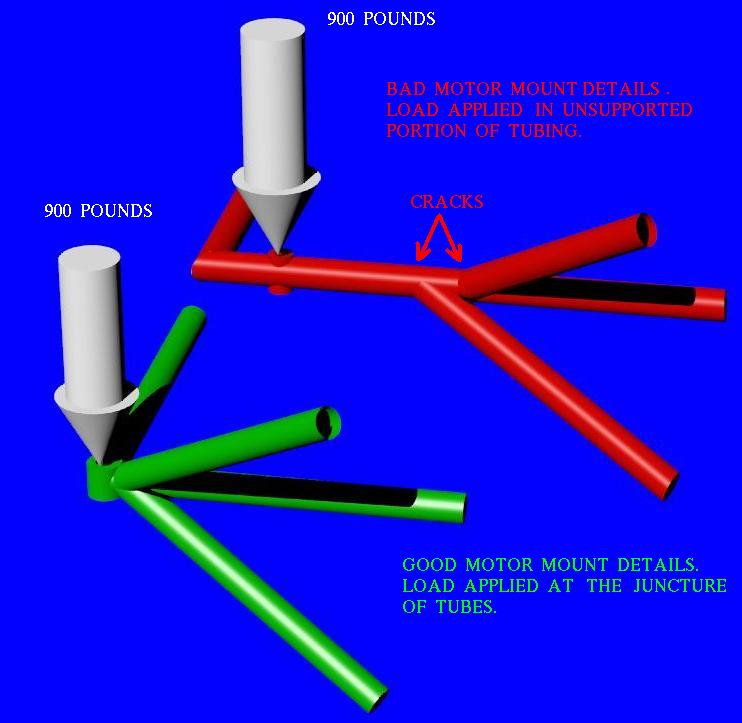
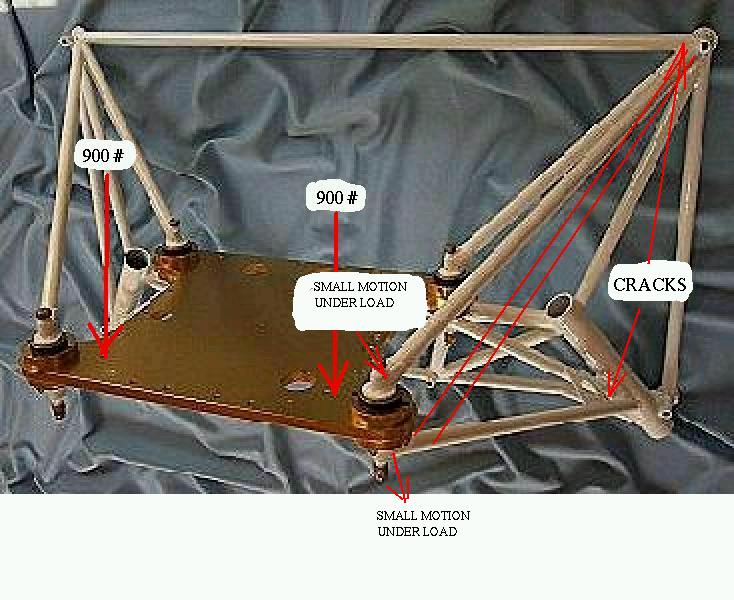
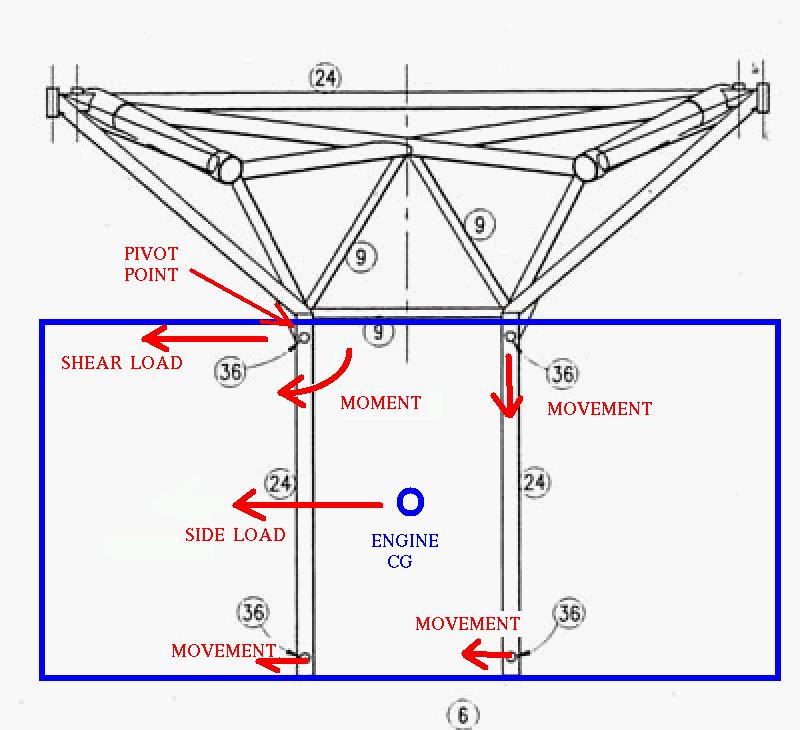
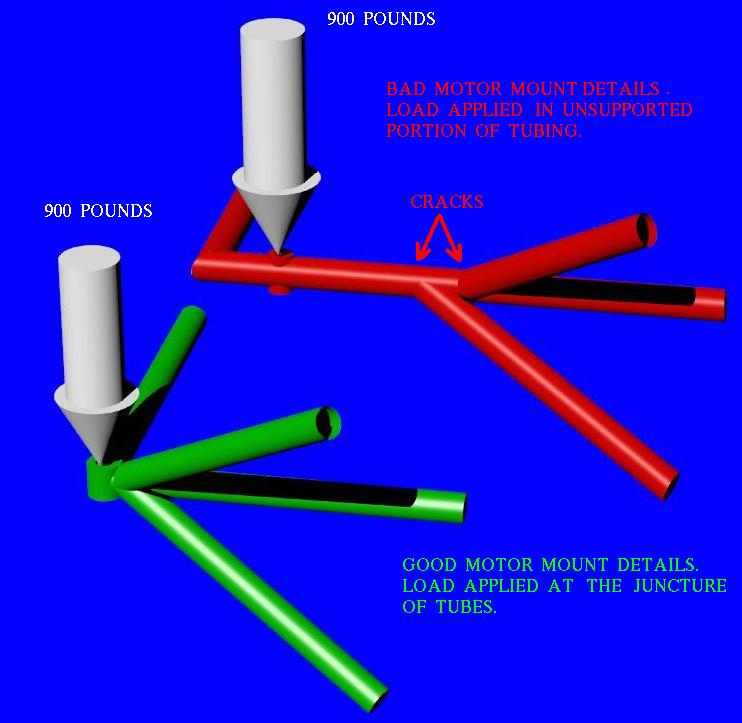
90% of the load is at the CG of the engine/PSRU/prop combination so
that is why the Schertz beam is located where it is. Since the Schertz
beam needs space to mount directly under the rear (on the car) end
housing the oil pan must be modified in this area to clear the
Schertz beam.
The aircraft exhaust system gets in the way of the stock Mazda
motor mounts as it turns downwards instead of backwards.
The Schertz is long enough so it will clear any exhaust system,
in the cowl tangential muffler or turbo charger.
Only two large rubber bushings are required to take the 570 ft/lb torque
and 1800 pound download from the engine in a hard landing or 6 G turn.
We also need a rear motor mount to keep the engine in the proper
orientation or down thrust angle and react the minor moments on the
engine due to the thrust line being above the main rubber bushings.
The new oil pan is also a good place to weld on a rear mount.
Another reason for a new pan is 5 quarts of oil is too little
for an aircraft engine developing full power for 5 minutes on
take off and climb out. An O-470 230 HP Continental engine
has 12 quarts for this reason. More oil delays the onset of oil
overheating.
Another reason is the RX8 engine oil pan is too shallow at
about 1.5 inches and consequently the RX8 engine suffers from
crankcase breathing problems at steady RPM's over about 5000 RPM.
A deeper oil pan solves that problem as well.
Paul Lamar ...No rotor no motor.
Thanks for the summary, that's very helpful. Of course, answers always
raise more questions... :)
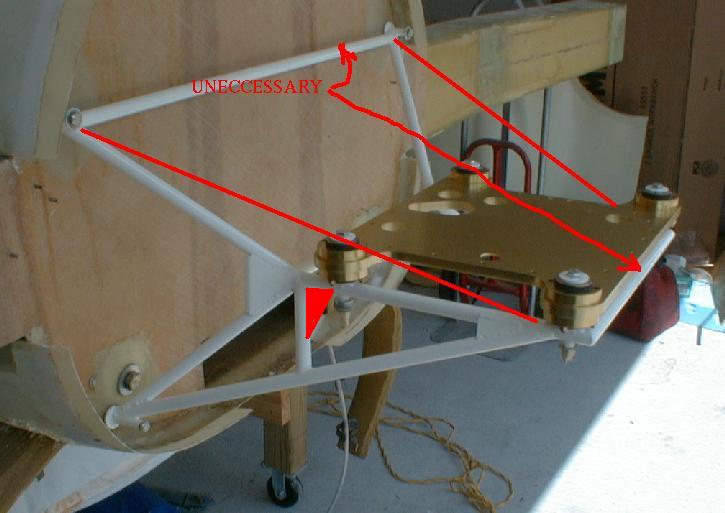
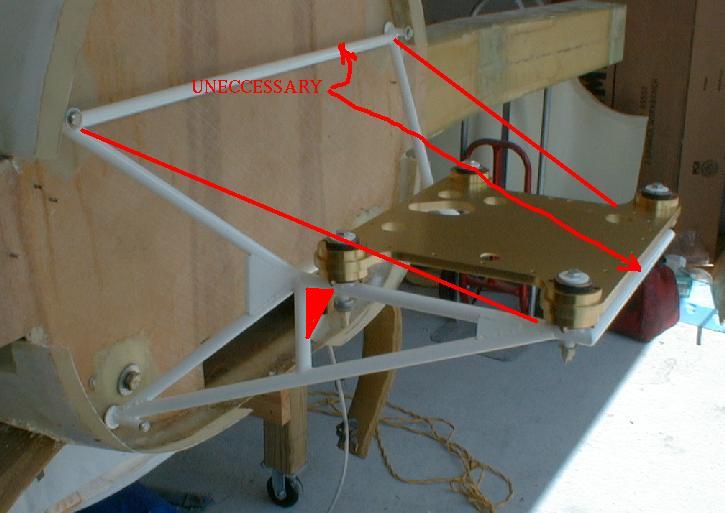
The other engine mount approach I've seen is the 'sandwiched Al plate',
with 4 ears as attach points. How does it compare with the Schertz beam?
Why should I choose one over the other? I read the article on engine
mounts on the rotaryeng website, good stuff.
Are there any 'commonly accepted' schemes for fabricating the modified
oil pan? Start with the stock one & cut it up as needed? Make a new one
entirely from scratch? Drawings available? Materials? Recommendations
for what the oil capacity should be (12 Qts mentioned below)?
Also, if anyone has any other advice for the oil pan / mount, feel free
to jump in. One example is the location of the oil return from the PSRU.
The fact that you need one is assumed; Is it better to place it on the
front (as in many installations I've seen photos of), or somewhere else?
Thanks,
--Kenny A.
http://websites.expercraft.com/kennya/
There are several problems with that. You need a thick aluminum plate to take
the local bending loads from the rubber bushings. If you mill the plate to save
weight it gets real expensive.
Hot aluminum losses strength and has bad fatigue characteristic.
Heat is transfered directly to the rubber bushings from the oil.
This can be as high as 240 F.
More likely to leak oil as now there are two sealed oil pan joints instead of one.
The front rubber bushings take all the load. The rest do nothing
but add weight to the plate.
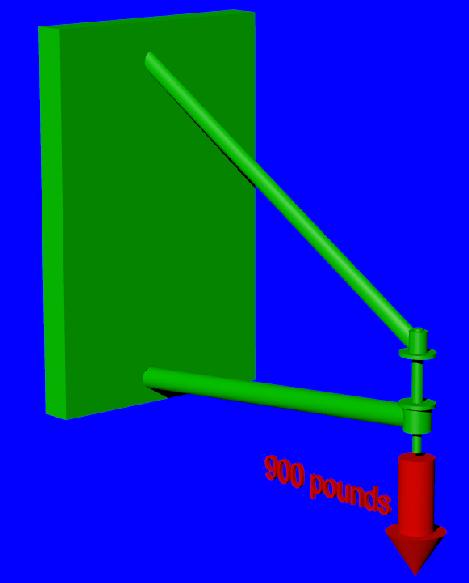
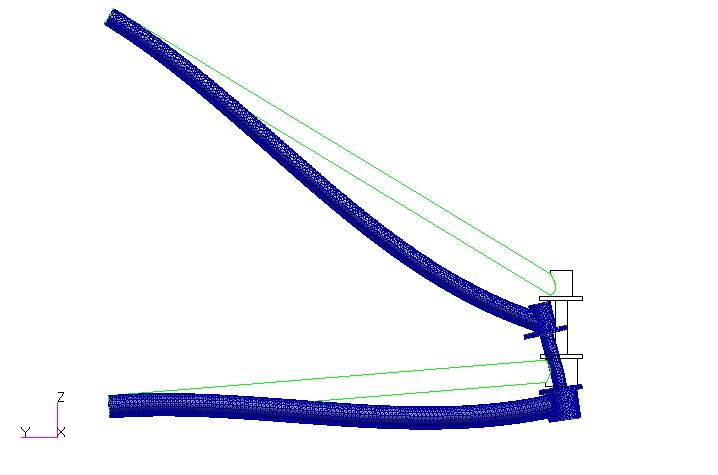
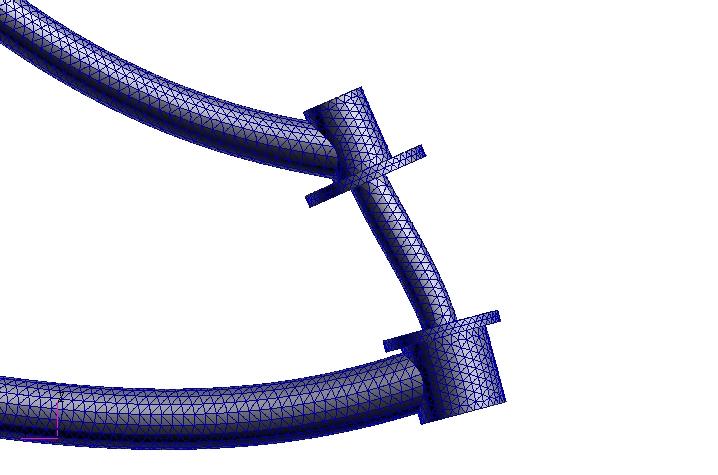
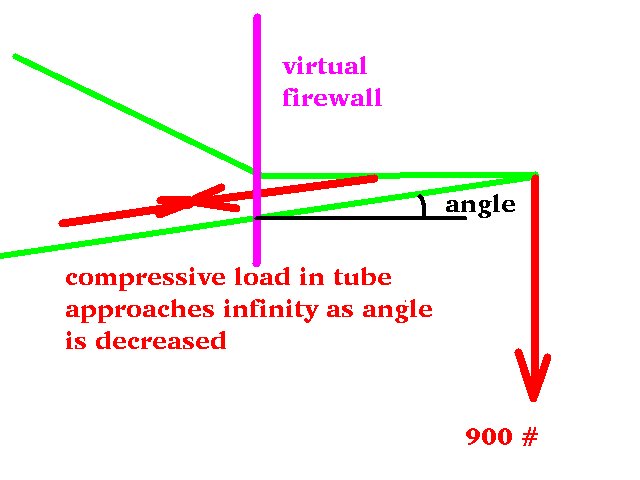
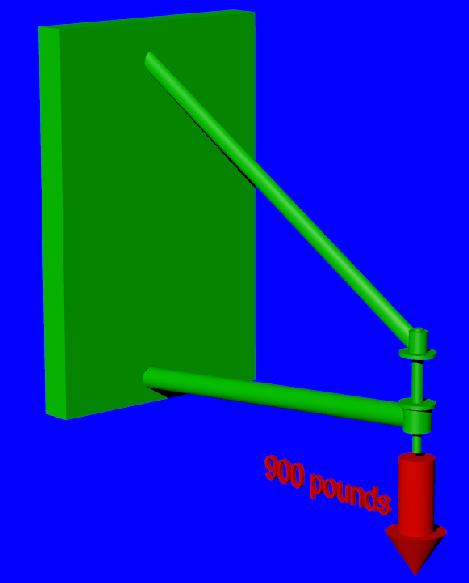
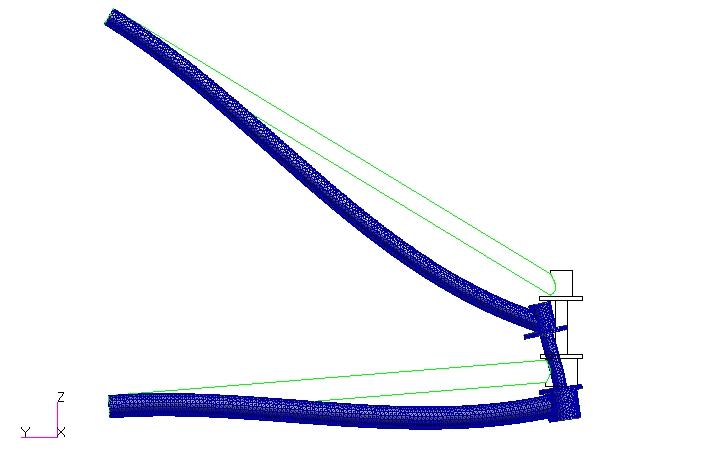
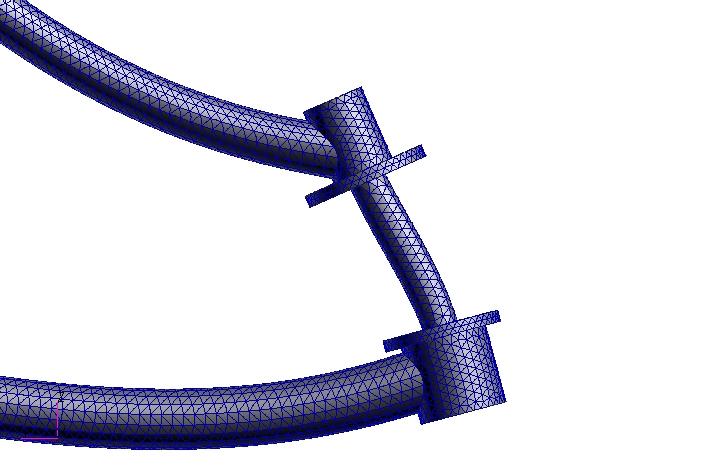
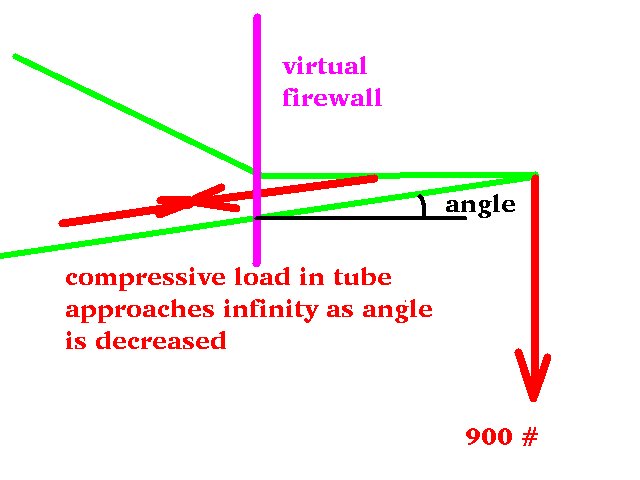
The rubber bushings are close to the engine so to support them properly
takes a straight tube from the bottom side of the rubber bushing
up and back to the upper firewall hard points. This tube will interfere
with the exhaust manifold, tangential muffler (if used) or turbo charger.
Paul Lamar ...No rotor no motor.
The Rotary Engine NewsLetter. Powered by Linux.
ACRE NL web site.
http://www.rotaryeng.net
Copyright 1998-2007 All world wide rights reserved.