Someone ask the question about the extension on the tunnel past the
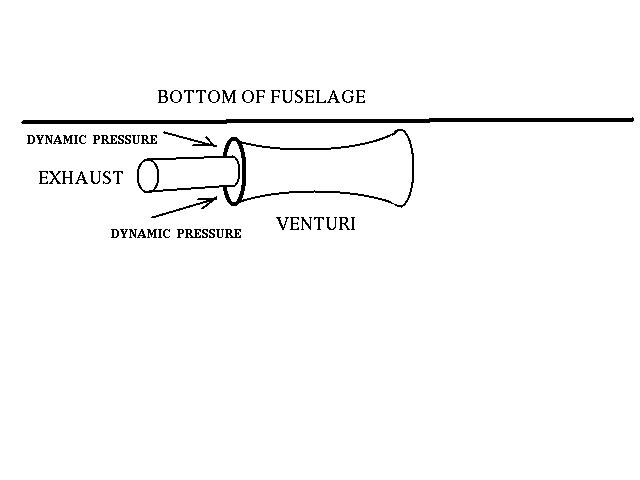
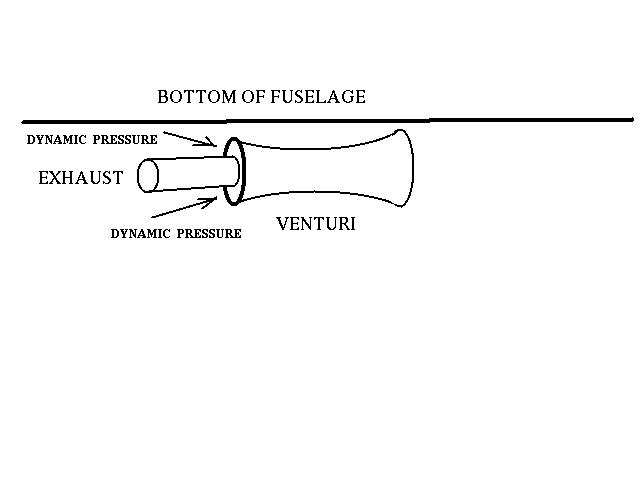
cowl. The extension is to help counter the cooling drag, you cut the
exhaust pipes about an inch short of the tunnel length and the blast
helps accelerate the air leaving the cowling. Get a copy of Paser's,
Speed with Economy book. It has a lot of good ideas to go fast and save
fuel, which today is a big item.
Farmer John [Downing]
John, are you any relation to Jim Downing?
If so do you build engines?
--
Paul Lamar ...No rotor no motor.
I had some experience with exhaust tubes/ augmenters. Some years ago I
changed the engine in my 1946 Bellanca from a 150 HP Franklin with an
Aeromatic prop to a Lycoming 0-360 with a constant speed prop. Initially it
seemed good but the cooling was marginal. On hot days I had to be really
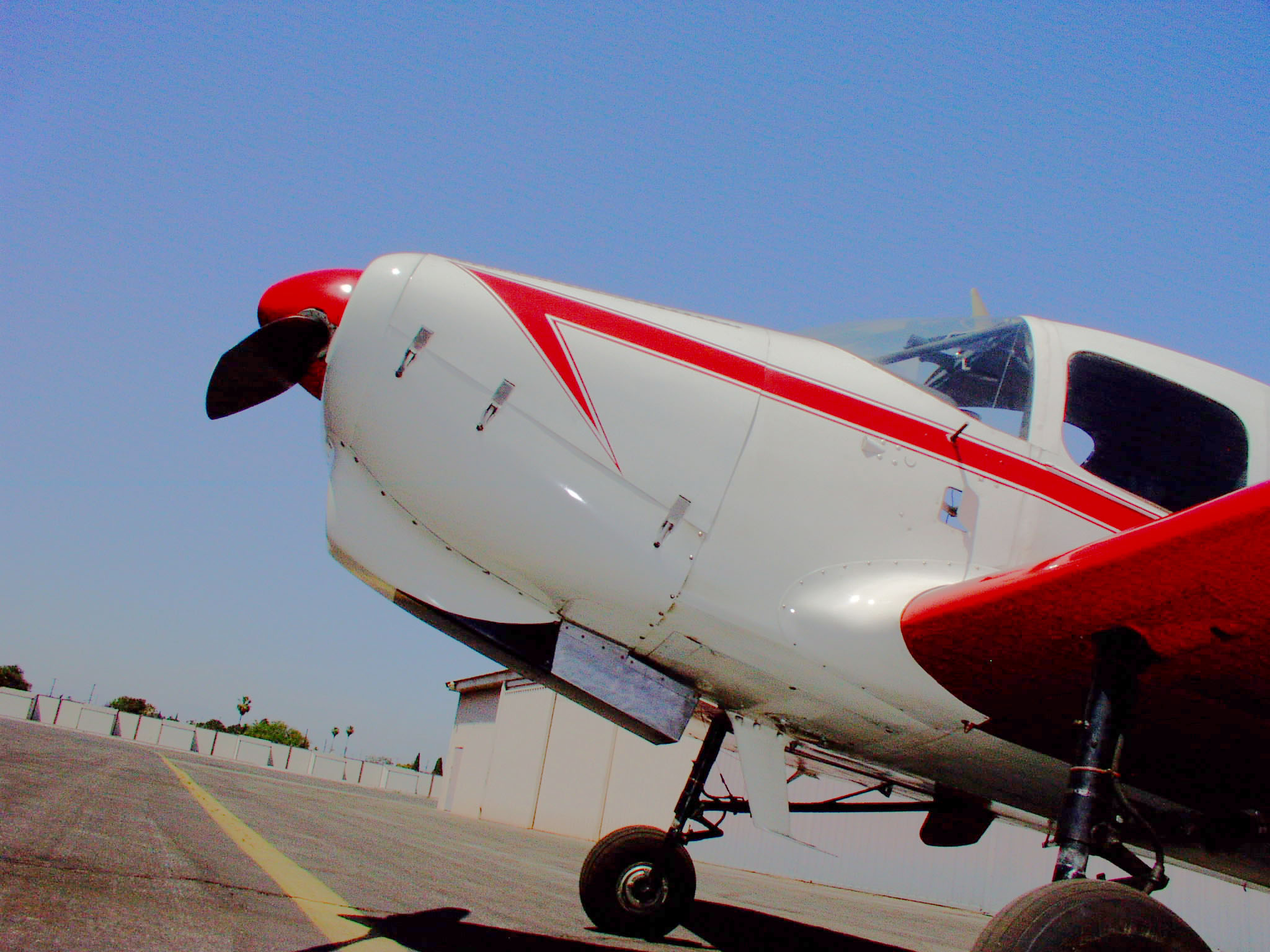
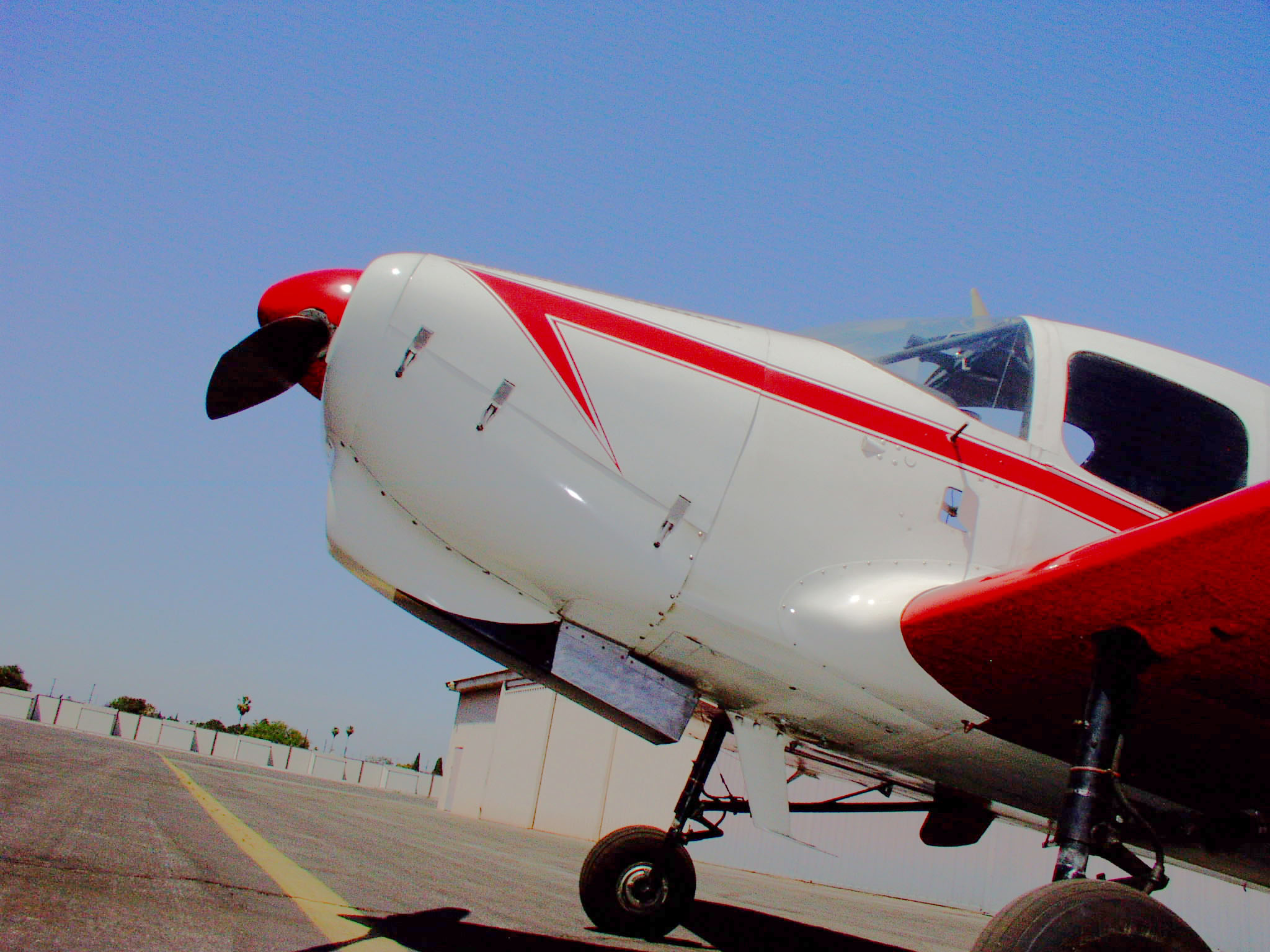
careful not to over heat it. In the picture the front white part shows how
the original air inlet scoop was shaped. It had a cowl flap right at the
firewall that hinged down just behind the swept up part of the scoop. I
tried several small changes but it still didn't cool well. So I read several
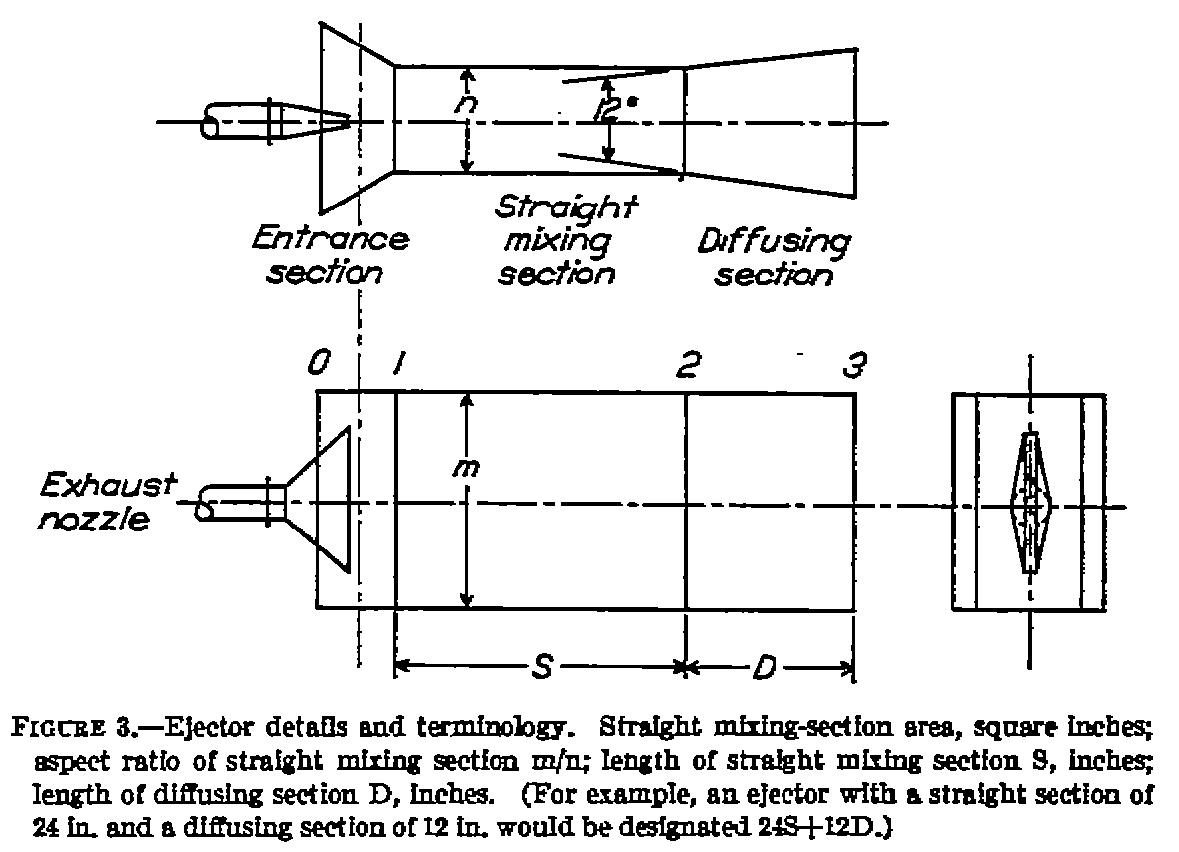
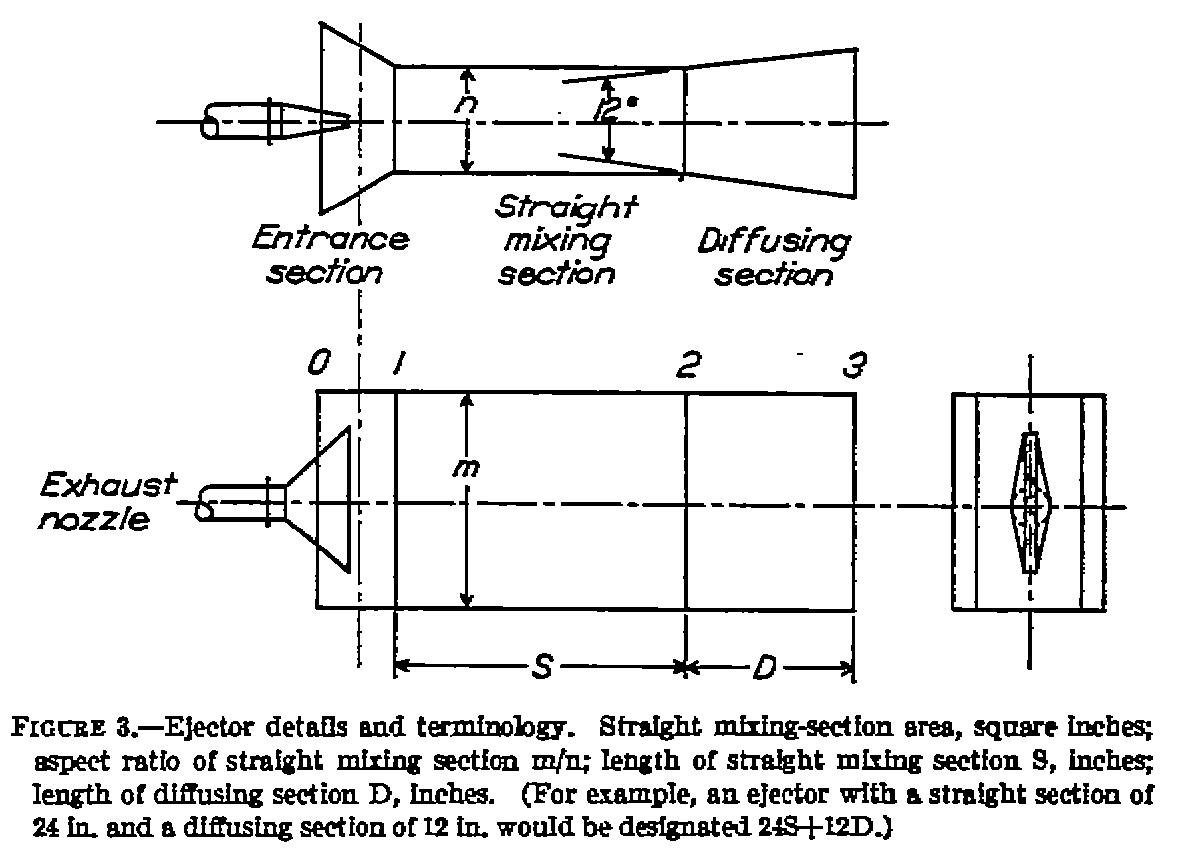
books and papers on cooling drag and augmenters and looked at the old Aero
Commanders and Beech Twin Bonanzas with their augmenters. They were pretty
long, about four feet as I recall. I think they must be resonators because
they were really loud. On them the exhaust tubes ended just inside the inlet
end and on one of them it had the inlet flared to smooth the inlet air flow.
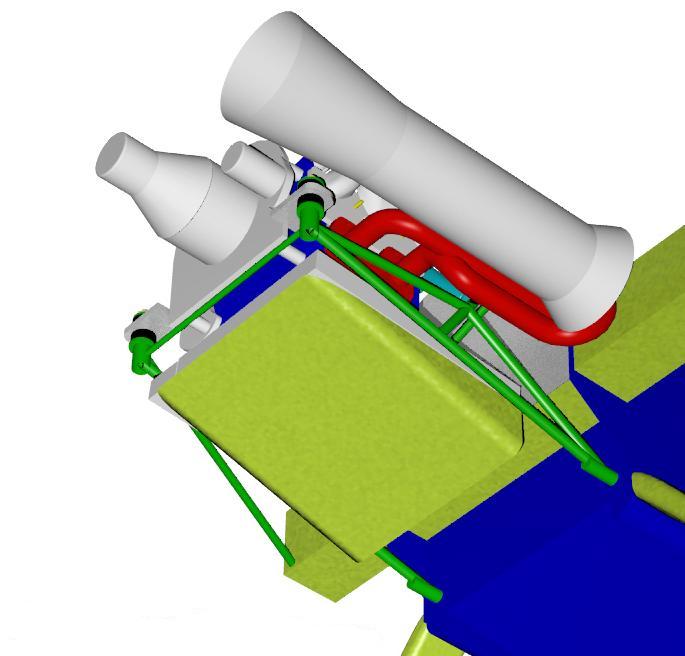
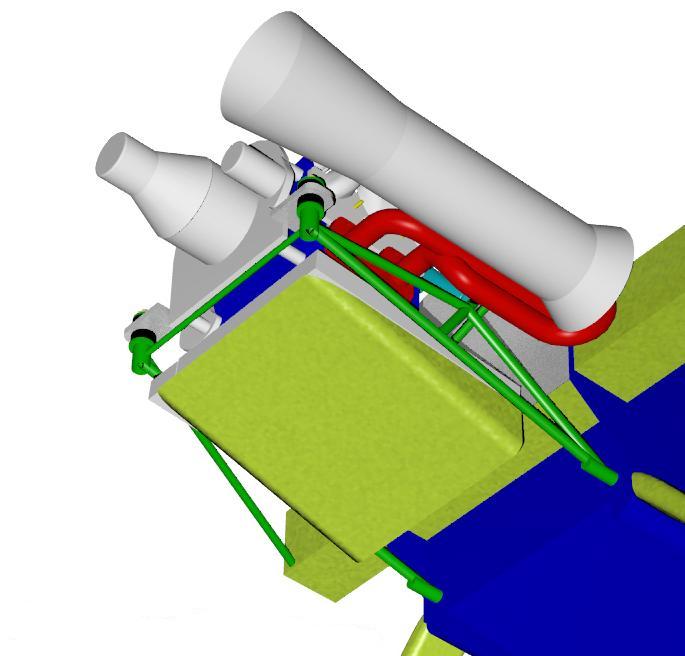
I didn't have that much room so I came up with the one shown in the photo. I
made it so the exhaust tubes end just about 2 inches inside the duct also.
It is 18 inches long by 9" by 11''. Something I read gave a formula and I
just did it. Also they said to neck down the exhaust end of the tubes to
increase the gas velocity but I didn't think it was worth it.
That was really the thing to do. One day I found myself in the San Joaquin
valley on a 100 degree day and decided to check it out on the way home. I
gave it full power, took off and held 80 mph till the the cyl. head temp
peaked and started down and it never reached redline so I figured that was
good enough.
One other thing. I used an airspeed indicator to measure the pressure
differential across the engine from the air inlet to the augmenter outlet.
Simple and effective. One time I thought the oil was running a bit high and
I added a flare about a half inch wide on the bottom of the outlet duct and
the airspeed differential jumped to about double the normal 5 inches with
practically no difference in either the oil or cyl. head temp.
I will attach a chart of airspeed vs inches of water for folks that don't
have it.
Best Wishes
Bob Archer
Thanks for the spred sheet and picture Bob.
I have added some stuff I have. I also mentioned it in my book
How to Cool Your Wankel.
--
Paul Lamar ...No rotor no motor.
The Rotary Engine NewsLetter. Powered by Linux.
ACRE NL web site.
http://www.rotaryeng.net
Copyright 1998-2007 All world wide rights reserved.