Mistral's present top priority is the G-300 which is undergoing
certification.
Performance figures for this model will be released in a few weeks and
ACRE will have them first. The turbo models development is presently
on hold (we can't do everything at the same time). We have initial
figures for the G-230TS but they are still far from being optimized.
I can say the following for the time being:
- 230 hp is reached at a MAP of ~43 in. Hg (I hope to get it at 41-42")
- Our turbo's critical altitude is around 20,000', it has superb
performance
- Demonstrated 75% LOP cruise SFC was 0.505 lb/hp.hr at Geneva's
elevation (1400').
However, we have improved efficiency much on the atmospheric engine
since we
got that number. The objective is to reach 0.48.
- This engine can easily be boosted to 300 hp but that is uncomfortably
close to detonation with mogas, not to mention the reduction in life
expectancy. Mistral's objective is not to offer the most power
(which is child's play with a turbo engine) but a) a most
reliable engine, b) 3000 hr TBO if possible also on the turbo
models, and c) capability to run on mogas (i.e. safe margin
from detonation). This engine MAY end up being 240 hp but,
with the constraints above, not much more.
The remaining challenge: to make sure that the turbine
wheel can survive the temperature. We have reasons to believe
that post-combustion may occur at some settings on the wheel
blades' leading edge, with local temperature up to 2000°F.
We have to have the wheel made in high-temp Ni-alloy. I hope
to have this done and tested by the end of the year.
As to an all aluminum engine, I am afraid it is not anytime
soon. Al side-housings just don't last, it is confirmed by
the experience of two companies which have tried. It will
be a major development effort to solve this problem.
Fly safe,
Francois
Hi Paul,
I thought you and the others might be interested to get this data in
"avant-premiÃ?¨re". We now get regularly over 200hp on our G-190. It
will be officially renamed G-200 after we prove that we can achieve the
same with the new series engines, due next June. We are still trying to
"flatten" the BSFC curves somewhat but their shape is most probably due
to the intake tuning and the "sweet spots" are rather well placed.
Initial data on the G-300 show an extremely similar pattern, just 50%
higher in horsepower.
Please note that this data was obtained using unleaded mid-grade
ethanol-free mogas (95 octane RON which is approximately 90 octane US).
We get the same power with 100LL but 4-5% worse fuel consumption (yes,
ethanol-free mogas has higher energy density than 100LL).
BTW, I will unfortunately have to miss SNF this year, we'll have
Mistral's General Assembly the same week.
See you at AirVenture next summer.
Francois Badoux
http://www.mistral-engines.com/
http://www.youtube.com/watch?v=aLY139b65a0#GU5U2spHI_4
http://www.youtube.com/watch?v=3JQVeMoKBT0
http://www.youtube.com/watch?v=Lo1TqhQqOkg
Excellent numbers Francois! I am impressed with the LOP BSFC numbers
especially. (.44) look very good and that is right in the cruise RPM
range. Thanks for sharing with the ACRE group.
Bill Jepson
How about the turbo engine ?
Clifton.
Mistral's present top priority is the G-300 which is undergoing
certification.
Performance figures for this model will be released in a few weeks and ACRE
will have them first. The turbo models development is presently on hold
(we can't do everything at the same time). We have initial figures for
the G-230TS but they are still far from being optimized. I can say
the following for the time being:
- 230 hp is reached at a MAP of ~43 in. Hg (I hope to get it at 41-42")
- Our turbo's critical altitude is around 20,000', it has superb
performance
- Demonstrated 75% LOP cruise SFC was 0.505 lb/hp.hr at Geneva's elevation
(1400'). However, we have improved efficiency much on the atmospheric
engine since we got that number. The objective is to reach 0.48.
- This engine can easily be boosted to 300 hp but that is uncomfortably
close to detonation with mogas, not to mention the reduction in life
expectancy. Mistral's objective is not to offer the most power (which
is child's play with a turbo engine) but a) a most reliable engine, b)
3000 hr TBO if possible also on the turbo models, and c) capability
to run on mogas (i.e. safe margin from detonation). This engine
MAY end up being 240 hp but, with the constraints above, not much more.
The remaining challenge: to make sure that the turbine wheel
can survive the temperature. We have reasons to believe that
post-combustion may occur at some settings on the wheel blades'
leading edge, with local temperature up to 2000°F. We have to
have the wheel made in high-temp Ni-alloy. I hope to have this
done and tested by the end of the year.
As to an all aluminum engine, I am afraid it is not anytime soon.
Al side-housings just don't last, it is confirmed by the experience
of two companies which have tried. It will be a major development
effort to solve this problem.
Fly safe,
Francois
You might look into having the same Japanese company, that supplies 2 mm
cast iron apex seals to Mazda, make some more durable, 3 mm cast iron apex
seals for your turbo engines Francois.
Some people are using steel 3 mm seals for that purpose but they tear up
the chrome plating on the wear surface of the rotor housings.
-- Paul Lamar ...No rotor no motor.
Paul, cast iron seals do not last 3000 hours, you are lucky if
you get 1500 hours out of them in an aviation duty cycle. We
have long opted for Ianetti ceramic seals and they do beautifully.
Sure, they are expensive, but much less so than a 50% reduction of TBO.
By the way, this morning we have finished ROP performance runs on
the G-300 and the results are awesome, way better than my expectations.
0.495 lb/hp.hr specific fuel consumption at 305 hp (WOT, ROP, 2250 prop
RPM=6350 shaft RPM) leads me to believe we can get 0.43 or less at LOP
cruise settings. More on that next week.
Worth noting: the length of the "primary" exhaust has significant
influence on power, width of the power curve's peak, SFC, level of
noise and subjective quality of the exhaust noise. We'll share
this data with you as soon as it is finalized.
Francois
Interesting Francois. First bit of info we have seen on this subject.
Nobody has enough hours to find this out so far.
Thanks for the data. I just got back from a ride with Steve
in the Mistral Rotary powered Piper Arrow. Thanks for that too.
I'll post some videos of the ride when I get back to LA.
-- Paul Lamar ...No rotor no motor.
Please Paul the subjective data!
What engine was running? What did it sound like?
comfortable sound levels? We all want to know!
Bill Jepson
This was the normally aspirated G190 engine. Very smooth. Hardly
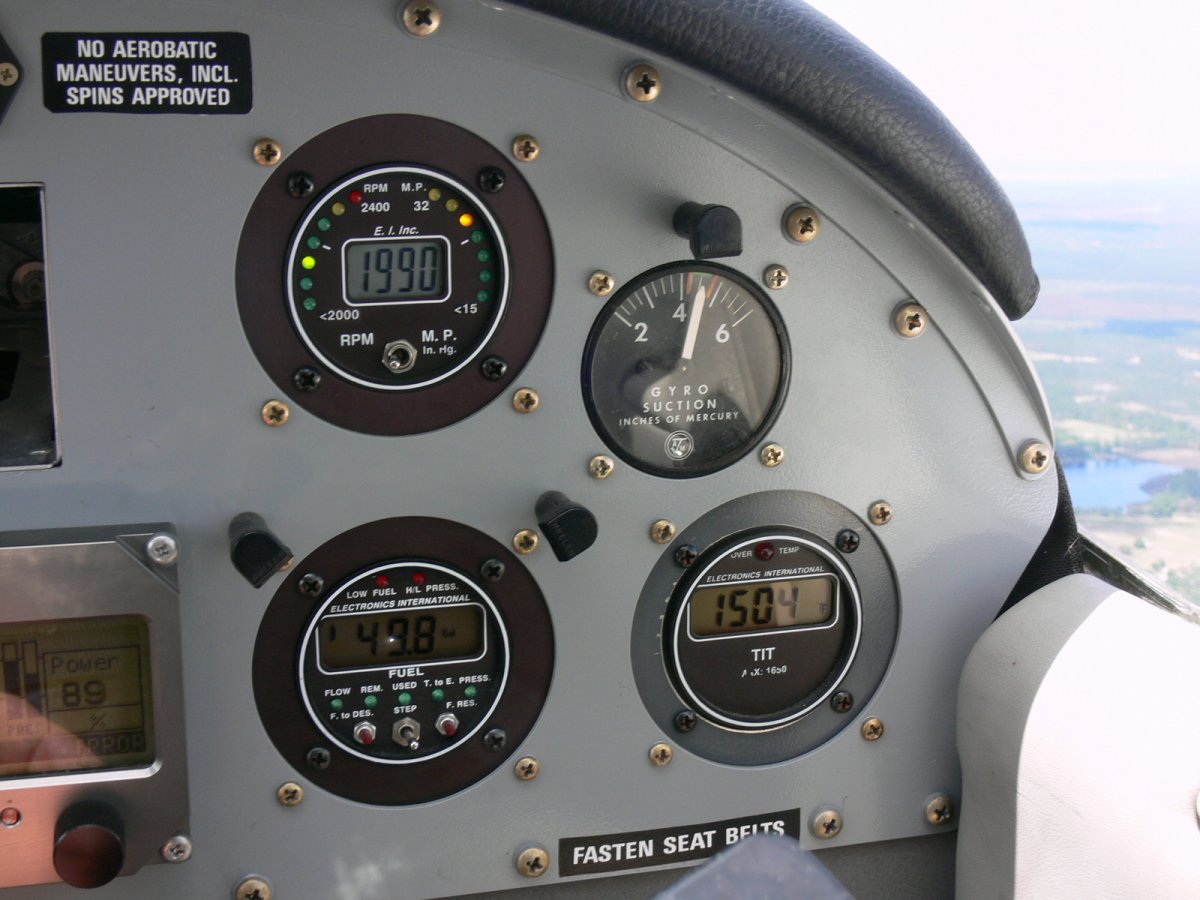
any vibration. It hums rather than pulsates like a piston aircraft engine
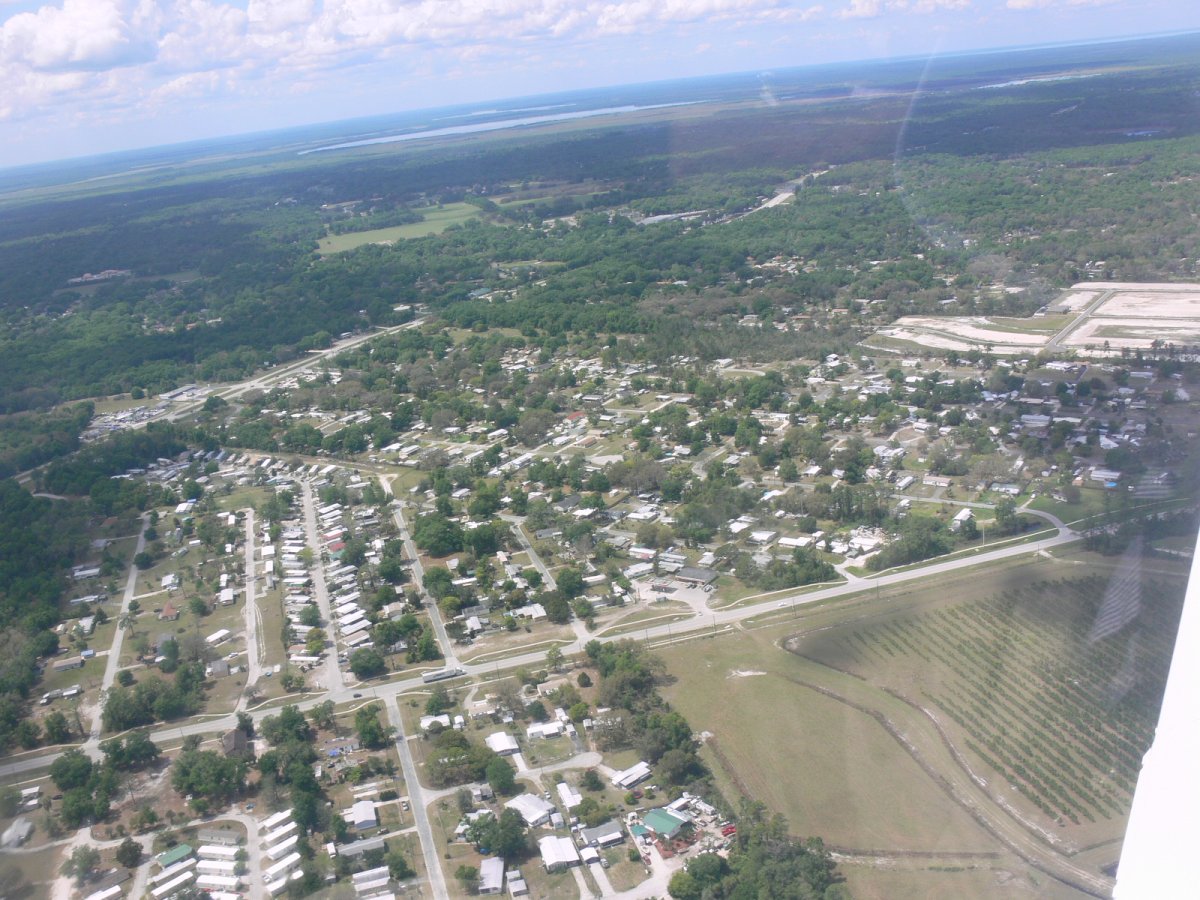
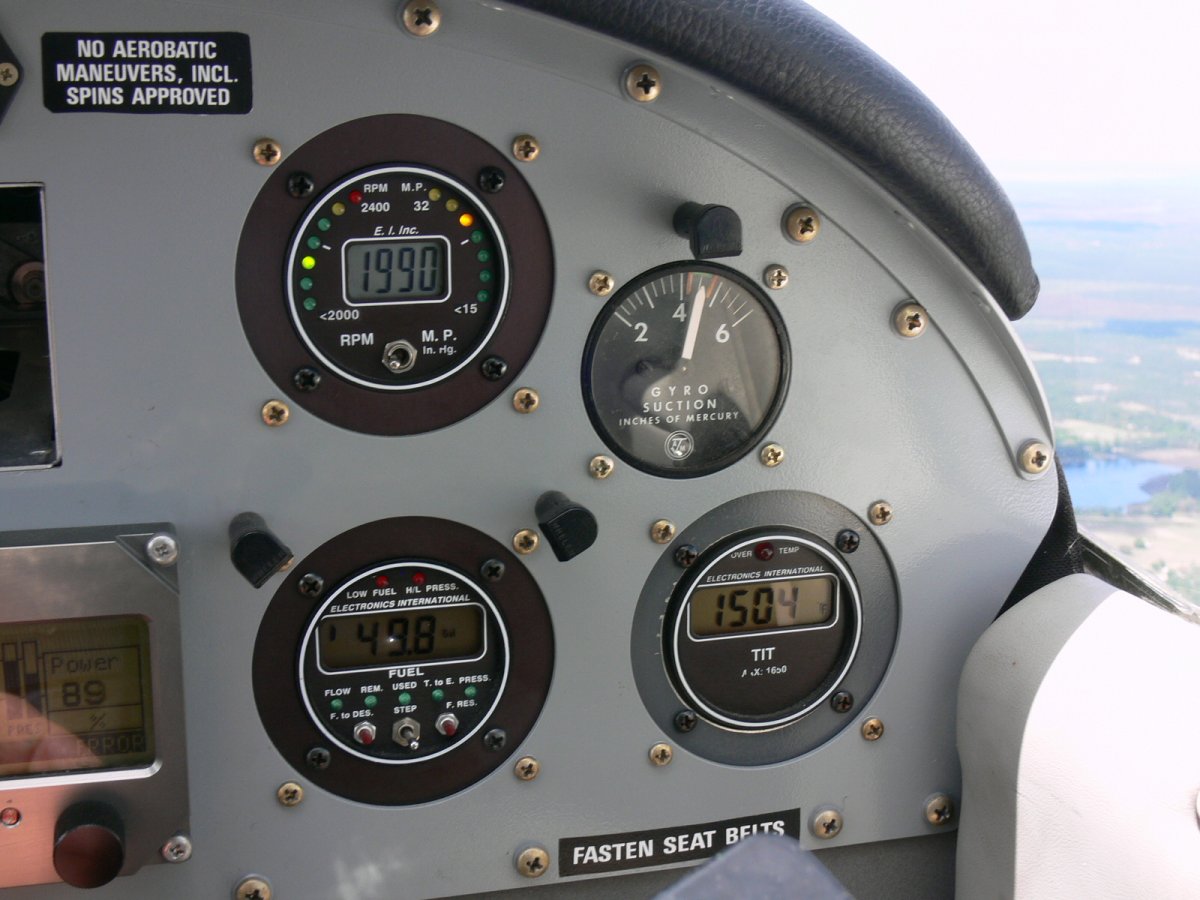
would. A little quieter than a O-470 in a C182. We climbed to 2000 feet
and cruised around at 2000 prop RPM. Gear box is 2.8:1.
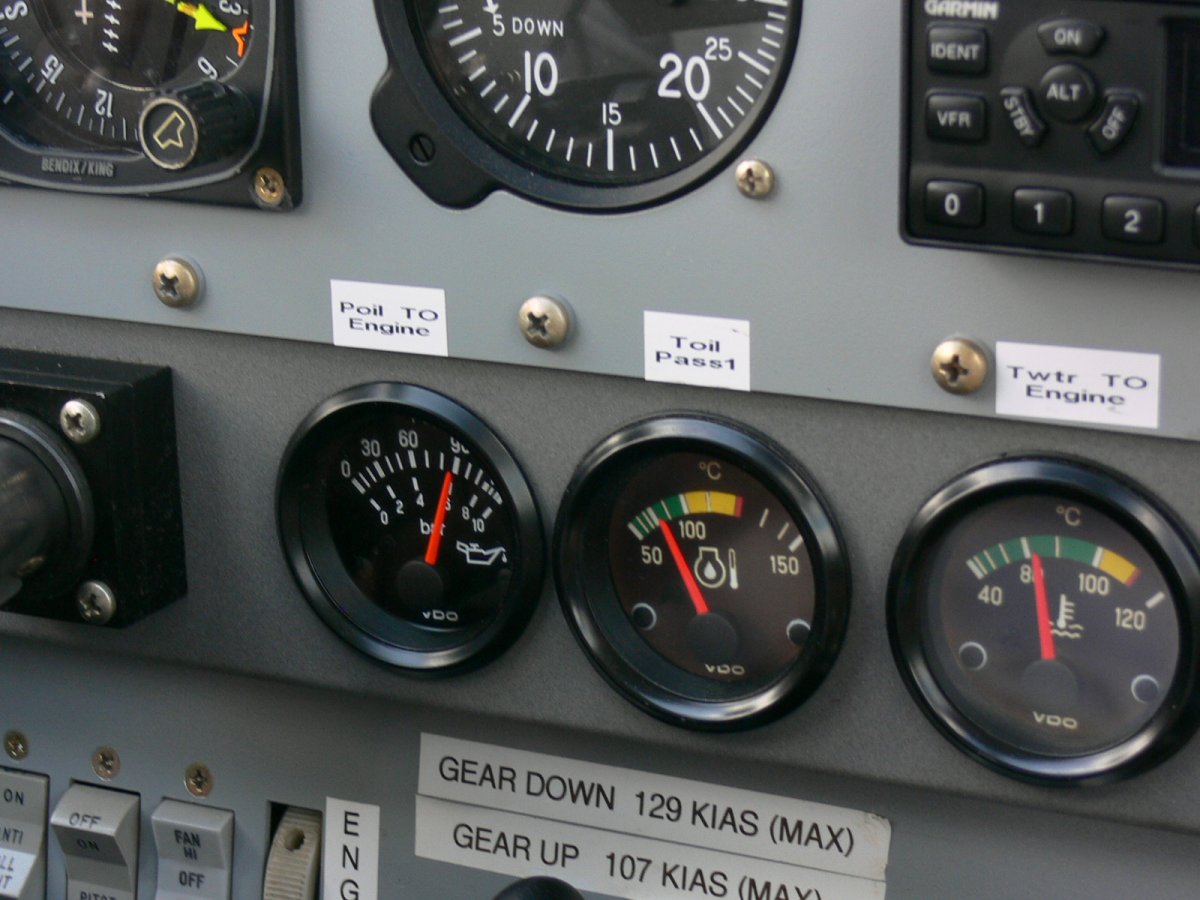
I would say about 130 to 140 Knts. Fuel burn was 10.3 GPH. EGT's were
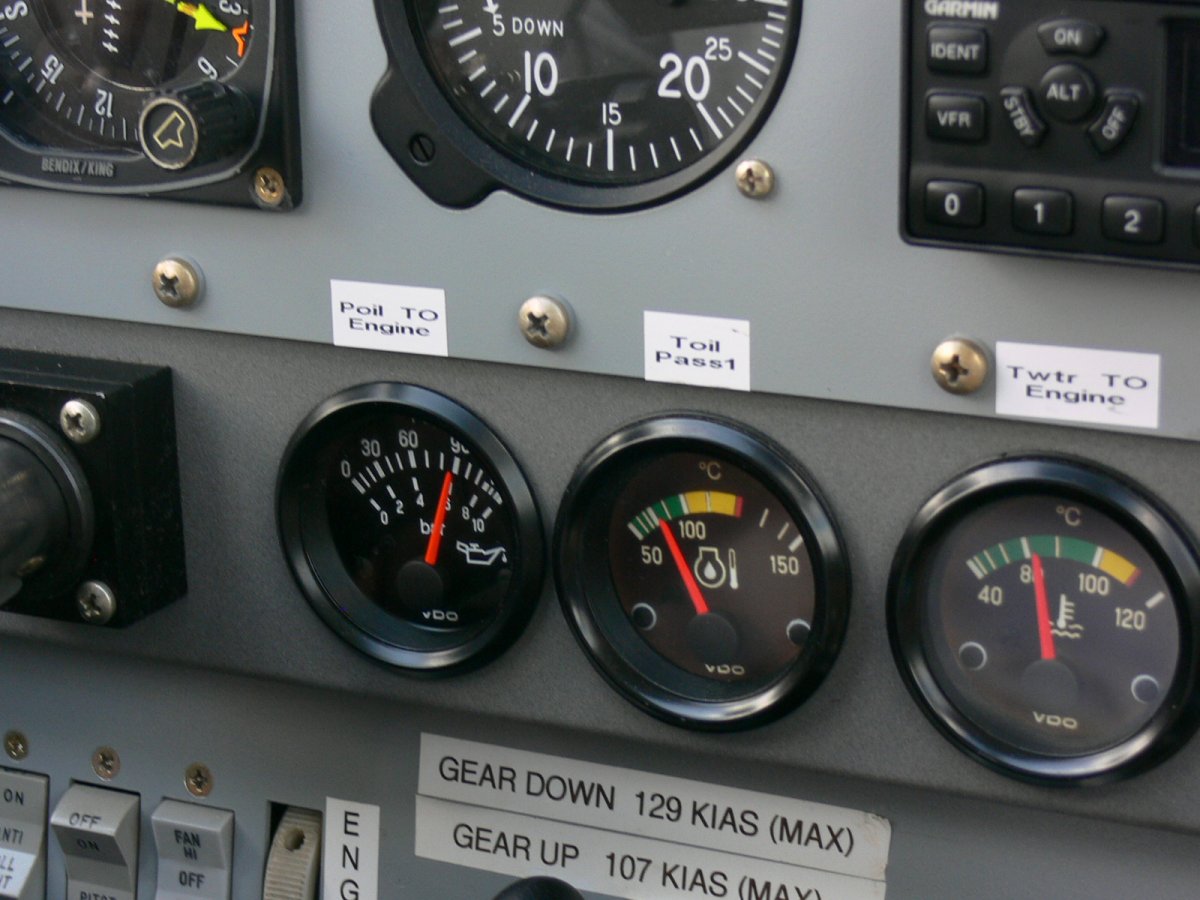
1550 F. Coolant and oil temps were well within the green. Roughly
80 degrees C as I recall. (see the jpg) Even after an extensive run up and
sitting around on the ramp waiting to take off on an 85F day. The oil sump holds
eight or nine quarts and is cast aluminum which helps with the oil cooling
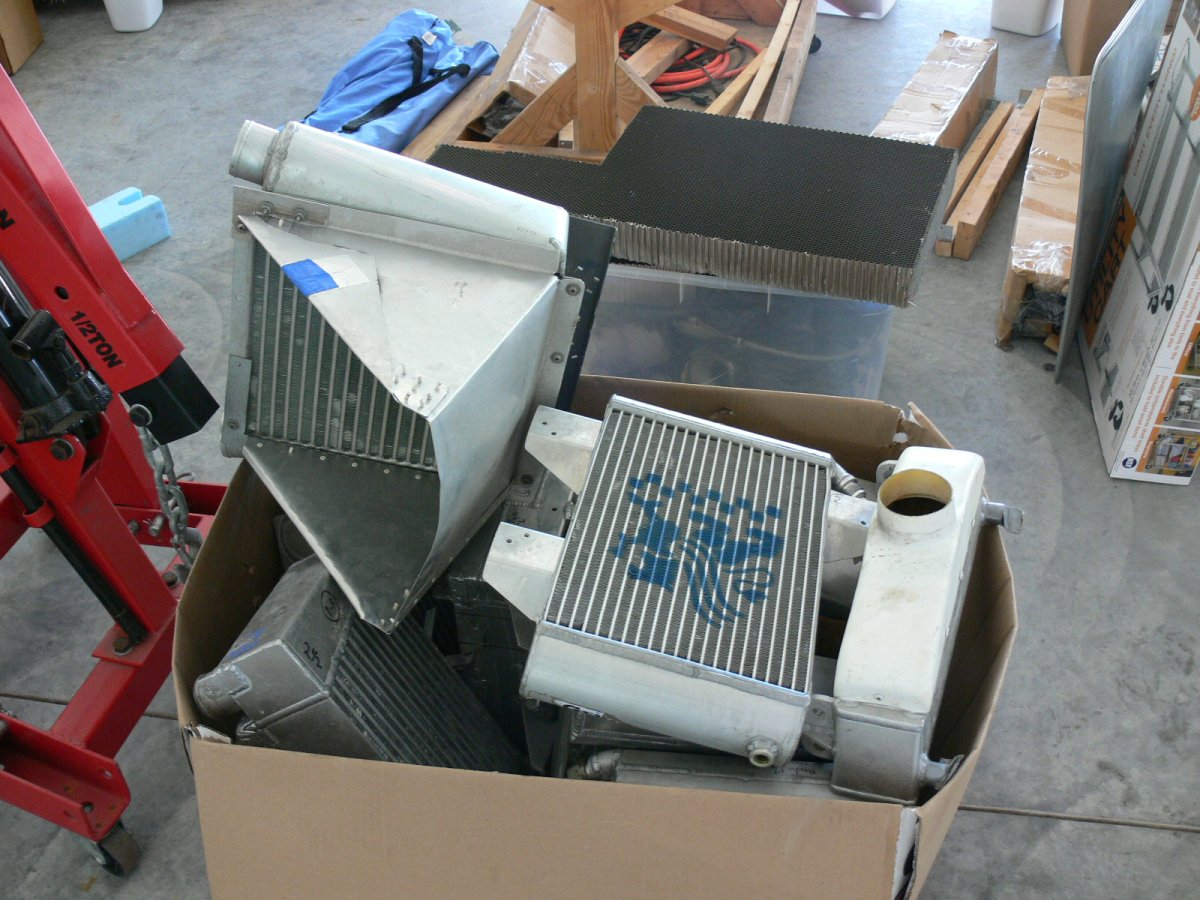
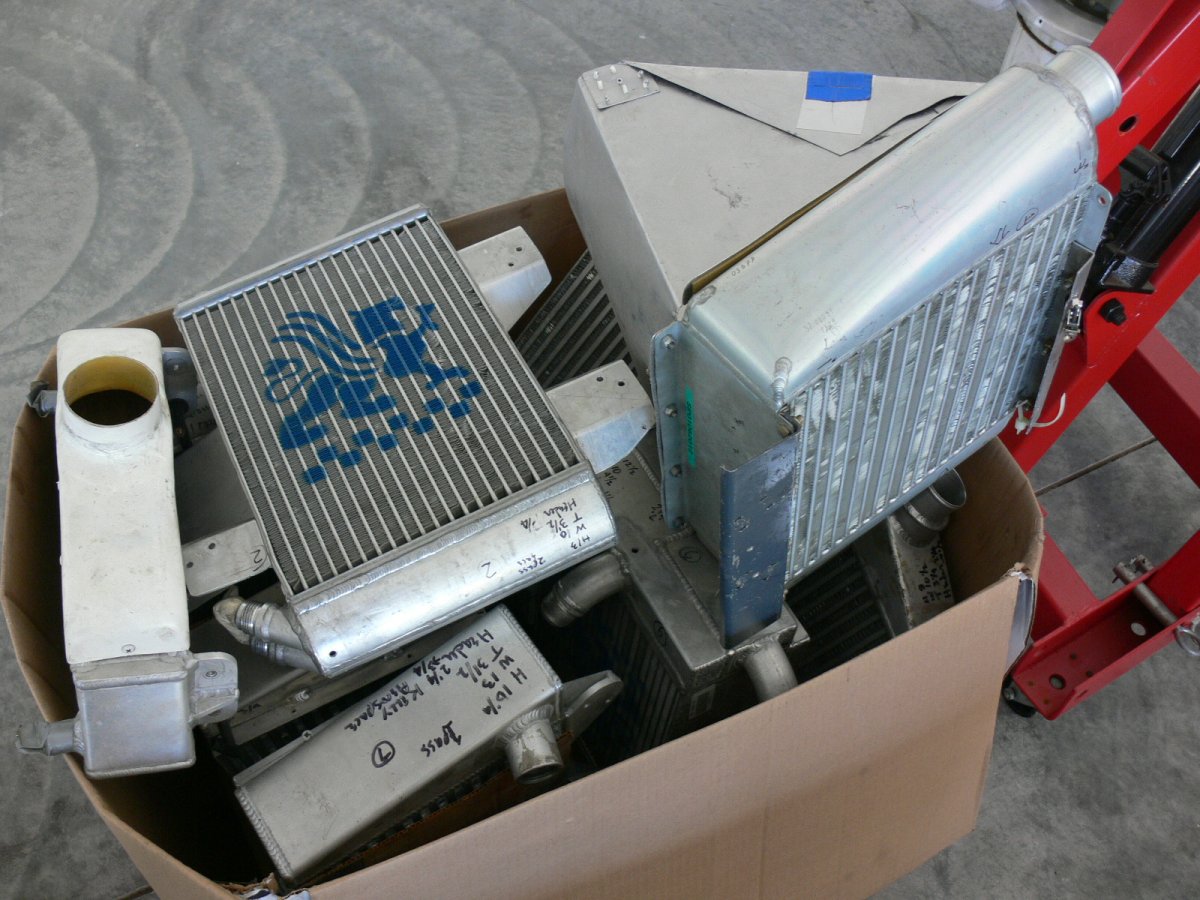
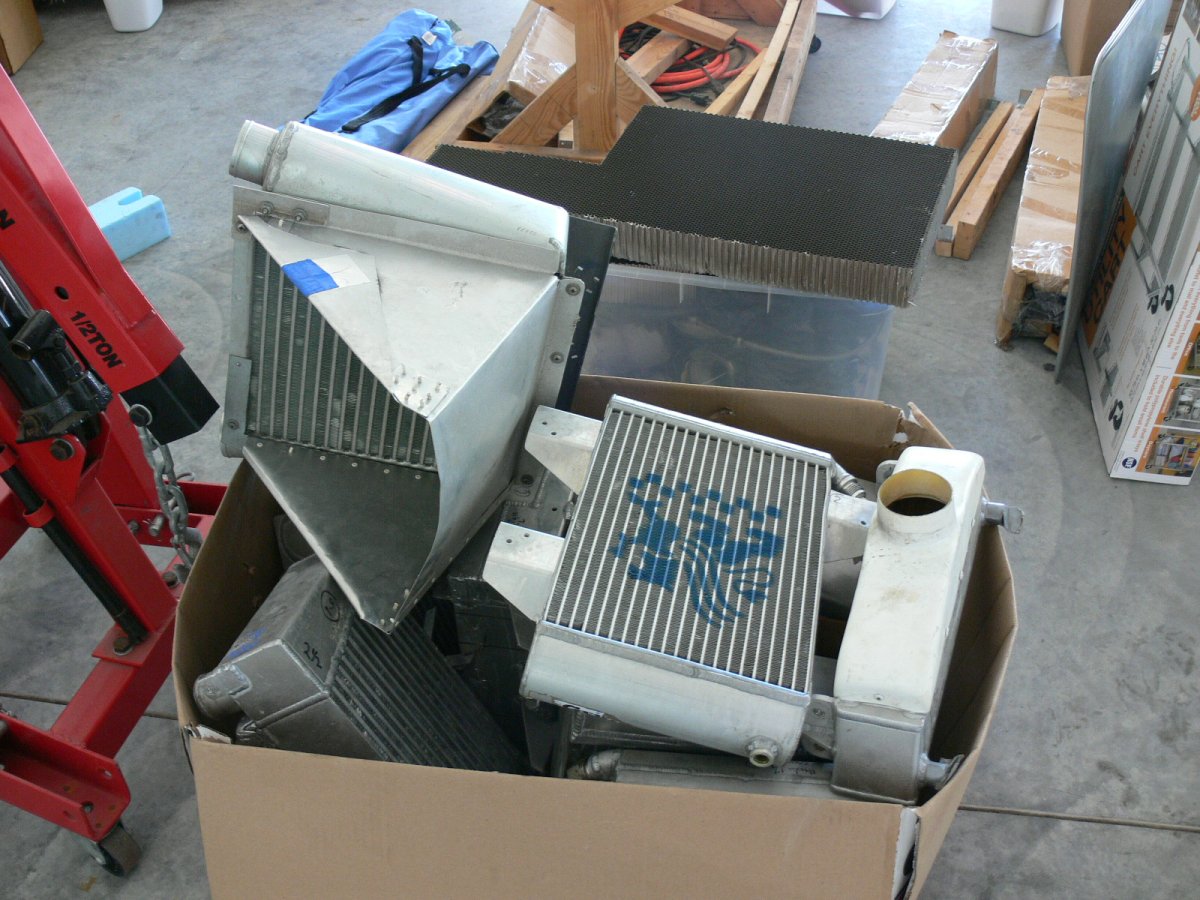
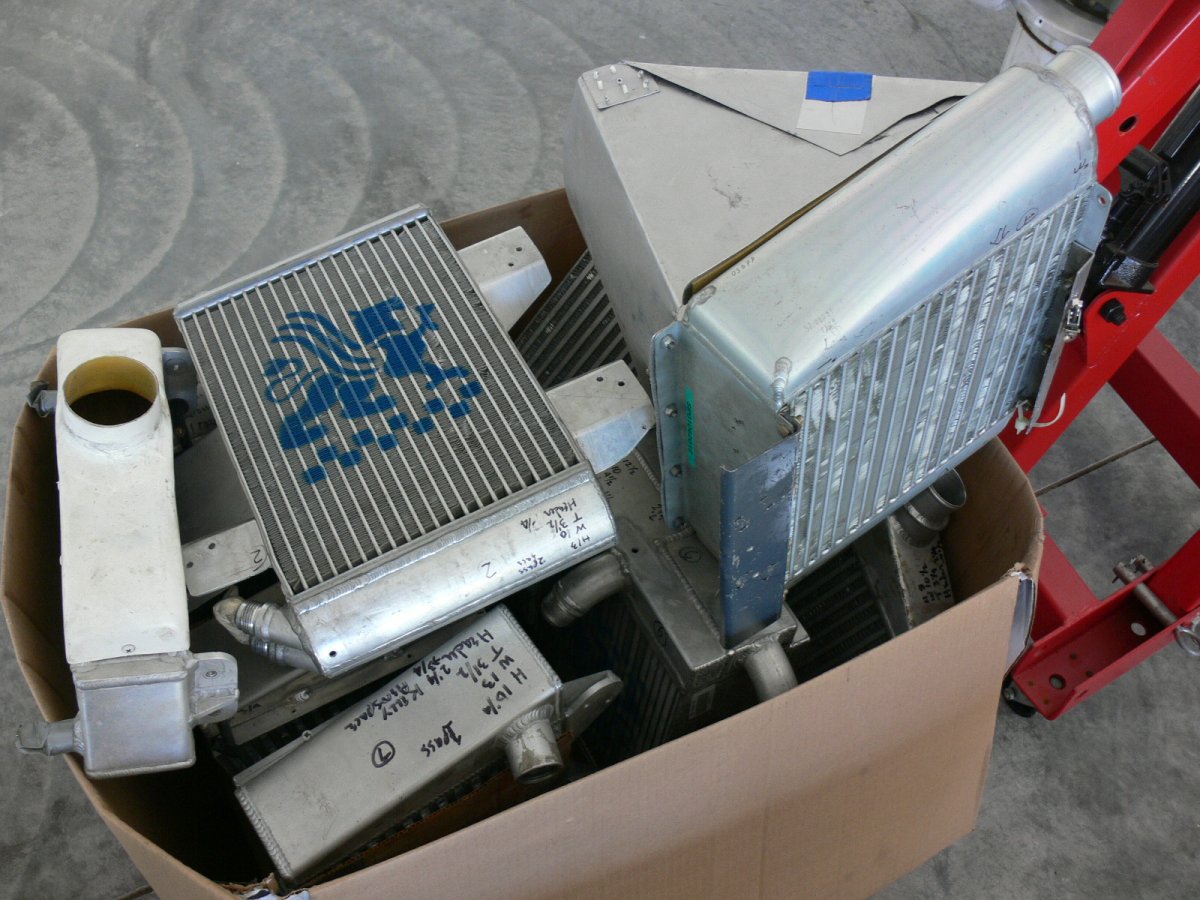
I am sure. Mistral/Embry Riddle has done a lot of experimenting with different
cooling rads and ducts.
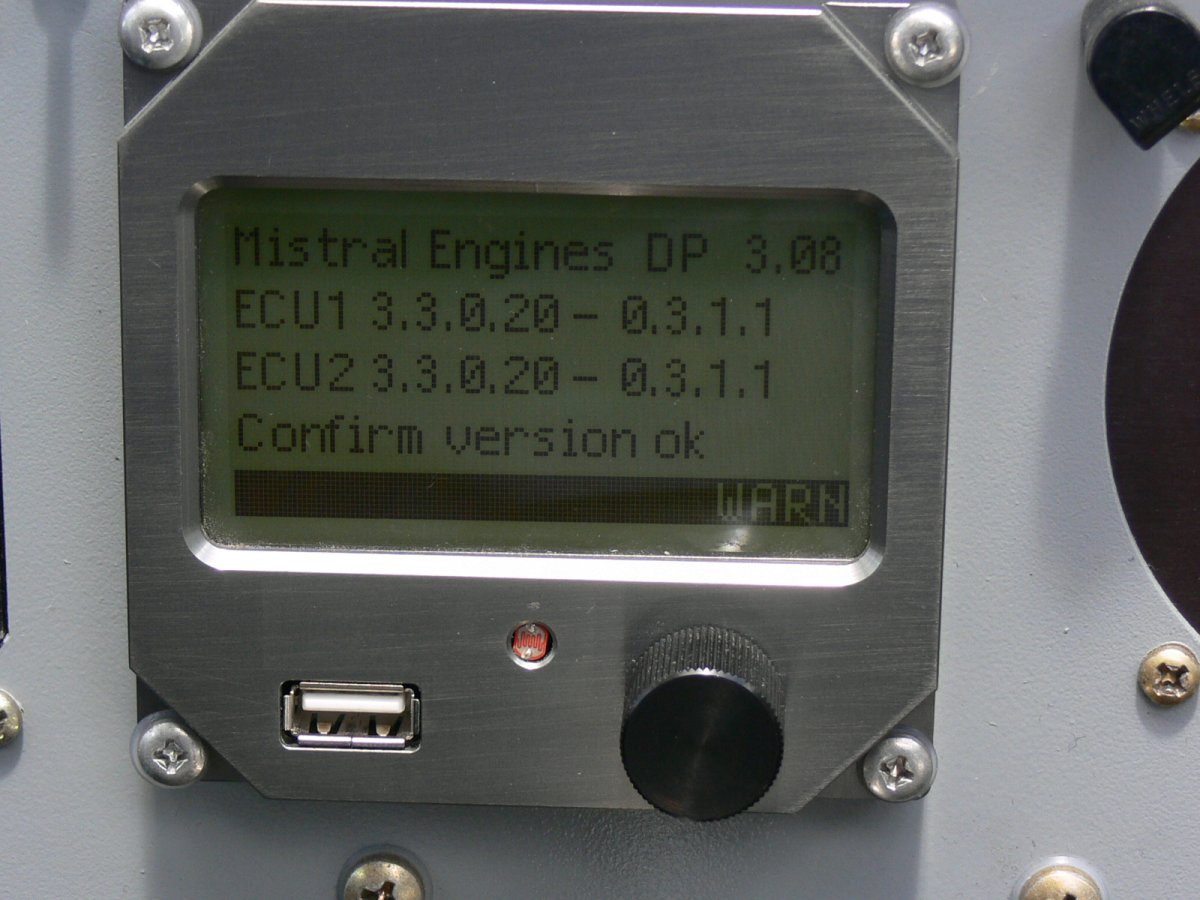
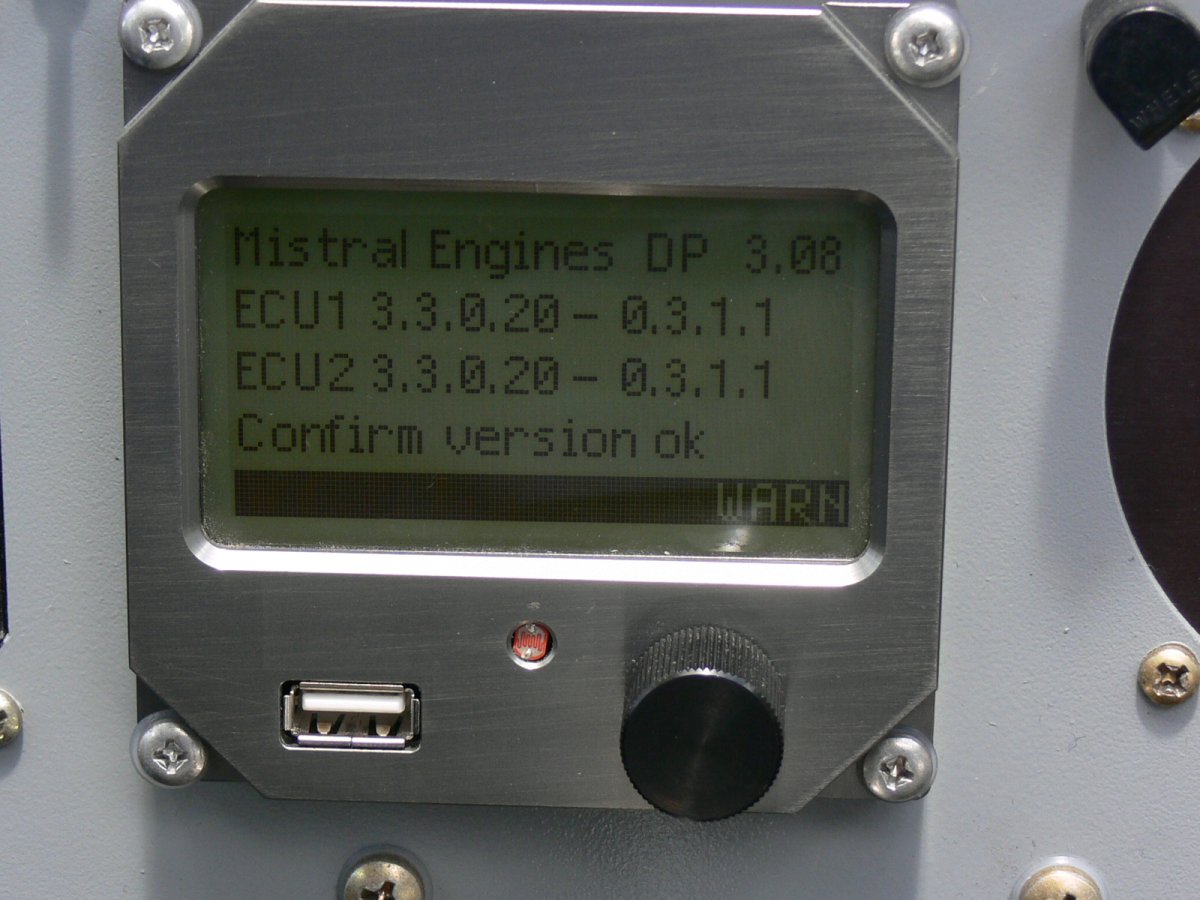
Auto lean is built into the FADEC program. The FADEC has a USB output port
which sends data in real time to a notebook computer to be recorded. Much
like OBD II on all cars.
1500 feet density altitude on the field.
Mistral hopes to have it in the rotary engine row on display
at Sun n Fun. Far west end of the homebuilt tie down area.
Paul Lamar ...No rotor no motor.
The Rotary Engine NewsLetter. Powered by Linux.
ACRE NL web site.
http://www.rotaryeng.net
Copyright 1998-2007 All world wide rights reserved.