> > Yesterday we had the first semi-annual Sharpie
> > 500 RV race. It was a blast, with a lot good times and trash
> talking.> But mostly it was a relaxing cooperative atmosphere.
> My fixed pitch
> > rotary RV-6 held its own with its over-pitched 3-blade prop against
> > 180hp and 200hp RV's all with constant speed props.
> >
> > The results are posted at the bottom of the page:
> >
> >
http://rvproject.com/race.html
> >
> > Two of the planes were not going for speed, but best economy.
> The two
> > fastest were tandem aircraft with a significant advantage
> there. Two
> > guys were running rich of peak (rivet and Eddie). I was
> running at best
> > power.
> >
> > If the overall speeds seem a little low compared to other race
> results> its because
> >
> > 1) we were all mostly doing something in improve efficiency
> > a little (for example, I climbed to 8.5k)
> >
> > 2) there was a 35kt quartering
> > cross wind
> >
> > 3) It was very bumpy
> >
> > 4)terrain required a climb to at least 5.5k to just squeak
> over the ridge.
> >
> > So don't be fooled, those are some very fast planes. I was seeing
> > true air speeds in excess of 190 kts [219 MPH] most of the way
> back. Dan
> > Checkoways plane in particular is an aberration.
> >
> > Good times. Keep building, its worth it.
> >
> > --
> > David Leonard
> >
> > Turbo Rotary RV-6 N4VY
> >
http://N4VY.RotaryRoster.net
> >
http://RotaryRoster.net
> >
> > This well illustrates the importance of a good variable pitch prop.
> > Of course there are a lot of other factors in a cross country
> air race
> > such as climb and decent relative to winds aloft.
> >
> > Don't make the mistake of buying a $10,000 German MT prop.
> They are
> > about 10 to 20 knots slower than a good Hartzel or McCauly.
> Unfortunately> Tracy's gear box does not support a hydraulic
> constant speed prop.
> >
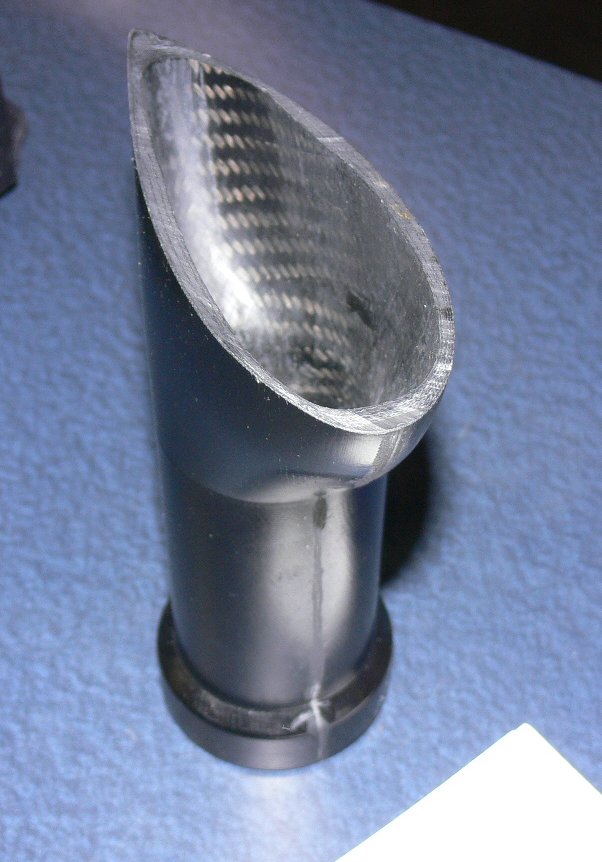
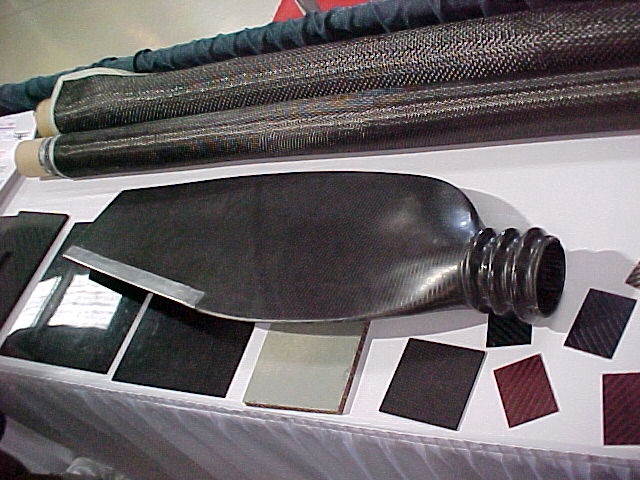
> > See if you can find an electric prop with carbon fiber blades.
> > The over priced MT props are wood with a thin layer of glass mat.
> >
> > My theory is; it all has to do with blade thickness out near
> the tip.
> > Efficient props have very thin tips as illustrated in the results
> > from this race and the fastest Reno racers. Wood is not stiff
> > and strong enough to make a thin prop blade tip possible. Metal
> > is better and carbon is better yet.
> >
> > Large diameter two blade props are always more efficient so
> > prop tips are always in the transonic range consequently
> > tip drag is all important.
> >
> > Paul Lamar ...No rotor no motor.
>
>
> look at :
http://www.variprop.com/
>
> i believe they just finished the RV-6A testing
>
> Kevin Lane
>
> That looks like a great idea. Apparently they use an annular hydraulic
> cylinder just like an automotive clutch throwout cylinder to change
> the pitch. No need for a hollow prop shaft. Should work with
> Tracy's box. I would specify carbon blades.
>
>
> Paul Lamar ...No rotor no motor.
Correct me if I am wrong. The price for a two blade Var-Prop is around
$8,000
Marc J.
Well I just guess they are trying to get rich quick.
We will have to look else where.
-----------------------------------------------
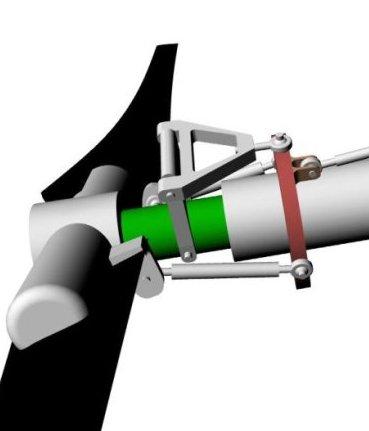
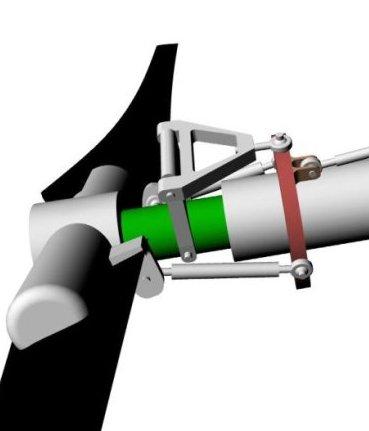
Something like this helicopter style all mechanical pitch
change mechanisms should be fairly cheap to build.
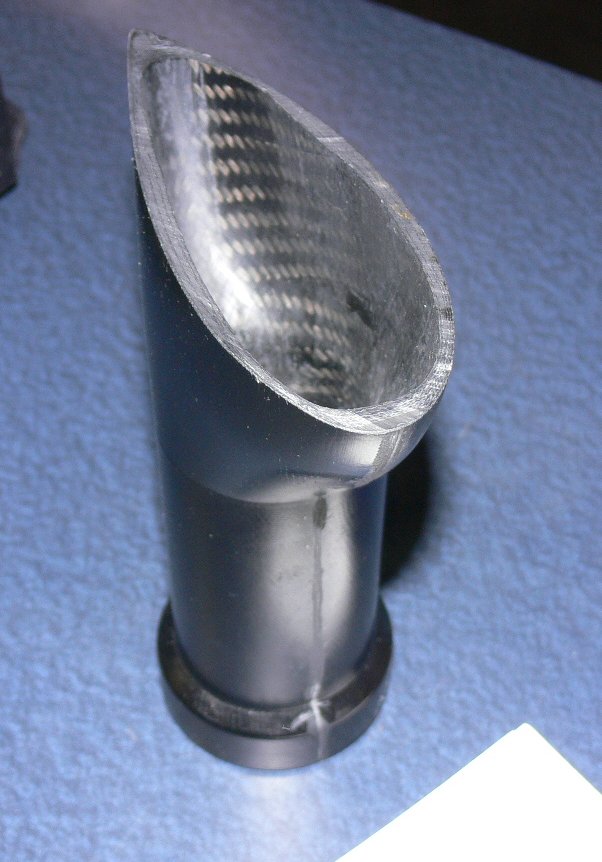
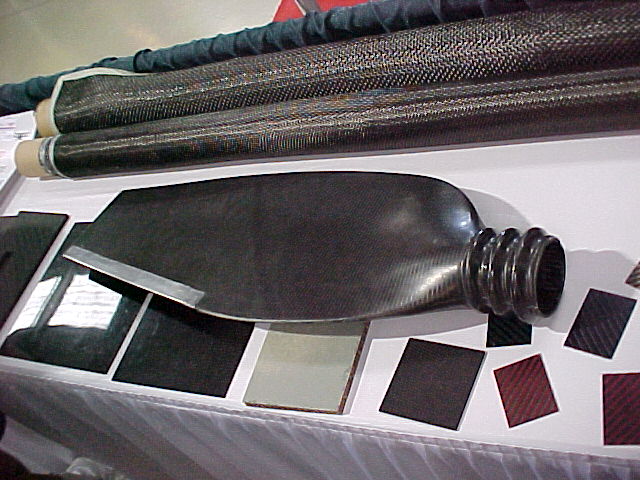
Sensenich is now making hollow carbon fiber blades.
They are made in female molds using a rubber air bladder.
--
Paul Lamar ...No rotor no motor.
The Rotary Engine NewsLetter. Powered by Linux.
ACRE NL web site.
http://www.rotaryeng.net
Copyright 1998-2007 All world wide rights reserved.