Article on the history of the rotary;
http://autospeed.com/cms/A_110209/article.html
Also in the same issue is an article on BSFC for
automotive applications.
Robert LeClercq
http://autospeed.com/cms/A_110211/article.html
Much of this is correct.
However it is written in the void of knowledge of economics 101 :)
No mention is made of a reduction in demand as prices rise
or the amount of oil locked in Alberta tar sands and US oil shale.
Turbo compound alone, if adopted across the board, could reduce
automotive needs by 20% or more.
Typical of the hysteria surrounding certain political points of
view :)
The BSFC article is great. I am glad to see this level of education
getting out there.
http://autospeed.com/cms/A_110216/article.html
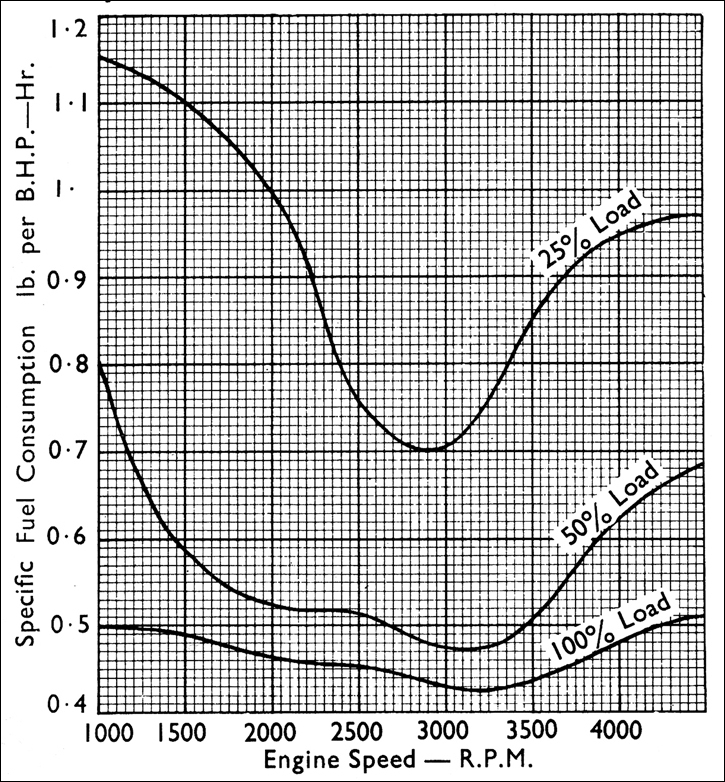
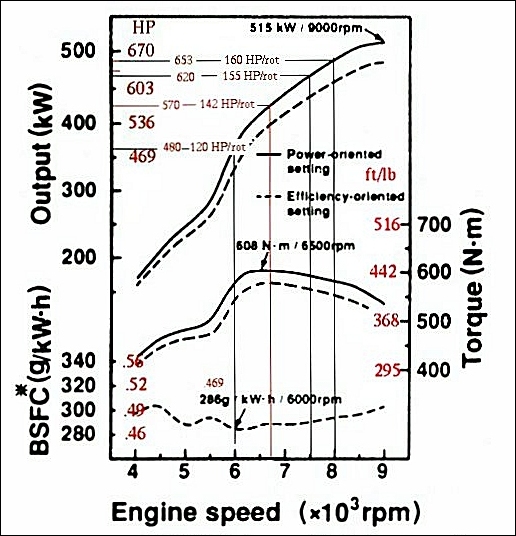
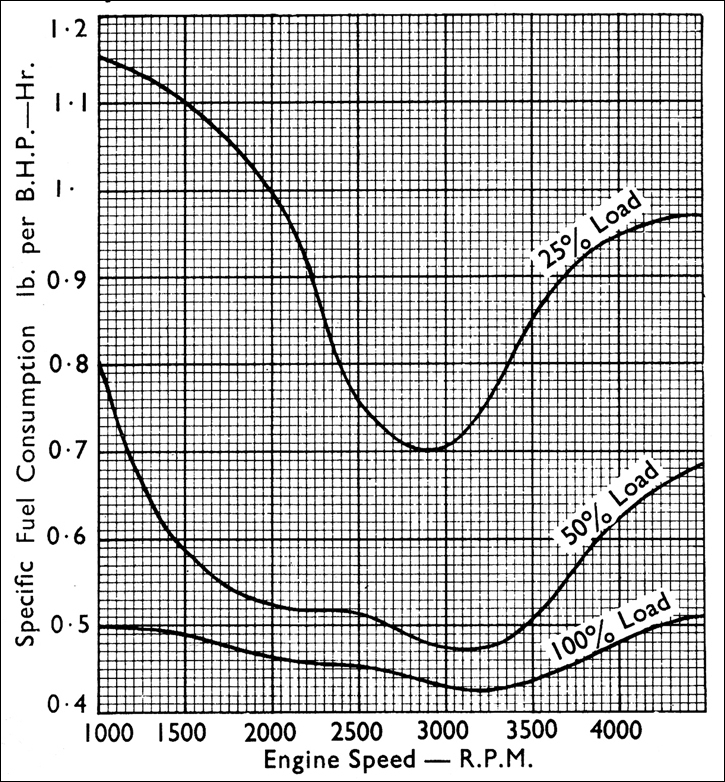
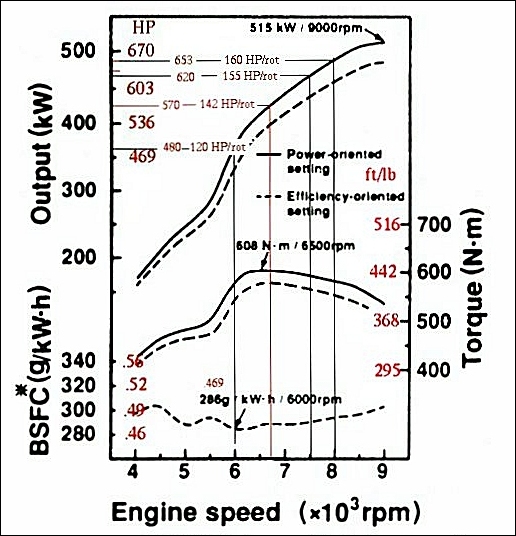
Not only that they stole this Lemans engine chart off my web site or
the news letter :)
The least thing they could have done is mention my web site :)
The second chart is the original.
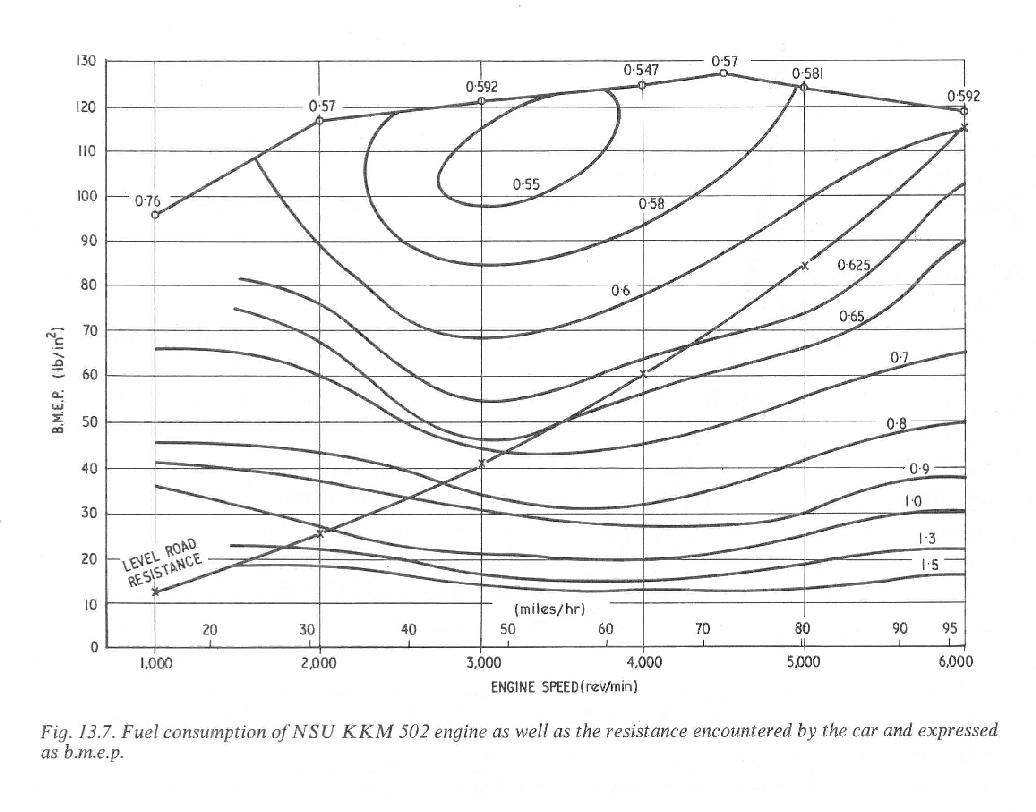
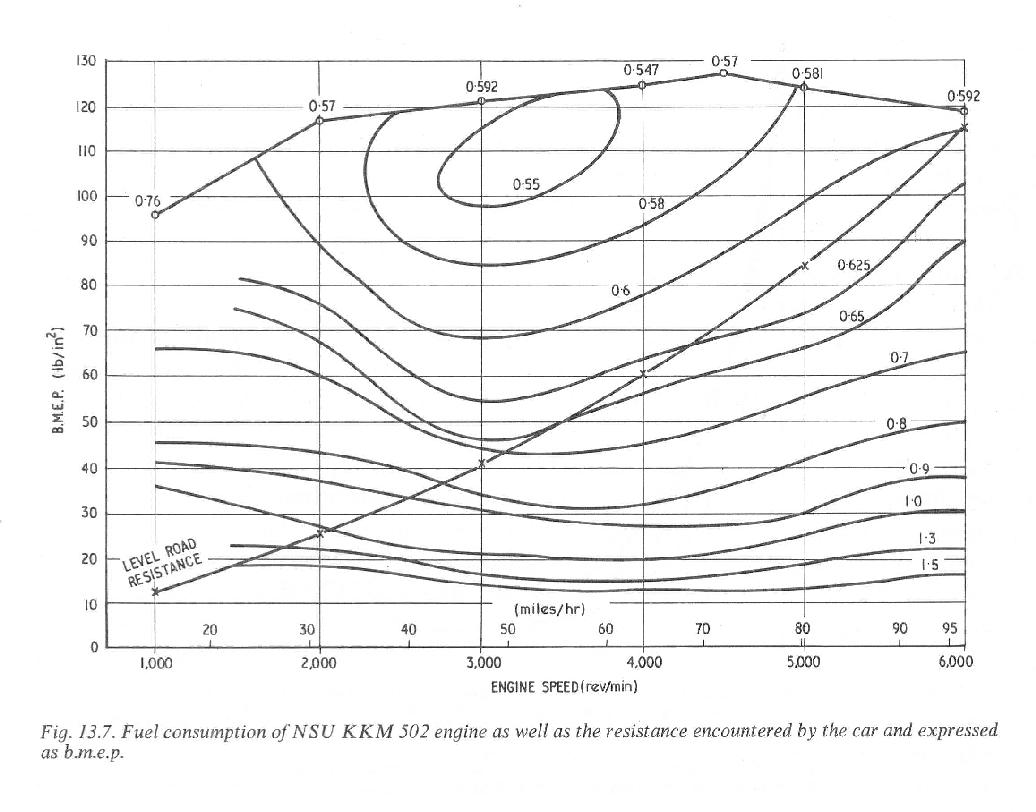
This last chart explains why the rotary does so poorly in a car while
it does so well in an aircraft application. In an aircraft it is running
at a much higher power level.
Paul Lamar
Paul- what is the definition of load- how is it measured?
MICHAEL D PARKER
Load in the context of engines is the steady state resistance to turning
applied at the engine output shaft. It is measured in
foot pounds or newton meters. One could measure it with strain gages applied
to the output shaft or use a device that measures the reacting torque
on the engine mounts. Here is a cheap way to measure it using a pressure
gage and a hydraulic cylinder built into the motor mounts.
BTW prop load is very very low until one gets up to the RPM where the tips
start to go supersonic. That is because the tip drag has the longest moment arm
on the shaft. That is also why it is extremely important to use thin and/or swept back
prop tips that minimize transonic drag.
In the context of a car it is the total drag at a steady speed on the car both
tire rolling drag and aerodynamic drag. Usually referred to as "road load".
We usually use the coast down technique to measure it. Knowing the weight
of the vehicle one can measure the road load by timing how long it takes
to slow down. Another way of putting it is measuring the deceleration as a
function of time.
In this Wankel BSFC chart it is labeled "Level Road Resistance".
In some cases it could be the resistance of an object to acceleration
but this is rarely used. The term mass is used most often.
--
Paul Lamar ...No rotor no motor.
I was reading the article on BSFC, and found it to be very interesting.
Given that BSFC improves as engine load increases, is it a reasonable
statement that a constant speed prop can improve overall fuel efficiency in
2 ways. That lower engine RPM reduces net fuel consumption and increase in
pitch allows better engine loading reducing BSFC?
C. Smith
Absolutely and right on. It is very noticeable in my C182. I can up the pitch
slow the engine lean the carb and I am burning 11 gallons an hour with a 230 HP
engine and getting 13.6 MPG with my real draggy C182 at 150 MPH.
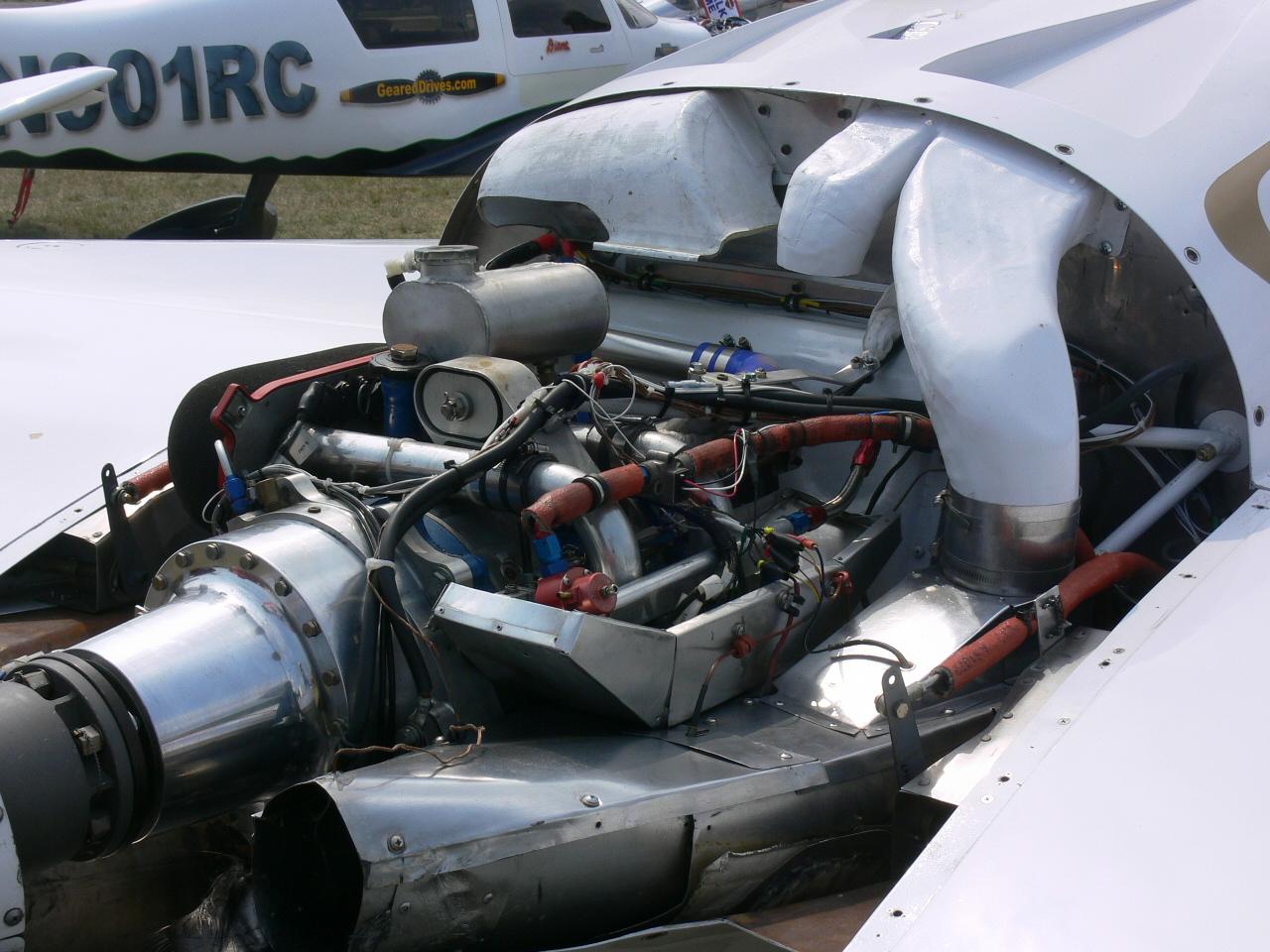
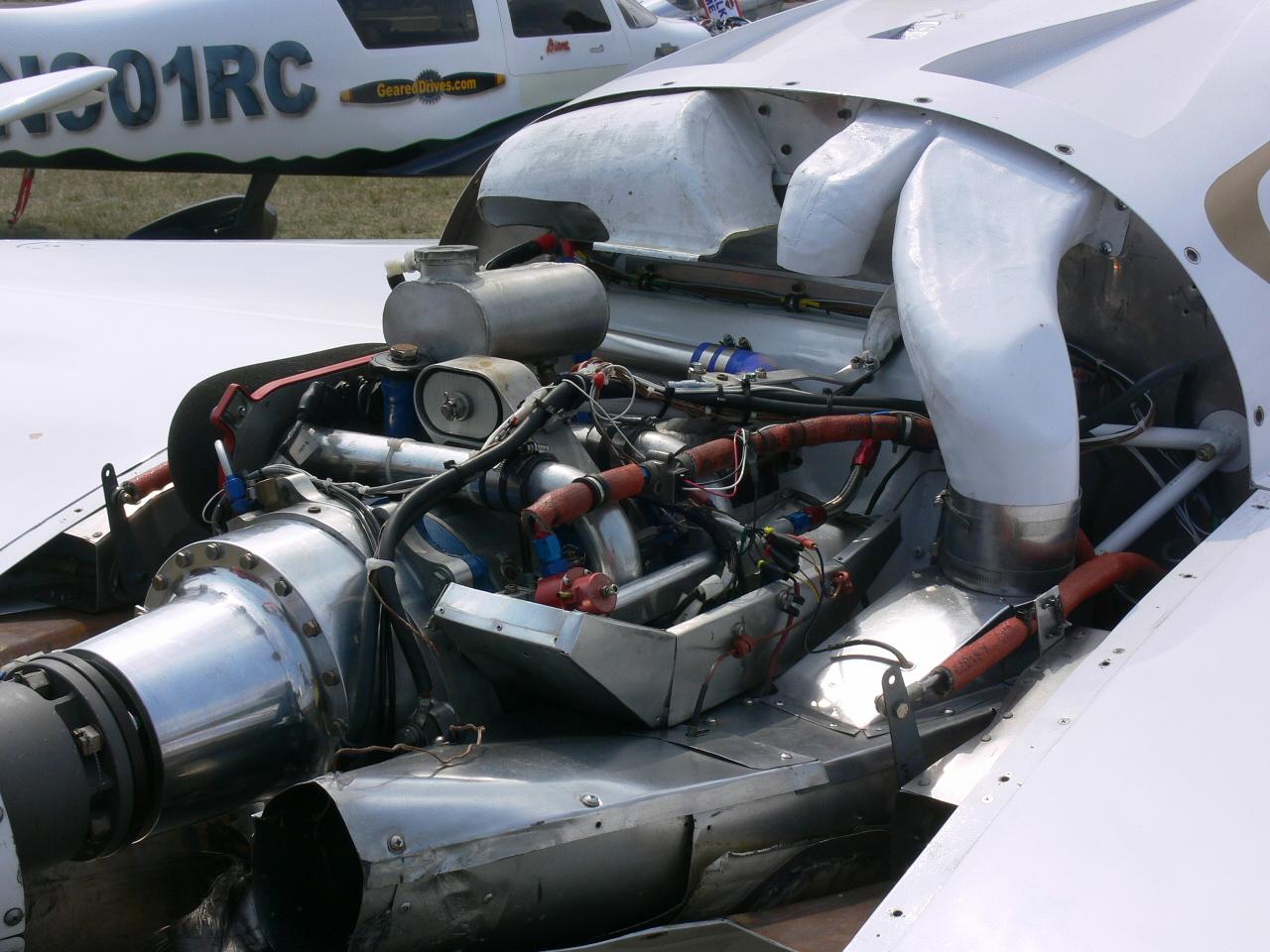
This 215 HP P-port rotary powered Velocity with a constant speed prop ran 212 MPH
and burned 14 gallons and hour in the 500 mile Dayton to OSH race last year as
I recall. 15 MPG.
--
Paul Lamar ...No rotor no motor.
The Rotary Engine NewsLetter. Powered by Linux.
ACRE NL web site.
http://www.rotaryeng.net
Copyright 1998-2007 All world wide rights reserved.