I don't trust tiltrotors anyhow. They are like skydiving -- even if the
pilot does everything right, they can still kill you Just Because.
If ANY flaw appears in the transmission or power control systems, the
aircraft will most likely crash.
In helio mode, the same differential thrust problem that you have in a
310 now becomes a differential LIFT issue, with a very long moment arm.
In airplane mode, the rotors are too large to allow it to land like a
plane, and even if you shut down the engines and dead-stick, you will
catch the blades long before your landing gear is anywhere near the
ground, and it will flip you over on your back before you have the time
to swear.
Autorotation is relatively ineffective, because there just isn't enough
rotor area.
Just because a technology is attainable doesn't mean that it's practical.
Keith W
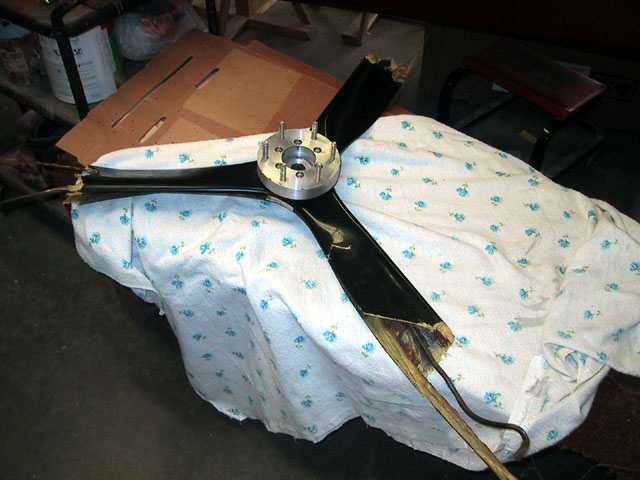
The props may or may not flip you over. Depends on how they stop. Also
carbon props tend
to shatter rather than bend. For our small PAV single tilt rotor we
advocate large airbags for
the pilot and pax instead of chutes as they inflate faster.
http://www.rotaryeng.net/VTOL.html
For high altitude tilt rotor PAV problems a ballistic chute will work
fine.
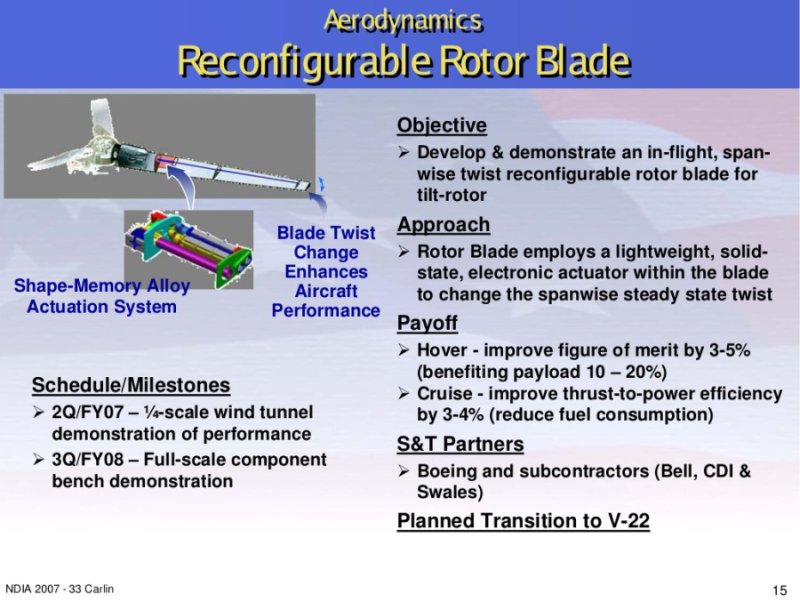
I think the new variable twist blades
Boeing is working on will enhance auto rotation. It will certainly
mitigate the vortex ring
state. Variable twist blades will make the disc area more effective in
helicopter mode.
Tilt rotors are the future as they solve a lot of current car traffic
and airport access problems.
> Paul Lamar
------------------------------------------------------------------------
Got an airbag big enough to englobe the whole aircraft?
A carbon-fiber blade which is strong enough to be 1/2 of the support of
a fully loaded aircraft is NOT going to politely break up into
bite-sized pieces in a dead-stick landing -- they are going to be a big,
nasty lever, especially if fully feathered (thus hitting the ground in
the direction of their greatest cross-section). It doesn't matter what
position they stop in, even with one blade straight up, there are
several feet of blade below the landing gear. So check the video of that
Navyator who snagged a cable with the hook while 3 feet off the deck.
The plane hit the deck so hard that the fuel tanks ruptured and the
plane exploded into flame like a Ford Pinto that's been rear-ended by a
dump truck. From 3 feet up. Landing with the right side up. Now
imagine that's your tiltrotor, digging the blade on each side into the
ground from 5 feet up. Or worse, digging ONE blade in from 5 feet,
while the other side is still clear of the ground.
I just don't see any other likelihood -- those rotors are just too big.
It would be much more chance of survival if they used 4 instead of 2.
The Vought / Hiller XC142 Tiltwing was capable of operating like a
plane, because the blades were shorter than the clearance to ground.
"The _______ of the Future" is usually an evolutionary dead end, or the
Zeppelin would still be queen of the skies, we'd all fly personal
rotorcraft to work, and UPS would be delivering packages to Luna City.
For that matter, weren't the Vega and Pinto touted as the "Future of
American cars" . . ? That predicted future faded pretty fast after
people started dying in them. Just imagine how eager people will be to
climb aboard the tiltrotor and commute to work when they've just watched
the news video of another just like it falling out of the sky, ballistic
chute wrapped around as it tumbles . . .
Nope, sorry, just don't see it, and if it is the future, I'll stick to
the good ol' days.
Keith W
There is a big difference between a tail hook and a thin blade in bending
it is not designed for. Not a good analogy. Blades are primarily
designed for axial
loads and not bending loads. In fact they are usually hinged much like
helicopter blades.
If a helicopter blades is not rotating it will collapse upward and not
support the
weight of the helicopter. What keeps a helicopter up is the centrifugal
force
on the blade while it is rotating. Helicopter blades are not rotating wings
despite the appearance.
It is also possible to blow the blades with explosive bolts if the crash
mode
you describe is typical.
The Vega and Pinto are also irrelevant analogies as they both had minor
flaws
easily corrected.
My philosophy is solve the problems rather than give up on high potential
technology. I am glad Mazda had the same philosophy when it came to the
rotary.
I'm not making myself clear.
Tilt rotor blades are NOT helicopter blades. They have to be
significantly stronger to handle the severe gyroscopic forces involved
with changing axes. What little axial change the helo rotor disk makes
is done BY the blades, through aerodynamics. The tiltrotor axis change
is done TO the blades, at the root.
I do have to make a correction -- if the rotor is stopped with one blade
vertical, there is a 20" space between the ends of the lower blades and
the ground, with the aircraft sitting on the gear. However, the same
Navyator who told me that also noted that there is no way to force the
rotor into this position in flight, in any failure mode involving the
engine, control system or transmission. In other words, anything which
would result in a dead-stick landing will result in a random position of
the rotors.
Look at pics of the Osprey at rest. Compare them to any helo you have
ever seen. The helo blades droop, the Osprey blades don't. That same
strong and stiff structure, necessary for flight, becomes a major hazard
in any dead-stick landing -- assuming, of course, that you can keep up
enough airspeed to actually have life from the wings.
Go look at the record of the Osprey. Out of 10 reported major
incidents, 8 were related to the technology (the other 2 could happen to
any turboprop), and 30 people died (7 of them in front of the
Congressmen and other officials who had been invited to a dog and pony
show demonstrating the new aircraft).
That said, I'm not looking at the "Osprey-only" issues (such as cracking
rotor heads, etc) except as symptoms. Any new aircraft can have those
sorts of problems. I'm condemning the whole technology, not the design
and manufacturing problems of a specific model. In other words, I am
not looking at the "Hindenberg," I'm looking at "airships."
Why would this be the "Aircraft of the Future"? It is significantly
less efficient than real fixed-wing aircraft. Using the V-22 as the
only available example, the payload/distance chart is incredible (ferry
range for a NO PAYLOAD flight is only 500 nm -- that 2100 nm range they
brag about is for a V-22 filled to gross weight with fuel and no
payload). Tiltrotors cost several times as much as comparable
fixed-wing or rotorcraft, and need far more maintenance. And this
ignores the very real and significant threats to life inherent in the
technology.
It's not manufacturing issues which have led the V-22 to fail BOTH of
the OPEVALs it has taken, it is those technological threats.
At best, the tiltrotor is a niche-filler -- it flies 100 MPH faster than
a helo -- but there are just too many places that the "Golden BB" can
bring it down . . .and it comes down with a big, expensive and
fatal-sounding noise.
Sorry, to me, the tiltrotor concept is even more dead-end that the
Reciprosaur, and for the same reason -- it only works when absolutely
everything is working properly, and too many of those things are too
easy to break. It is about as practical as a day-to-day workhorse as
TACIT BLUE.
Oh, and as far as Lockheed looking into tiltrotors, well, Lockheed has
always looked at EVERYTHING. Doesn't mean they'll ever build them as a
manned aircraft.
I'm going to be gone for a couple of days on another business trip, so I
guess this discussion will die here. We'll have to agree to disagree.
Keith W
The gyroscopic forces on the blades when changing changing axes is minimal as it is
done over a relative long period of time. In contrast a propeller changes axes
in an airplane at about 60 degrees per second during a stall or spin. The tilt
rotor does 90 degrees change in 20 or 30 seconds.
Perhaps a small electric motor could be added to orient the blades in an impending
crash.
It is not just that it flies 100 MPH faster. It flies much much higher and much much further
than any helicopter.
http://www.rotaryeng.net/VTOL.html
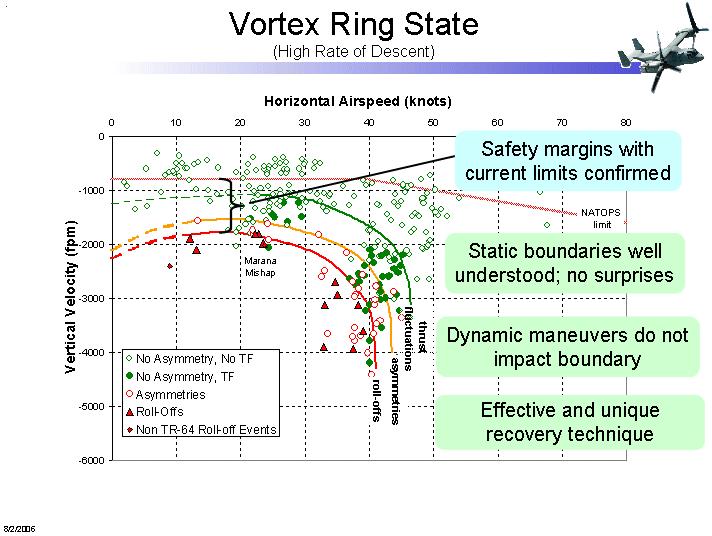
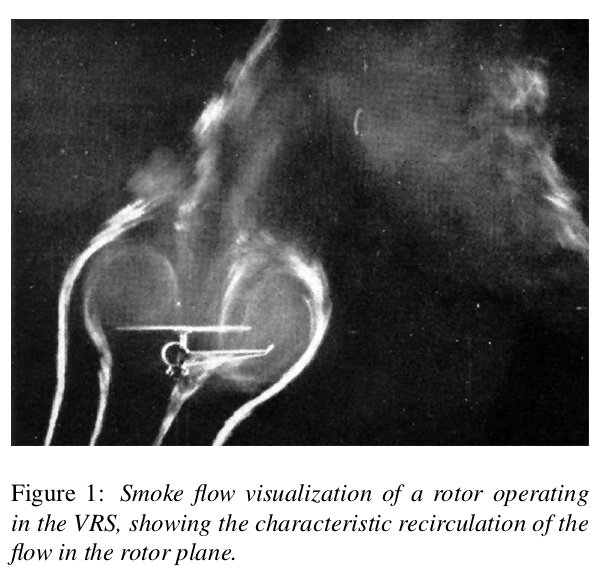
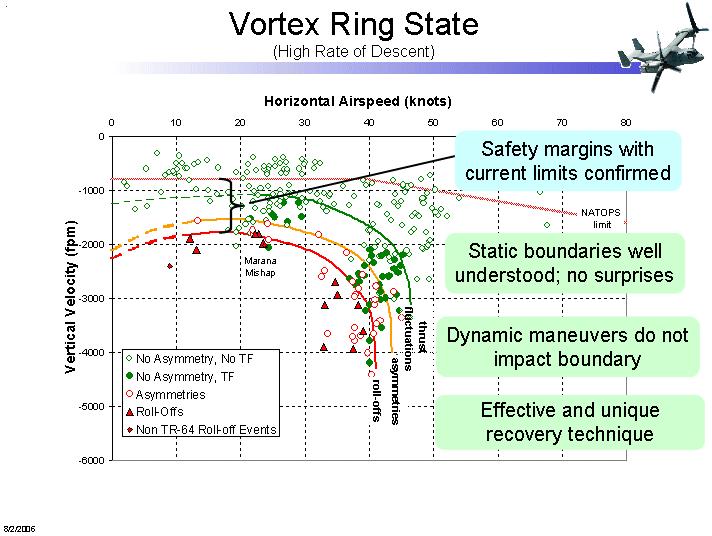
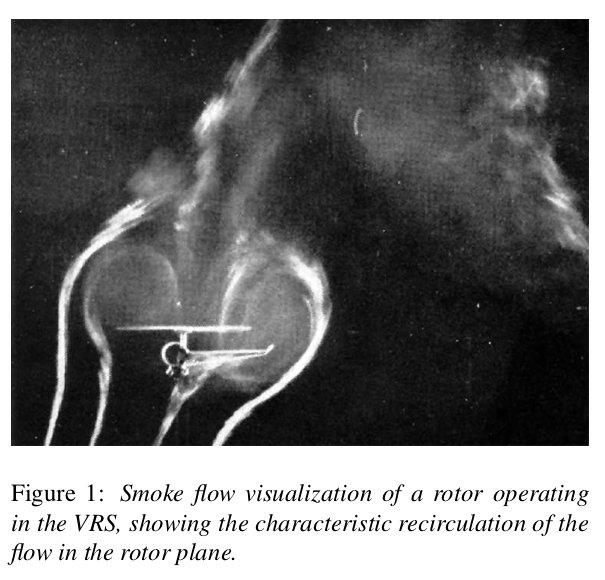
"No discussion on the controversial V22 tilt rotor would be complete without a discussion
on Vortex Ring State or VRS for short. An issue has been made about the V22 Osprey's 47
degree blade twist and how it affects the Vortex Ring State. Unlike a helicopter high
blade twist is necessary in a tilt rotor to get good propeller efficiency at high speed.
This high twist can cause blade stall in the vertical landing mode. I also suspect it
affects the ability of the V22 to auto rotate.
The V22 can roll over if one rotor stalls and the opposite side rotor does not stall.
Special landing techniques have been devised to overcome the problem namely by limiting
the decent rate to 1000 FPM.
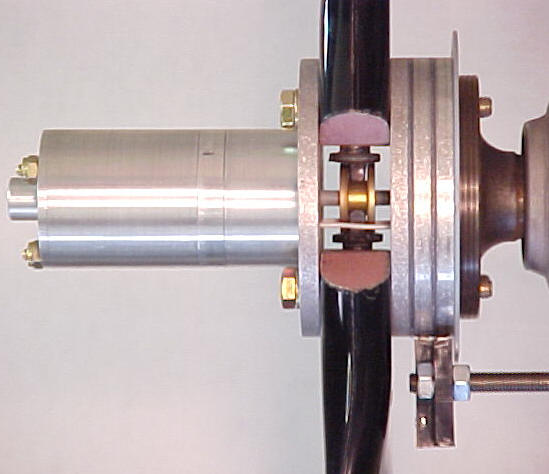
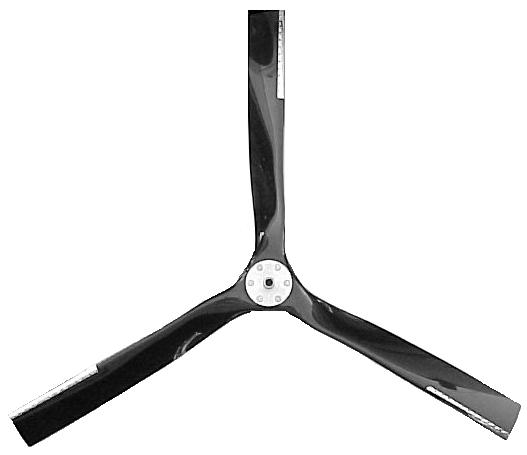
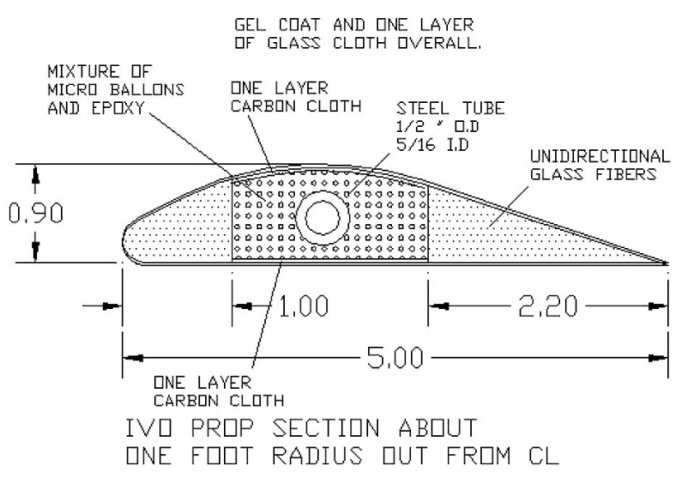
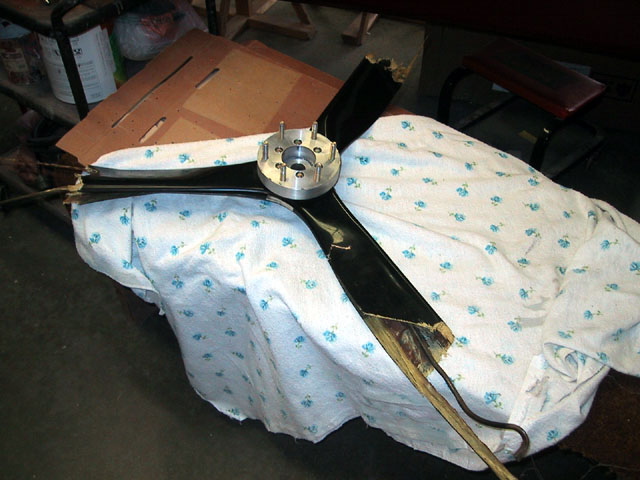
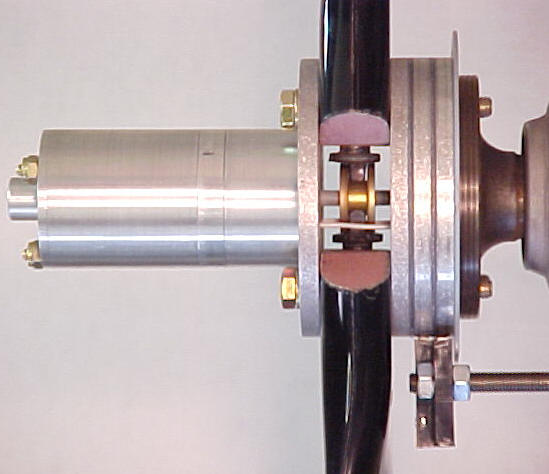
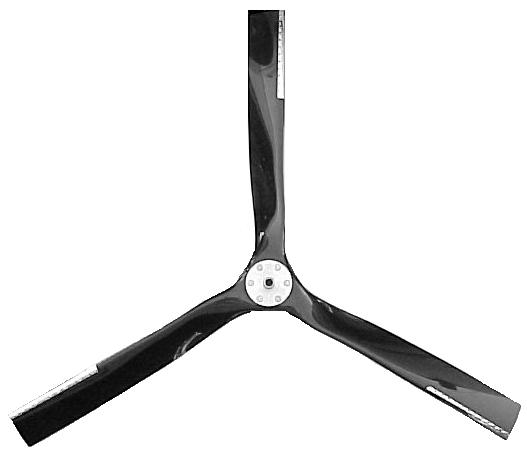
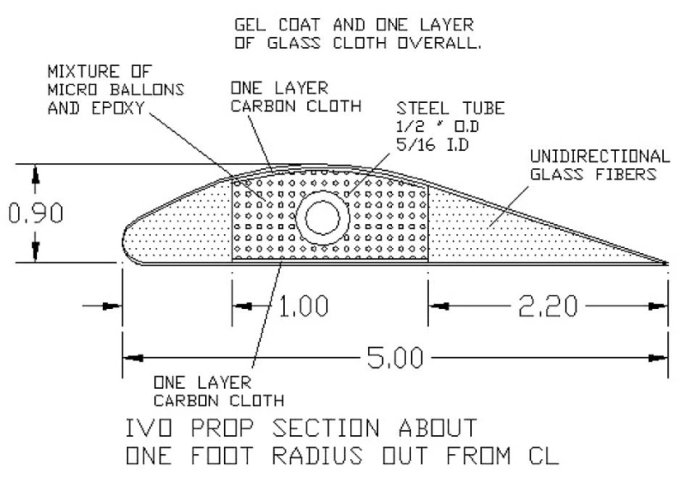
What the V22 Osprey critics don't realize is an off the shelf variable twist rotor
blade such as we are proposing above is already on the market and has been proved
to work. Namely the IVO. Thousands have been sold over the past ten years.
Contact IVO and see if they will build a variable twist rotor for your needs.
http://www.ivoprop.com/ if I were Bell/Boeing I would be looking long and hard at
this option for the V22 rotors.
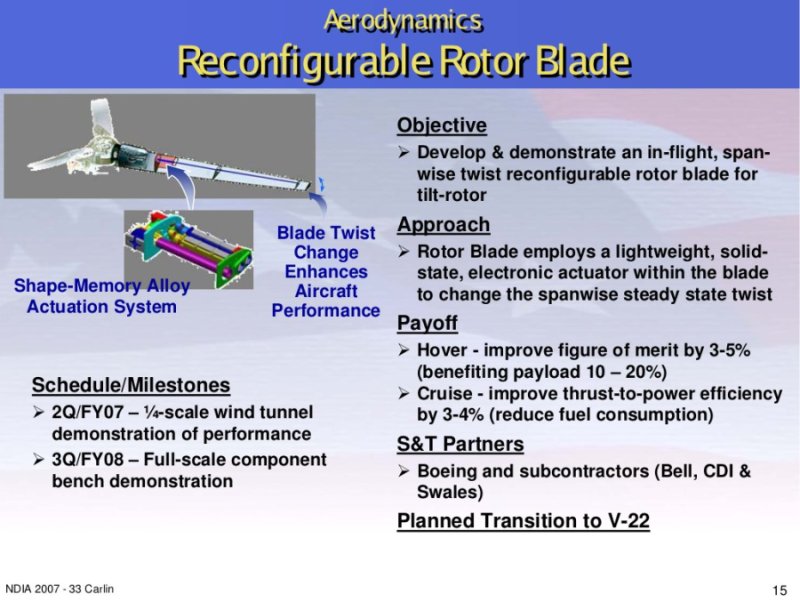
We are not affected to the same extent as the V22 is to VRS as we have only
one rotor axis. However blade twist negatively affects the efficiency of the
rotor in the vertical take off mode. Never the less Boeing is working on their
own system of variable blade twist. Here is a graphic that gives some
estimated performance improvements."
I believe for every proplem there is an answer. Just like the Wright brothers.
--
Paul Lamar ...No rotor no motor.
The Rotary Engine NewsLetter. Powered by Linux.
ACRE NL web site.
http://www.rotaryeng.net
Copyright 1998-2007 All world wide rights reserved.