This is not directly related to rotary engines, except that it's
connected to one.
I just received my prop from Catto, it's a beaut, but I have a
problem.
The backing plate, where the prop contacts the prop hub, is aluminum. My
spinner and it's rear bulkhead is made from carbon fiber. Aluminum in
direct contact with carbon fiber is a no-no. I was thinking of applying
RTV between the bulkhead and prop just before I install it and torque
the bolts down. This would theoretically insulate the aluminum backing
plate on the prop from the carbon fiber spinner bulkhead, but I worry
that it would mess up the friction between the prop and the spinner
bulhead. Any suggestions about how to approach the problem of insulating
the these two components from each other in such a way as to not do
something bone- headed?
Brian Trubee
The usually way is use a thin layer of fiber glass on the carbon fiber to
electrically insulate
the aluminum to the carbon fiber interface. I also think titanium does
more or
less
the same thing. Paint the bolts with a thin layer of epoxy paint.
The spinner itself has very little torque on it so friction is not a
problem
on the outer spinner bulkhead.
It is a problem if the aft spinner bulkhead is between the prop and the
PSRU
flange.
In that case I would make an aluminum spinner bulkhead or contact Catto
for
their
recommendations.
--
Paul Lamar ...No rotor no motor.
Ah, very good about having an aluminum rear spinner bulkhead, BUT, the
spinner itself is carbon fiber. I think the best solution is to bond a
thin layer of fibergalss to each side of the bulkhead spinner . Please,
if anyone has inputs, please speak up.
Thanks,
Brian Trubee
So don't believe me :). Look it up.
The problem with that is the compressive strength of the epoxy composite is not
as high as aluminum and your prop may slip back and fourth. The pulsing torque
is transmitted by the friction between the parts and not the bolts in shear.
Wood props actually char under these kinds of loads.
The compressive strength perpendicular to the fiber direction is essentially
that of the epoxy resin.
Paul Lamar ...No rotor no motor.
Yes, that was one of the concerns- that there is friction at the
interface between the bulkhead spinner, prop and hub. So, how about this
solution- an aluminum rear spinner bulkhead, with some sort of
insulating material (RTV?) between the bulkhead and the spinner? Or, a
layer of glass on the inside of the spinner where it meets the spinner
bulkhead?
Or conversely, does anyone want to purchase a carbon fiber spinner (16
inch diameter by 19 long, parabolic in cross section) for $250 and I go
with a spun aluminum spinner? I have heard of one person down in
Portland who does aluminum spinning.
Brian Trubee
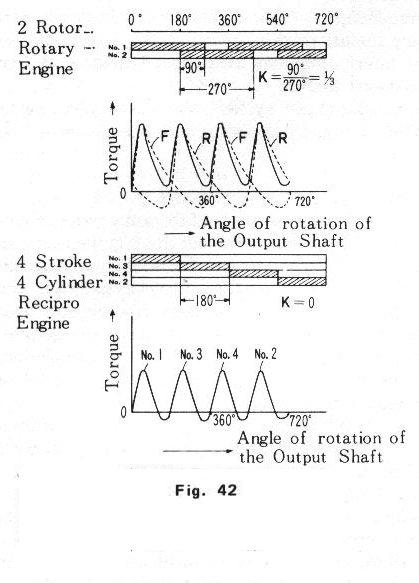
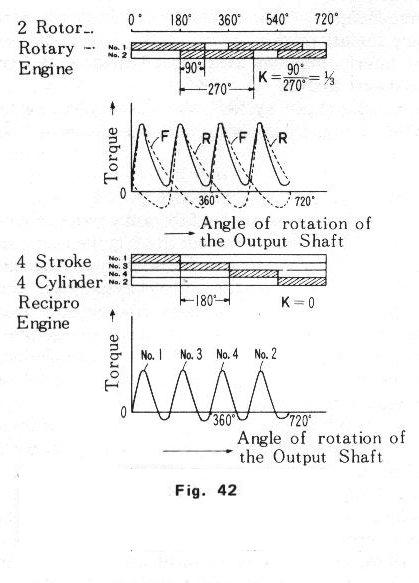
The friction is essential to driving the prop with out slipping back and
fourth each time the engine pulses. Of course the rotary is nowhere near as bad
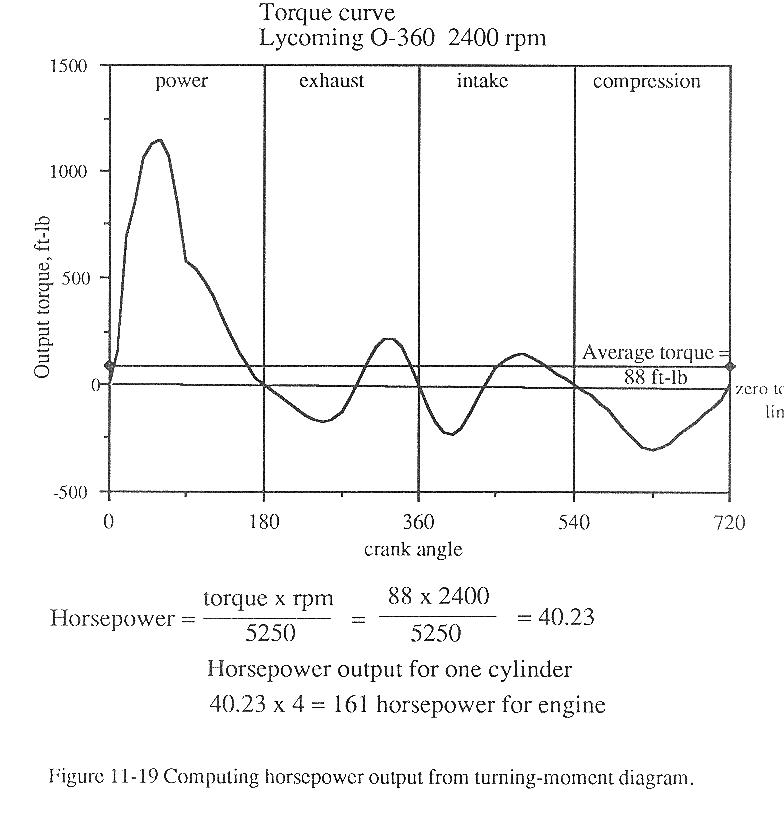
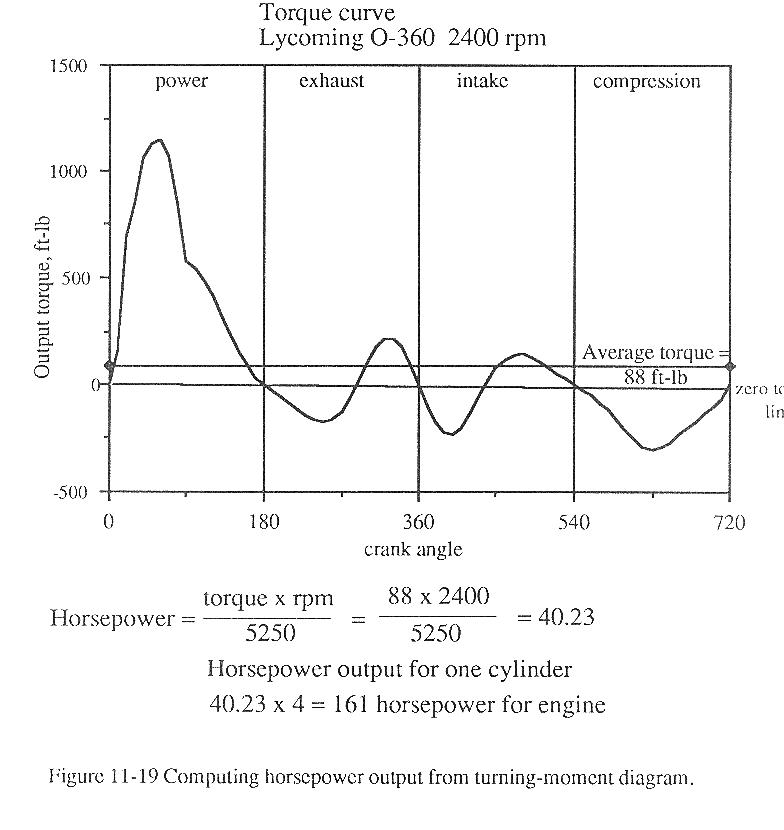
as a four cylinder Lycoming. The Lycoming tries to back up twice per rev.
I think RTV is the wrong thing to do.
Paul Lamar
The Rotary Engine NewsLetter. Powered by Linux.
ACRE NL web site.
http://www.rotaryeng.net
Copyright 1998-2007 All world wide rights reserved.