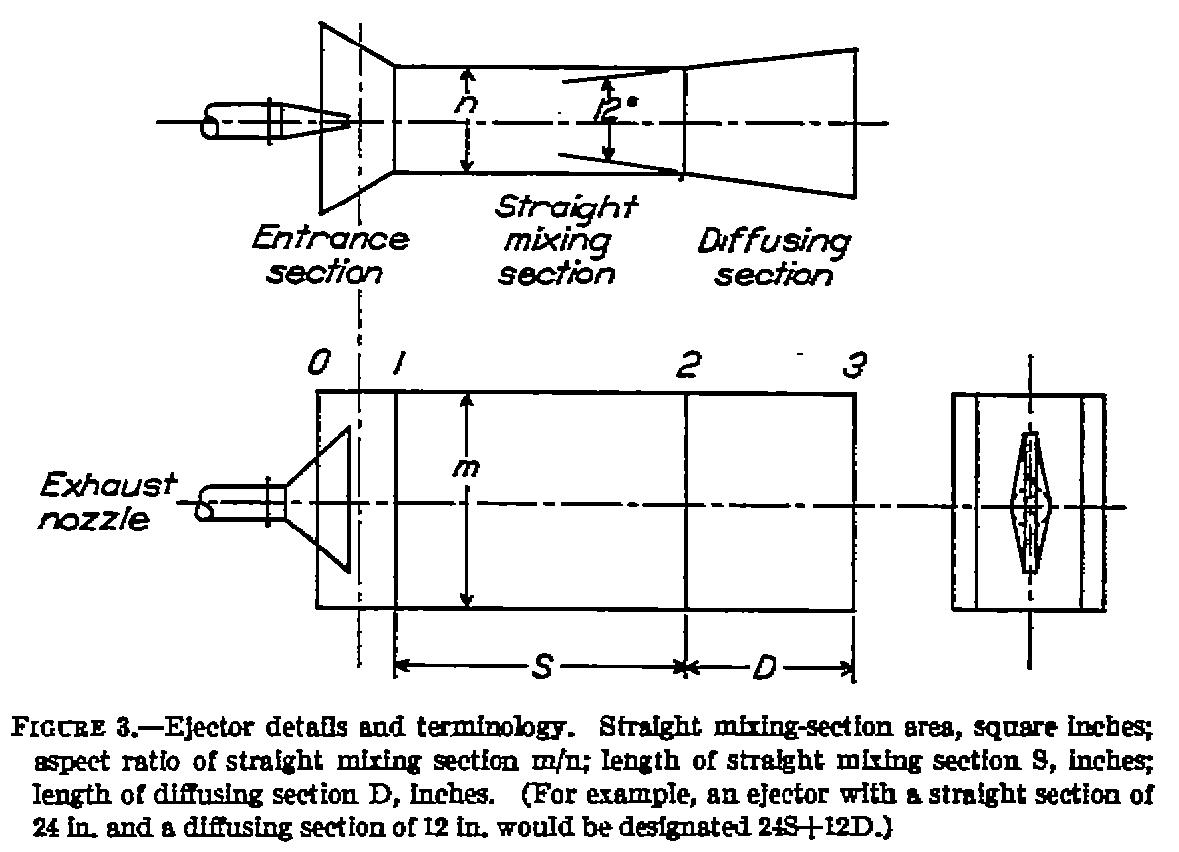
> These things tend to repeat at harmonics. Also the speed of sound
> varies
> with
> the temperature of the exhaust gases.
>
> Everett Hatch felt that 32 inches was a good compromise for 6000 RPM.
> I also think Racing Beat built a bunch at 32 inches as I recall.
> We used the RB header when we tested the p-port engine on the dyno.
>
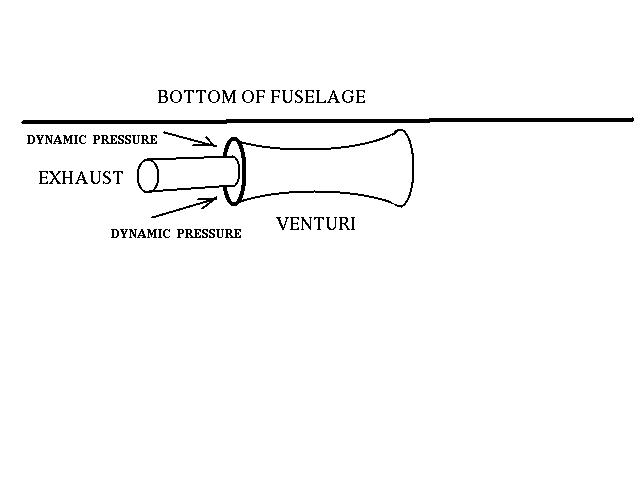
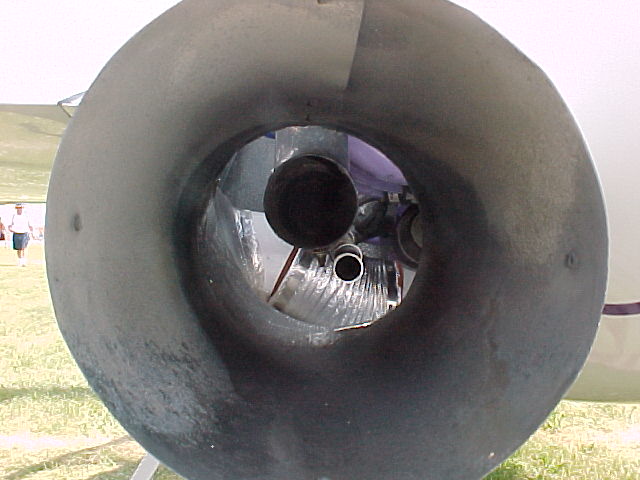
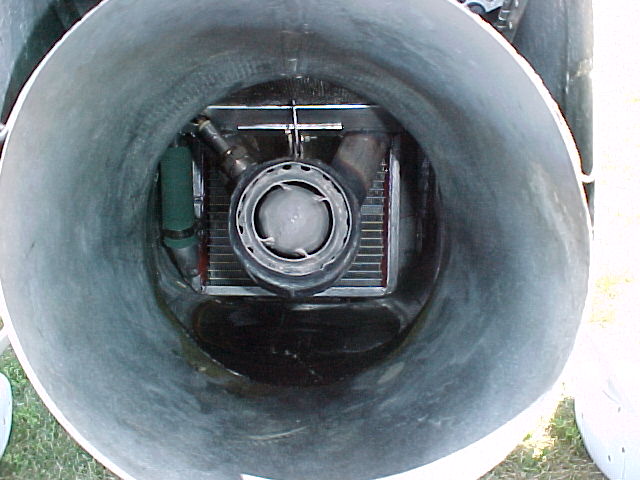
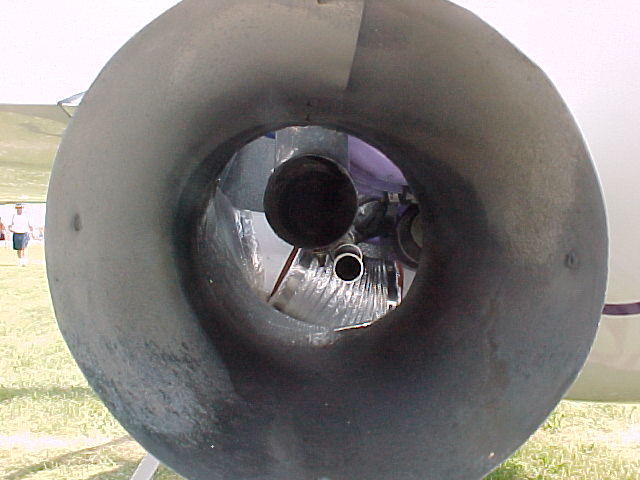
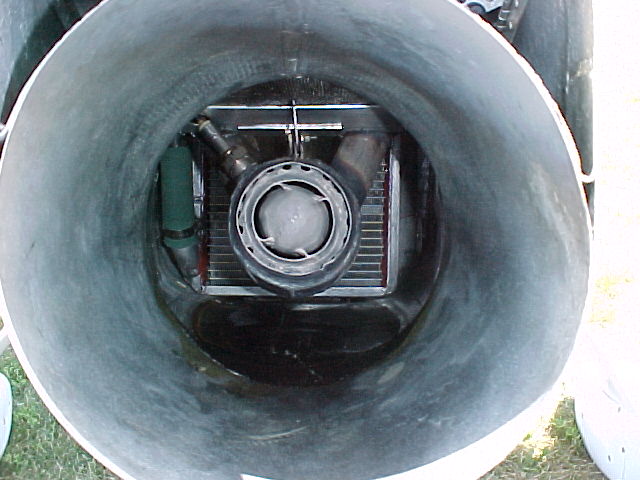
> Here is a picture.
>
> --
> Paul Lamar ...No rotor no motor.
Paul--you use the magic word in your short note...."compromise." In that
regard, here is a little background about our engine and
the
exhaust shown in your photos....this was the prototype Mazda conversion
engine installed in the RV-4 that I flew it toOshkosh in 1995. We took
it
out and it went in Alan's RV-3 for Sun'n Fun and we put it back in the
RV-4
for 1997. The routing of the exhaust pipes shown in your photos here was
for the last installation back into the RV-4 in 1997.
This routing of the
pipes and length was driven by a combination of compromise installation
factors which included missing the engine mount tubes and running them
around various components such as the heat exhanger (it was at a 45
degree
angle between the engine and firewall), and then the pipes went down and
out
below the firewall to get the practically longest length. We simply
ended
the exhaust where it had to stop as result of the configuration and not
hang
out in the breeze. This was the last configuration we tested on the
RV-4.
Never did get it back on the dyno in this configuration but it
incorporated
the earlier lessons and configurations tested. The pipes shown in your
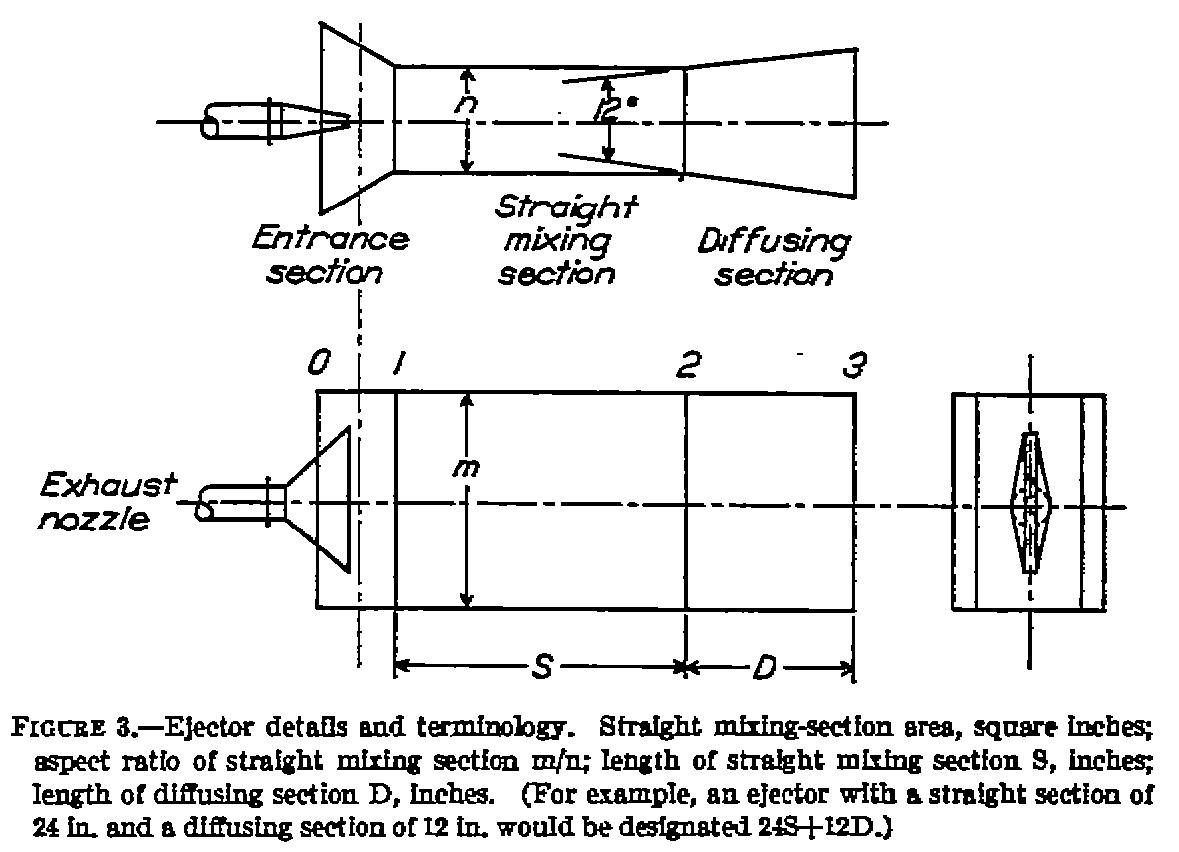
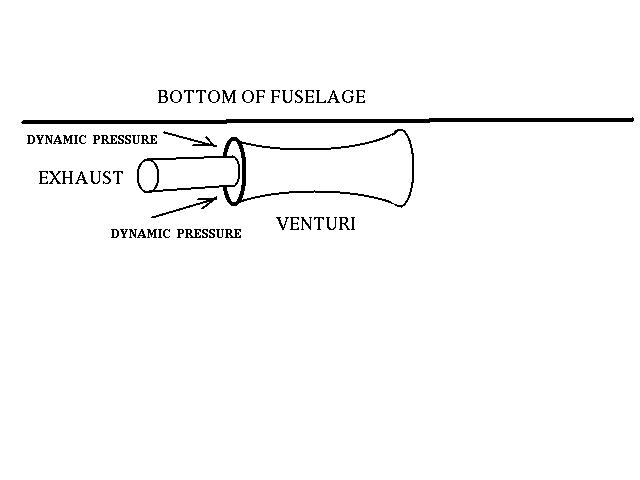
photos terminated in a 7"augmenter mounted to a tunnel we fabricated
specifically for it in the floor of the RV-4 when we built the airplane.
The augmenter was used in early flight tests around 1989-90 but removed
when we used a muffler. The augmenter worked well in flight tests during
climbs up to about 90 mph (good extraction) but started to simply get in
the
way increasingly at speeds above that.
The water heat exchanger was to
thick and we went to the thin exchangers on the RV-3 which worked much
better. We put the augmenter back on the airframe for the exhaust
configuration shown in your photos because it was a handy way at the time
to
isolate the airframe from the exhaust pulses and basically for muffling
and
to alter the exhaust note. The augmenter was light with a mesh metal
liner
with stainless and ceramic packing between it and the outer wall. Of
course
the exhaust blew out the packing over time. But the augmenter did help
alter the exhaust volume and tone.
But it was a marginal at full song for
the long flight legs of 3.5 hrs. This exhaust configuration shown in
your
photos included our first set of exhaust port/pipe swivels. Dyno tests
of
all our engines of this basic induction/exhaust configuration were very
sensitive to induction tuning but not so much so the exhaust tuning
regarding length. As a general rule there it was the familiar old
chestnuts
of keeping the back pressure as low as practically possible and longest
pipes that fit around the engine and within the cowling and allowing for
muffer considerations.
Steve Beckham
Paul and Steve,
What do you recommend for material for an augmenter? I plan on feeding it
with a muffler and use the length of the cowl for a somewhat rectangular
augmenter. Is stainless required? Could I back it with fiberfrax? This
is
a pusher Long EZ type with the tube on top of the engine to take
advanatage
of the length available. Thanks for any help.
Joe Berki
Limo EZ
304 SS might work fine.
--
Paul Lamar ...No rotor no motor.
Joe--I agree with Paul. In our applications, the exhaust was entrained with
air that had gone around the engine and through the heat exchangers, so we
didn't have to use any special stainless as we did with pipes and mufflers
(321 and Inconel combination). For example, early in the program we tested
the augmenter out of an old Apache and as I remember it had an aluminum
punched mesh inner liner with packing between it and an aluminum outer
shell. The thing actually held up well in flight tests.
You are using a muffler so I don't know the degree that will reduce the
pumping efficiency of the augmenter. Paul may have some numbers for you in
his reference materials in that regard.
As to packing, it will depend if you are using a perforated inner core of
the augmenter or a solid, smooth wall. The stainless "Chore Girl" scrubbing
pad type steel wool packing held up the best in our exhaust applications
where the packing medium was exposed directly to exhaust blast. But it adds
weight. The soft ceramic blanked we used came from a local commercial
insulation supply company (kilns, reactors, etc.). It didn't last as long
but was lighter. We didn't use Fiberfrax branded materials, so don't have
any experience r.e. how it will hold up dealing with the environment and
inevitable oil, water and associate grunge that will find its way inside
with a perf core. Whatever you use, it is good to have it servicable so you
can replace the packing. Have you talked to the other pusher rotary engine
drivers to see if they have used a similar setup to what you plan?
Steve Beckham
Right you are Steve. I think Joe has seen most of these before.
Paul Lamar
The Rotary Engine NewsLetter. Powered by Linux.
ACRE NL web site.
http://www.rotaryeng.net
Youtube key word UTUBPLEASE
Copyright 1998-2008 All world wide rights reserved.