Hi Paul;
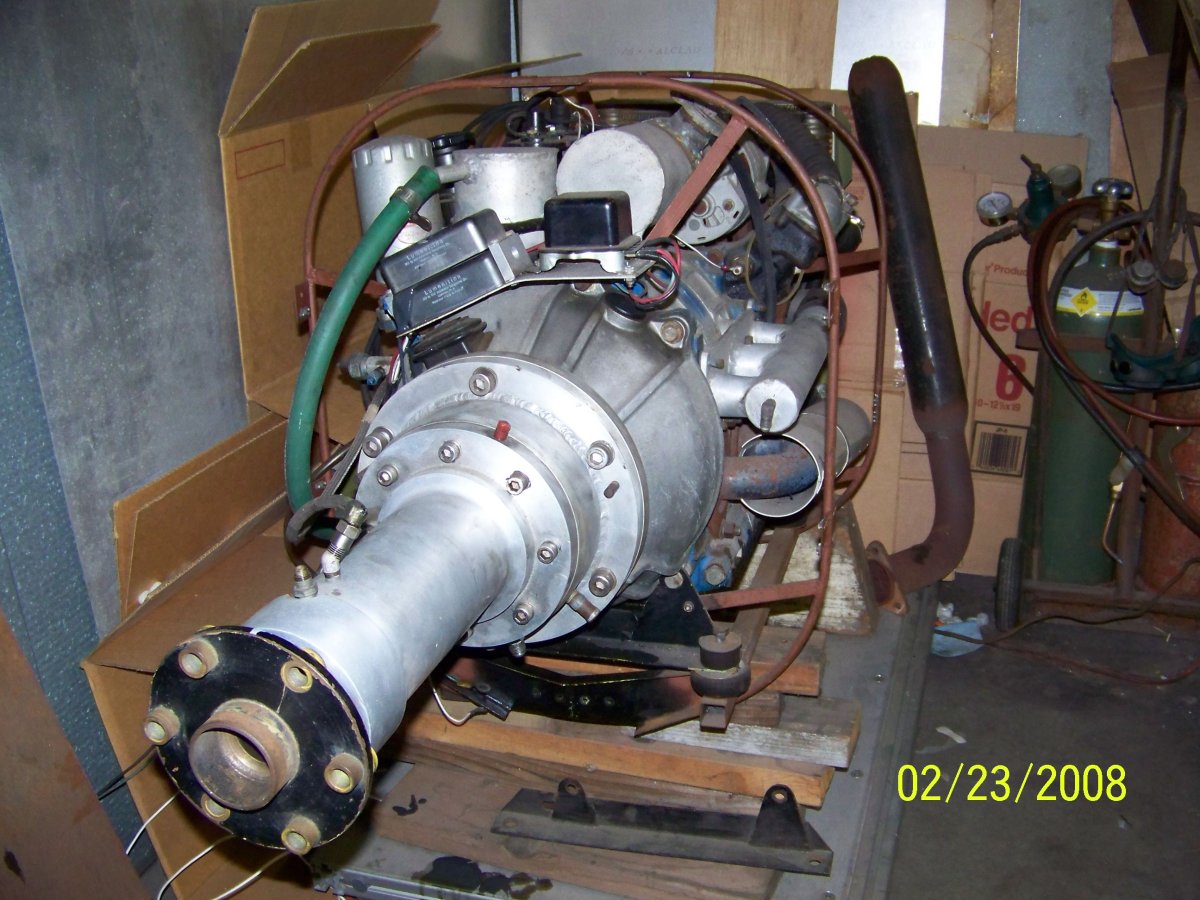
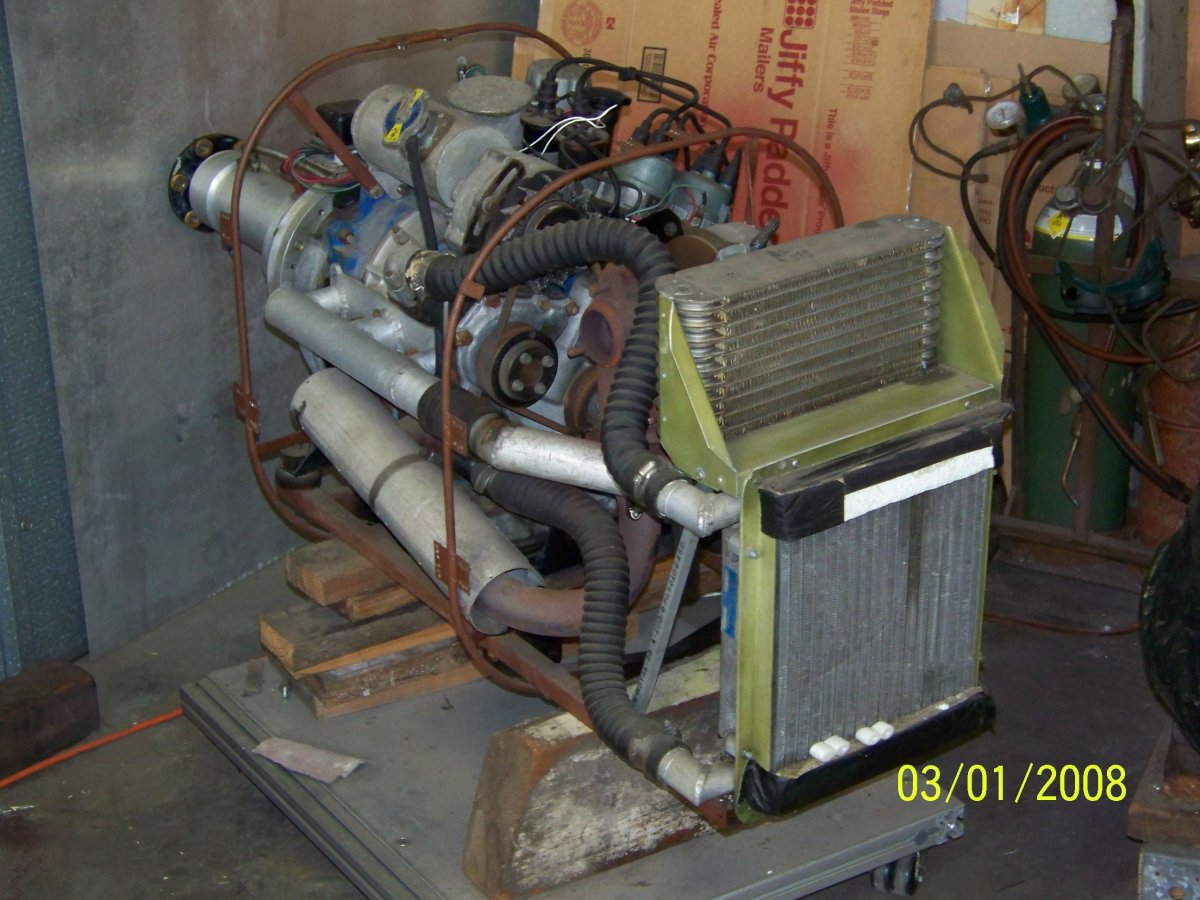
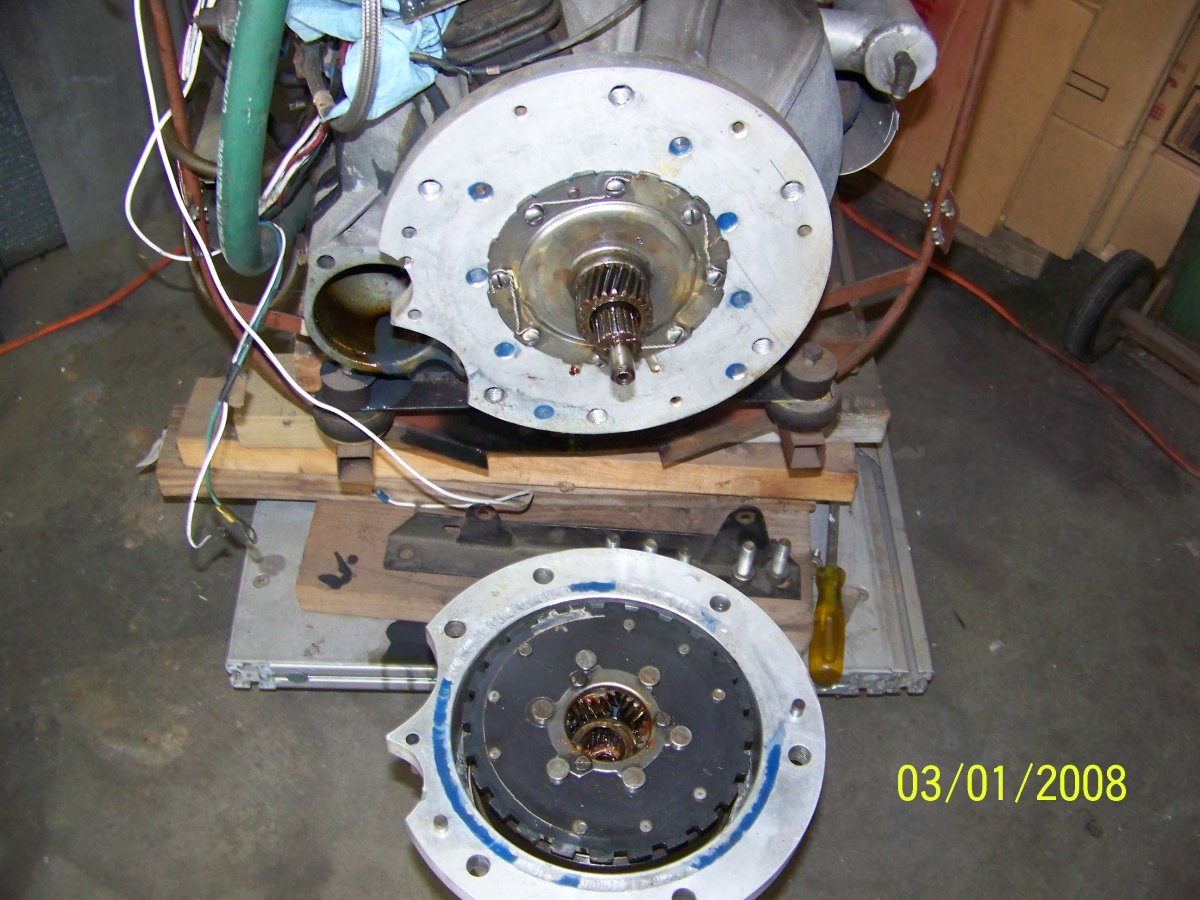
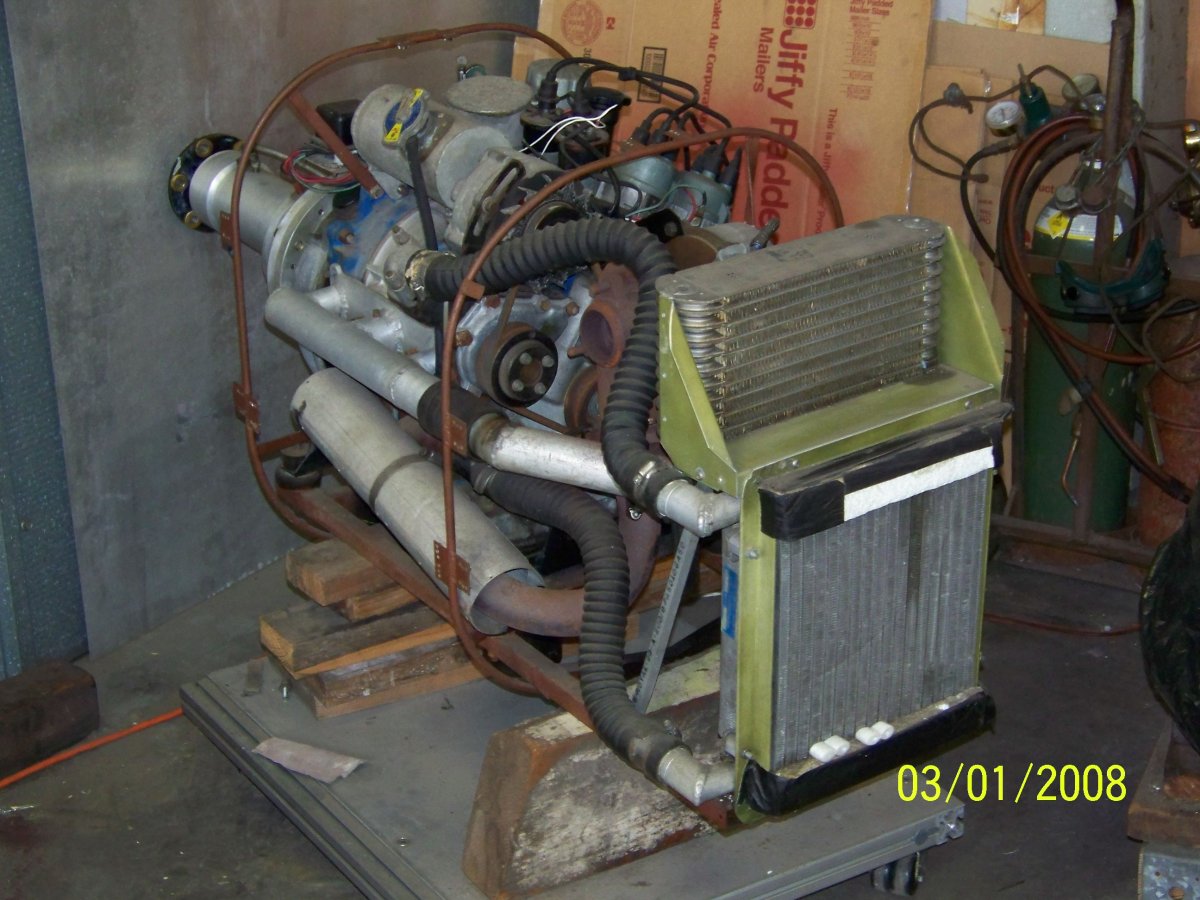
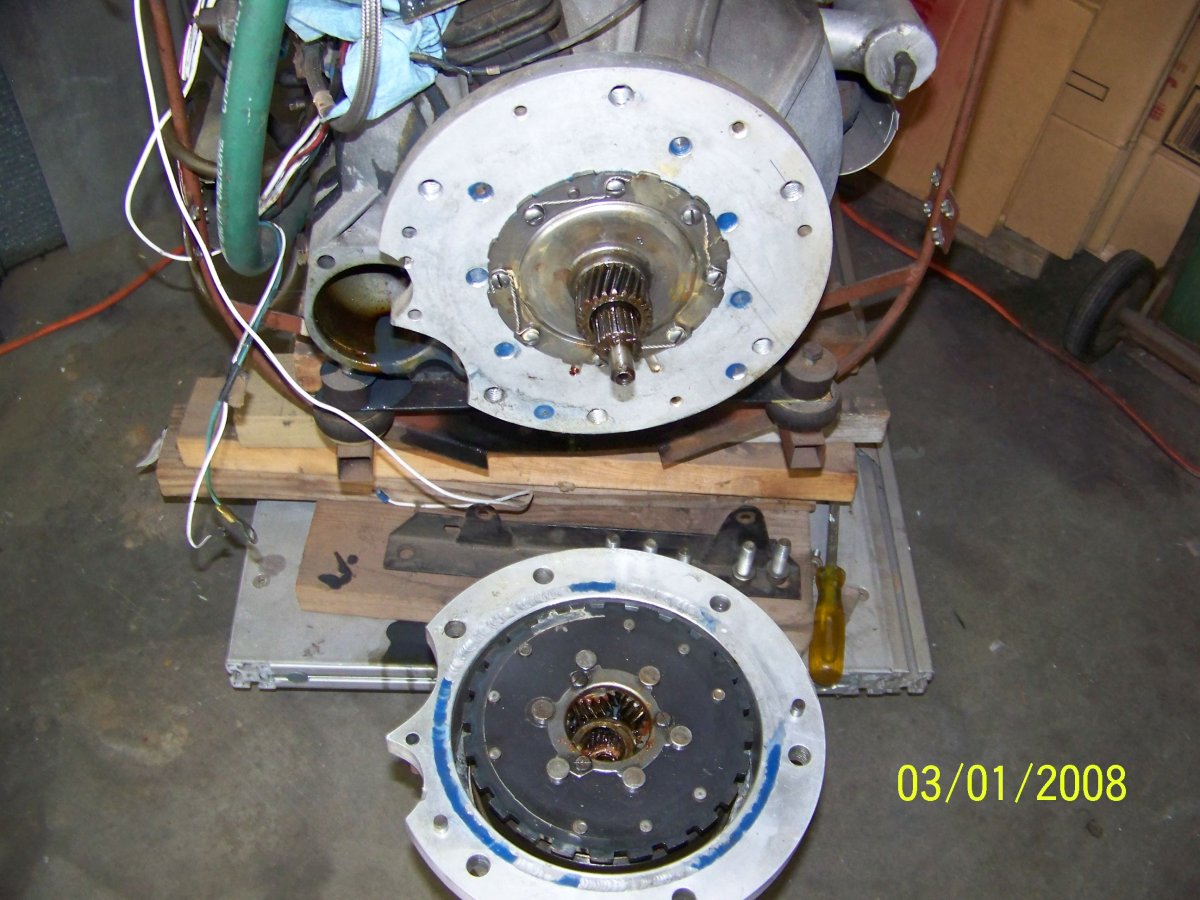
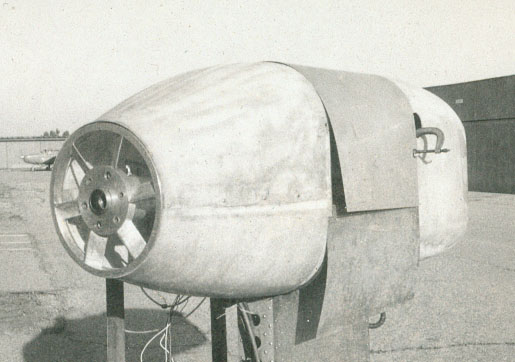
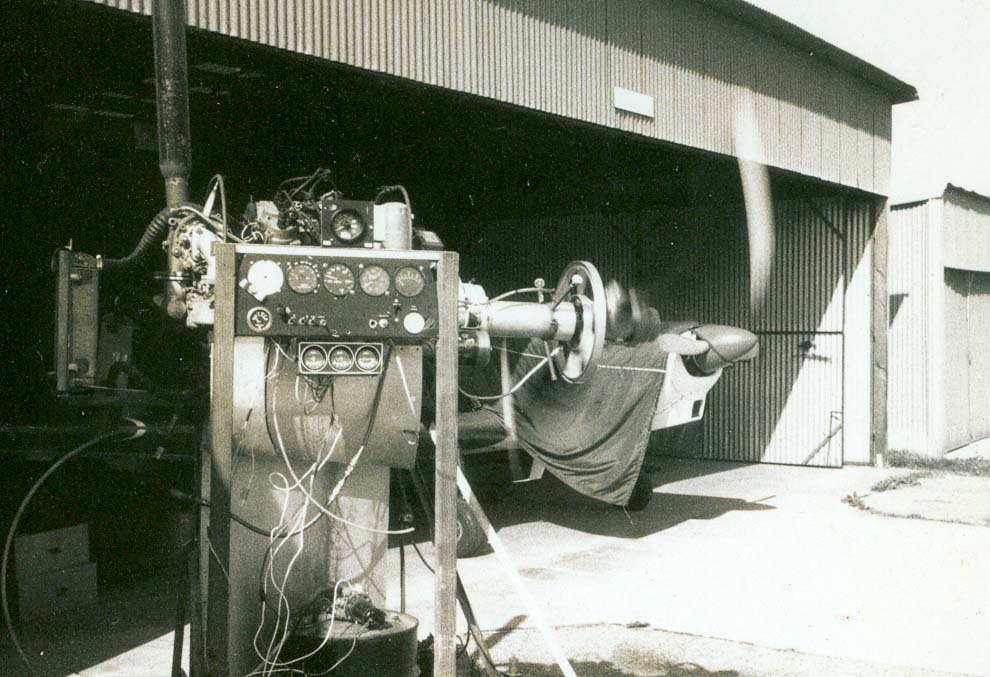
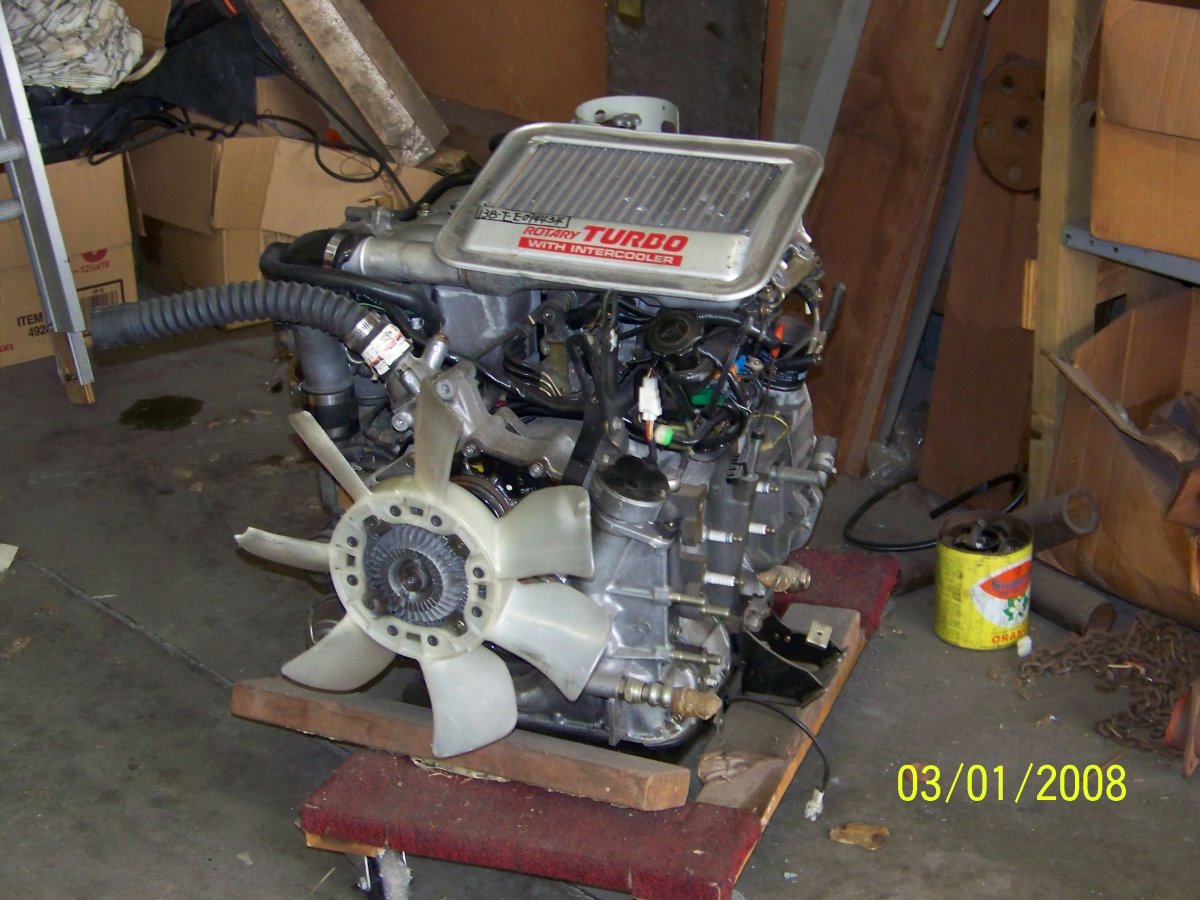
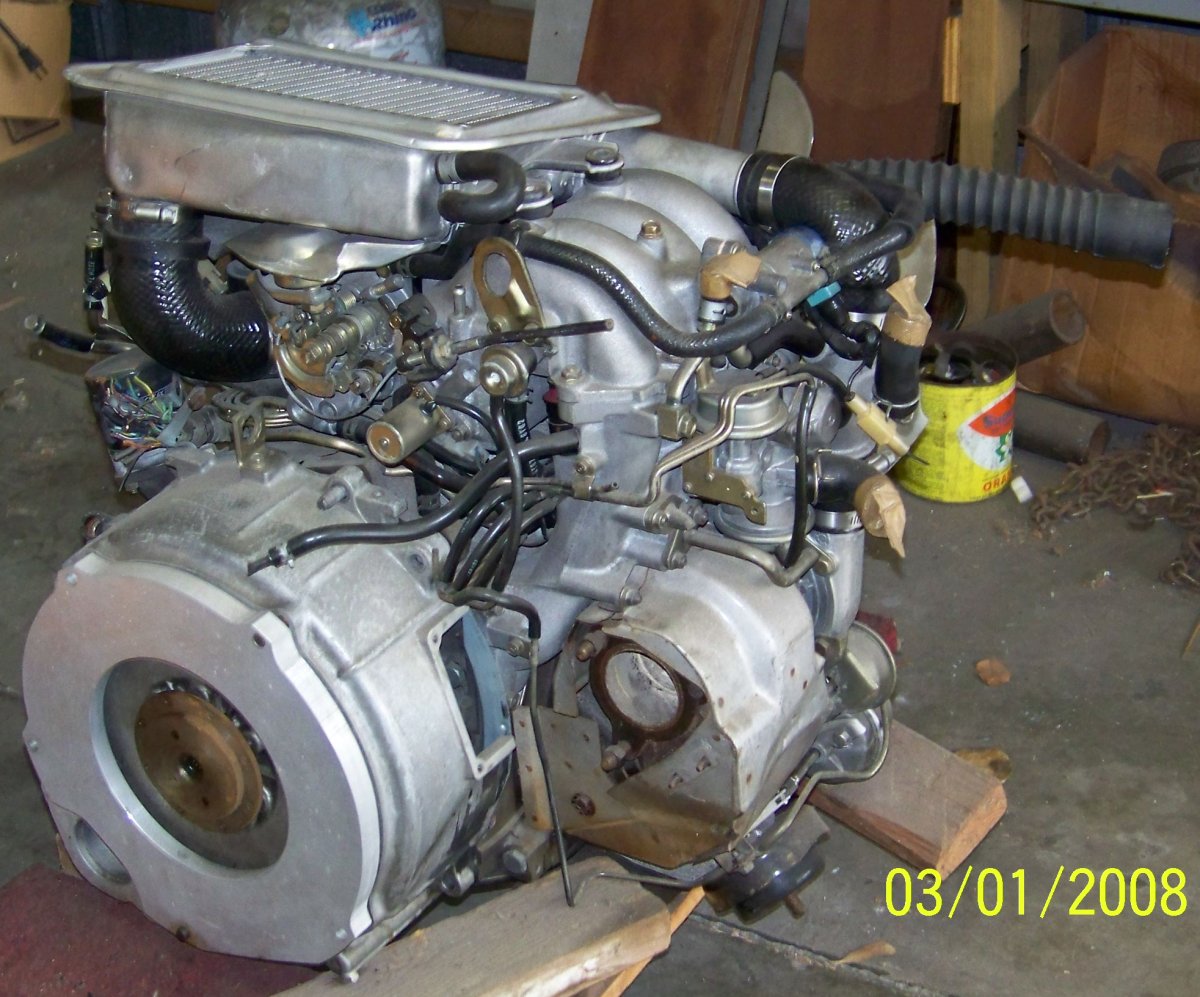
I will attach some pics of my conversion.
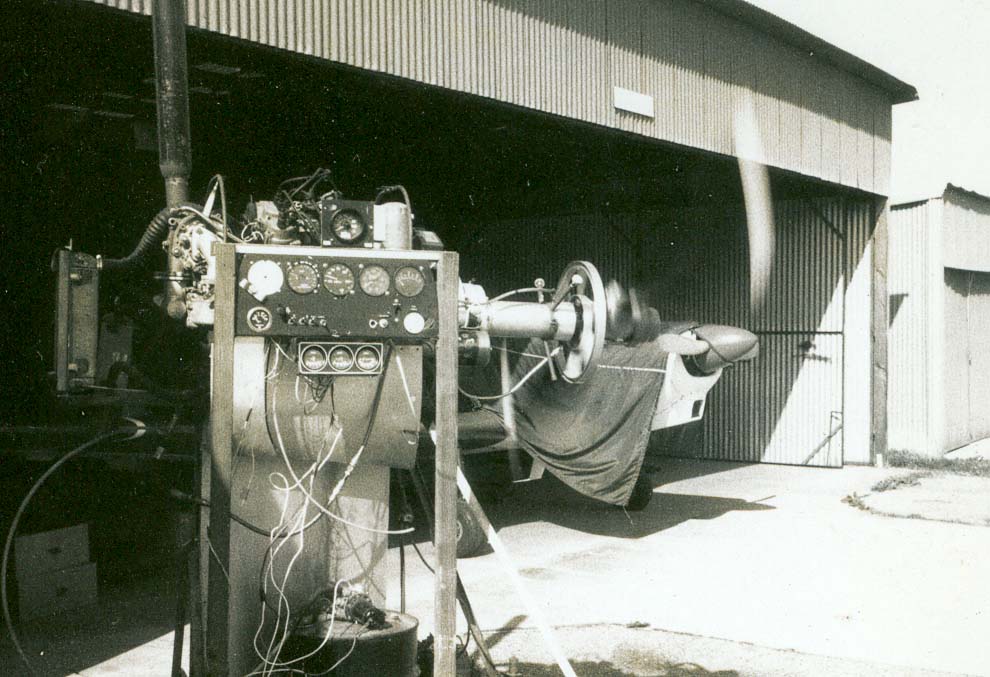
This engine was intended for the Coot amphibian I was building But a
couple of years back I decided I wouldn't live long enough to finish it
and I was looseing interest in splashing about in the water so I sold
the project. The Buyer didn't want the engine so I still have it hanging
around. I built the Coot pedestal for the engine that I mounted on a
trailer for the test bed along with the engine. That way I could move it
about and attach it to my truck as an anchor. I started this whole thing
in the seventies and there were no 13B's around so this is old
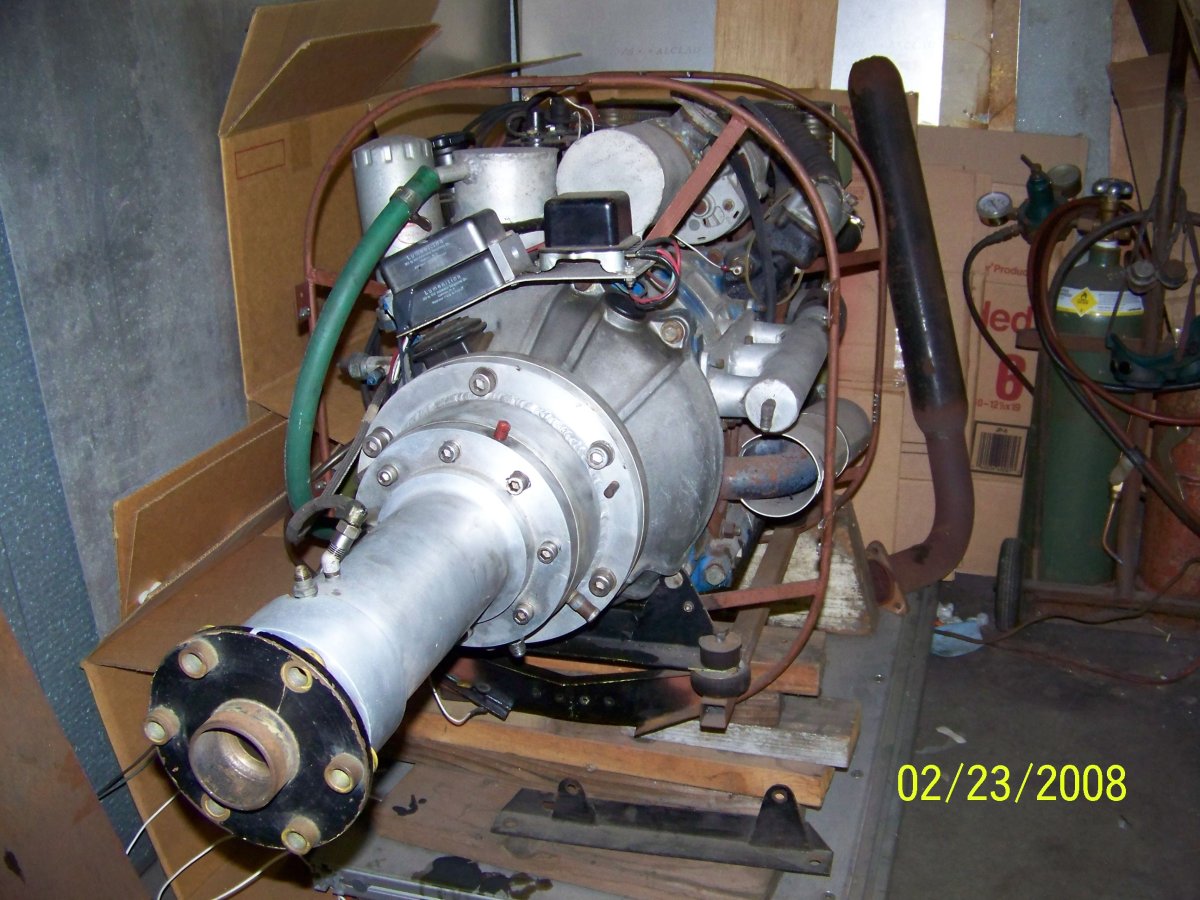
technology I know. But it does run and put out power. I have had several
different props on it and a couple different carbs. It has about 20 hrs
or so on it running mostly with the waste gate open. The most power I
ran it up to was about 40 inches and 4000 rpm. There was so much physics
going on it scared me and I didn't do that again. I thought the trailer
was going to take off.
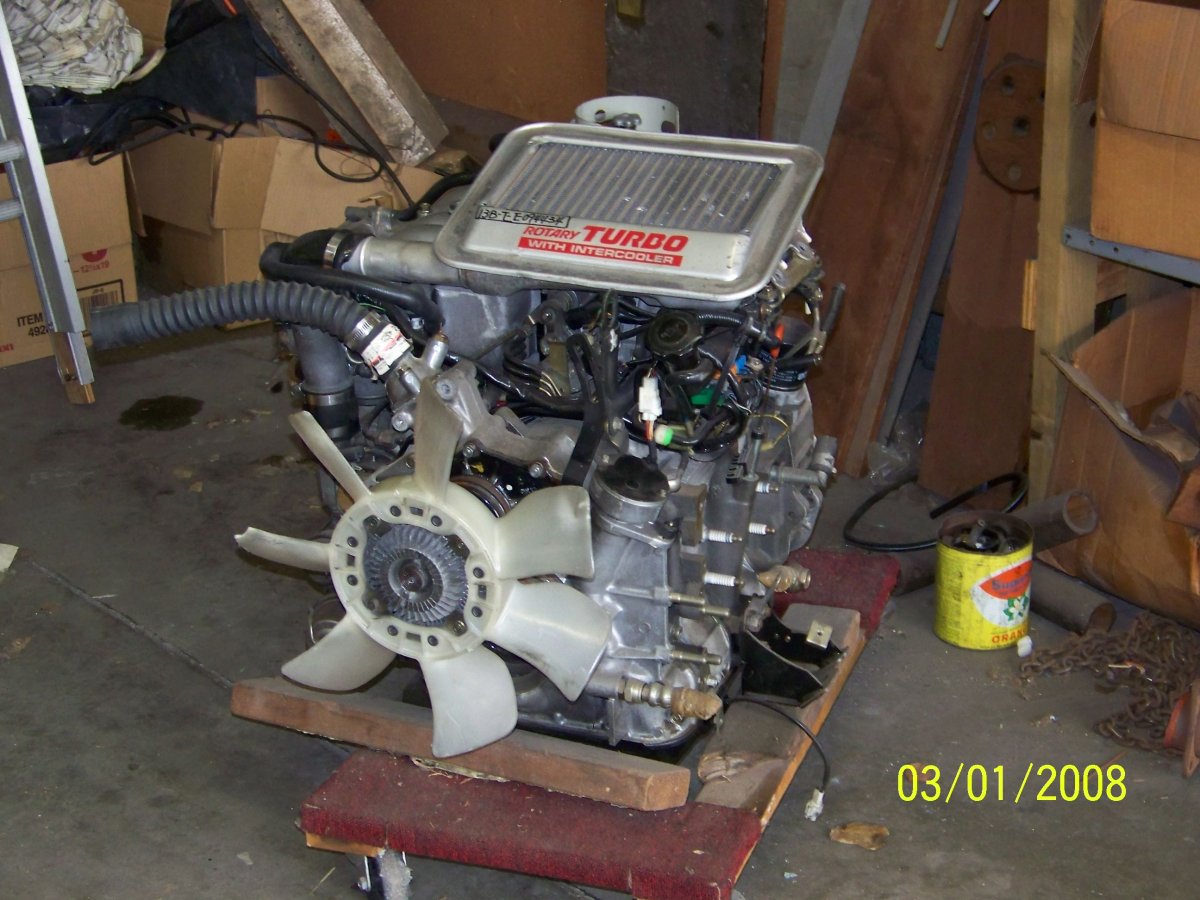
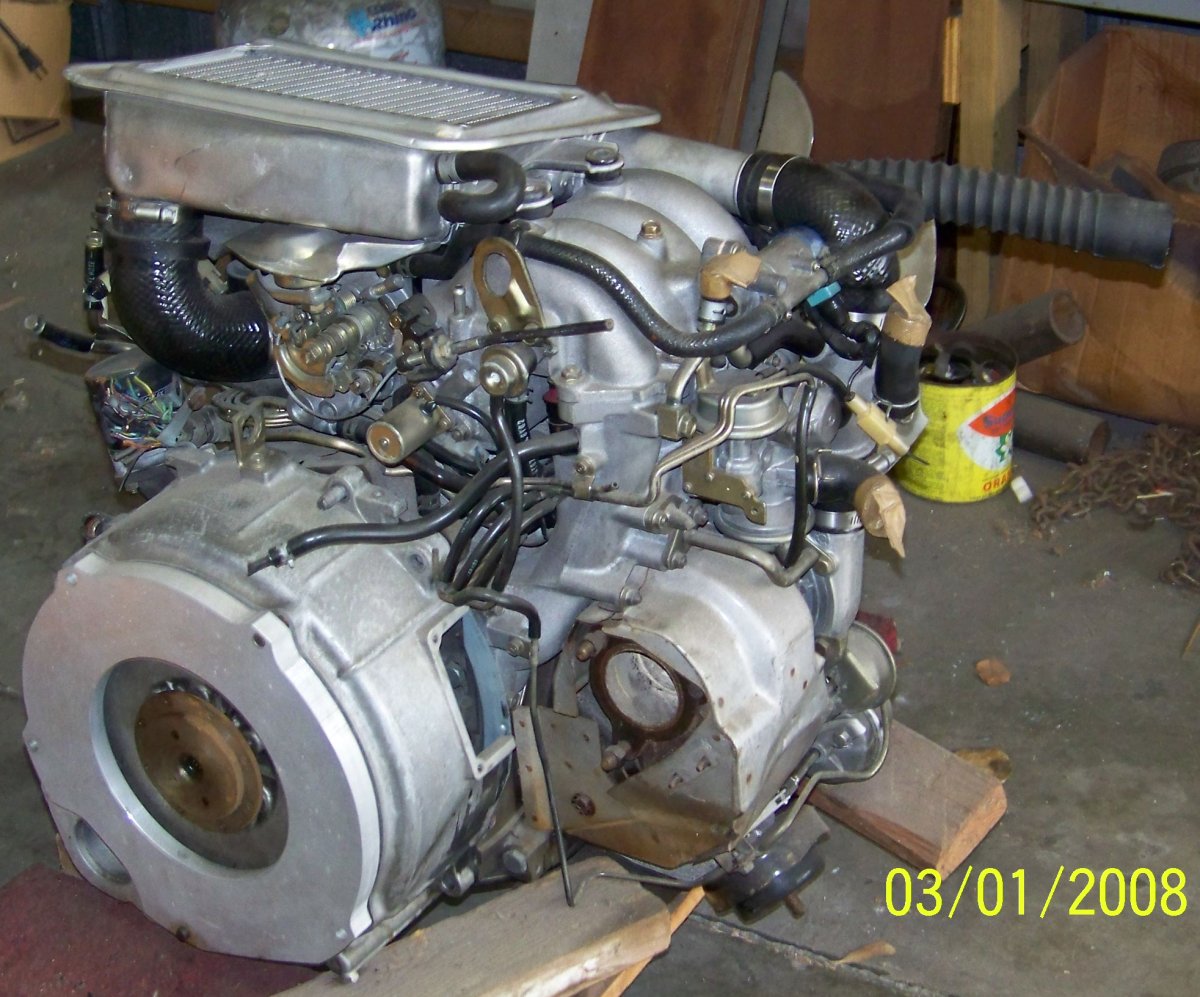
I also have a Turbo injected and intercooled 13B I got from an engine
importer. I got it for another project that I just barely got started
on. As I understand it, this type engine was sold only in Japan. The
output is a through a torque converter and then into a standard
transmission with the engine oil and torque converter using the same oil
supply. I got as far as making an adapter plate and an output shaft from
the converter. My antenna business is taking so much time I just almost
have enough time to keep my Bellanca going.
I will be happy to answer any and all questions.
The following is a list of most pertinent information.
Thanks to All
Bob Archer
BOBS AIRCRAFT CONVERTED
MAZDA ENGINE
Basic engine / 1978? 12A Bought from a Mazda auto repair shop.
Engine Rebuilt by Steves Mazda engines in Gardena CA. Long Gone.
Turbo / From 1962 Oldsmobile 215 ci V8.
Gears / From Chevrolet 6 cyl. Powerglide Trans. 1.82:1 Ratio.
Gear Box and Prop Shaft Housing / Built by Bob from Al tubing and Plate.
Prop Shaft / Fabbed by shop specializing in Dragster Axles from Bobs plans.
Ford C-4 Type Roller Type overrunning clutch.
Prop is a Hartzell 92XK hub with cut down Seabee blades. 72? Dia.
Engine Mounts are Ford flathead V-8?s.
Flatbed Engine mount of square 4130 tube, plate and angle.
Intake manifold fabbed by Bob from 2? X 1/8?Wall Al.tubing.
Exhaust is fabbed of exhaust tubing Plus length of SS flex tubing,
Surplus from some missile.
Ignition is by standard distributors triggering two TRW electronic
Ignition modules. Timing set at TDC, mostly.
Carburetor is a MS 4-5 Aircraft. Oil injected into Turbo inlet.
Coolant Radiator is 1962 Chev Impala air conditioning Evaporator.
Oil Radiator is a 1972 Chev Vega air conditioning Evaporator.
WT. = 320 lbs. Less OIL Coolant and Radiators.
Oil and Coolant radiators = 12 lbs. Oil = 9 lbs, Coolant = 11 lbs.
Teething Problems Solved During Test Runs
During initial startup and test runs the engine ran extremely rough. It
was determined that engine was running only on the rotor furthest from
turbo. It was found that the aircraft carburetor was flooding because
one of the two floats had a leak and had sunk so the nearest rotor was
way too rich. Float was repaired and engine started and ran smoothly
until power was increased and engine speed suddenly increased and prop
coasted to a stop. Disassembling the prop shaft from gearbox showed that
the output shaft of the gearbox had twisted off. Torsional vibration
with the fairly heavy prop and the rough running did the shaft in. I had
thought that with an engine that runs so smoothly I wouldn?t need a
torsional vibration interrupter.
So back to the transmission shop for
another set of gears and then to the machine shop to get the new output
shaft cut and resplined. At this time I decided I did indeed need to do
something about the torsional so I went back to the transmission shop
and obtained a one way clutch from a Ford C4 transmission and modified
it to fit and operate between the flywheel and input shaft to the
gearbox. I put it all back together and started it up and it ran
beautifully, for a while. One day when I went to start it up the engine
started but the prop didn?t. In taking it apart I found that the way I
put the cage for the rollers in the one way clutch wasn?t quite right
and it had allowed the rollers to turn sideways and slip. So back to the
transmission shop and another one way clutch. Did it right this time and
I have not had any more drive problems. But when I slow the engine down
to a too slow idle you can hear the rollers clicking. Of course it does
run a whole lot smoother with both rotors firing.
I did a lot of research on gears before I settled on the Power Glide
planetary gears. They are the beefiest of all the transmission gears I
could find data on and were about the best ratios I could find. There
are two ratios 1.76 and 1.82 to 1. I was looking for a ratio of about
2:1 so 1.82 it was. These gear boxes are used in drag racers of about
1500 HP so I thought they should be strong enough. An additional
benefit is that they are the same ratio in low or reverse so you can set
it up to turn either way. At an engine RPM of about 5000 the prop would
be turning in the mid 2000?s.
I did have some interesting cooling problems. When I started it would
not cool. I tried everything I could think of and it just wouldn't cool.
I finally figured out that because I had the coolant tank mounted on the
center top of center housing on the original heat sensor hole when I put
the coolant in there was air trapped in the radiator and tghe pump
coudn't pump air. I installed a balance tube from the bottom of the
center housing to the bottom of the coolant radiator and from then on
all was well. At that time I had a tractor prop on and had an old Chevy
radiator at the base of the pedestal and it was always cold below the
half way down point. As it is in the photos I had a big AC blower
blowing through the heat exchangers.
Bob Archer
Wow Bob you are really a do it your self-er.
Very impressive.
Invest a bit in quality plumbing so all that hard work
does not stop for some sort of leak.
Also you want to slow that turbo down with a larger
compressor as auto turbos have a tendency to over rev and explode
at high altitudes. We have lost at least a half dozen so far.
I think the 1.82:1 ratio is too low for a rotary aircraft engine.
You will need to change that up to a 2.17:1 or a 2.85:1
The new Ford parts are six pinion so they work
behind a 650 ft/pound Power Stroke Diesel. They can be had in the
2.17:1 and 2.85:1 ratios.
Please take some pictures of the PSRU when it is all
apart. I am interesed in how you fed engine or gov oil pressure in for the
Constant speed prop.
Paul Lamar ...No rotor no motor.
The Rotary Engine NewsLetter. Powered by Linux.
ACRE NL web site.
http://www.rotaryeng.net
Youtube key word UTUBPLEASE
Copyright 1998-2008 All world wide rights reserved.