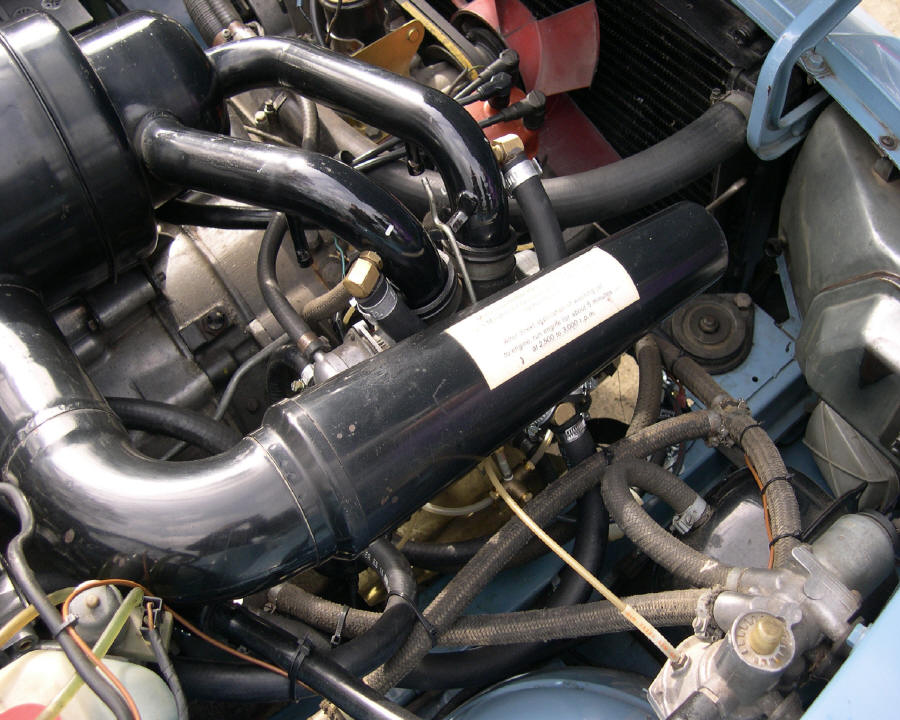
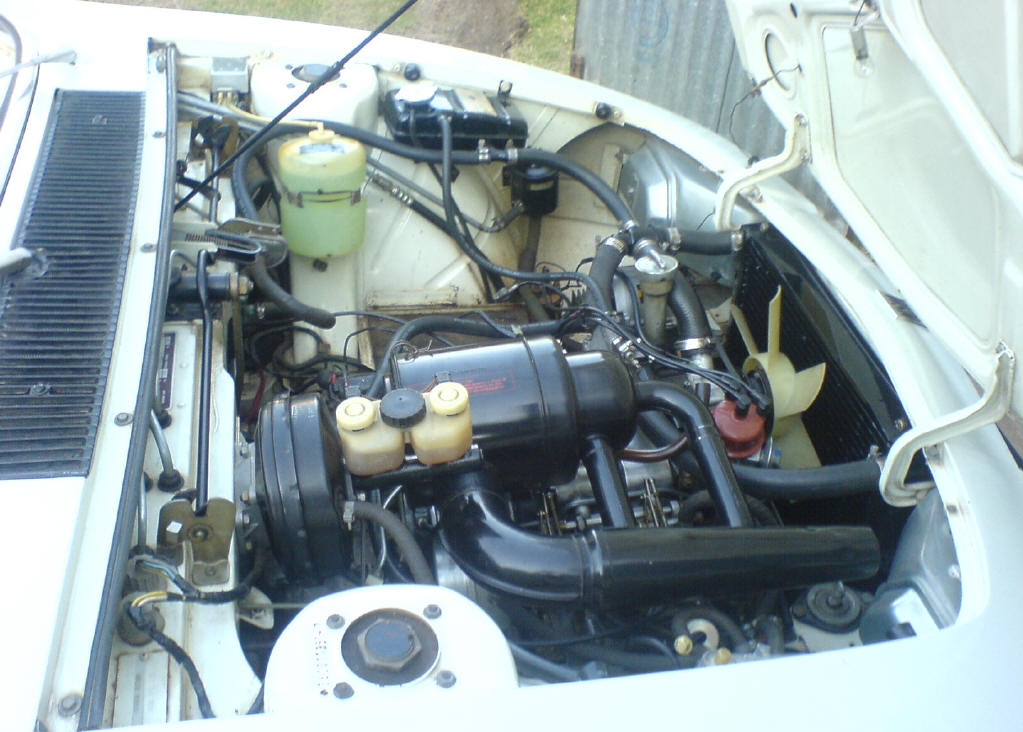
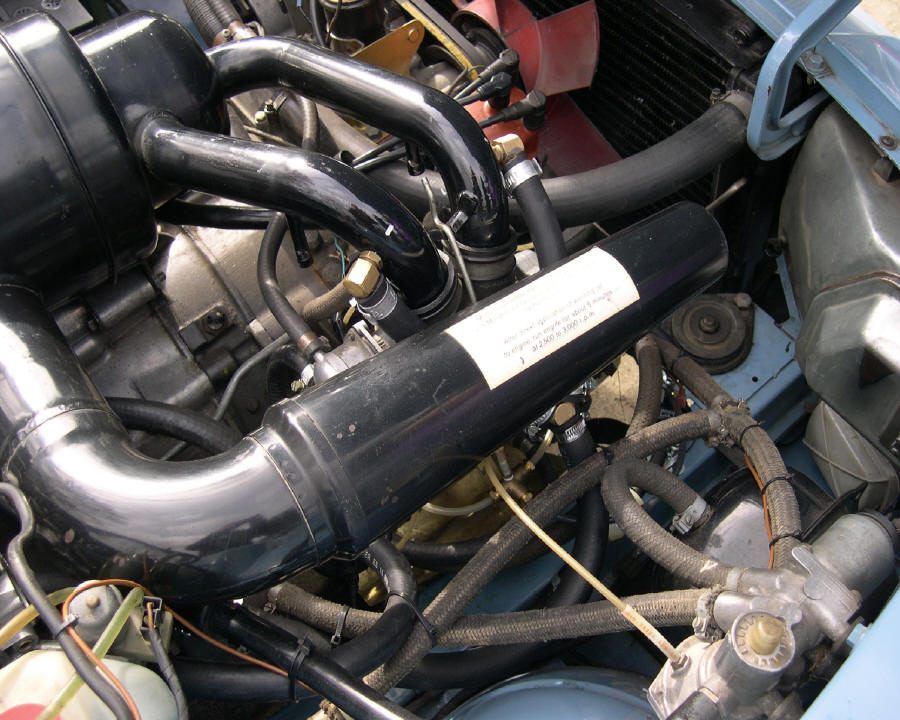
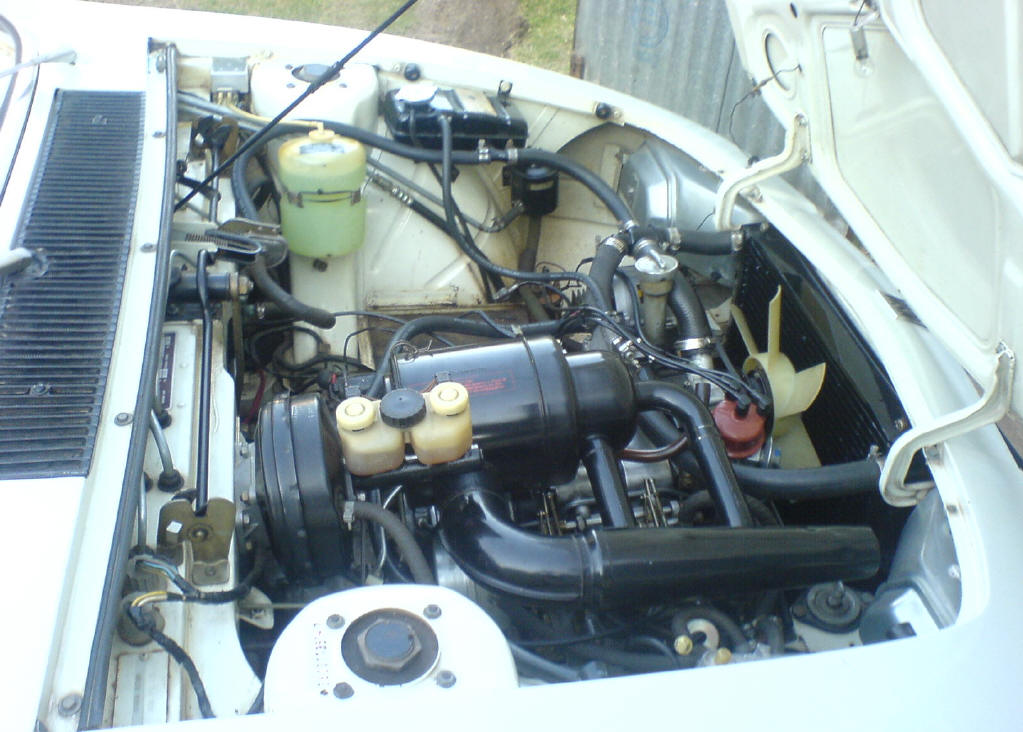
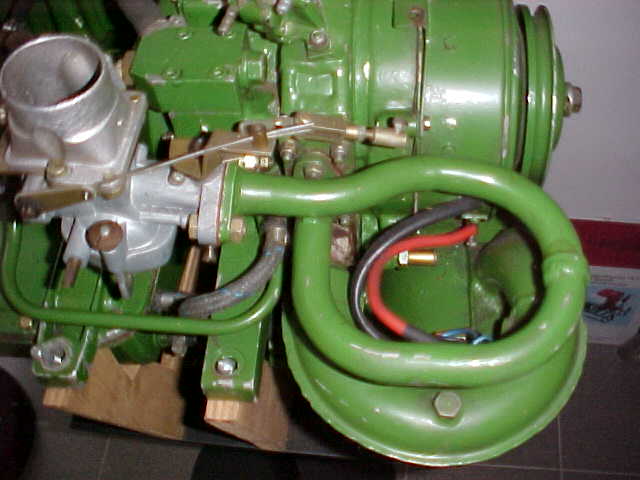
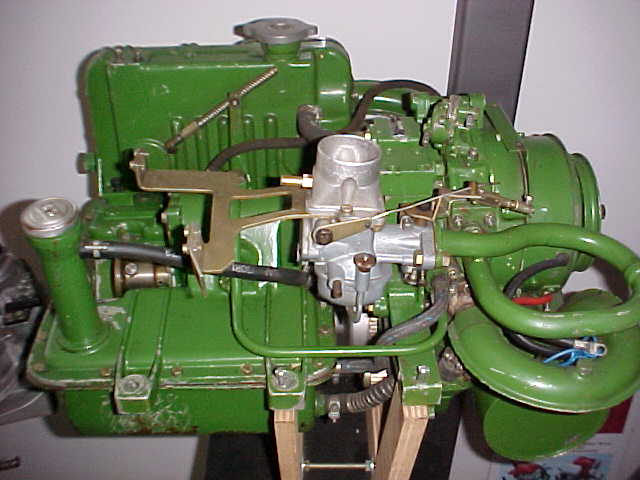
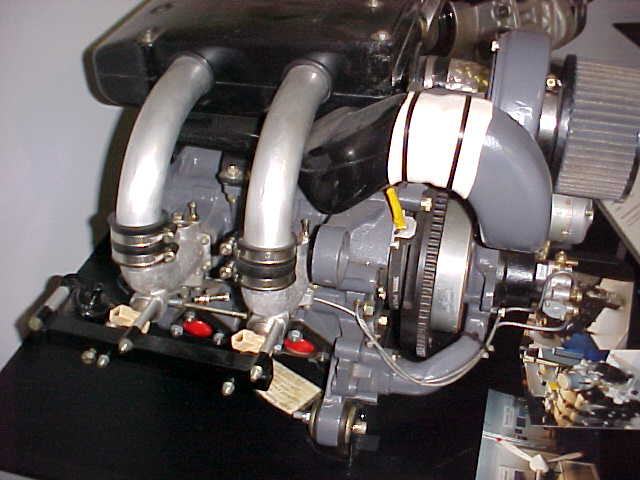
The NSU RO 80 also had the throttles in the p-port housing. It too idled
well and pulled from low RPM as I drove one in Germany. It had intake
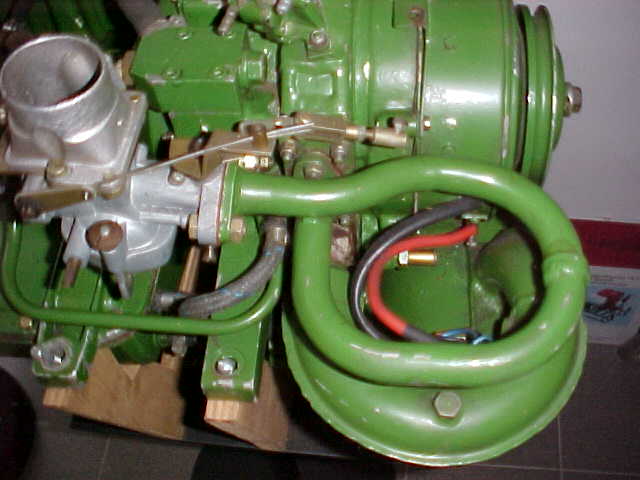
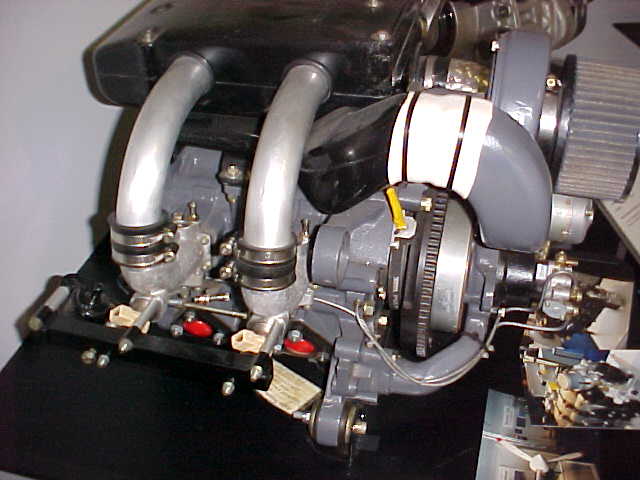
pipes about 30 inches long or more.
Paul Lamar
Paul,
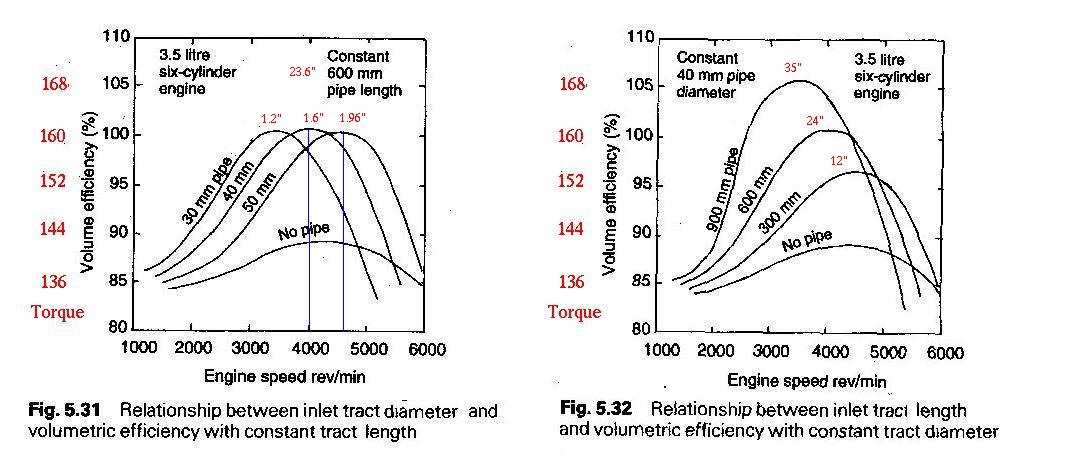
A quick rough calculation on volume of the runner would indicate 30" is
correct ( 29.6" by my calculations). That's if volume represents anything at
all, I only assume it does.
George (down under)
How did you calculate that? Do you mind posting the formula?
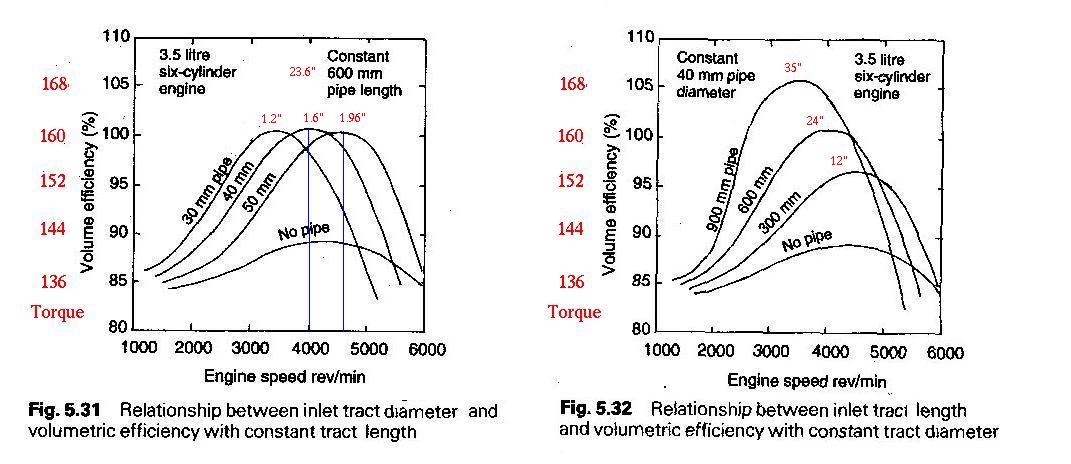
Tuned frequency is both a function of length and diameter (volume).
There is a third factor that affects max HP that many over look and that is
the skin friction drag inside the tube. Air velocity can be 200 MPH or more inside
the tube. A smaller tube tends to have higher air velocities and skin
friction drag is proportional to velocity squared. Intake manifolds are
primarily aerodynamic devices.
Consequently two tubes are better than four tubes given the same total tube cross
sectional area. Six tubes are not called for an AC engine that spends its entire
life between 5000 RPM and 7500 RPM :)
Small tubes work better at lower RPMs to generate torque for simple cars.
Low RPM torque is what you need for simple cars if your transmission is
limited in the number of different gear ratios and/or is slow to shift.
A Formula One engine is a good example. It does not need low RPM torque.
The transmission does the job of getting the required torque at low
speeds and high. It spends its entire life between 17,000 and 19,000 RPM
with seven or more gear ratios and power shifts in a fraction of a second.
Paul Lamar ...No rotor no motor.
The Rotary Engine NewsLetter. Powered by Linux.
ACRE NL web site.
http://www.rotaryeng.net
Youtube key word UTUBPLEASE
Copyright 1998-2008 All world wide rights reserved.