Oil Cooler/s for RX-8 engine
What size oil cooler should I be looking at if we don't have the
standard one
and maybe some suggestions on which ones / brands might be the
options
Anyone got some suggestions?
Thanks
Regards David
For a two hundred HP RX8 engine you will need something about 300
cubic inches.
Preferable about two inches thick or thinner. The best shape would
be square or
about 12 inches high by about 12 inches wide by about two inches
thick.
Make sure it will withstand 150 psi minimum. Internal finning in the
tubes
improves the heat transfer from the oil to the metal. Also lower
weight
oils cool the engine better for the same reason. Use 10W fully
synthetic or
lower in the engine while mixing two cycle oil with the fuel as it
burns better.
Don't go on the manufactures engine HP recommendations as the rotary
rejects
three times the oil heat. Most piston engines reject only 10% to
cooling the oil while
the rotary rejects 30% or more. In other words as far as oil coolers
are concerned
a 200 HP rotary requires a 600 HP piston engine oil cooler.
Setrab is a good international company.
http://www.setrab.com/index.php?id=68
--
Paul Lamar ...No rotor no motor.
Paul,
Nice discussion about oil. You mention the Setrab coolers. Since that
is what I use I thought I would share my experience. You outlined the
11x18" cooler but I started out with the 11x15" and found that was
larger than I needed. I am now using the 11x10" cooler (PN 50-634).
Even then I have about 20 sq in of the face covered with duct tape just
to get oil temps up to about 150. Worst case is a 100 deg day, heat
soaked engine (I was giving rides to multiple people) and 85 kt climb
out at 34" MAP [turbo] and I finally got the oil to climb above 200
(my personal
red line). Flattening the climb to 100 kts without reducing power
quickly
brought the temps back down. WOT in level flight oil temps never exceed
150.
Now, I should mention that my oil cooler is very well-fed with air (the
entire right cowl inlet). If I were to use a larger face radiator and
smaller cowl opening I could probably achieve the same results with less
cooling drag. Also, 34" MAP in a steep climb out for me, with my
over pitched prop and 2.17 gear box is significantly less than 200 h.p.
One other thing I should mention about the Setrab. I have had a
recurring problem with a small leak in the same location on 3 coolers.
I kept thinking that I has some sort of mounting issue causing the leak
until I dissected one of the coolers and found that there was faulty
brazing in the trouble spot. A dab of JB weld fixed the leak and has
held for the last 50+ hrs (it is a fairly small leak anyway). I called
the company and they just wanted to keep blaming over torque on
installation (but I used a torque wrench). It was clear that they have
had a big problem with customers "over torquing" the AN fittings when
installed. Best they could do was offer me a replacement cooler at a
discount - which I still have since the one with JB weld is working
fine.
Will sell that one for $290+ shipping if anyone is interested, JB weld
not included :-)
--
David Leonard
Turbo Rotary RV-6 N4VY
http://N4VY.RotaryRoster.net
http://RotaryRoster.net
----------------------------------------------------
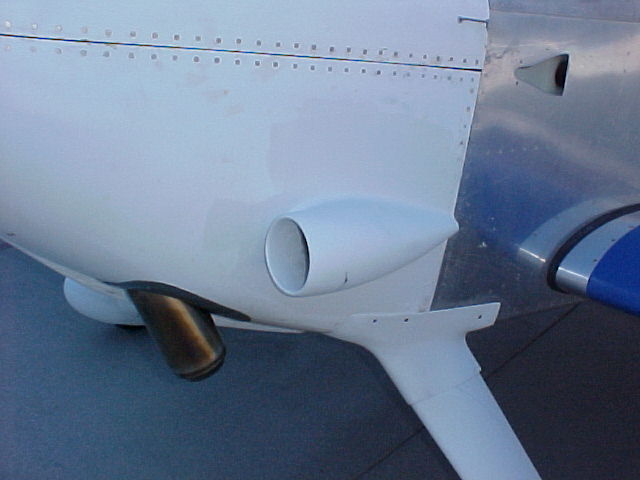
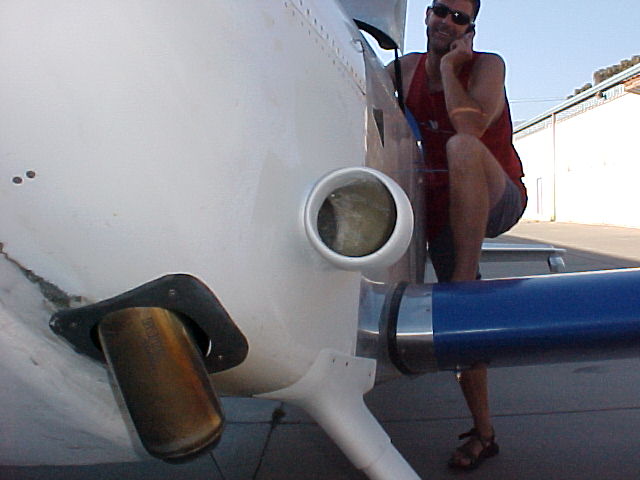
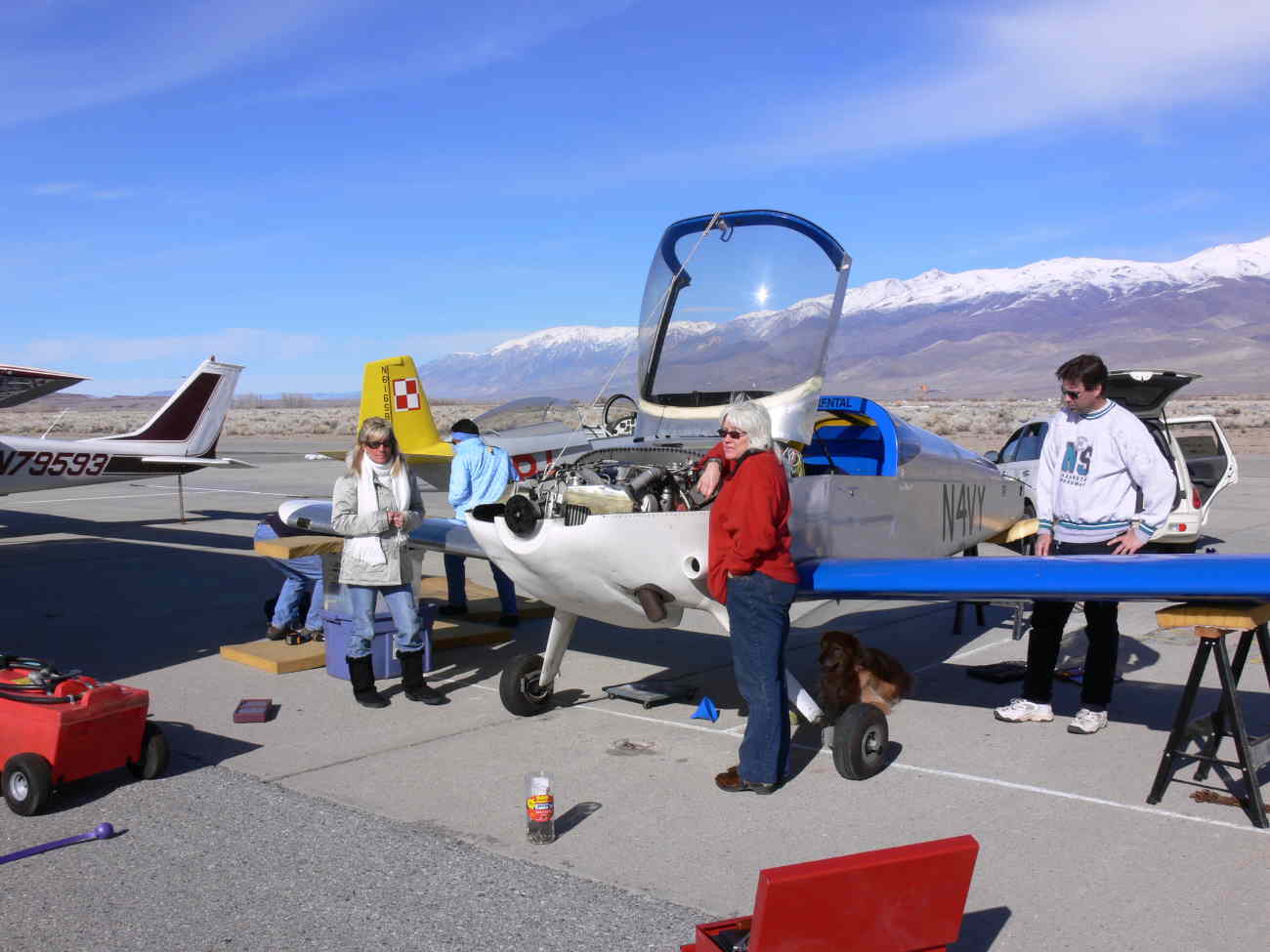
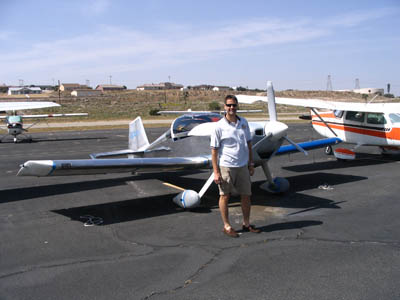
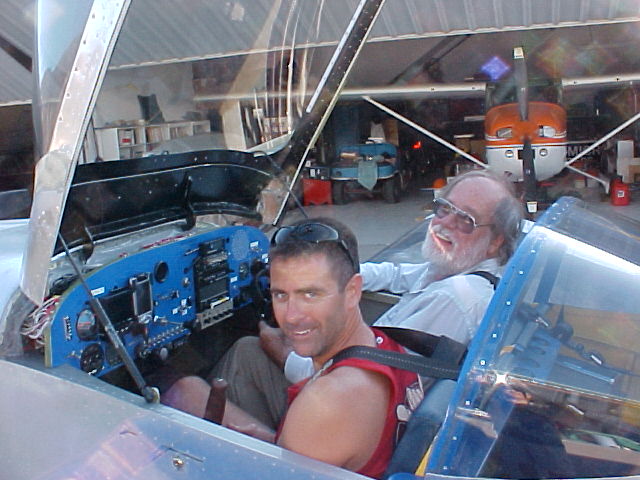
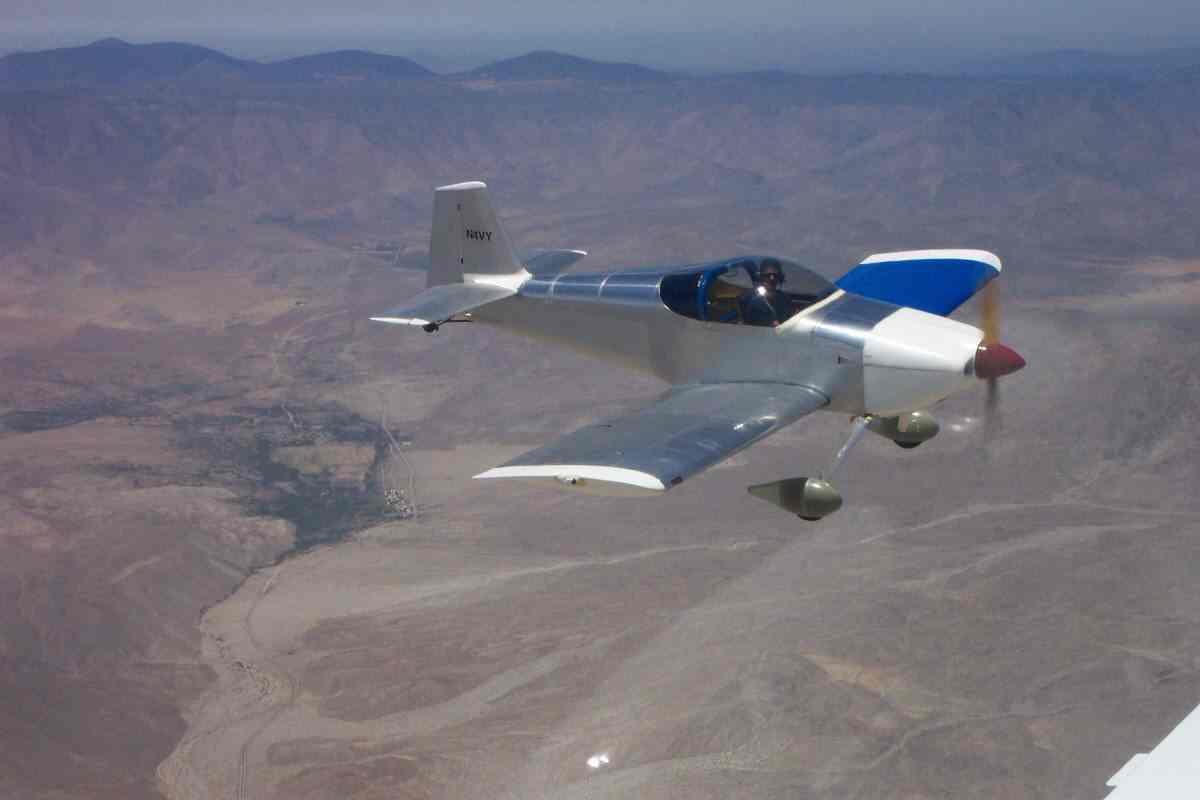
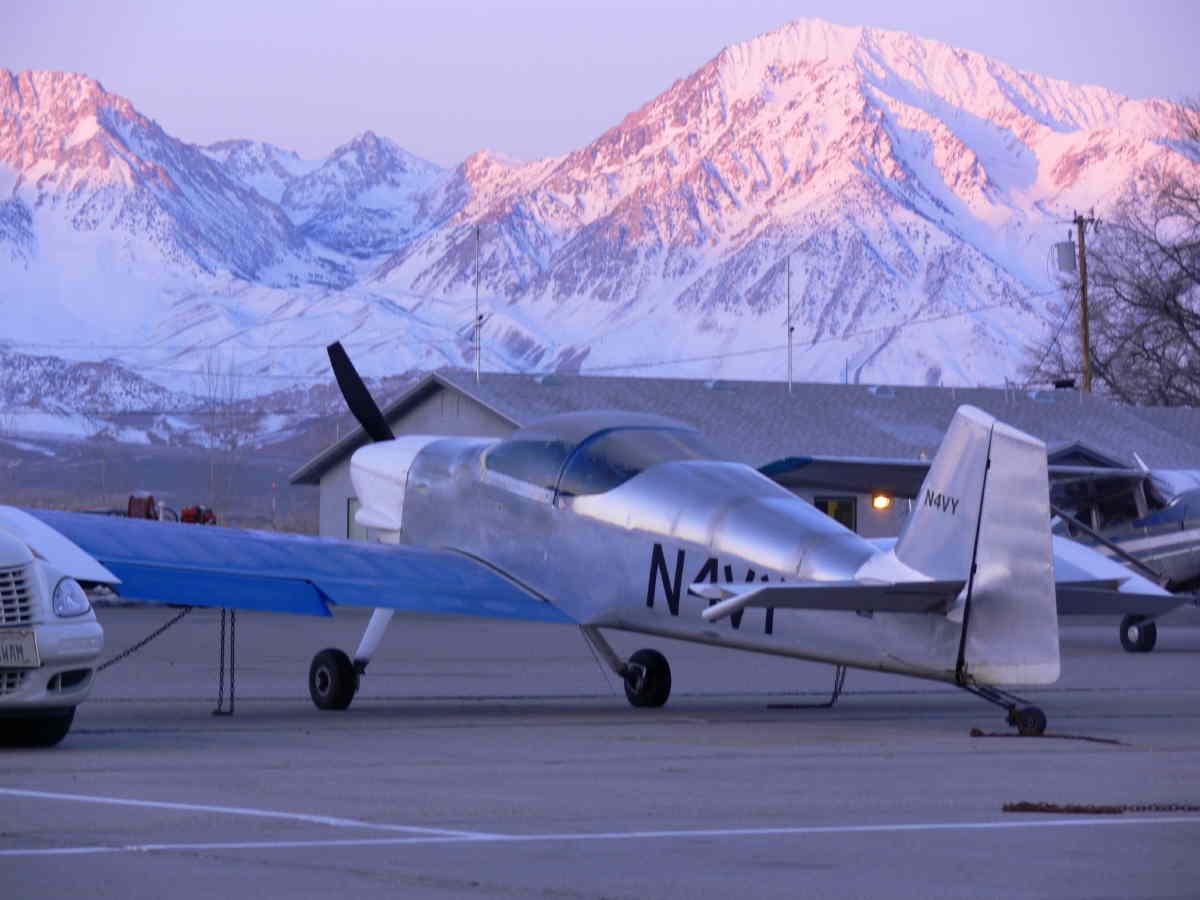
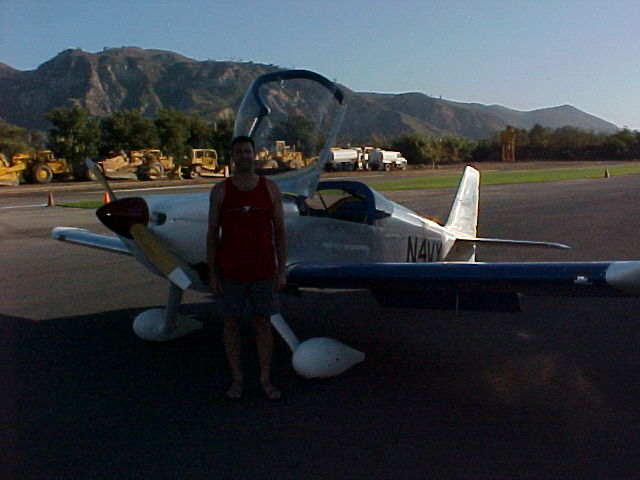
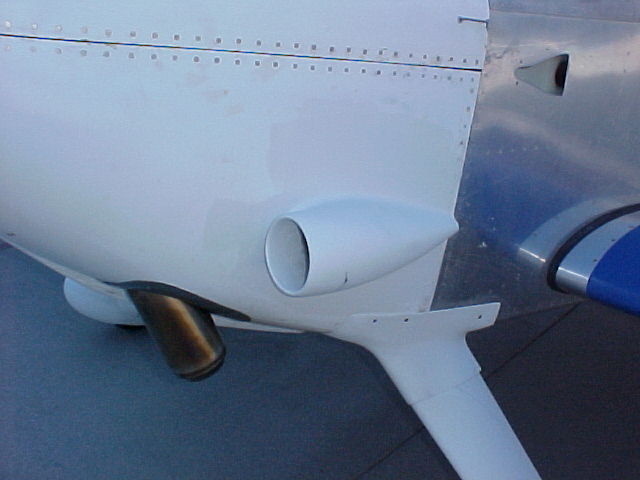
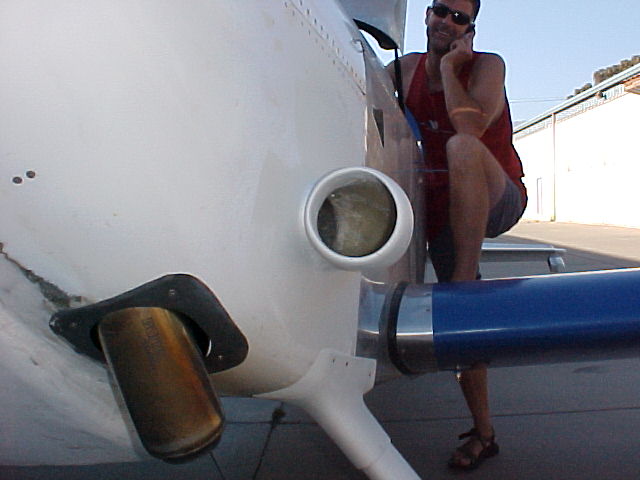
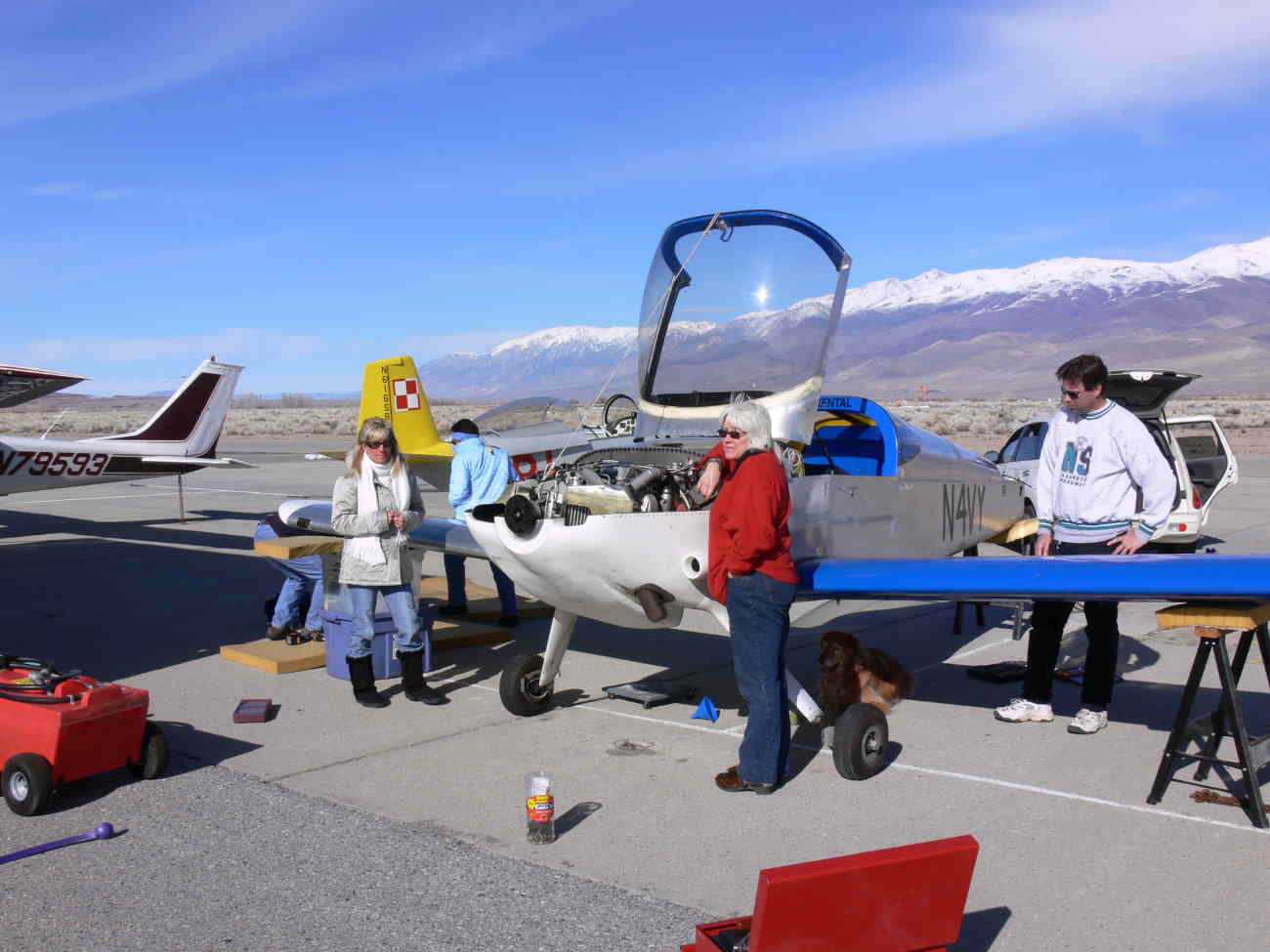
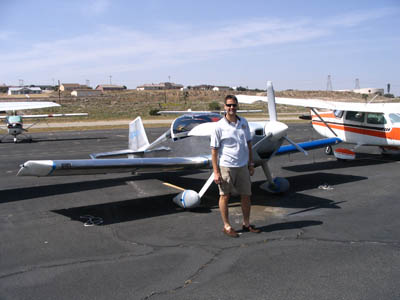
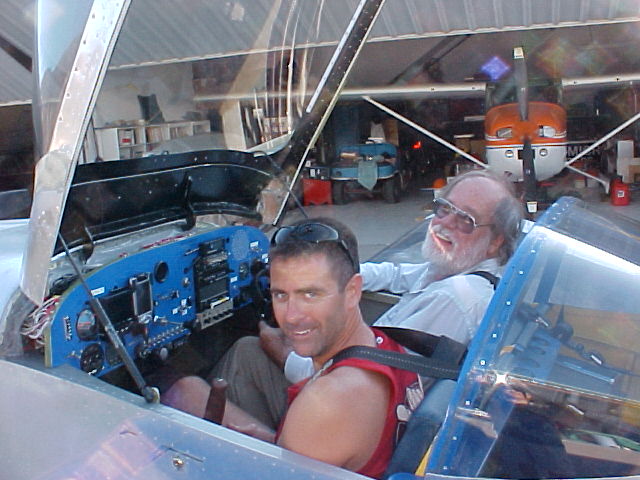
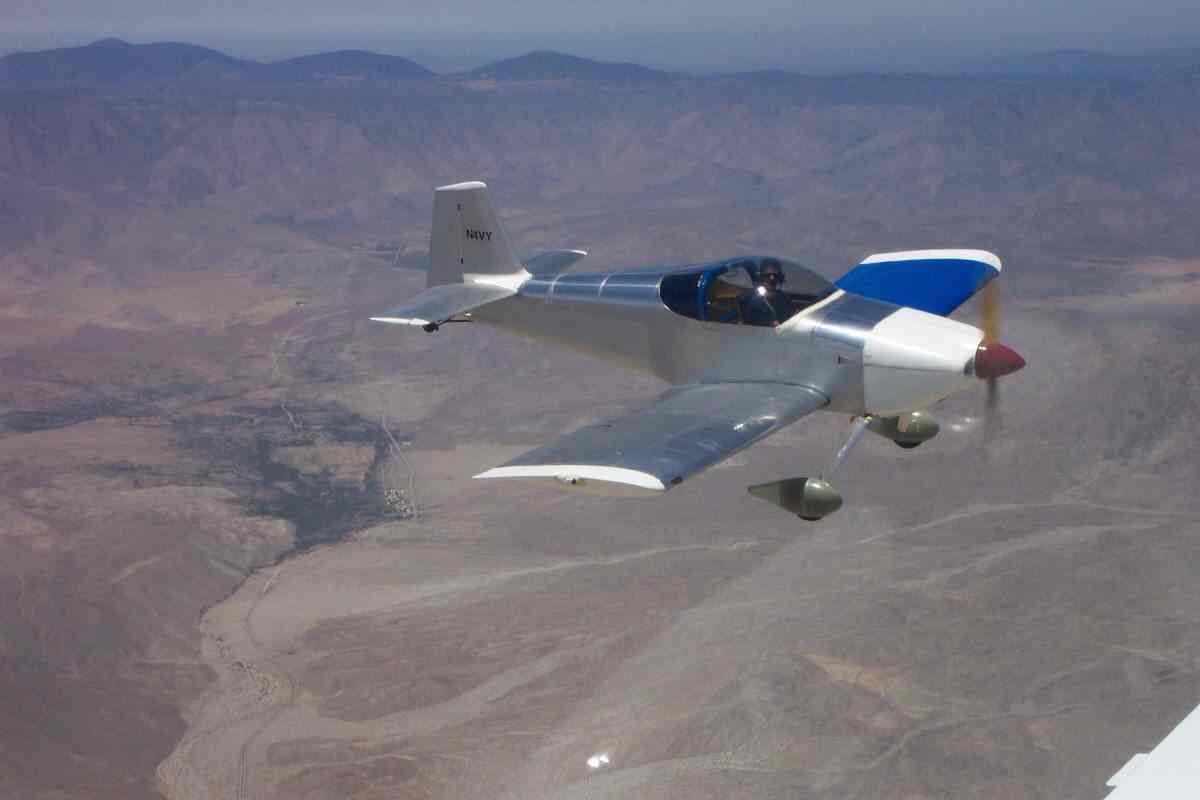
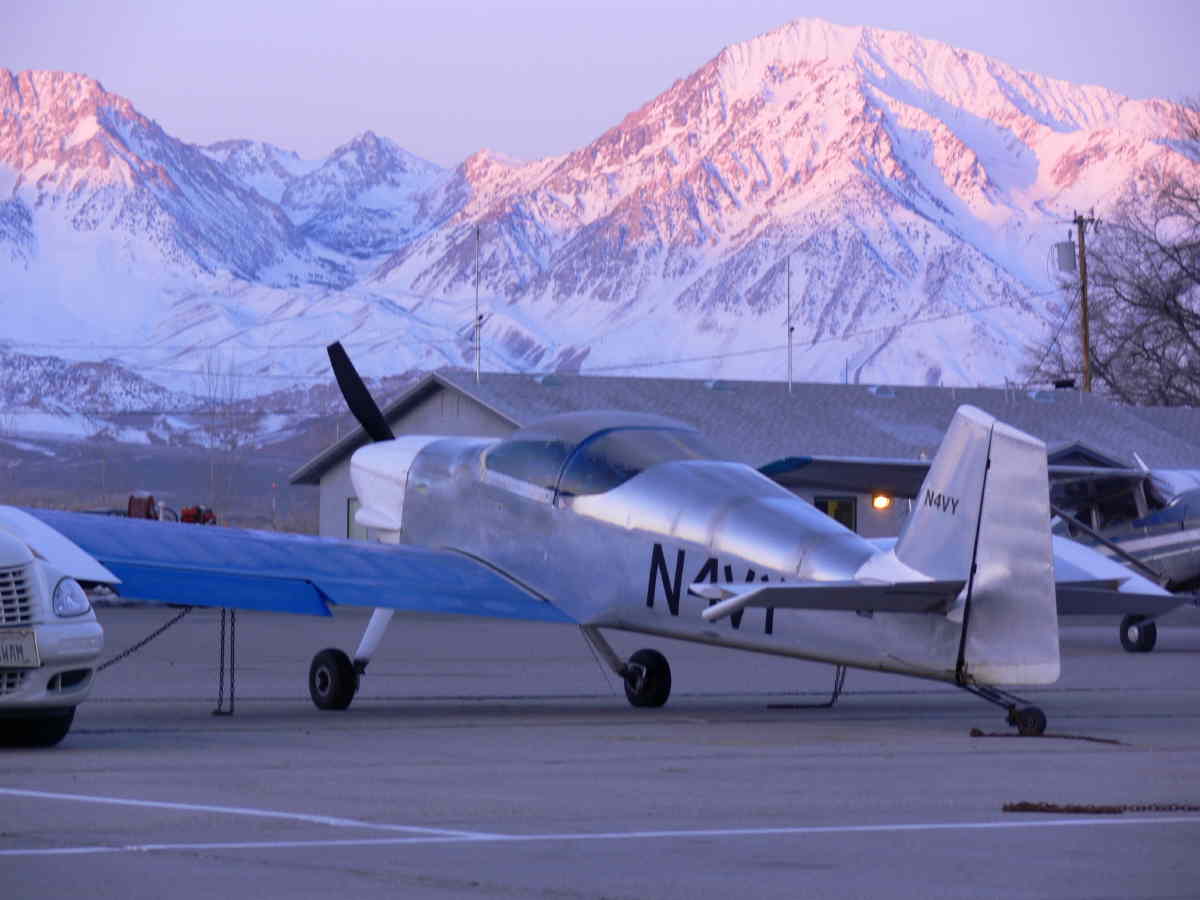
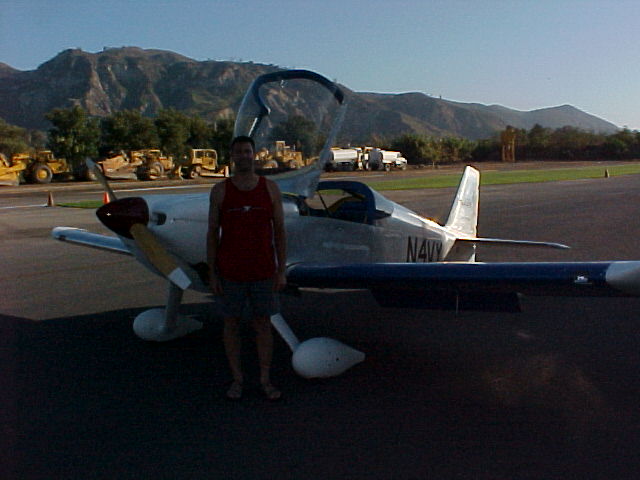
We never did get pictures of your new installation Dave.
I would still like to see them. Here are some old ones
dating back to Dec. 2007. Nicely done, well sealed K&W oil
cooler duct on the right side.
Paul, those are the latest pictures (except for the first one). Dec.
2007 was not that long ago, nothing has changed since then. In fact, I
have only removed the cowl a couple times since December - too busy
flying. 280 hrs now on the Hobbs.
Do you have movable cowl flaps on it yet? :)
Yes, you can see it in the pictures you sent. Though it does not seem
to have much authority to change the temps much one way or another (can
only affect 5 deg or so). I fly around with it full closed all the time.
What are the oil and water temps flat out at top speed?
70 deg C [160 F] for both on a warmish day. Colder than that if I am not flat
out - which is usual given the price of gas. Typical cruse of 150-160
ktas, 130-150 KIAS, 60C for both temps.
What is the top speed? When you are climbing out at 85 kts
what is the gross weight and rate of climb (FPM)? From that one
can calculate the climb HP being used.
According to the fuel burn calcs on Ed Anderson's fuel computer, I am
putting out about 235 h.p. at best power and 200 h.p. lean of peak
(where I usually fly). I think that is using .55 BSFC.(but will have to
check with Ed).
I cant say that I have good numbers for climb out and never do it at 80
(I was letting the pax fly that day until the oil got above 95C). Vy is
closer to 100 kts. It seem that solo and low fuel I will see around 2k
ft/min. Full Gross of 1800lbs is closer to 1300. Not outstanding
numbers for an RV-6, but very good for an over pitched f.p. prop. RPM on
climb out is only about 4600 RPM in that condition. I could get a lot
more climb if I had a couple less inches of pitch.
Flat out down low RPM is still only 5300 and 38" MAP. I cant really
unload the prop until I get above 10K, so that is where I see my fastest
true air speeds (around 190 KTAS [219 MPH] give or take) at just over 6k RPM.
Craig Catto says he can re-pitch my prop without too much trouble which
I may eventually do. In the mean time I have ordered up a second turbo
identical to my current [mod 2nd-gen] one except I will keep the waste gate flapper
intact. I still plan to limit max boost to 40" MAP, but I will be able
to carry much more power up high. After I see where I stand there, I
will know how much, if any, I want to trim back on the prop.
I know you would love to see me optimize everything to post impressive
numbers, but my goal is to just have a reliable aircraft that sacrifices
nothing to performance compared to my Lycoming buddies. Basically I
have that now. In the Sharpie 500 race, looking at only other similar
configuration aircraft that were also going for top speed, I was right
in the middle. I lost to a 200 hp RV-7 and was edged out by a 180 hp.
RV-6. I also beat a 200+ hp RV-7 and a 180+hp RV-7A - all of whom had
c/s props. So I am right were I need to be (and paid $15-30K less for
the experience). My fuel burn was right in the middle of that group as
well. I have met my goals and often have second thoughts about changing
anything at all. But there is the part of me that knows how easy it
would be to get an extra 10-20 knots top speed (with the new turbo) and
some extra rate of climb (by trimming the prop). That guy will probably
eventually win out and I'll start breaking stuff again. :-)
When you cut it open did you notice fins inside the tubes?
Sorry, didn't notice
BTW I suggest testing the cooler to 150 PSI with hot oil before
using them as
the rotary is much much harder on coolers than a piston engine
that typically operates on only 40 psi. We see oil pressures
on the dyno when the rotary engine oil is still cold at well over
100 psi.
A hydraulic hand pump from a cheap Chinese jack will work along
with a pressure gage. Boil the low viscosity oil so it gets above
250 F or so
before you pour it into the cooler. Oil cooler failures are serous
as we have had at least two in flight oil fires and one fatality due
to failed oil coolers in the last ten years. Mistral has also had
an oil cooler expand due to over pressure.
The stock 2nd gen oil coolers work fine but they are getting scarce.
I think they were custom built by Modine for Mazda.
I am surprised about the Setrab leak. Perhaps we need to find
another supplier.
I would still use the Setrab again. Primarily because I have not found
anything better, especially that has so many stock sizes to choose from
and is not too expensive. Since the leak has always been in the same
spot, I thing is is an assembly line issue but luckily it is easy to
fix. We'll see how long the current core lasts. It has 60 hrs so far.