I'll give my take on your questions Rick, have a few questions of my
own. Where in the system is your fuel on/off located? Are your pumps
external to the sump? This has created problems for others, I suggest
pumps inside the sump. I do not have a check valve between selected
main
and sump on my system. How large is your sump? The fuel returning
to the
sump (if that's where you choose to send it) is not under high
pressure.
I do see merit in your concern that ram pressure on the main tank
vents
could force fuel out the sump tank vent. Perhaps the sump tank
should be
vented back to a main tank or main tank vent?
I do have check valves external to the sump on the outputs of the
two HP
fuel pumps before the outputs join to one enroute to the engine
fuel rail.
Perry
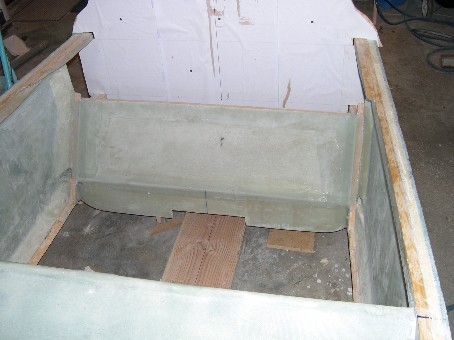
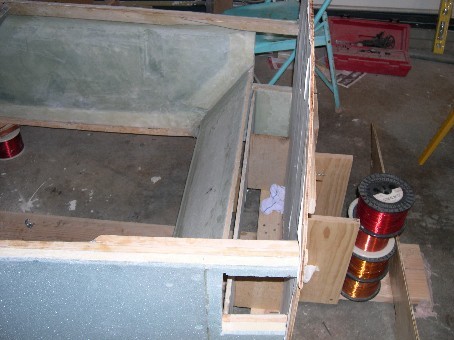
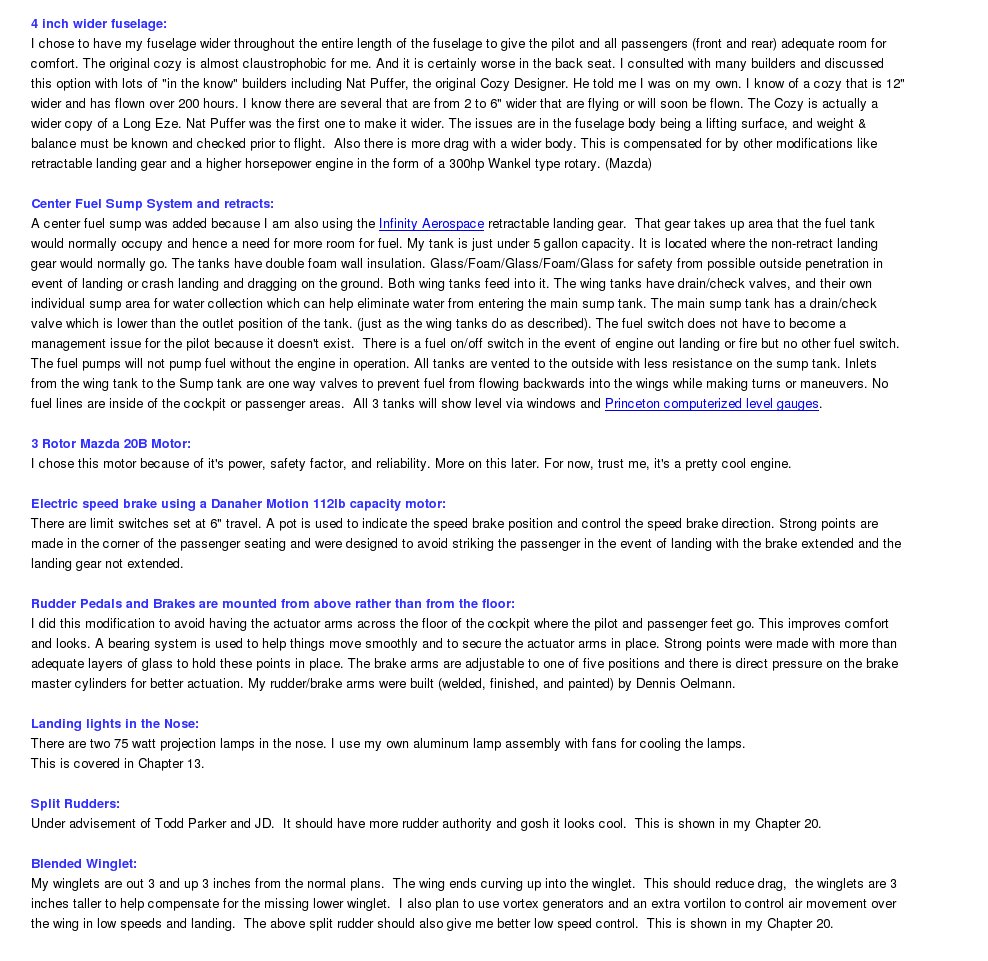
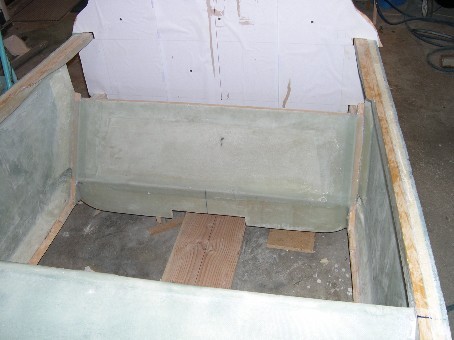
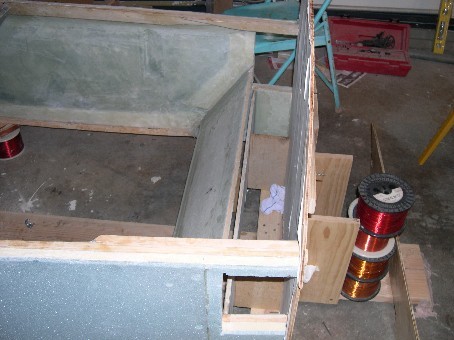
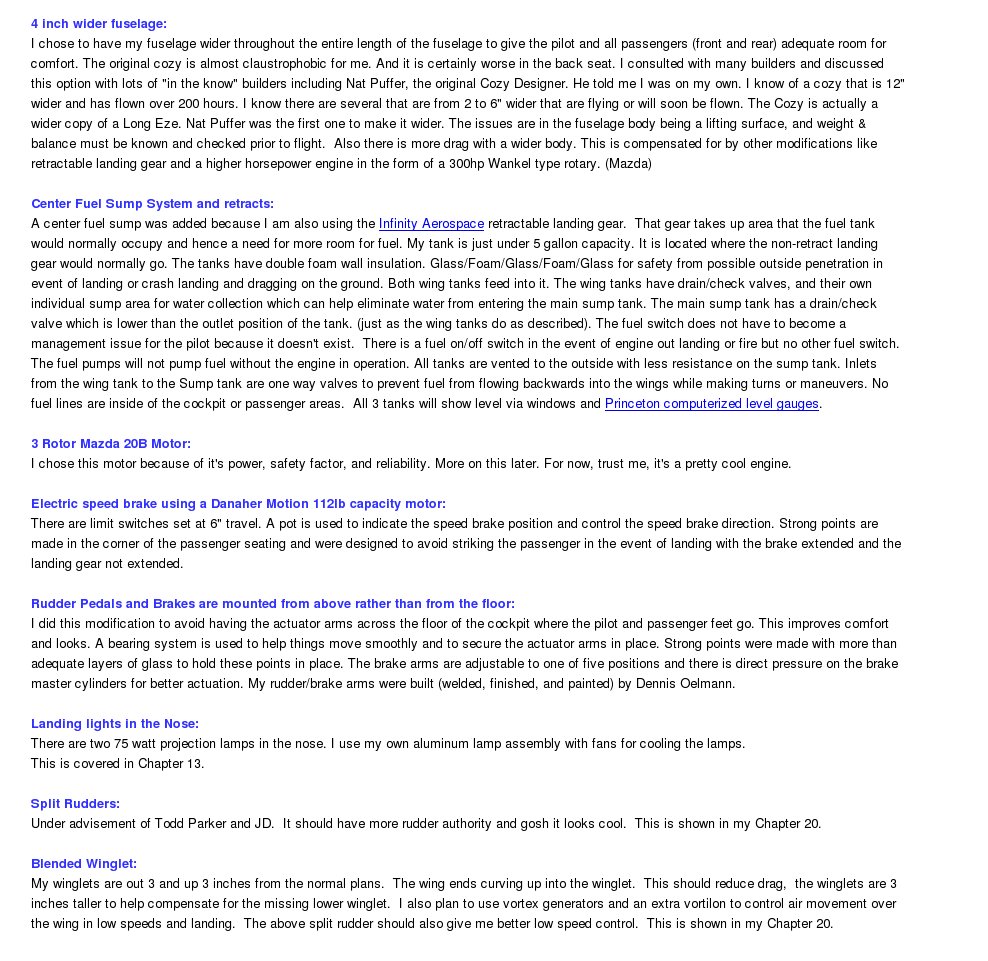
Perry thanks much for your response. My pumps will be directly
outside of
the sump tank. Lowest point, following an on./off valve and a final
filter
. I didn't want the pumps in the tank because I didn't want to have to
worry about a large seal surface. The sump tank is where the
landing gear
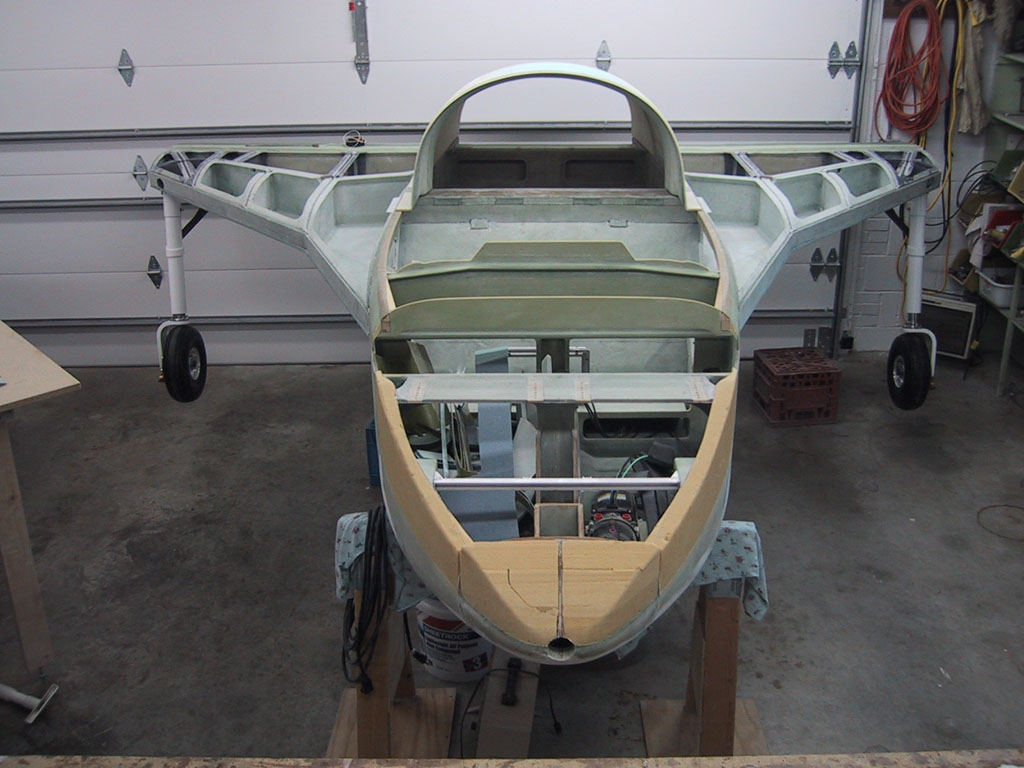
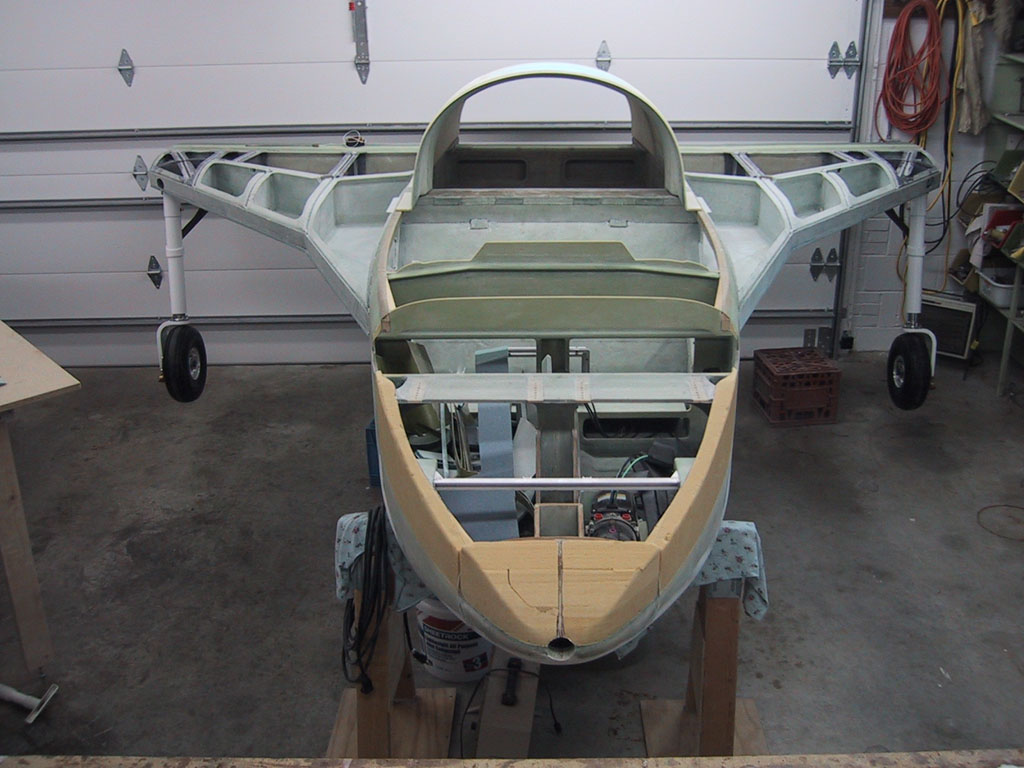
typically go in a Cozy. I'm using infinity retracts. My sump
tanks is
7.5 gallons. I just increased it up from 4.9 to 7.5+. I planned on
returning the fuel to the right tank and I want 1/2" line connecting
the two
main tanks to the sump. All tanks are vented. I am thinking of
not using
check valves as of late. The On/Off valve would be on the firewall
preceeding the fuel pumps. I haven't closed the sump tank yet. I'm
anxious
to figure this out so I can get my spar back on and wings mounted.
Rick Irwin
Rick what are the dimensions of the tank? It is a problematic if it
is wide.
Keep it skinny and tall. The fuel pick up on a wide tank can be
uncovered
under certain flight conditions. Large tanks are not necessarily the
right
answer. In fact under certain circumstances that can work against
you.
Keep the bottom of the sump tank as low as possible. Put it behind
the firewall
and extend it up above the spar. Tall and skinny.
This one was in a fatal accident and we are not sure what happened
but it was a fuel feed problem for sure. Long story. I investigated it
for the FAA and NTSB.
These return flow, high pressure fuel systems, are tricky. They are not
just plumbing problems. They are 3D problems as the exact positions
and sizes of tanks enter into the configuration. All flight attitudes
must be considered.
Paul Lamar
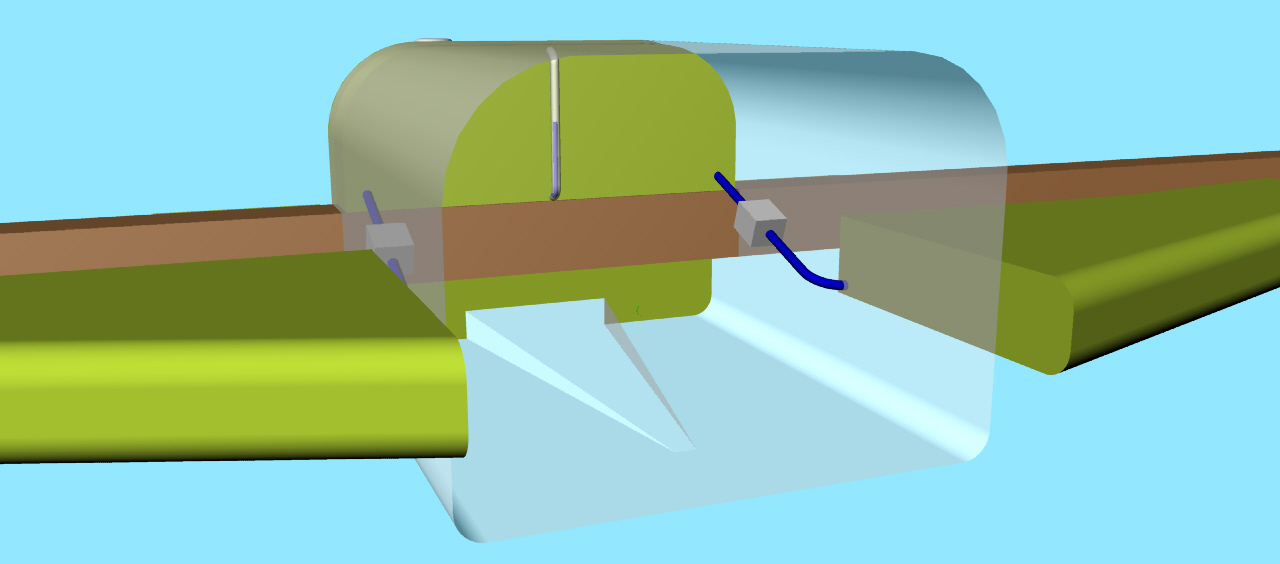
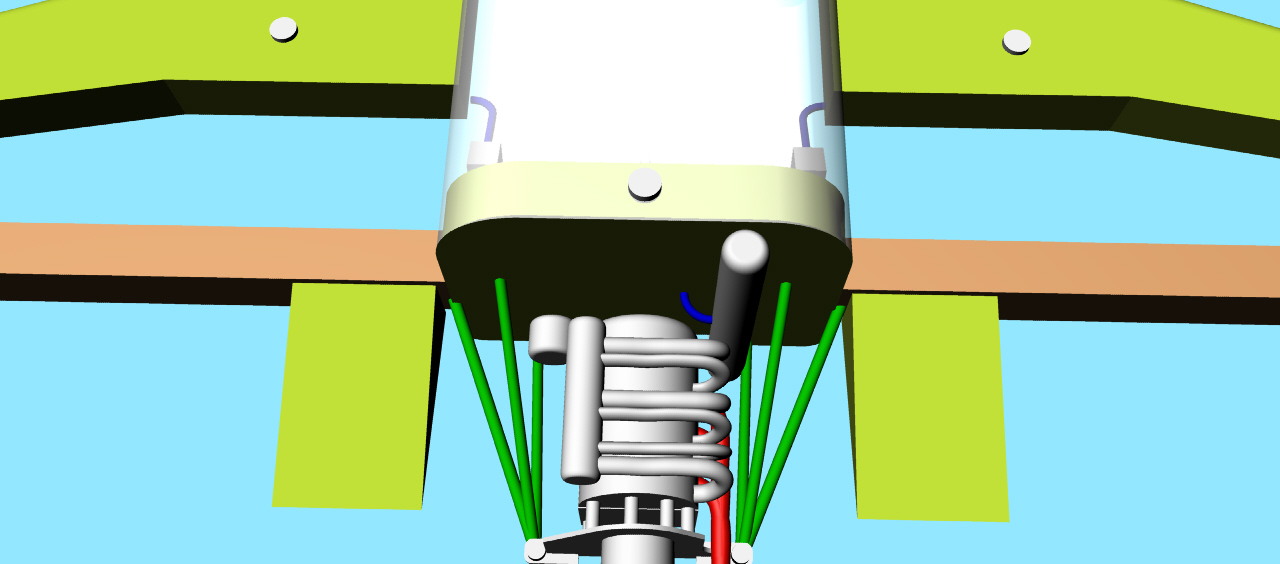
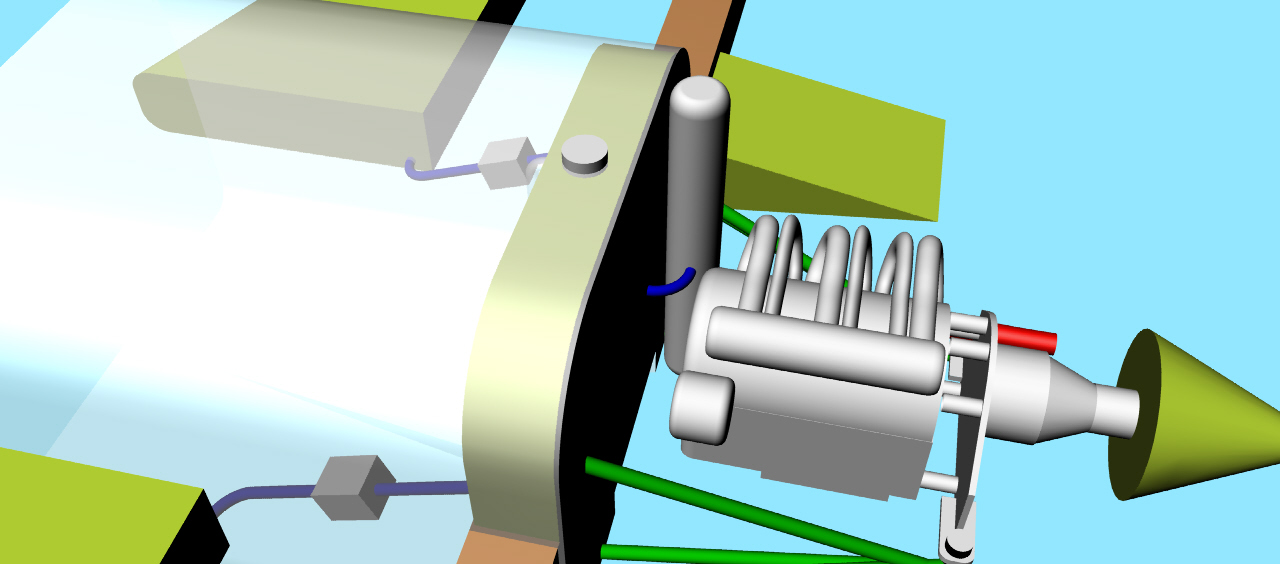
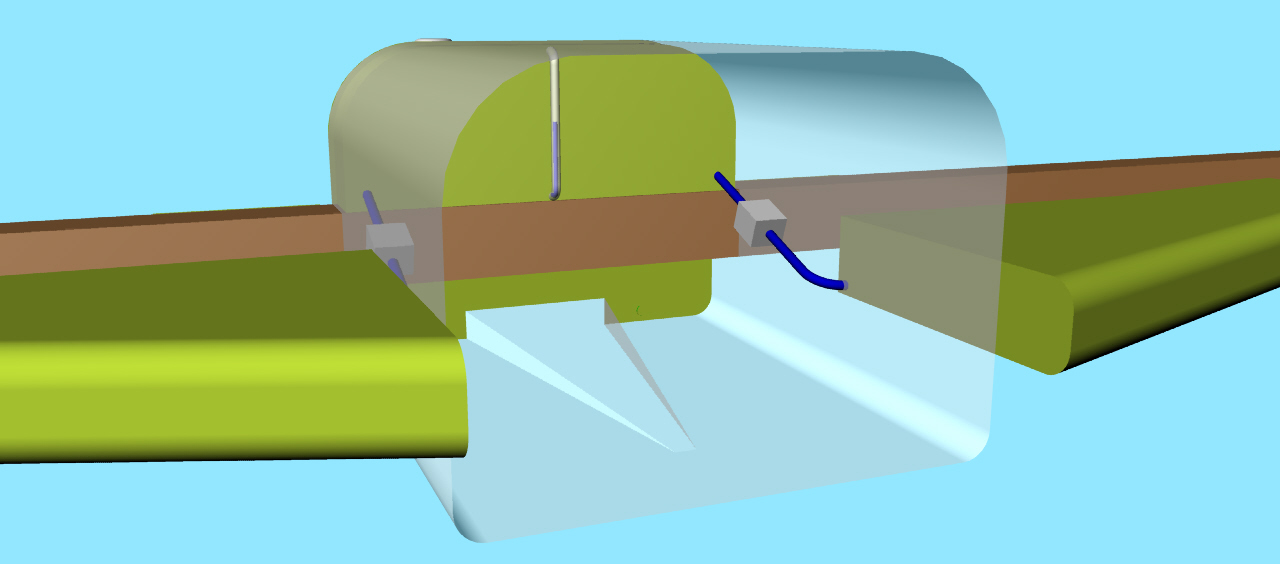
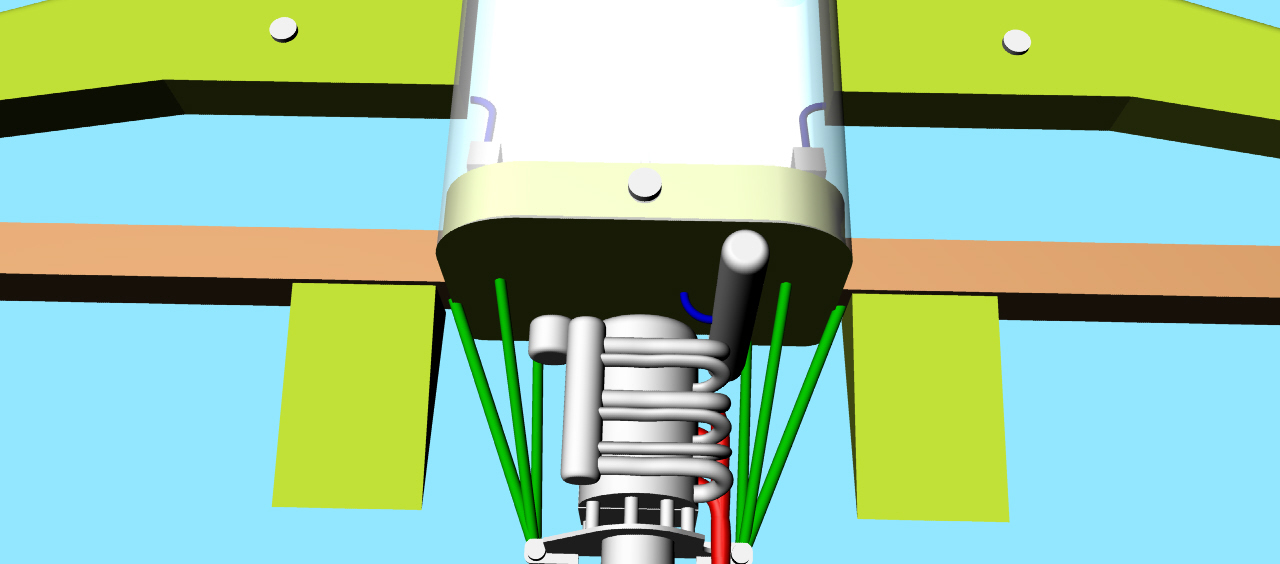
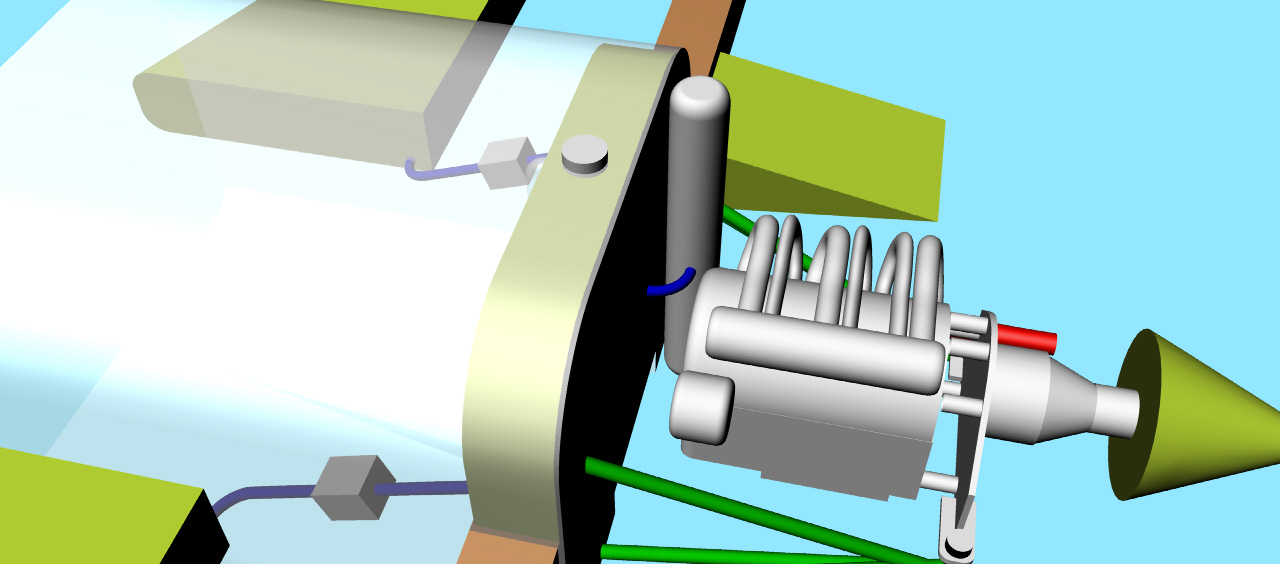
In the 3rd picture it appears the sump is mounted very high, just below
the spar. And the fuel lines appear to be going "uphill" to get to those
ports. This doesn't allow much head for the fuel to drain to sump by
gravity. You can see the NACA inlet in the photo. My sump is probably at
least 6" lower and actually protrudes a bit into the NACA.
Perry
The photo I was referring to was from the accident airplane in the
previous message, that sump appears mounted much too high. I looked at
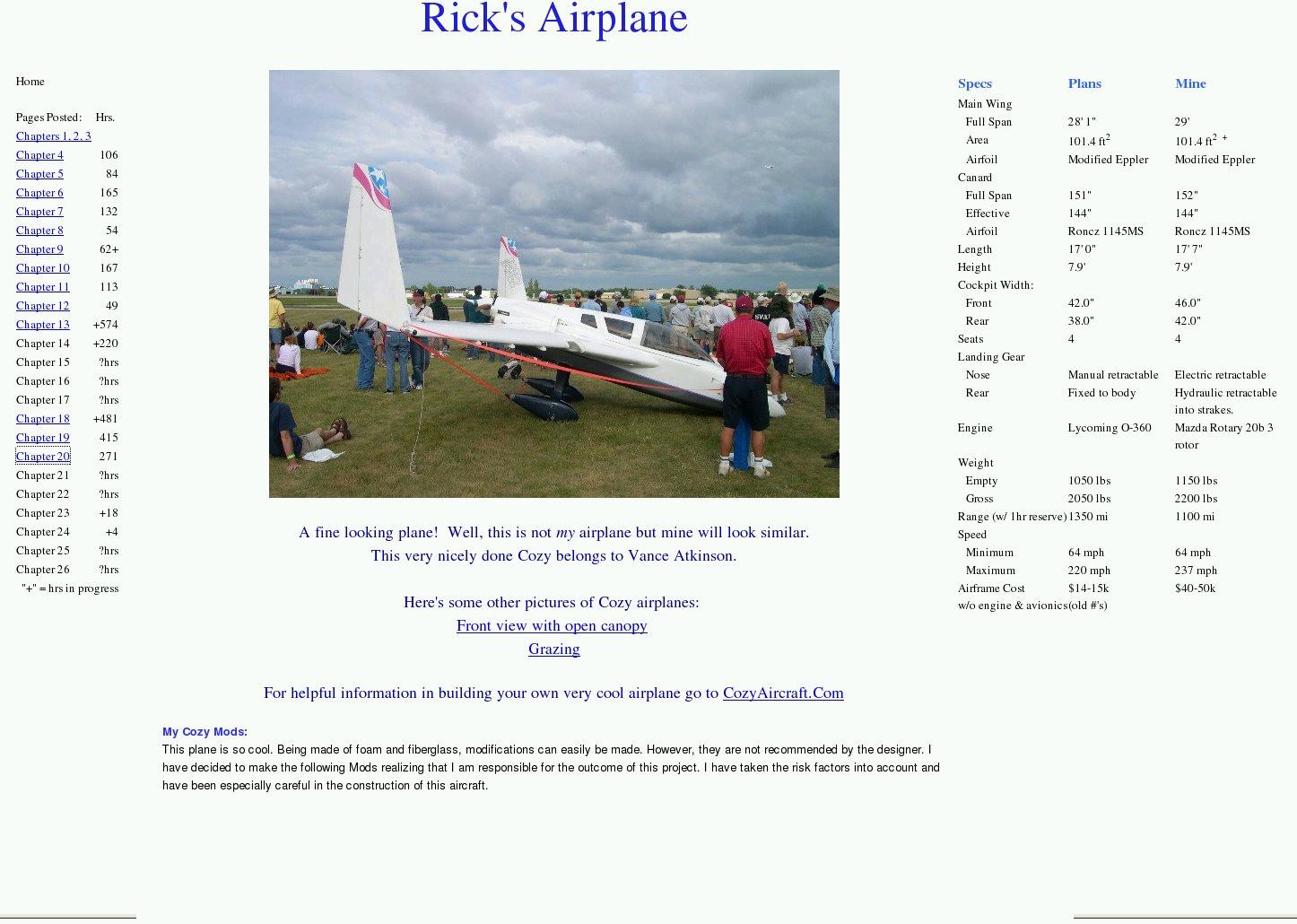
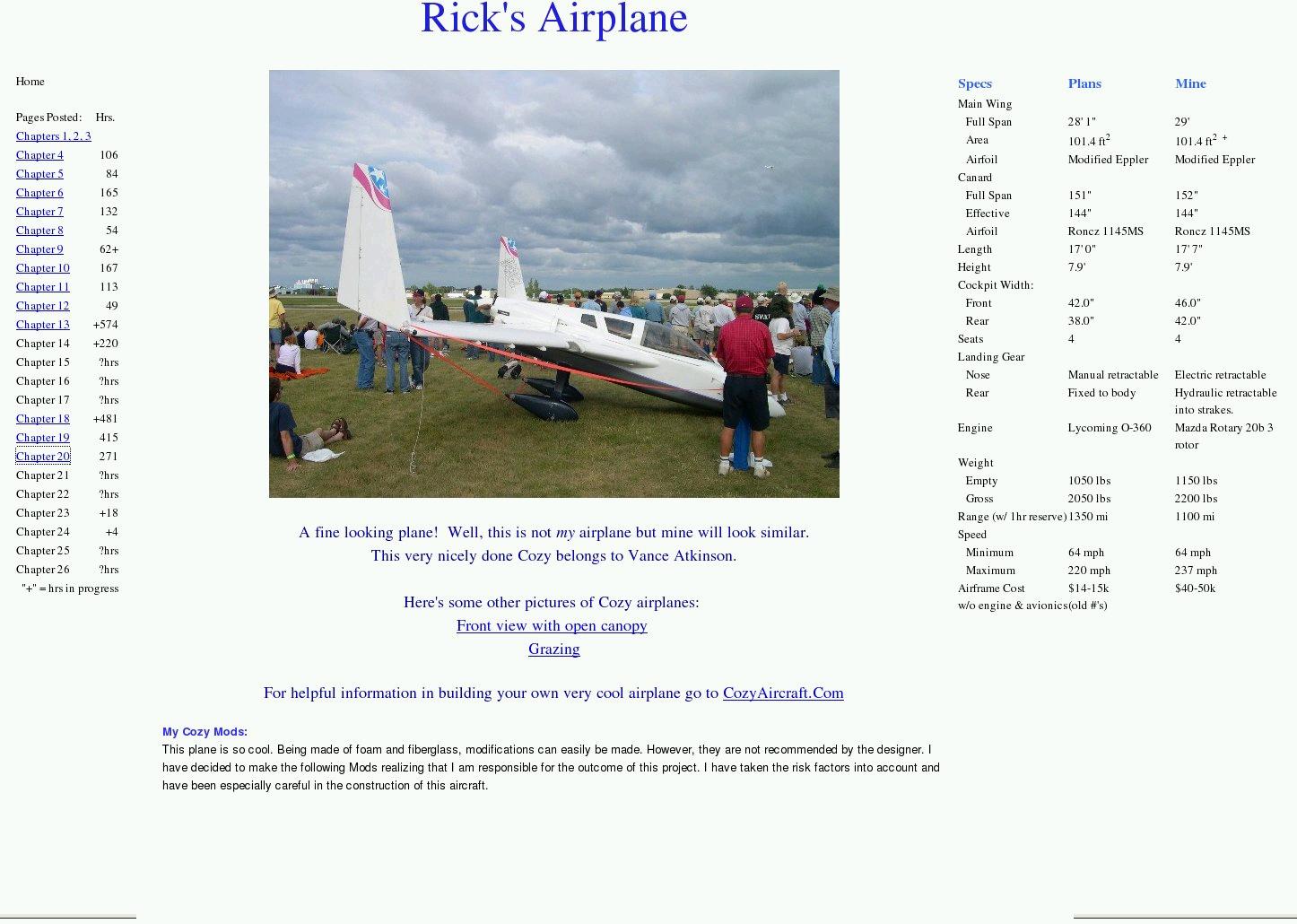
photo's of your tank Rick on your website and the flat bottom appears
much lower which is good. Also you are feeding directly from the main
tanks to that sump tank without routing lines forward first to a fuel
valve and then rear, which should also be positive.
To address the
possibility Paul mentioned of side-to-side sloshing fuel with the
wide sump, how about ramping the bottom of the tank from the sides
just below the main tank fuel outlets in the sump blisters
(does the Cozy have those?) down to the floor in the center of
the tank? Put your internal HP pumps low in the center of the
tank, or sump drains to the external pumps from the lowest point
in the sump center.
Mount those HP pumps very low, whether they are in the sump
or out. I know others
have had issues with external pumps but I have no personal
experience with that setup.
Sealing fuel is problematic, but the pumps are so reliable and such a
low maintenance item that I sealed mine in my steel sump tank with flox!
Mazda uses some kind of rubber-like seal, would like to know what that
material is.
I've heard the Velocity has a sump tank similar to yours, and people
have had issues with it as far as equal feeding from the two main tanks.
Seems like the 1/2" lines as opposed to 3/8" would help. I don't know
what Velocity uses. I don't have any personal experience with that type
of sump system either.
My goal was to use the stock LEZ fuel system as I already had it built
before my engine install. So I built a small sump with internal HP pumps
and fuel return to sump, sump being located where the gascolator is on
the stock LEZ.
Perry
Try windscreen polyurthane adhesive. In my experience It is resistant
to fuel. To test put some that is cured in a jar of fuel and leave it
for a week or two. If it remains firm you are good to go. Dont use
silicone it dissolves in fuel.
csmale
Rick,
I had a look at your web site and I think I have figured out what you are trying
to do.
Your using a 300 HP 3 rotor that burns more fuel.
The retracts subtract about 15 gallons from the stock tanks.
That is going to limit your range. At 225 HP or 75% power
and a BSFC of .5 that is 18 gallons an hour.
Total fuel with retracts is only about 35 gallons
or 1.9 hours worth. Assume 210 MPH cruise (my guess) or
about 400 mile max range.
A 5 gallon sump tank under the spar will be too wide and may
uncover the pickup under certain flight conditions. It also does not
replace the amount of fuel lost with the retracts.
You might be able to get a gallon under there but that is not going
to help much. One gallon is 231 cubic inches.
OK here is how to get more fuel capacity and still keep a sump tank.
This aux tank on top of the spar forward of the firewall is about 20 gallons.
It is a guess as I don't have all the fuse dimensions.
Use two or more small low pressure facet pumps down near the
main tank outlets, to pump fuel up to the 20 gal aux tank.
They have built in one way valves. Select one or the other
with switches depending on the amount in the strake tanks.
Use sight gages on the inner ends of the strake tanks.
Use a tall and skinny sump tank behind the firewall fed only from
the center tank. A piece of five inch aluminum tubing 4 feet high will
work fine. About 4 gallons. Send the return fuel to this tank.
Vent all tanks to the top of the fuse but do not point
the vents forward in any case.
There is a sight gage on the forward face of the aux 20 gallon tank.
When that is empty you still have a gallon or so in the sump tank to get
it on the ground.
IMHO total fuel will now be about 59 gallons or about 3.3 hours or
700 mile range at 75% power. Leaning the engine to .47 BSFC you
will get about 740 mile range. The fuel burn will go down
to about 17 gallons an hour.
Paul Lamar ...No rotor no motor.
The Rotary Engine NewsLetter. Powered by Linux.
ACRE NL web site.
http://www.rotaryeng.net
Youtube key word UTUBPLEASE
Copyright 1998-2008 All world wide rights reserved.