That is correct Paul. We were able to produce 180+ horsepower at 5500
rpm
on early engines using smaller diameter 1 9/16" diameter runners shown
in
our "out-across-over and back" configuration from the plenum to the
peripheral ports which you show in some of your photos. Subsequent
engines
used larger diameter intake runners of same length for higher h.p. Per
your
notes, all our experience correlates to published Mazda data. For
length,
we basically used the longest runner length we could reasonably fit in
the
RV-3 and 4 cowlings. We tested many different diameter and length
combinations on the dynos.
Steve,
I am doing a single rotor PP about the same size and was wondering what
length runner you settled on for 6,000 rpm.
George (down under)
George--to your question regarding intake runner length--
On earlier engine with 1 9/16" i.d runners x 25 1/4" long we produced
following corrected hp
160 hp@ 5,000 rpm
180 h.p @ 5500 rpm on dyno run dated 5-1-88.
200 h.p @ 6,000 @ 6000 rpm dyno run dated 3-16-88; EGT's 1650 and 1700F
From this you can tell we were fairly conservative when we rated the last
engine with the larger diameter runners and total runner length of 24"
200hp@ 6000 rpm. Depending on propeller, we ran that engine in normally
aspirated form up to 7,000 rpm for maximum performance ffor 100 miles but
as
a rule, mid range cruise was 5,000-5500 rpm at altitude 7500 and up;over
200
mph. High speed cruise up to 6,000 rpm in the RV-3 and RV-4.
Here are approximate intake system component lengths on that engine--
2" from plenum bell mouth to end of stub coming out of plenum to metal
intake runner
1/4" to 1/2" distance between plenum stub and metal intake runner (use
rubber hose clamped each end to secure)
20" minimum tube length for runner
1 5-8-1 3/4" Port insert from inner rotor housing to machined recess for
intake runner tube.
Approx. 24" total
If you can experiment with different combinations of runner diameter and
lenth and port timing you will find it helpful to obtain the torque
curve/hp/rpm combination you seek. But if you use rubber hose to help
extend your lengths during testing as we did you may also find the intake
pulses will be forceful enough to make the walls blur and actually
accordian
them partially shut on the collapse cycle.
But remember you need to consider port timing. We moved this around and
went from different oval ports on earlier engines to round ports on later
engines as they were much easier to build.
Steve Beckham
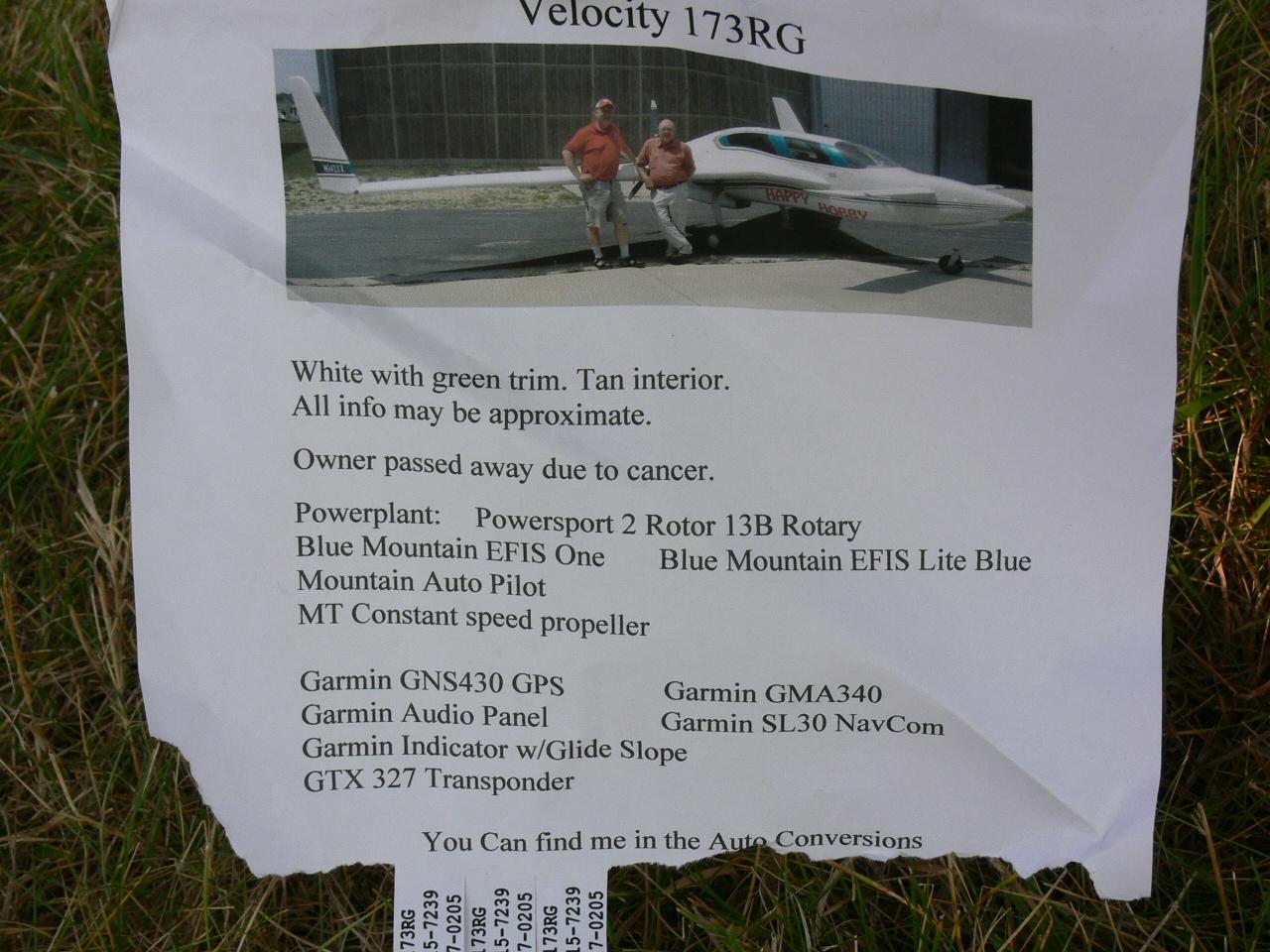
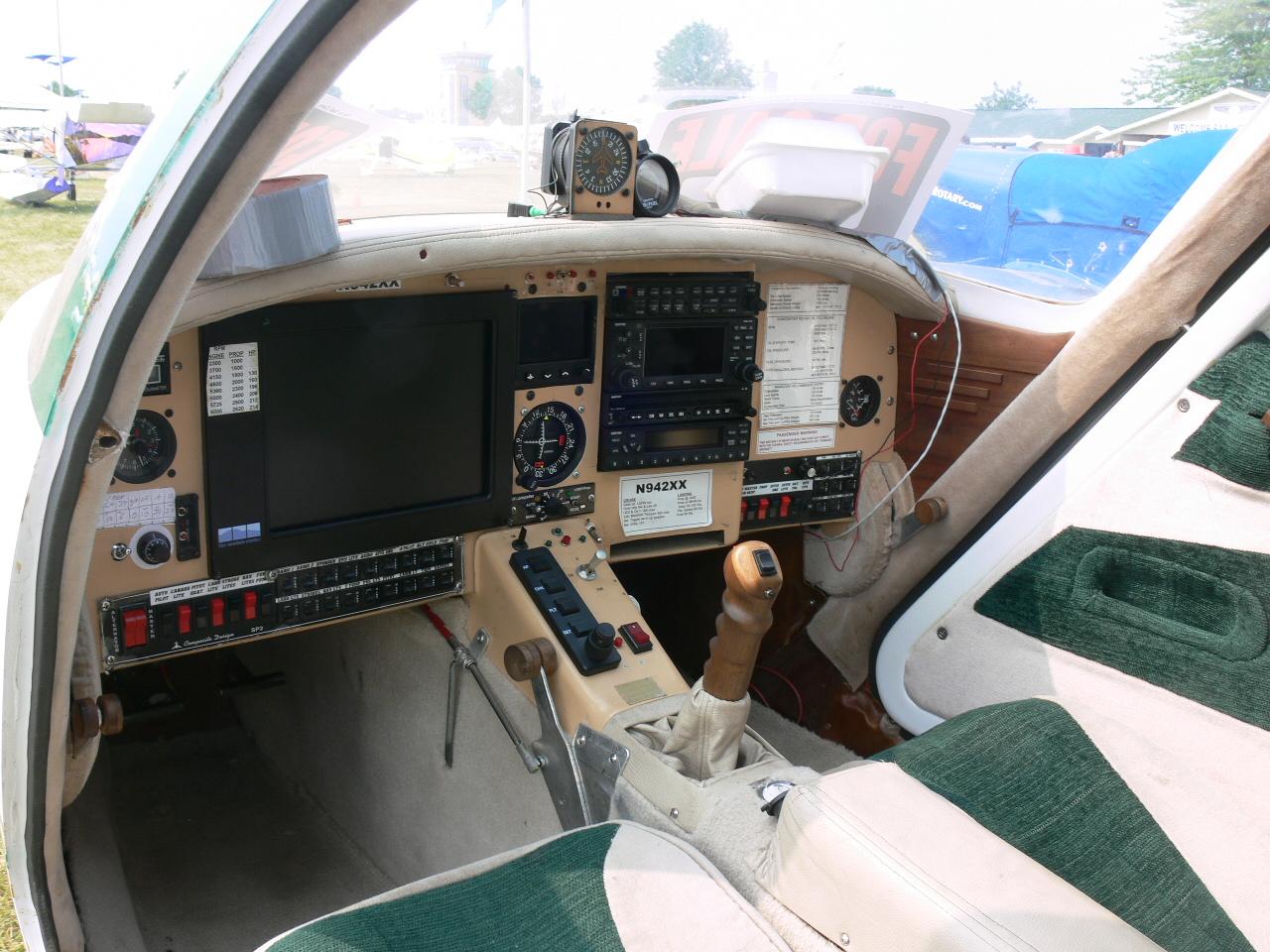
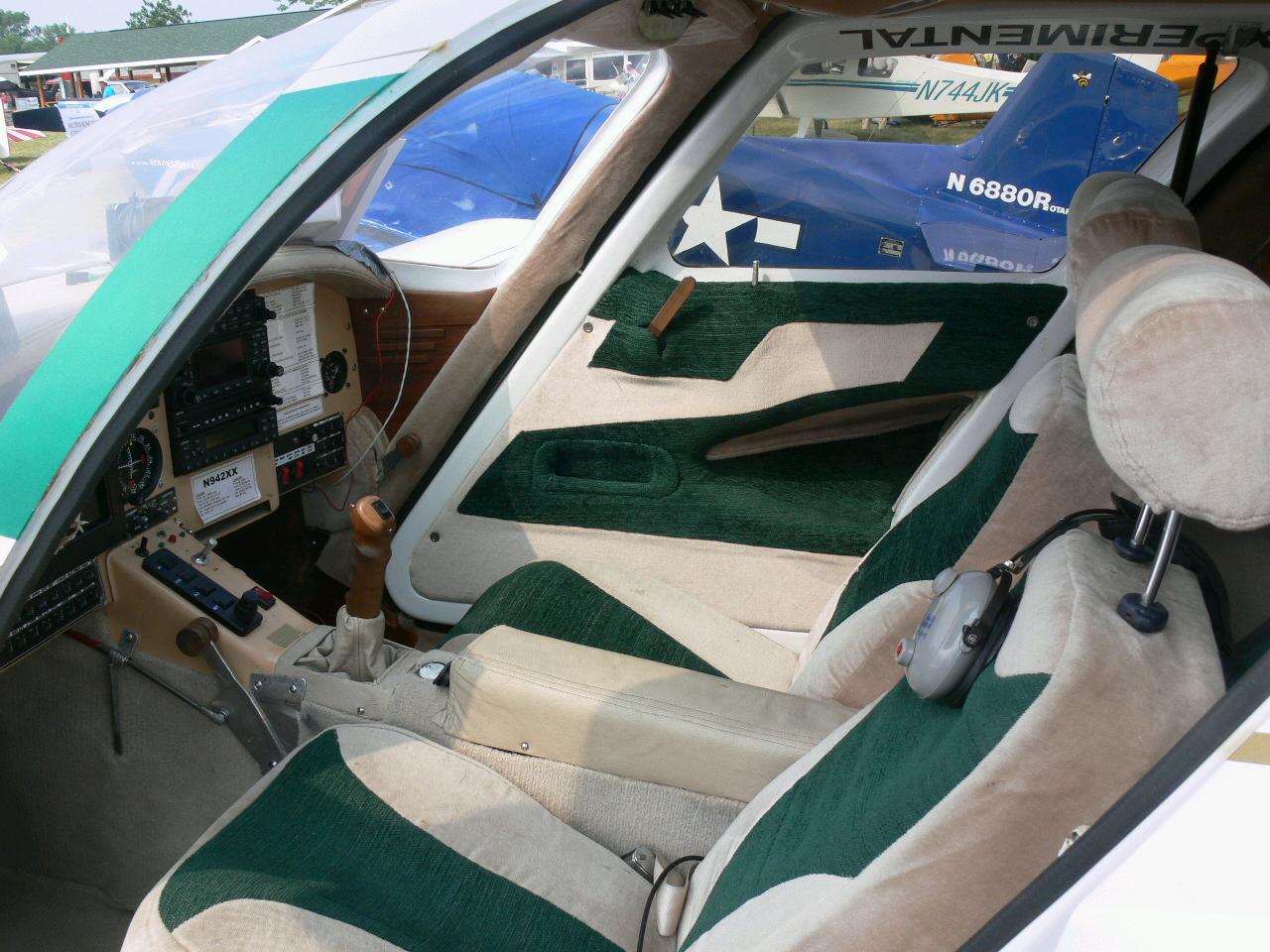
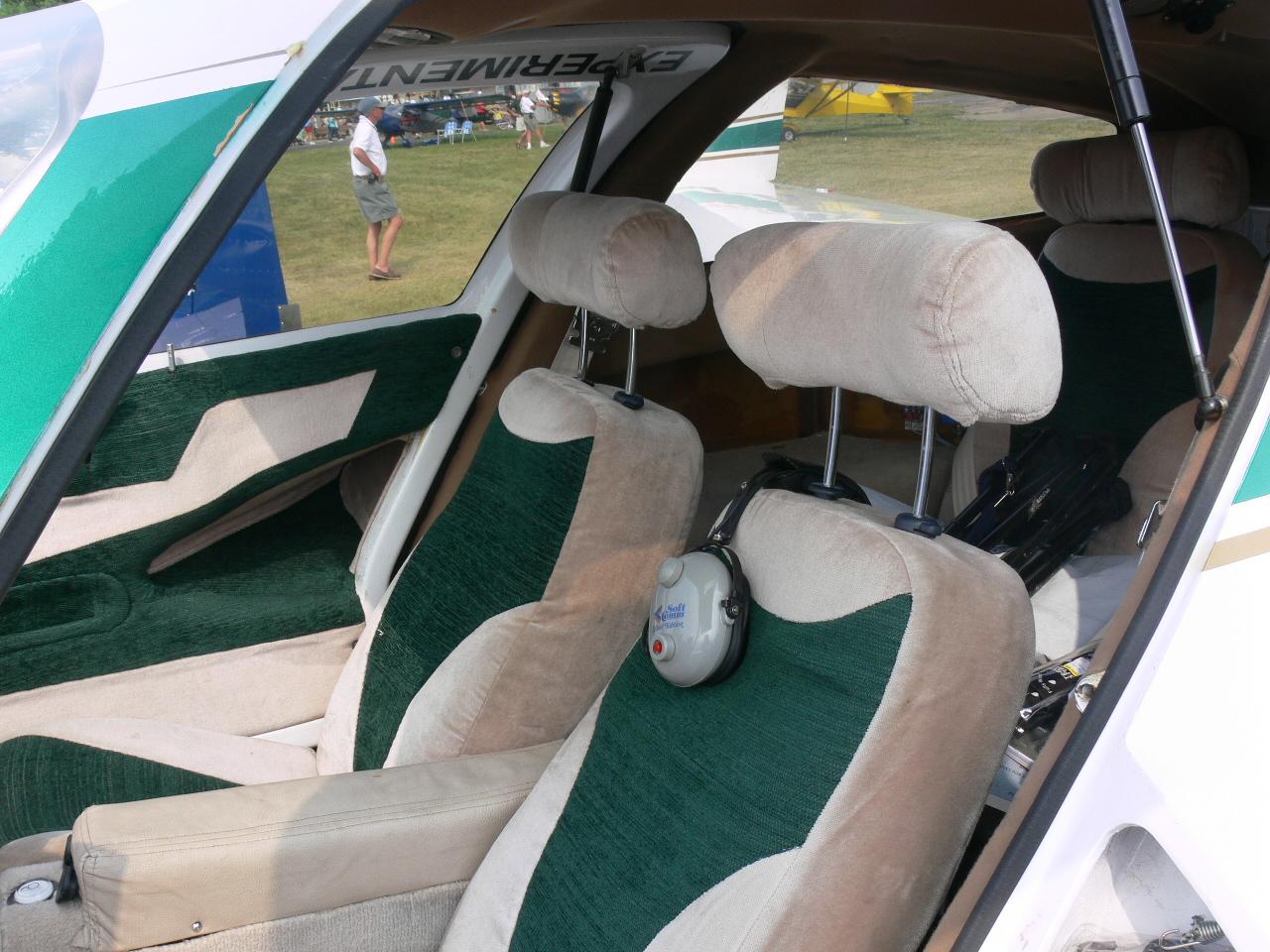
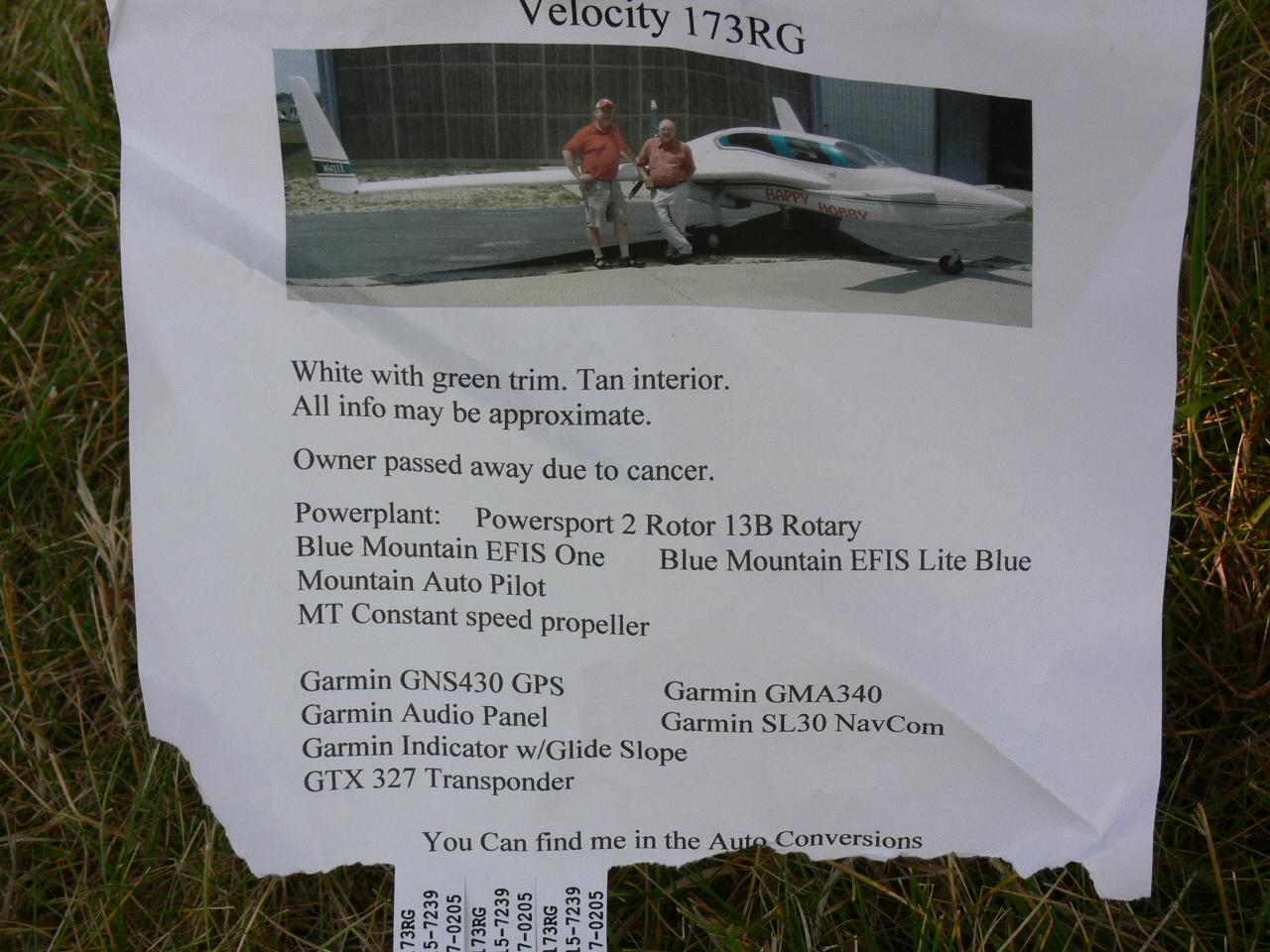
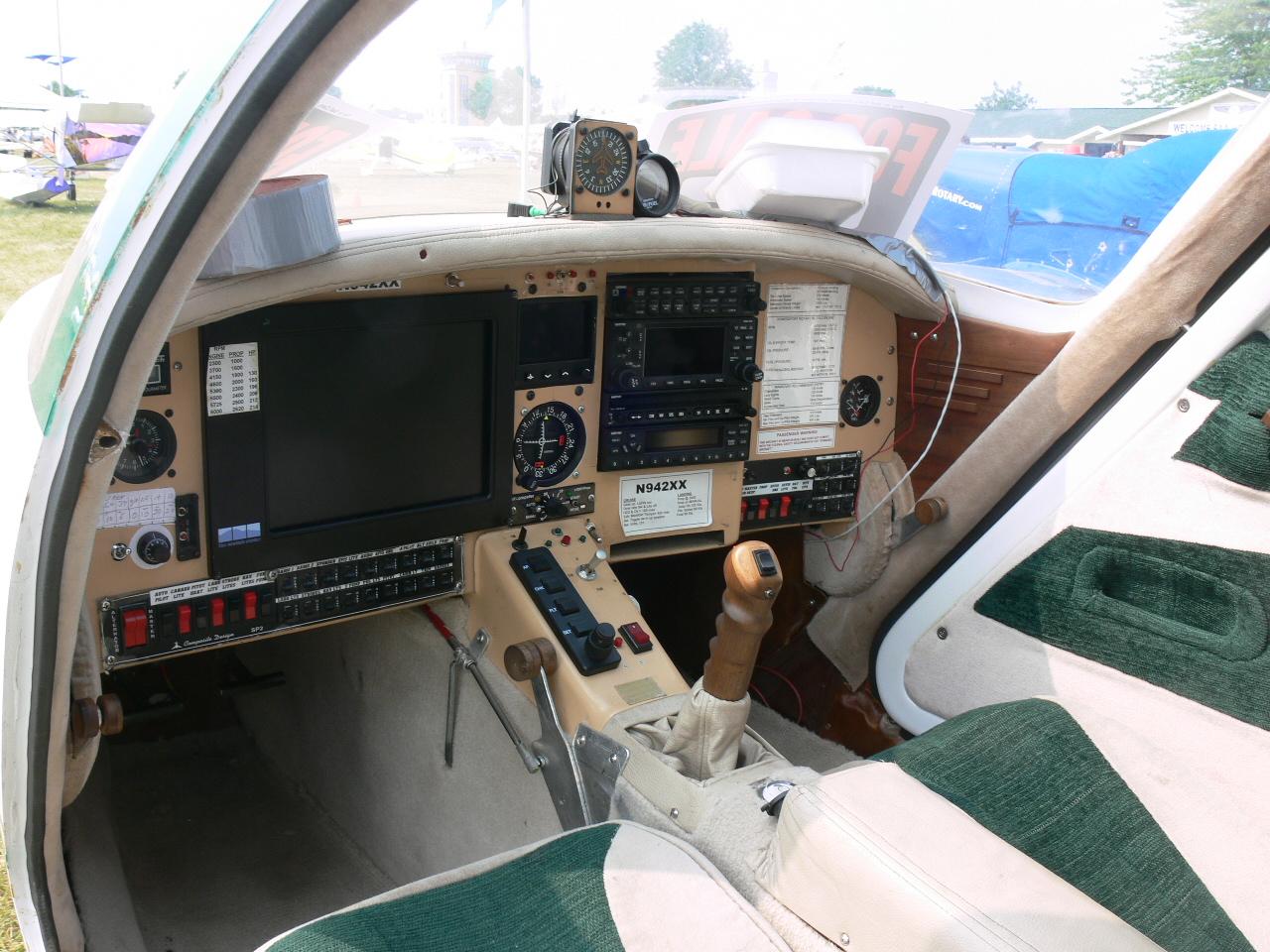
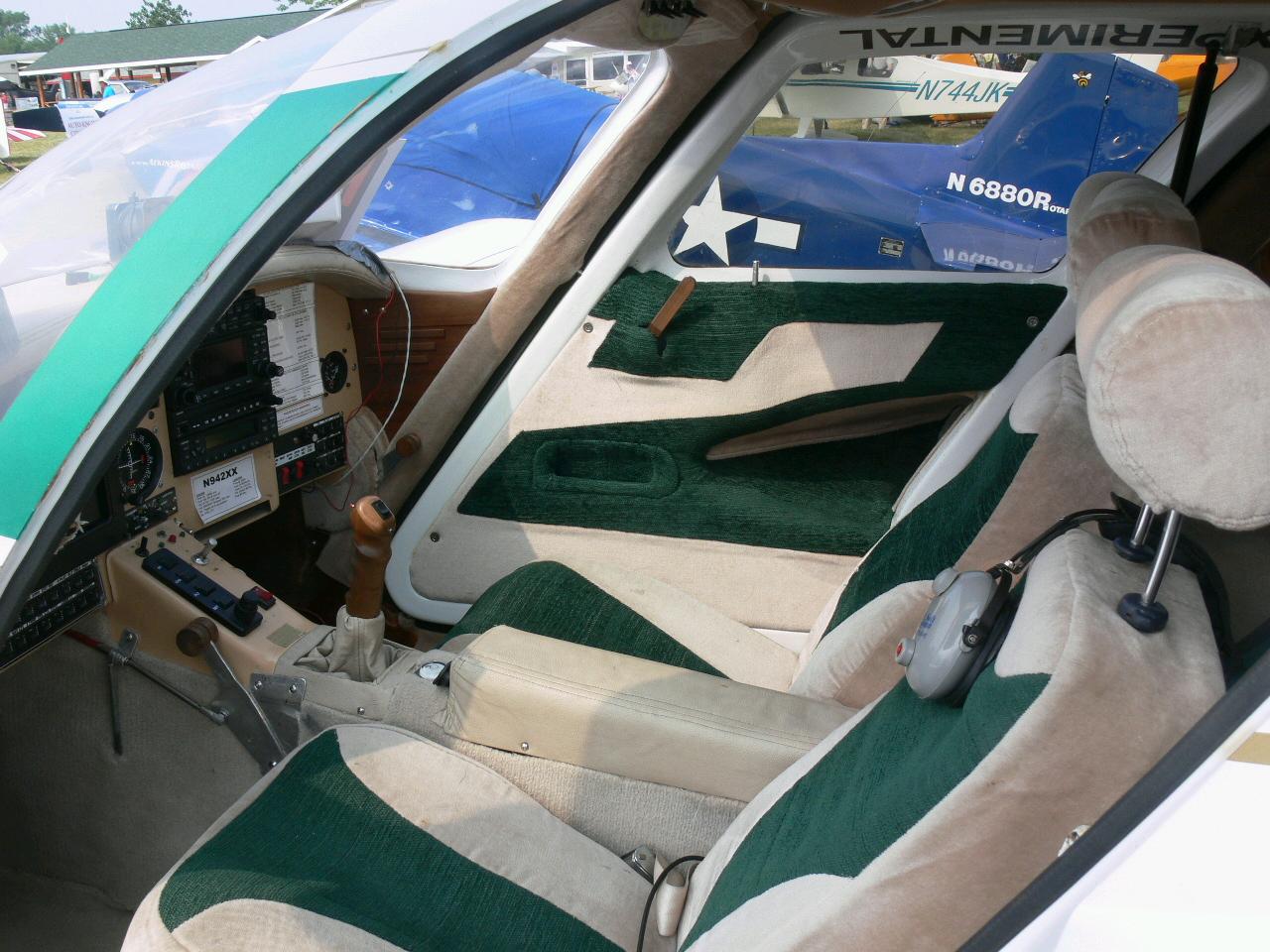
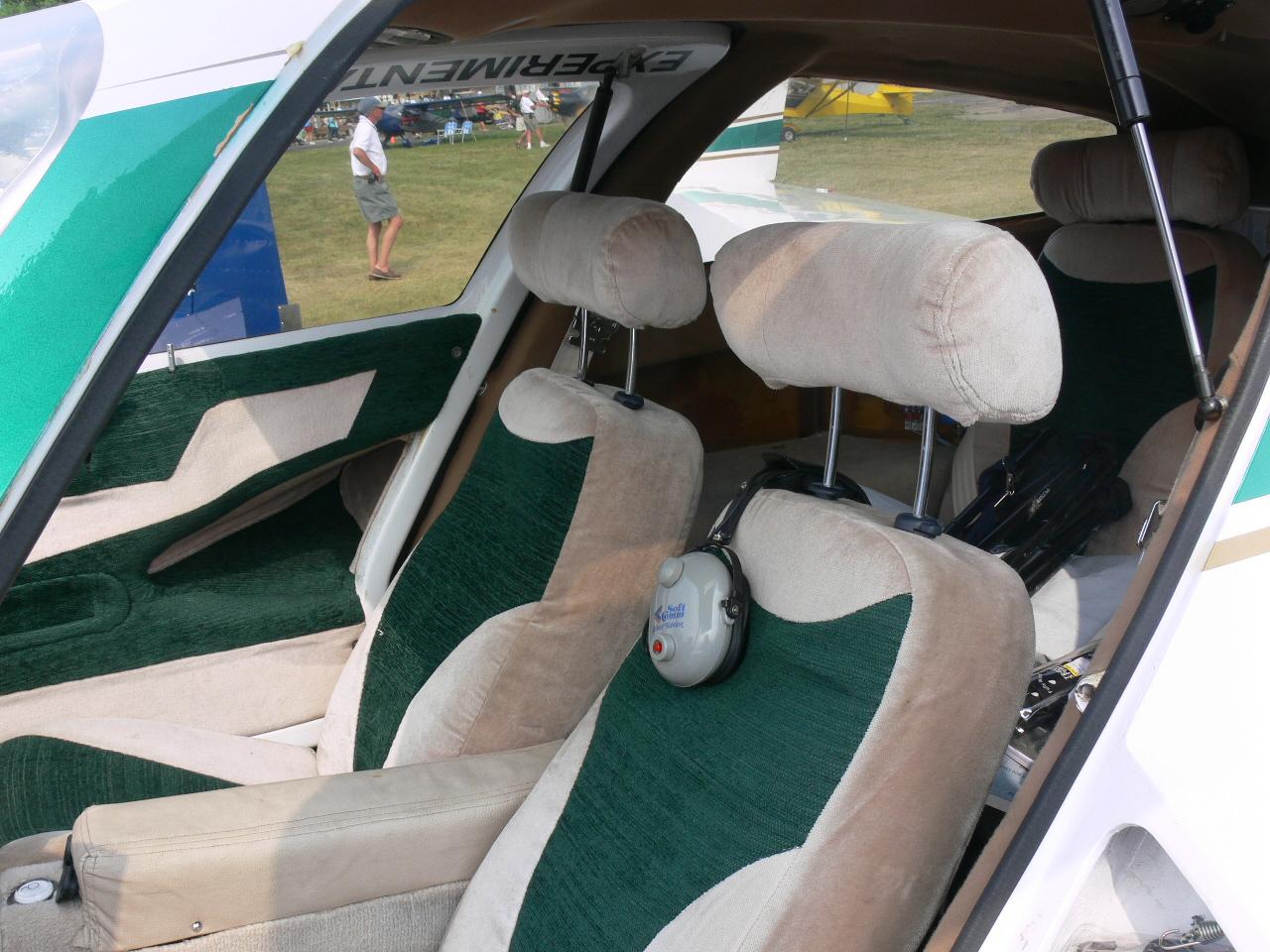
Steve, here is one of your later Power Sport p-port engines in a Velocity.
The pilot went 205 MPH in the 500 mile 2007 Dayton Ohio to OSH air race
in a four place Velocity aircraft. The pilot said if he had known about
the Everette
Hatch $1000 dollar memorial prize for averaging over 220 MPH in a air race
with a rotary
engine he could have gone 220 MPH. He burned 12 gallons an hour which is
not much
for any 215 HP aircraft engine. That is 18 MPG. Don't let anybody tell you
P-ports
burn more gas :)
BTW the prize money is still in the bank.
Paul Lamar ...No rotor no motor.
Now Paul, THAT makes my day.
Who owns the aircraft?
We need to get more of these in the air. Is Raytech Machine (Powersport
Aviation) actually manufacturing and delivering engines/reduction gear or is
it all that work now fallow?
Steve Beckham
If the new Power Sport is not out of biz they sure are dormant.
Raytech of course I am sure is still in biz.
You might find out who owns it by going to
www.happyhobby.com
Here are some more pics.
--
Paul Lamar ...No rotor no motor.
The Rotary Engine NewsLetter. Powered by Linux.
ACRE NL web site.
http://www.rotaryeng.net
Youtube key word UTUBPLEASE
Copyright 1998-2008 All world wide rights reserved.