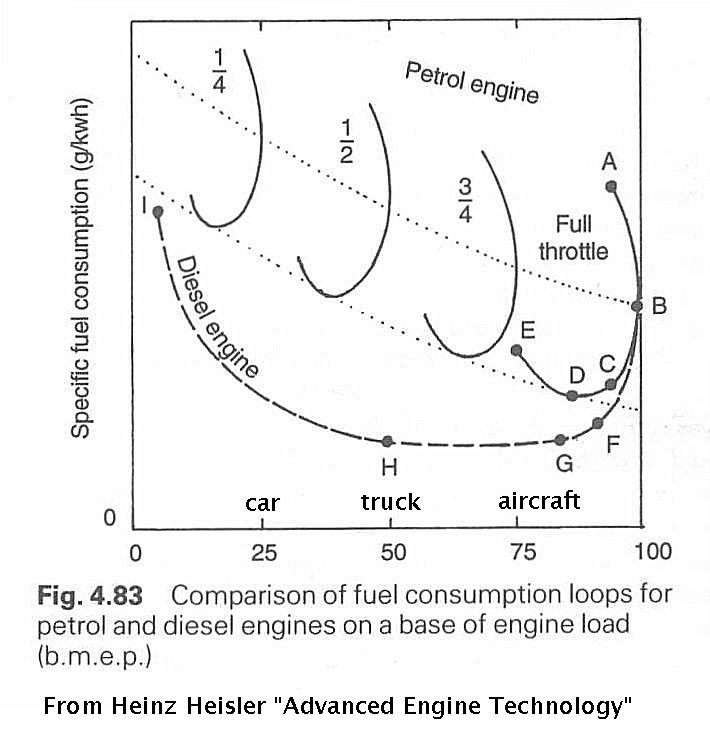
Here is some interesting stuff that pertains
to diesel engines and leaned rotary engines.
It is now well known that aggressively leaning a rotary
engine reduces the fuel burn per HP generated (BSFC) by about
15% or more. A stoichiometric rotary is probably about
.55 BSFC and we have observed about .46 BSFC when leaned
to 18:1 or so. The stock RX8 engine in the RX8 never exceeds the
14.7:1 stoichiometric ratio. Probably for low NOX emission reasons. This is
easily verified by using OBD II software and cable with a lap top
computer. Most people now lean their aircraft rotary engine during
cruise. Mistral even has an auto lean mode. Mazda also
measured .46 on the leaned Lemans P-port engine that
won the 1991 race outright with a fuel quantity limit.
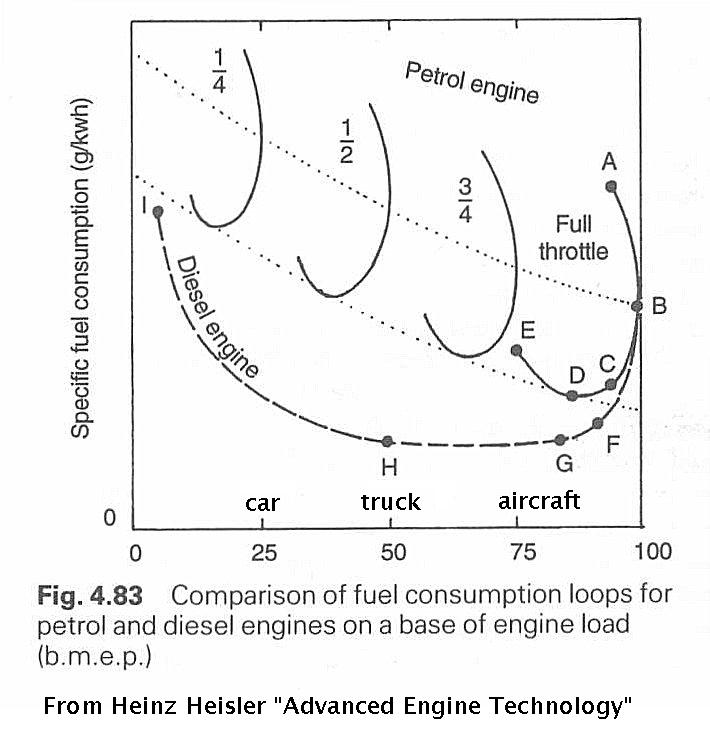
Diesel engines operate extremely lean most
of the time. This is one reason the fuel burn at low to medium power
is so low. Only when accelerating does the diesel mixture become
stoichiometric or 14.7 to one. Unfortunately a rich mixture in a diesel
engine results in black smoke. Big money is now being spent
on trapping the NOX.
"Beginning in 1968, federal standards were mandated for automobiles,
which were annoying to drivers because they cut into performance,
reliability, "driveability," and economy. But by 1970 the redesigned
cars were producing only 30 percent of an uncontrolled car's emissions."
"In 1970 the Congress (which I believe does not include any engineers)
responded to environmental agitation by passing the Clean Air Act, which
required that by 1976, auto emissions be reduced to 10 percent of
existing levels. That doesn't sound very difficult, does it? The
trouble was that Congress didn't require the reduction of the level
of emissions to 10 percent of uncontrolled cars, but to 10 percent
of 1970 cars-which were already producing only 30 percent of the
emissions of uncontrolled cars. 10 Ten percent of 30 percent is 3 percent.
That is tough. To squeeze down to the last little bit of anything
is incredibly difficult."
"In the real world the cost of achieving totality approaches
infinity and increases exponentially. Typically, if it costs a
thousand dollars to achieve 90 percent of something, it will cost
ten thousand to get 99 percent, a hundred thousand to get 99.9 percent,
one million to get 99.99 percent, and so forth. That last bit is
always a back breaker."
"But even that would not have been so bad if the Congress had stuck
to unburnt hydrocarbons and carbon monoxide, which both result from
incomplete combustion processes. So improving combustion by detailed
modifications of major design changes reduces both, but the rub is
the oxides of nitrogen. Decreasing the hydrocarbons increases the
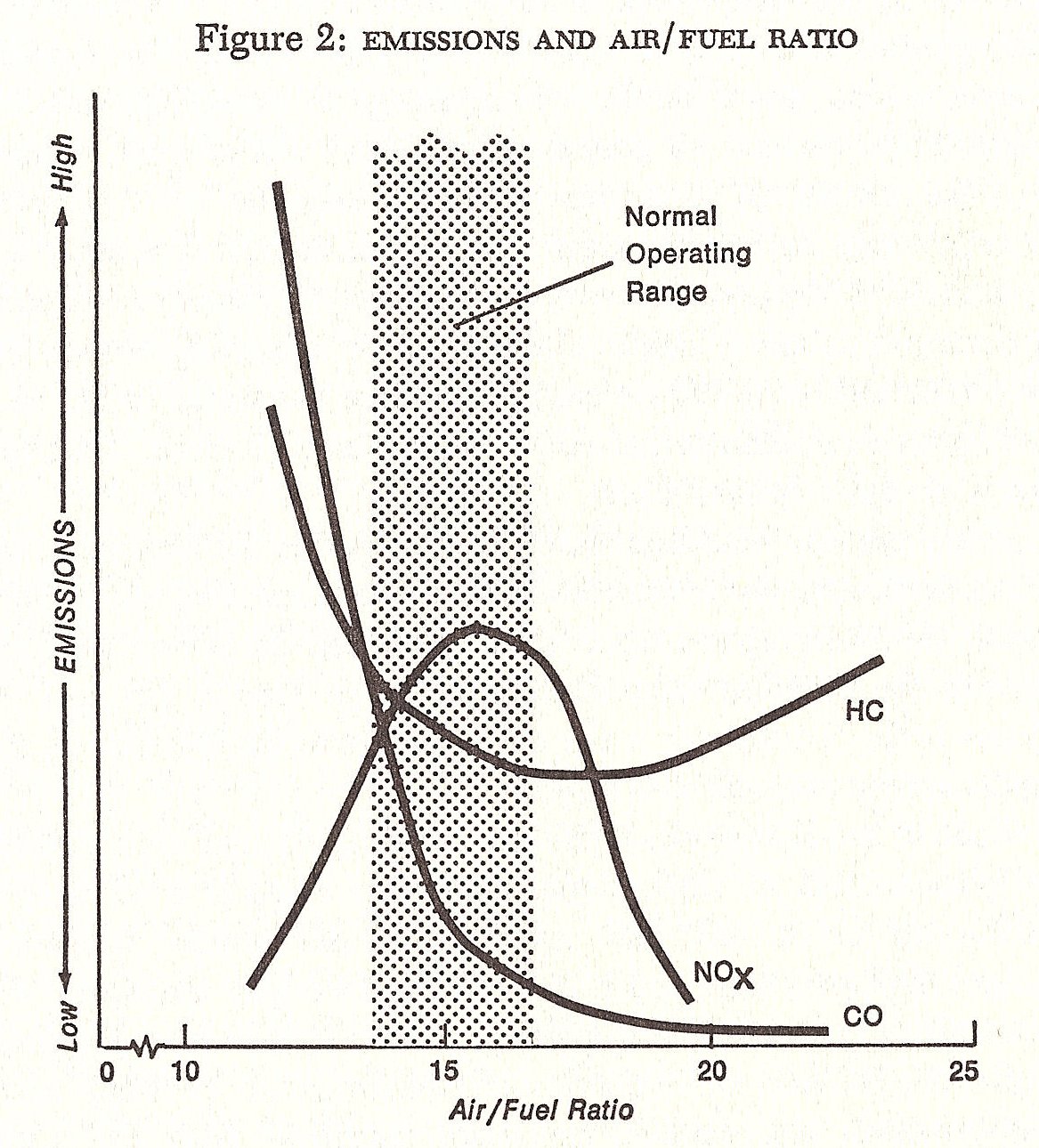
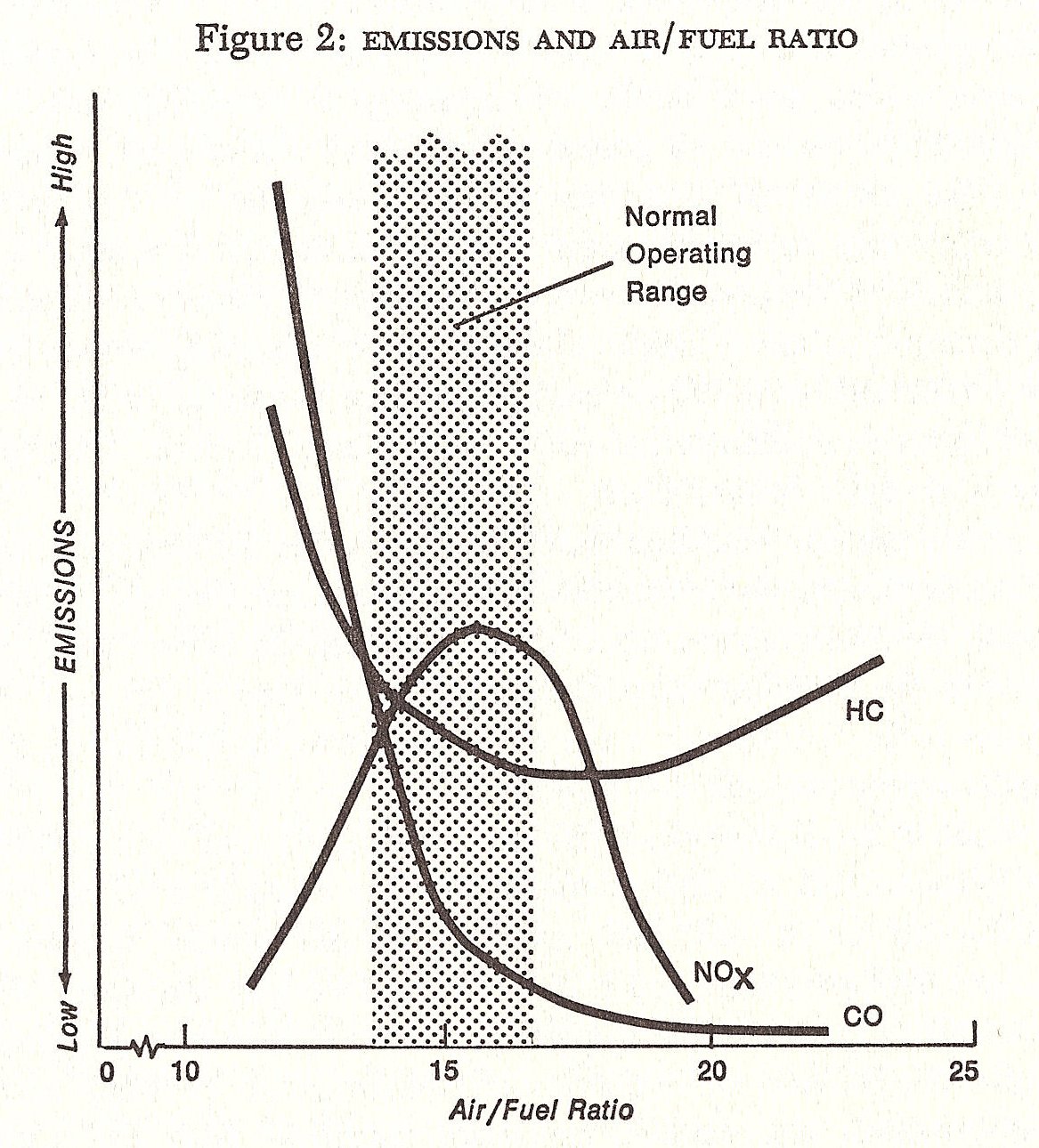
NOX. Look at the chart (Figure 2)."
"This is simple to understand. Reducing HC and CO requires better
combustion to obtain more combination with oxygen, producing harmless H2O and CO2.
But better combustion also results in more combination of nitrogen
with oxygen, producing NOX. The nature of operation of the Otto-type
internal-combustion engine, used in almost all cars in the world,
precludes eliminating both hydrocarbons and NOX. Now the reader may
reasonably ask this question: If the smog is caused by the combination
of NOX and hydrocarbons, why is [was] it necessary to get rid of both of them?"
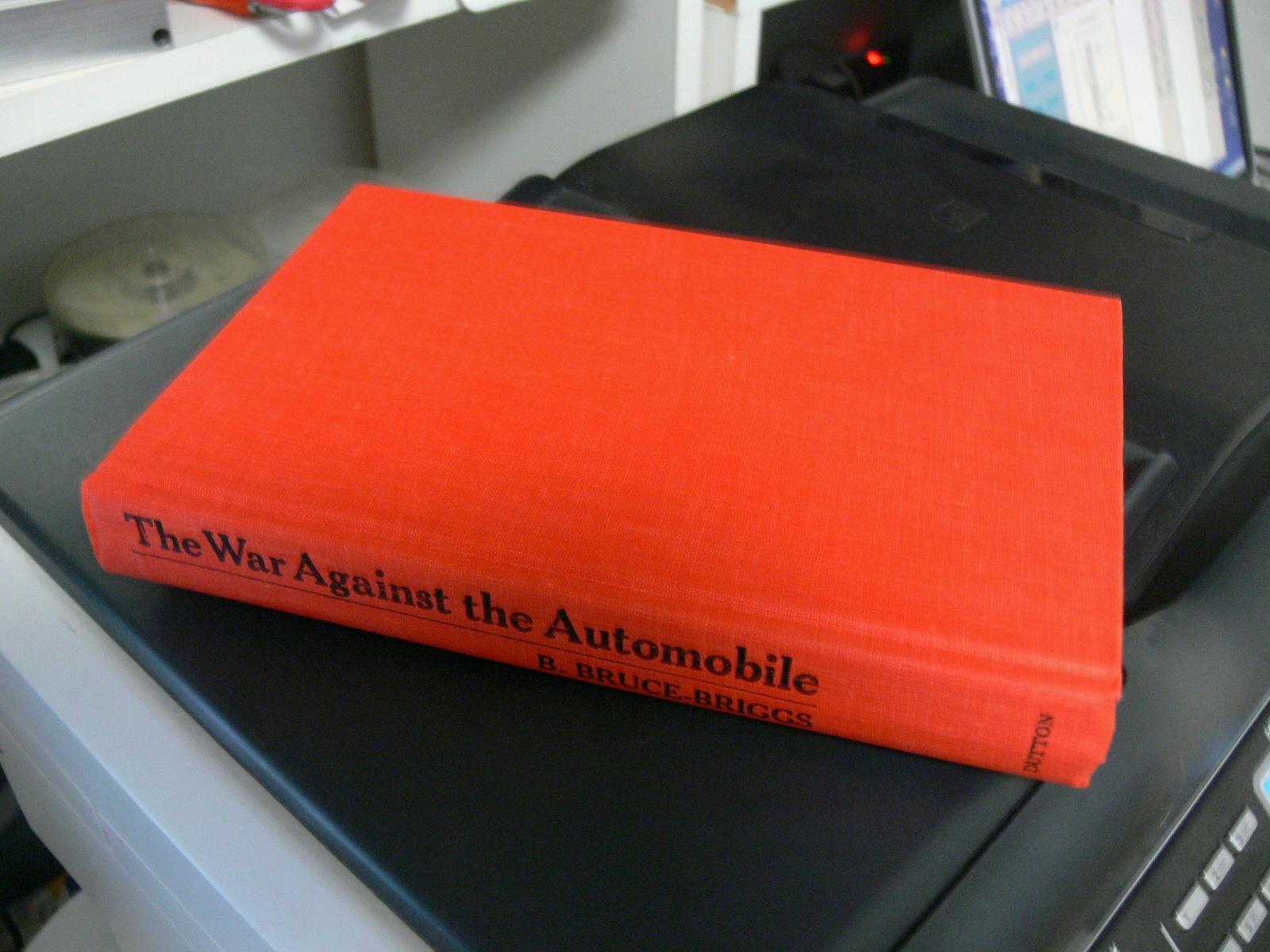
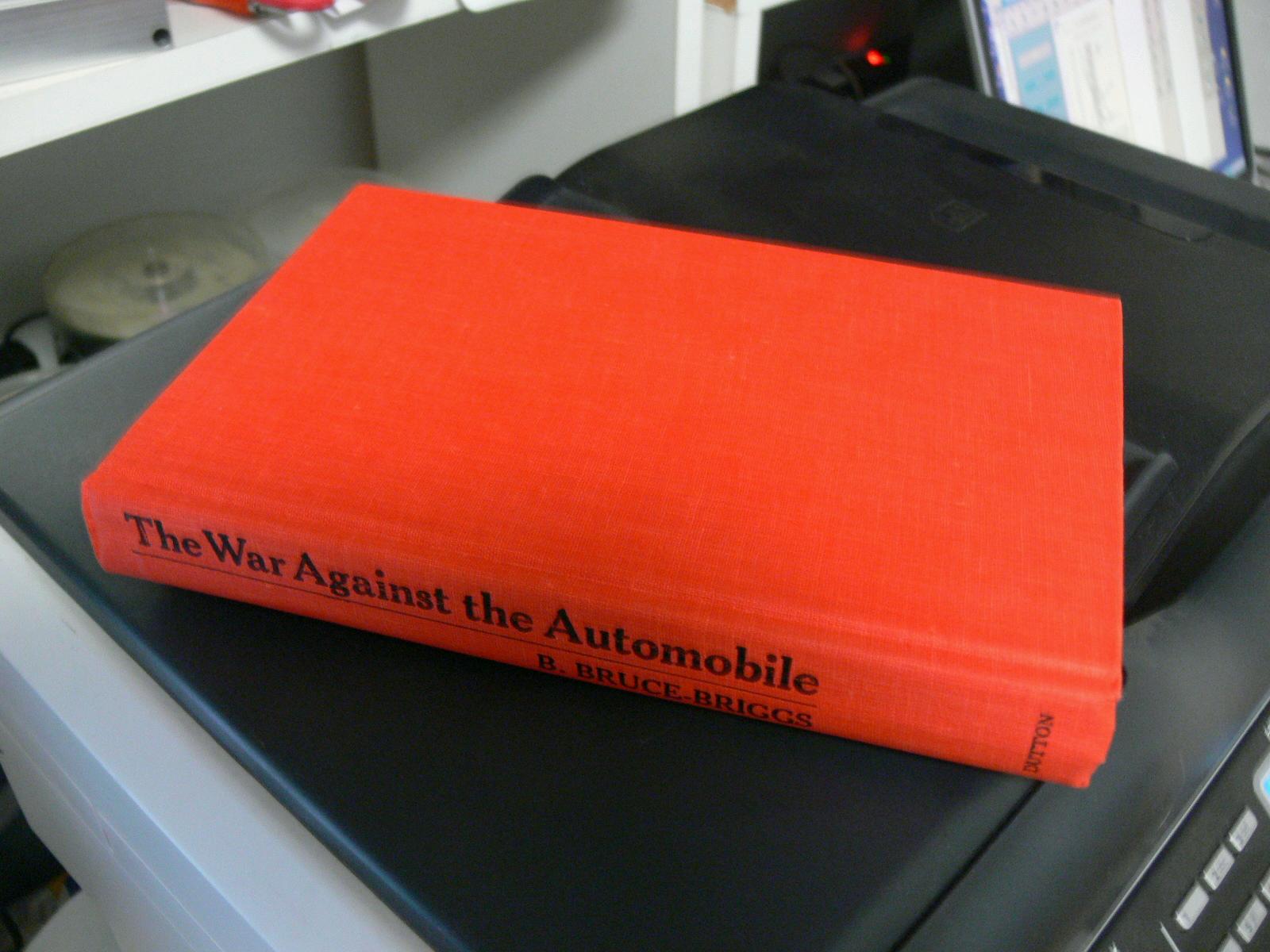
Text in quotes written by B. Bruce Briggs in his book "The War Against the Automobile"
published in 1975 and 1977 E. P. Dutton
--
Paul Lamar ...No rotor no motor.
The Rotary Engine NewsLetter. Powered by Linux.
ACRE NL web site.
http://www.rotaryeng.net
Youtube key word UTUBPLEASE
Copyright 1998-2008 All world wide rights reserved.