Paul,
A fellow SeaWind builder and I both plan on using 300Hp rotary engines
and we are at the fuel system design stage. In trying to understand how
the fuel pressure regulator work, it appears that there exists the
possibility of alarmingly large amounts of return flow under some flight
conditions.
Picture high altitude cruise and a 45psi rail pressure. The main pump
is capable of supplying 30 gal./hour with the engine perhaps only
requiring 15gal/hour. As I understand it, the regulator trades volume
for pressure and reject (returns) unneeded flow to keep the fuel rail at
the user set pressure value. A fuel pressure sensor monitors this value.
In this case it appears that 15 gallons per hour (30 minus 15) ends up
being returned from the regulator. ... And that becomes a major pain in
the butt in the design and as you have shown in earlier illustrations,
the flow must be returned from whence it came. System efficiency is not
so elegant either because we are expending energy to pump fluid in a
circle. With the booster pump on the return flow amounts can be greater,
even if the engine is under full power.
Yes I know the solution is to PWM control the pump so it only pumps a
wee bit more than is needed at any given moment and perhaps the return
line then can then go to the three gallon sump/header tank.
To illustrate the problem to my friend I am looking a worst case scenario
amount of by pass flow in gallons/per hour. Have any ideas?
Thanks
Doug in Japan
Correct. I think you will need the fuel sump tank in the cowl
to return the flow too... fed by low pressure pumps from each wing tank.
There are at least three ways of doing that.
A. The sump tank is pressurized to a low pressure. Built strong!
B. The sump tank has a cut off float valve like a carb.
C. A float switch that shuts off the low pressure pump
when the sump tank is full.
--
Paul Lamar ...No rotor no motor.
Paul,
Thanks for the advise.
This high tank concept is interesting because it effectively removes sump
tanks, filters, and pumps from within the hull of the airplane. Amphibs
are bathtubs that can fill with gasoline fumes. Already two owners have
been killed of asphyxiation while working inside the hull of their
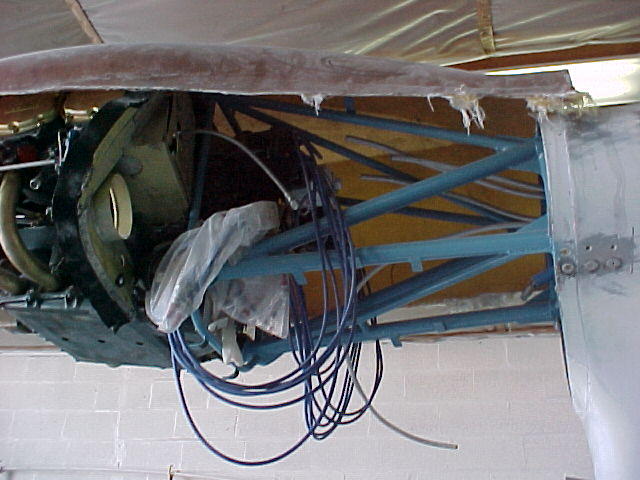
airplanes in the hanger. A tall skinny three gallon tank would fit
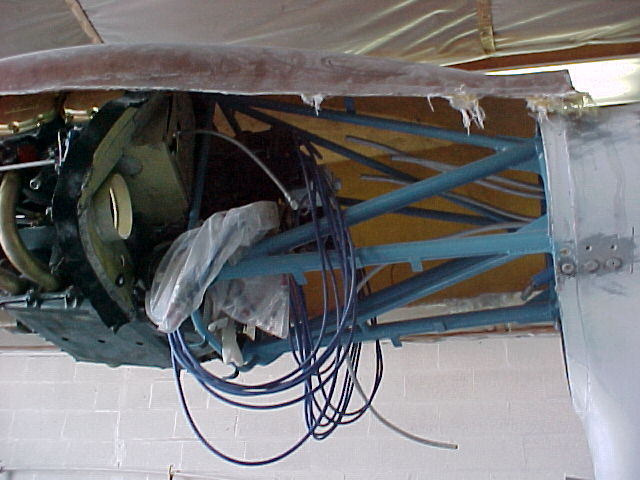
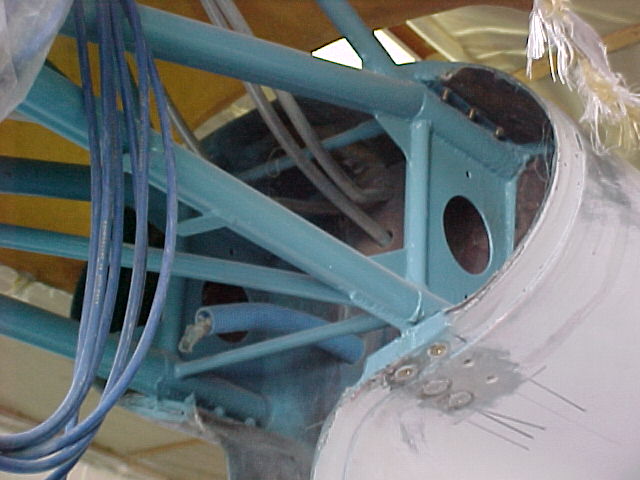
nicely with-in the engine mount frame and its drain or sampling cock
could be accessed from under the cowling.
Your points and my comments:
A. is interesting if there is a small return pipe with an orifice to vent
of air and perhaps return a minuscule amount of fuel.
B. Float valves and sliding magnetic sensors are mechanical and tend to
stick sometimes if their orientation is not perfectly vertical in my
experience.
C. Is easy to do but requires perhaps an electronic sensor optical or
ultrasonic or wetted conductive, would be more reliable. Downside are
more failure points like electronics and relays.
Good point is when the relays fail you know you only have two gallons and
it is time to find somewhere to land:)
Interesting concepts. I`ll give it some more thought.
I think the pressure pump that supplies the fuel rail, whether mechanical
or electric will still be causing a large amount of fuel to return to
the small tank except now the circuit is quick and heat sink (fuel)
small. The fuel will quickly heat up. No free lunch huh? Perhaps if
the stainless tank is in the outflow of air from the heat exchangers
that will help cool it off.
If electric it should be PWM, if mechanical it should have a built-in
bypass valve set with spring pressure slightly above the desired rail
pressure. The regulator would then become redundant if the pump spring
loosened.
Cheers
Doug
Make the aluminum sump tank tall and skinny so the heat dissipation will be good.
Fins on the inside as well as the outside would help. Two of these double sided heat
sinks about 18 or 24 inches inches long tig welded back to back would work. See the pdf.
There is another possibility on venting the sump tank
but it might require a remote electric valve. If two vents are used back to the wing
tanks when the sump tank is full fuel will flow out the vent line
back to the wing tank. The question is: which wing tank?
You might need a valve to select the correct wing tank. It could
operate off the same switch that selected the low pressure pump.
I am fully open to other configurations. Put your thinking caps
on guys.
--
Paul Lamar ...No rotor no motor.
The Rotary Engine NewsLetter. Powered by Linux.
ACRE NL web site.
http://www.rotaryeng.net
Youtube key word UTUBPLEASE
Copyright 1998-2008 All world wide rights reserved.