"The most recent charge is that the automobile is devouring
irreplaceable world resources, particularly fuel. This accusation
has developed from the Arab oil boycott and the "energy crisis"
of the winter of 1973-1974. If we are to believe many of our
scientists, journalists, and politicians, the earth is rapidly run-
ning out of most raw materials, and the continued use of the
automobile is a major contributor to bankrupting the whole
world and leaving our grandchildren in penury."
"If we continue at the current pace, the resources will be ex-
hausted in, say, fifty years; if we accelerate our usage at the rate
we have in the past, they will last, say, only another thirty years.
This kind of calculation is the basis of neo-Malthusian argu-
ments. The projections are fraudulent."
"It appears that the easy oil has already been
found, and it is probably true that any new oil will be much
more expensive than the oil already found. Exploring, drilling,
and extracting oil from places like the North Sea is much more
costly in every way than taking it out of Texas or the Persian
Gulf. So as we reach for more and more oil the price will rise
higher and higher. All this is true, but almost entirely misleading.
Oil is cheaper now than it was in the past."
"An early promoter named John D. Rockefeller
put all the oil companies together into the Standard Oil Company
of New Jersey, an organization that has been regarded as the
exemplar of a predatory monopoly. [Bill Gates owns a higher percentage
of the US gross national wealth than John D ever did.] It has almost been
forgotten that as a result of his operations the price of oil steadily dropped
throughout the period that the trust was intact. Standard Oil was
broken up in 1911, and World War I followed shortly thereafter,
greatly increasing the demand for oil, so the price went up
precipitously. In the early 1920s there was widespread specula-
tion that the world would run out of oil, so prices increased, and
the prospectors went out and found more petroleum in such
places as the Oklahoma oil fields that creHted the famous Indian
millionaires. From the 1920s through the late 1960s, the relative
price of oil dropped-that is, although the nominal price in-
creased slightly, it did not rise as rapidly as other prices, or as
much as consumer income."
"The current high prices and potential shortages do not result
from the exhaustion of oil resources. The real problem is a
formidable new cartel, not of companies, but of governments.
The Organization of Petroleum Exporting Countries, formed in
the early 1960s, did not become a serious force on the interna-
tional scene until the early 1970s, when it took advantage of the
unstable political conditions in the Middle East to pull itself
together under Arab leadership and run up the price of oil. If
OPEC should fall apart, prices would plummet back to low
natural market levels. And there is indeed every reason to expect
that OPEC will come undone. History indicates that cartels are
very unstable. This requires a bit of explanation. A cartel is a
very sensible organization; it is in each member's interest to co-
operate with the cartel to keep the price up. But higher prices
reduce demand, so production must be cut to maintain them. But
every member of the cartel is seriously tempted to keep up full
production to maximize his income-so everybody cheats. And
since everybody knows that everybody cheats, the cartel falls
apart. The principal reason that OPEC has not yet collapsed is
the vital role played by a single country, Saudi Arabia, which
keeps OPEC together by seriously restricting its own production.
Unlike the other members of OPEC-such as Iran, Iraq, and
Algeria, who have major commitments for economic develop-
ment or defense-Saudi Arabia is a very small country with a
feudal government having very few ambitions other than main-
taining a traditional Moslem society under the Saudi dynasty. It
can afford to make the necessary sacrifices to preserve the cartel."
"In Saudi Arabia, oil can be extracted for less than twenty
cents a barrel (42 gallons) and shipped to the United States by
tanker for about $2.00 a barrel."
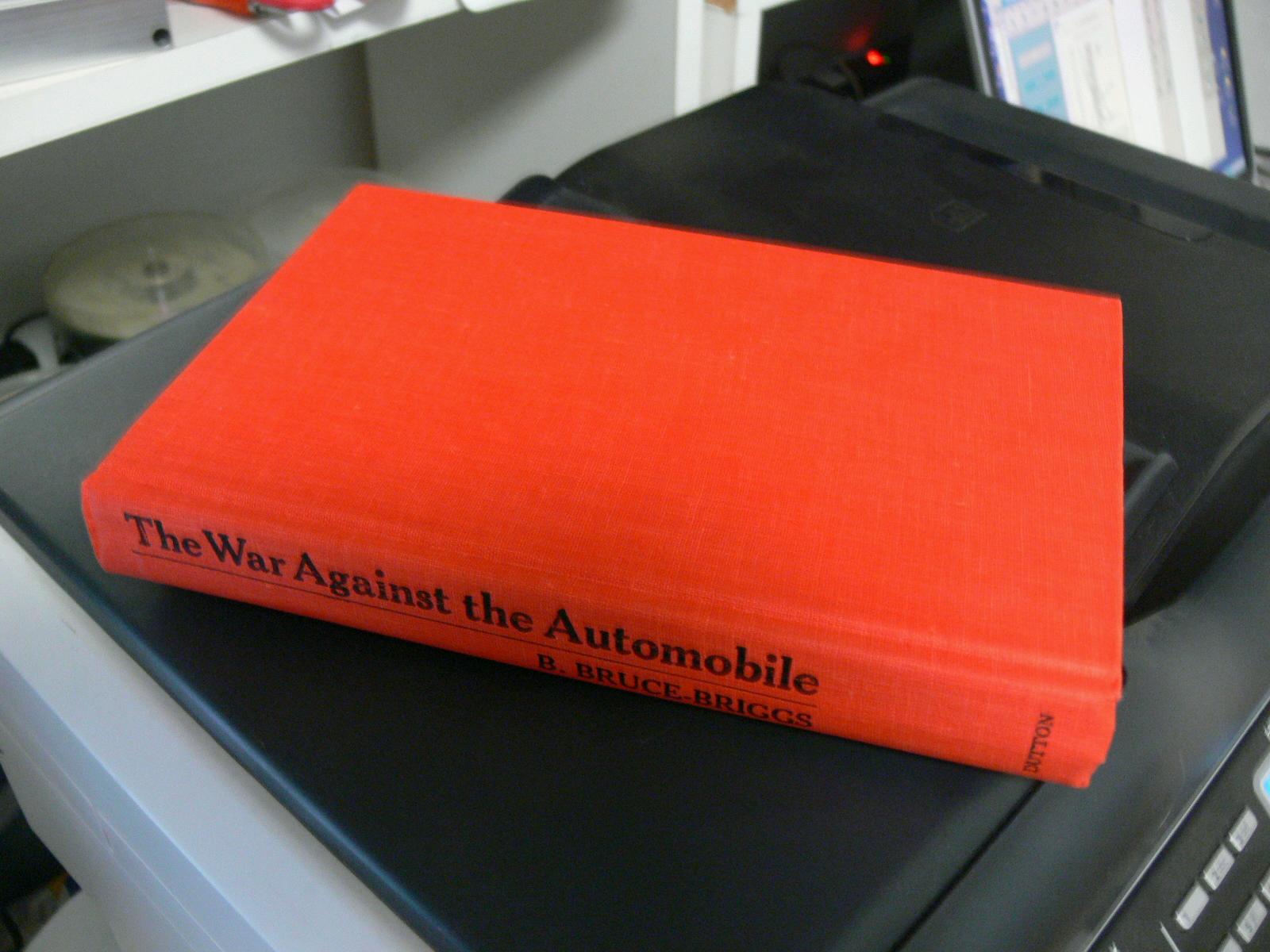
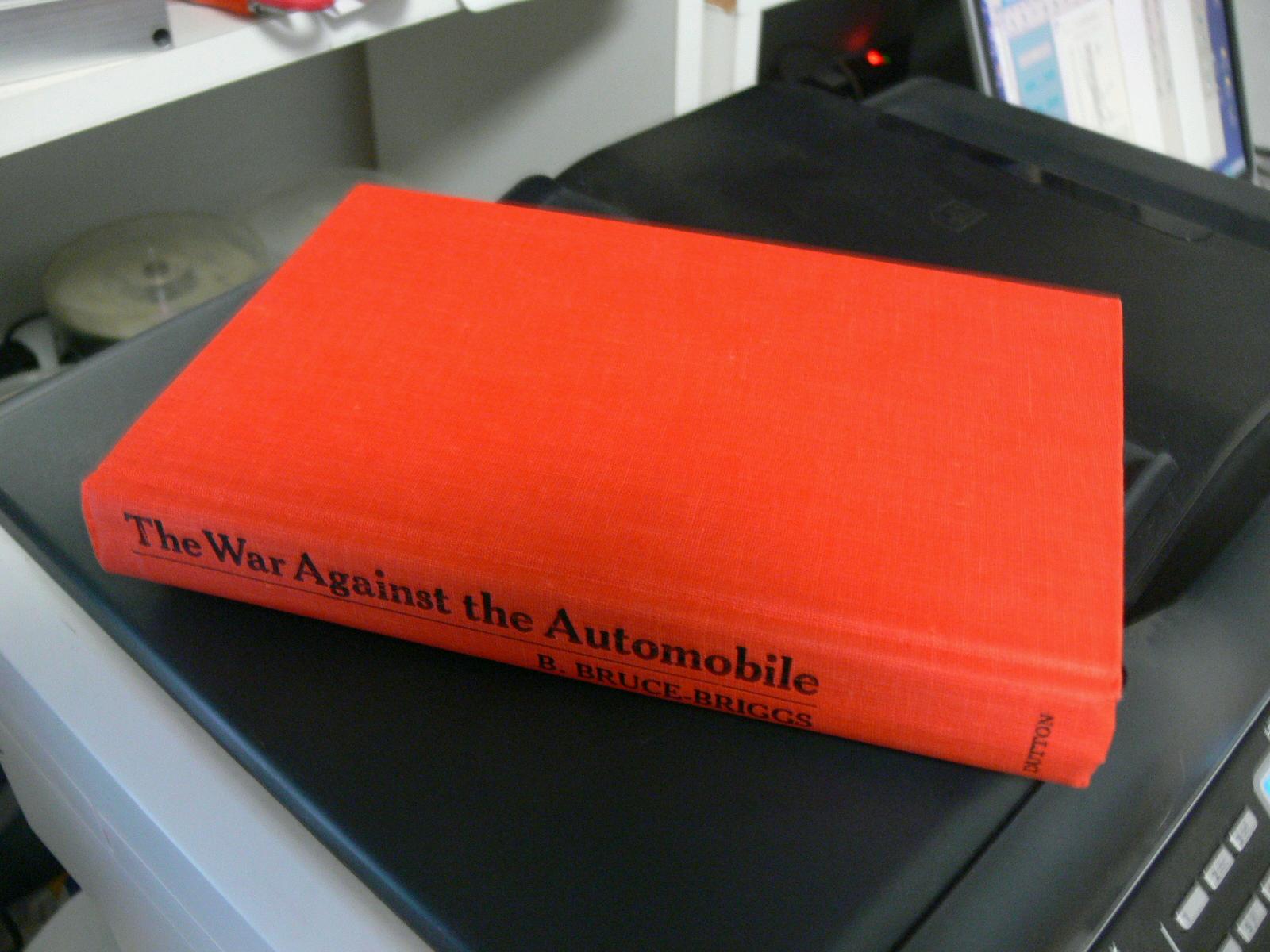
Text in quotes written by B. Bruce Briggs in his book "The War Against the Automobile"
published in 1975 and 1977 E. P. Dutton
--
Paul Lamar ...No rotor no motor.
The Rotary Engine NewsLetter. Powered by Linux.
ACRE NL web site.
http://www.rotaryeng.net
Youtube key word UTUBPLEASE
Copyright 1998-2008 All world wide rights reserved.