Paul,
The lightest most elegant system in my IMHO be cable activated manual
ball valves in the wing roots on the port and starboard wing tanks
gravity feeding through 1/2 INCH lines into a 3 gallon tall skinny sump
stainless tank located in the mid bottom of the hull. The tank`s
removable top could be sealed and contain the pumps and their 3 into 1
manifold as well. Only one line comes out of the tank. The tank is
vented with a line up into the tail and sees ambient air
I doubt a mechanical pump can pull the fuel up 6 feet as well as
pressurize it to 45 to 60psi rail pressure. Pumps tend to excel in one
function only whether that is push or pull. To do both it would become
quite large to compensate. Electric pumps, especially in the sealed
sump tank could push all the way up to the engine and pressurize the
rails. They could be redundant. For instance. Main, boost and back-up.
Again 3 into 1 manifold.
Tanks could be selected as right, left or both. Both off is an emergency
and it isolates the fuel at in the wings. The challenge of course is
where does the bypass fuel go to. Perhaps we need to find a more
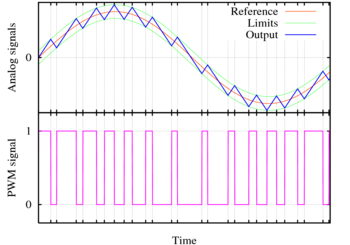
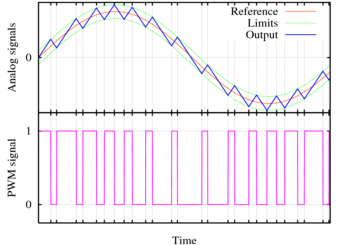
sophisticated fuel pressure regulator or PWM (Pulse width modulate) the
pump with the ability to bypass the electrical chopping functions. PWM
assures the pumps operate only as much as the injectors require or a bit
over. FET switches handling only a few amps are super reliable.
Doug Fir
The by pass fuel can go back down to the sump tank.
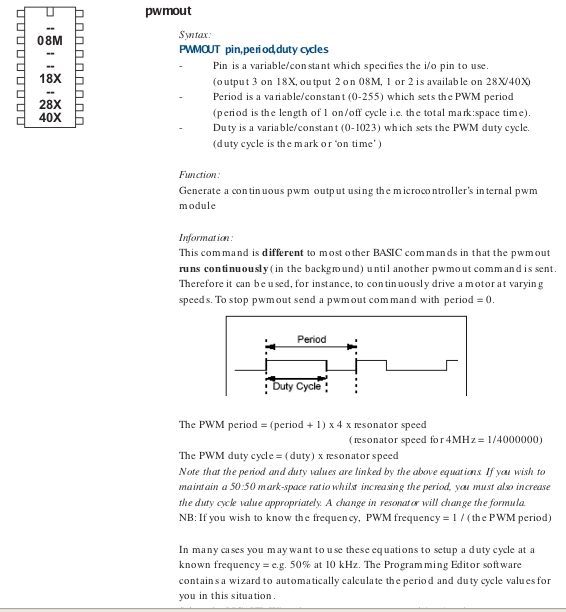
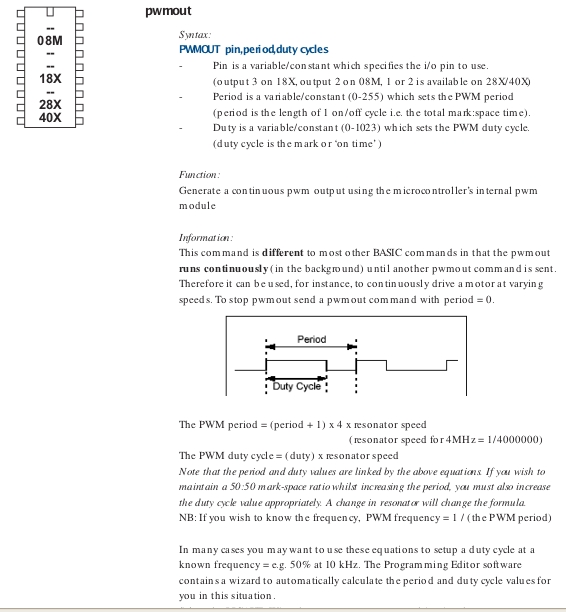
If you go to all the trouble of building a PWM high pressure pump that can become the
whole and complete injection system. No need for six expensive solenoid fuel injectors.
Just use six nozzles. No return flow.
Fuel injection in an aircraft engine does not have to be timed.
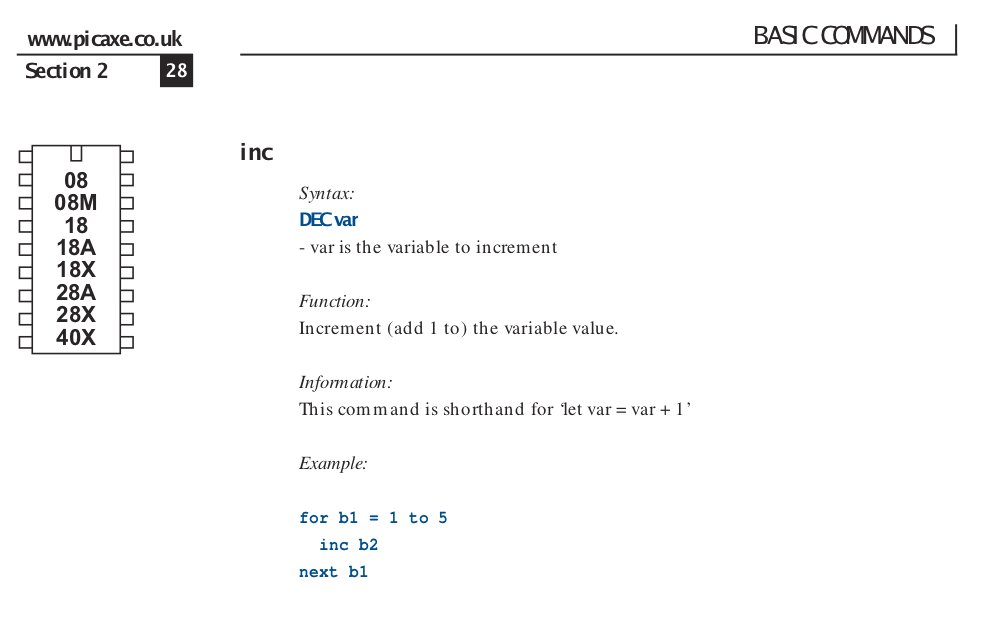
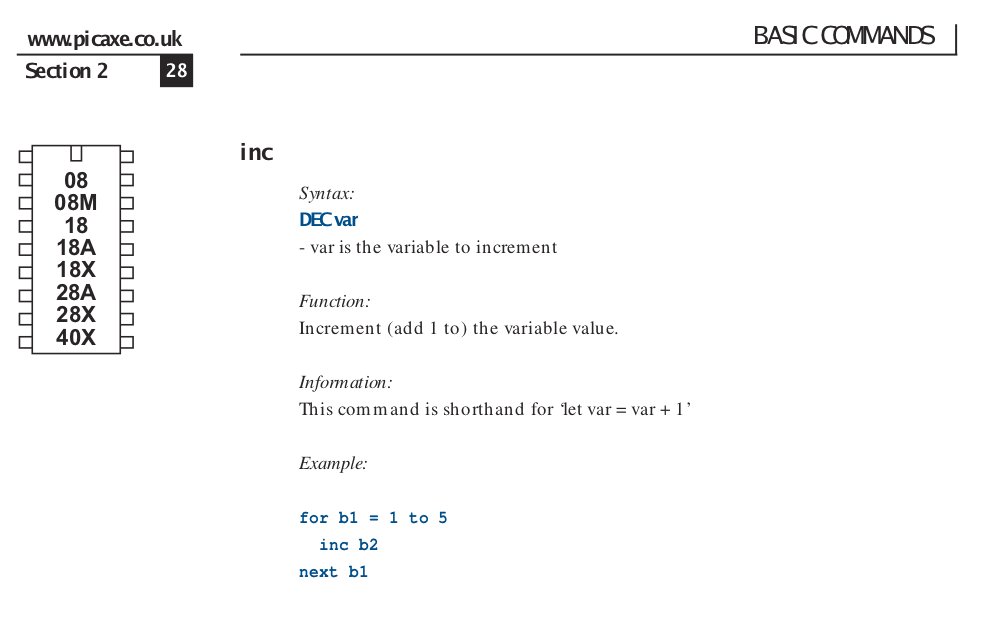
The PicAXE BASIC program controlling the PWM pump is
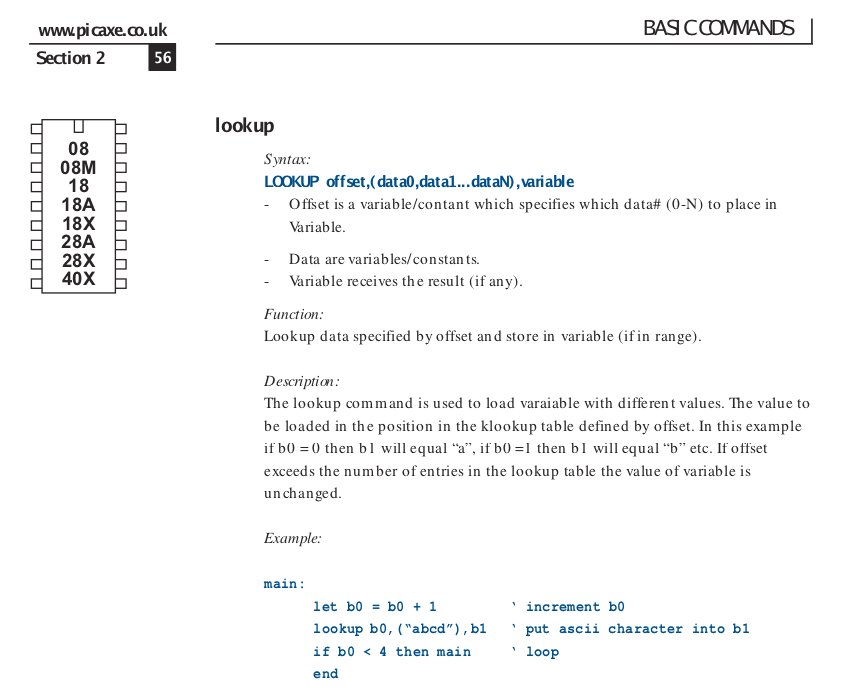
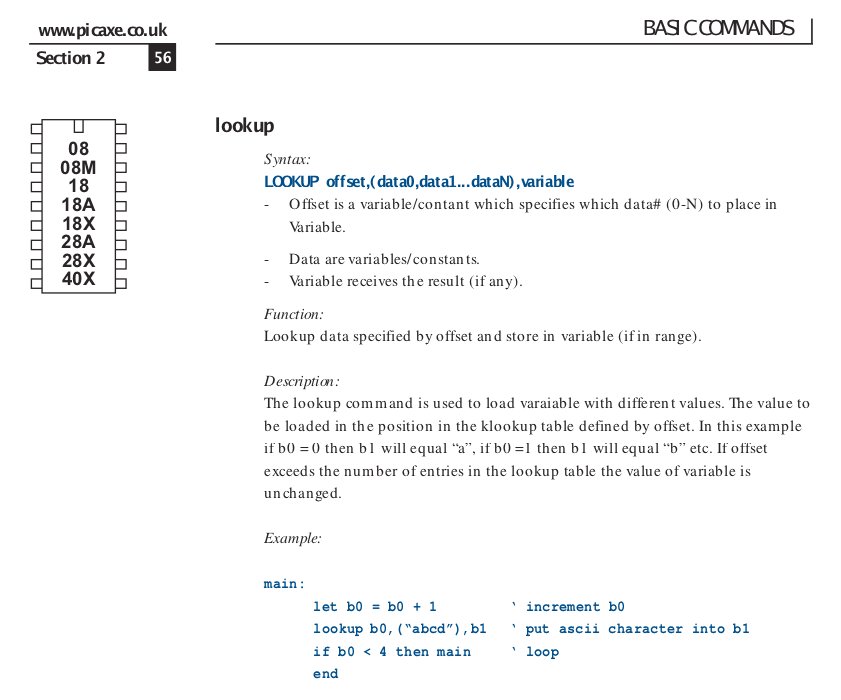
super simple. You take in RPM and manifold pressure subtracted from 15.00
and add those two numbers together and that is the address of a specific pulse
width stored in memory and that PW is then sent out to the PWM high pressure pump.
That is called the look up table technique. The leaning pot decreases the
number and the pulse width. Basically what Tracy is doing but he controls
four or more separate injectors..
The whole works can be simulated with QB running on a PC under
the command line. I have QB and it can be emailed. Takes a bit of effort to
learn unless you already know how to program in BASIC. Most pre teens can
learn. This is a back of the envelope sized program.
--
Paul Lamar ...No rotor no motor.
The Rotary Engine NewsLetter. Powered by Linux.
ACRE NL web site.
http://www.rotaryeng.net
Youtube key word UTUBPLEASE
Copyright 1998-2008 All world wide rights reserved.