> Today I flew from San Diego to Brownville Texas to attend a formation
> flying clinic. After 6 hours of WOT flight I was descending through
> 5000' (down from 15.5k) an just a few miles from the airport when I
had
> a sudden and sickening drop in manifold pressure. The engine was still
> running fine, and I had plenty of altitude to make the runway, so I
> continued on debating weather or not to flip the turbo oil shutoff
> switch. I had grown to respect this turbo so much that I finally
> decided that I had just blown out a fitting somewhere in the intake
> system downstream of the turbo. I even continued on to a low pass for
> show rather than just landing. When I eventually had time to take off
> the cowl I was disappointed to find that all the fitting were in place
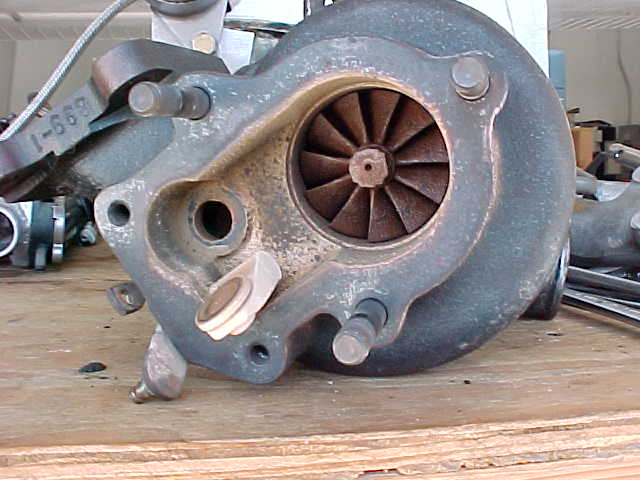
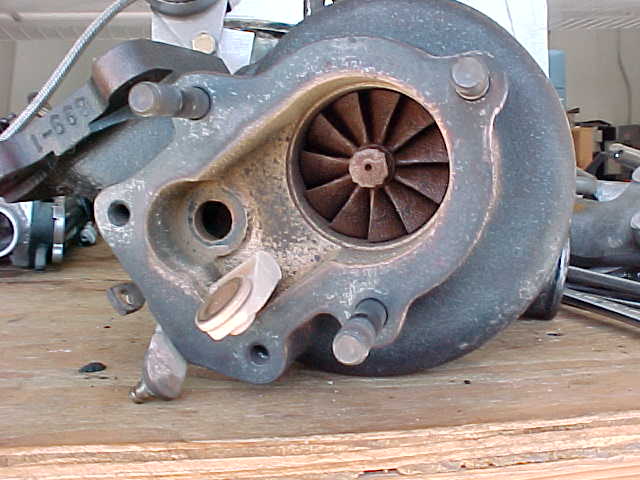
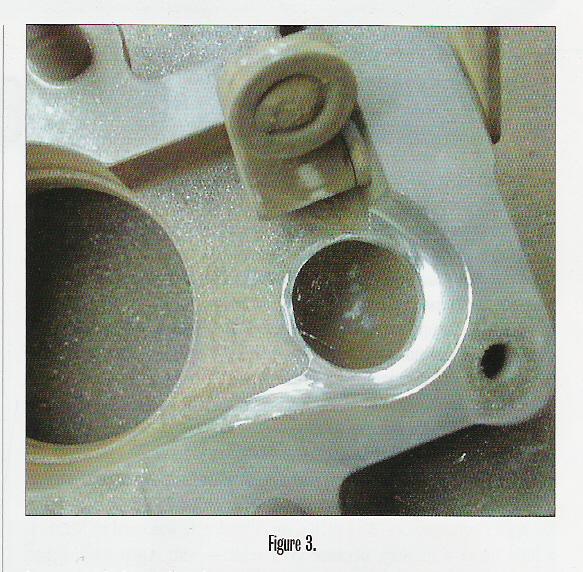
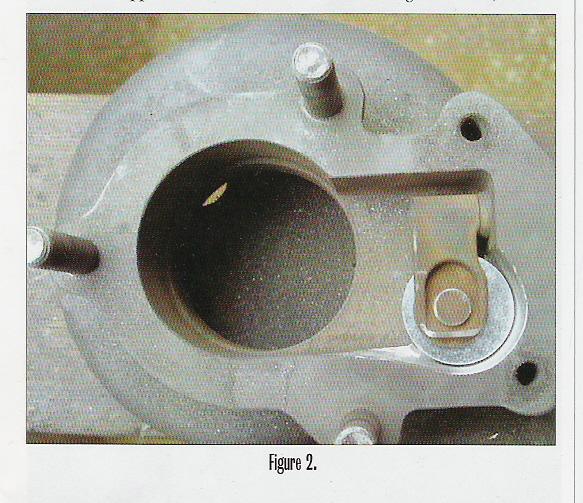
> and that the compressor wheel turns only with significant resistance.
>
> So the turbo is dead, and I am out of the formation clinic and will have
> to decide tomorrow about flying home with a dead turbo. Will maybe be
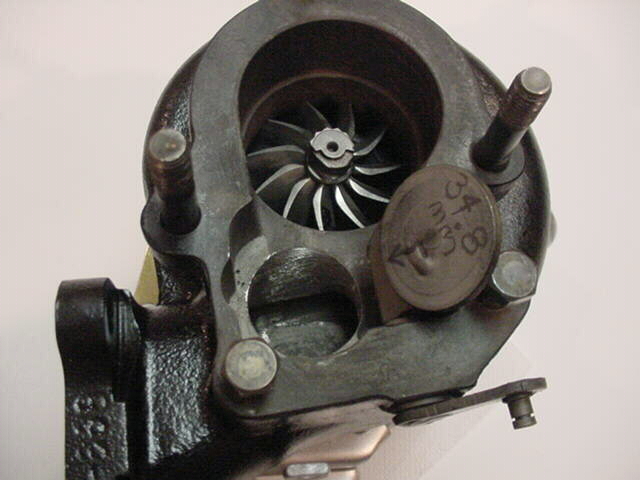
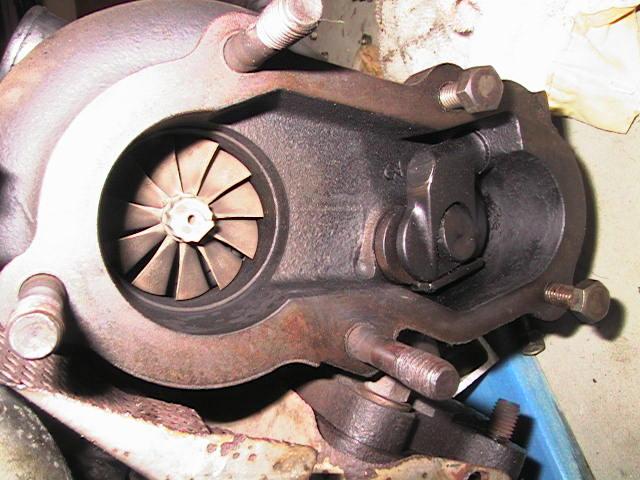
> able to take a look in the hot side and see what I see.
>
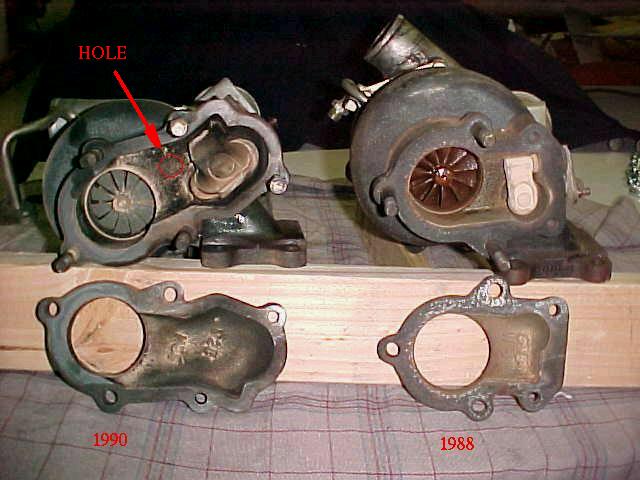
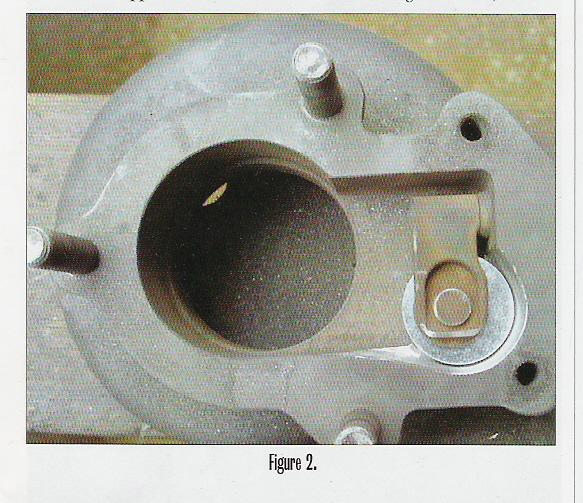
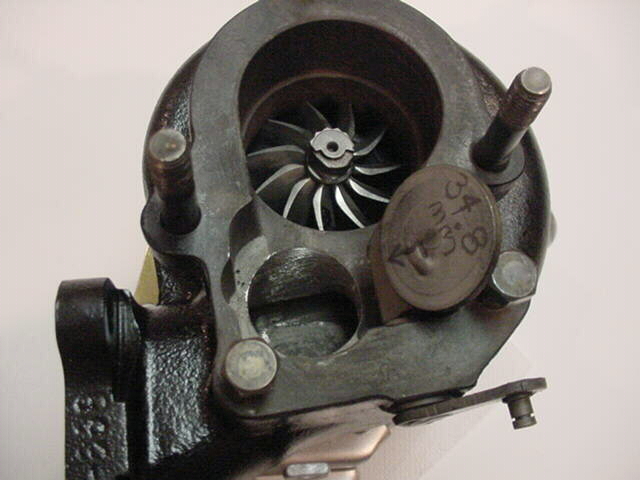
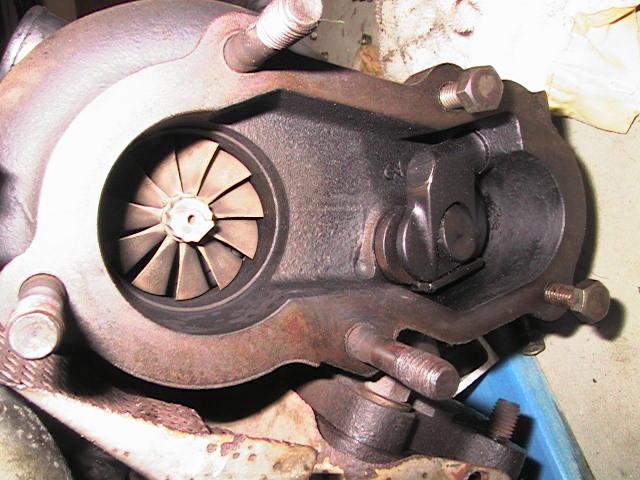
> This turbo was the TO4 hybrid with a fixed wide open waste gate. It had
> 130 hrs of mostly hard duty. Sigh.
>
> --
> David Leonard
>
> Turbo Rotary RV-6 N4VY
>
http://N4VY.RotaryRoster.net
>
http://RotaryRoster.net
>
> Sorry to hear that Dave. You are our main turbo development man.
>
> Let me review the configuration. Larger TO4 compressor wheel adapted to
> stock
> late 2nd gen turbo. Is that correct? Was the stock turbine trimmed?
> Is this the one with the enlarged exducer?
>
> Turbo life is now up from two hours to 130 hours to look at the positive
> side.
>
> IMHO We still need a turbo tach.
>
> ---------------------------------------------------------------
>
> Dave, I wager when the turbine cracked is when you got to 15,500 feet for
> awhile. I think that is when the turbo RPM exceeded its obvious red line.
> The higher you go the less back pressure on the turbine and the higher
> the turbine RPM. I know you know this but we have a lot of new readers.
>
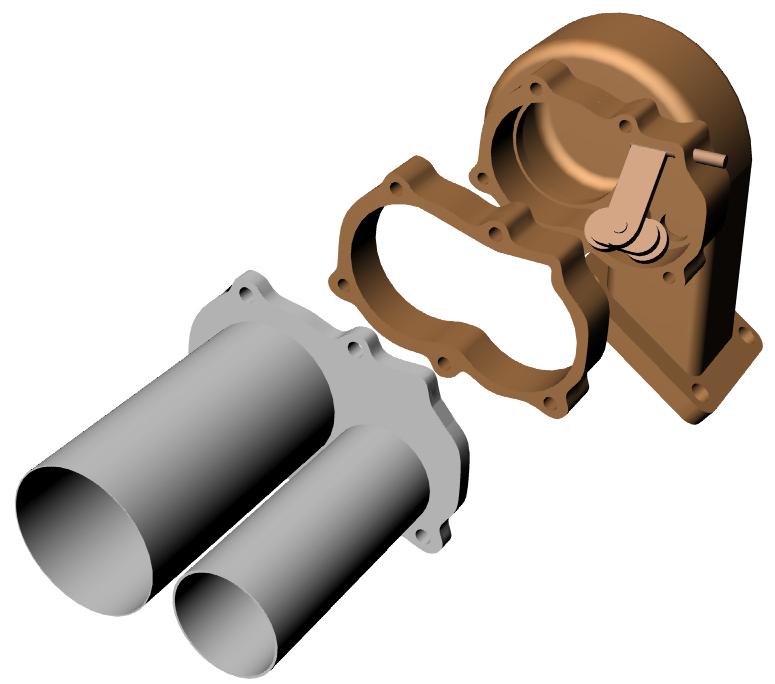
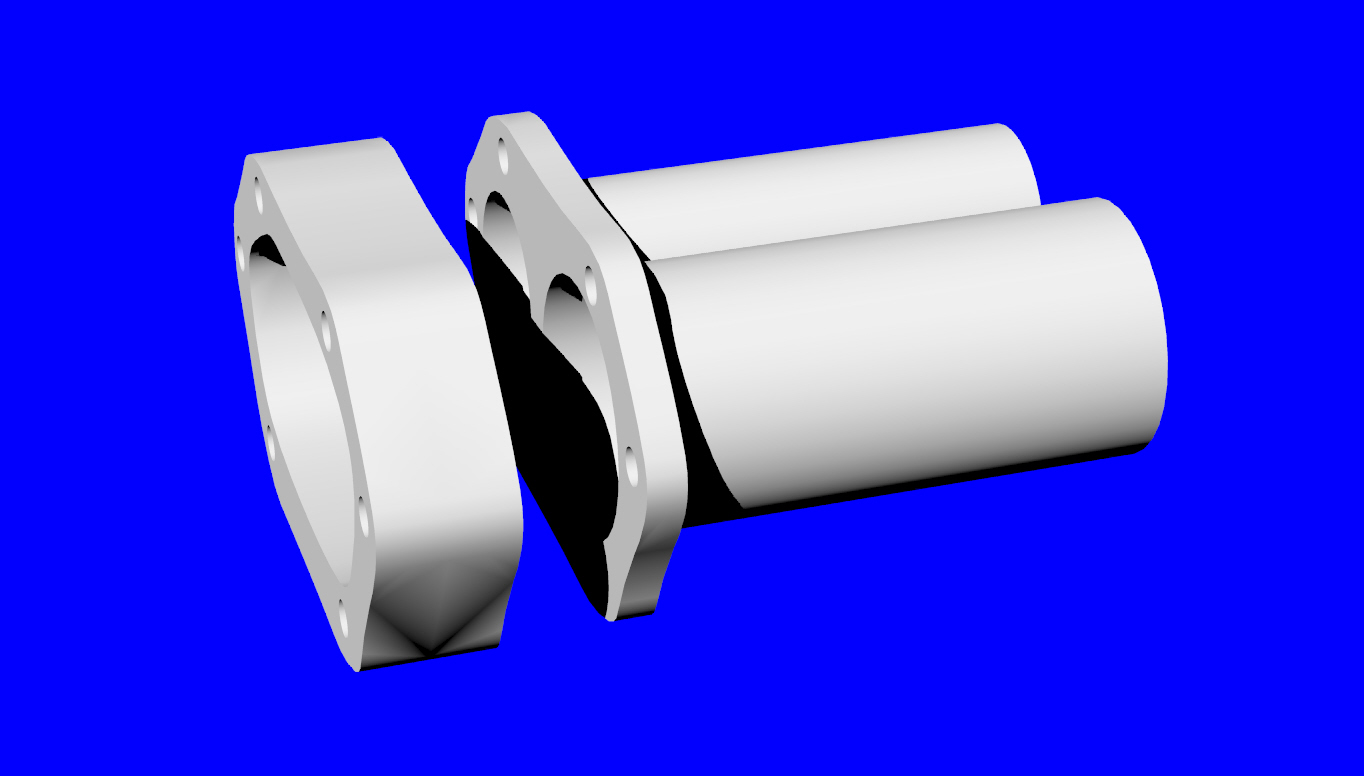
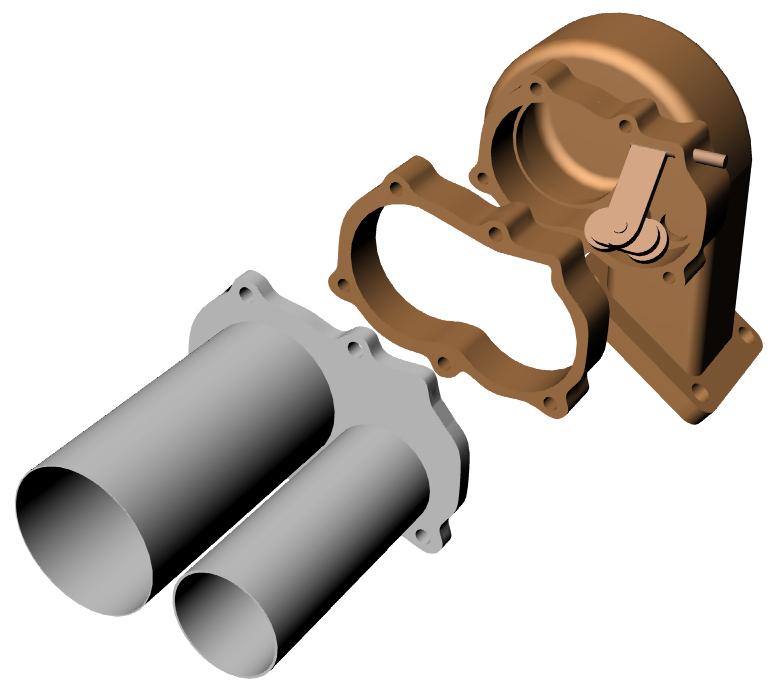
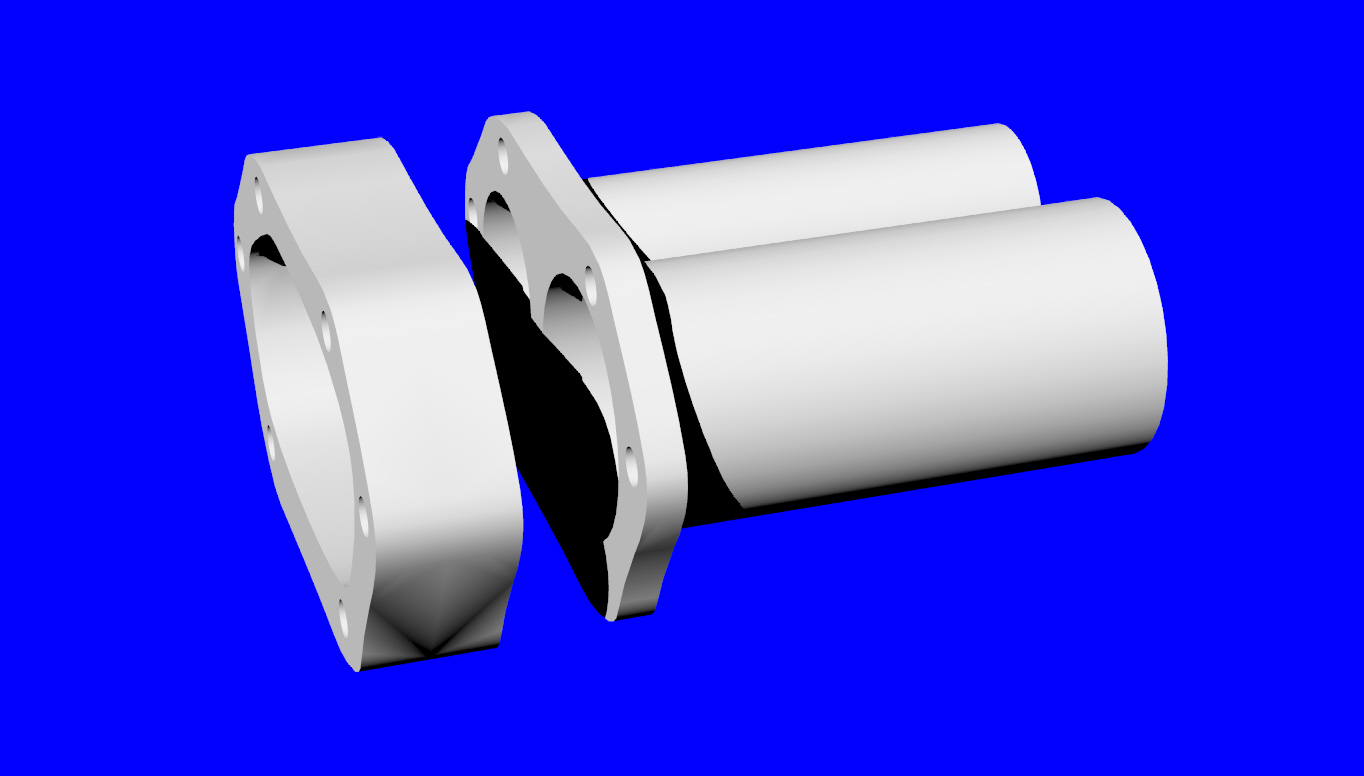
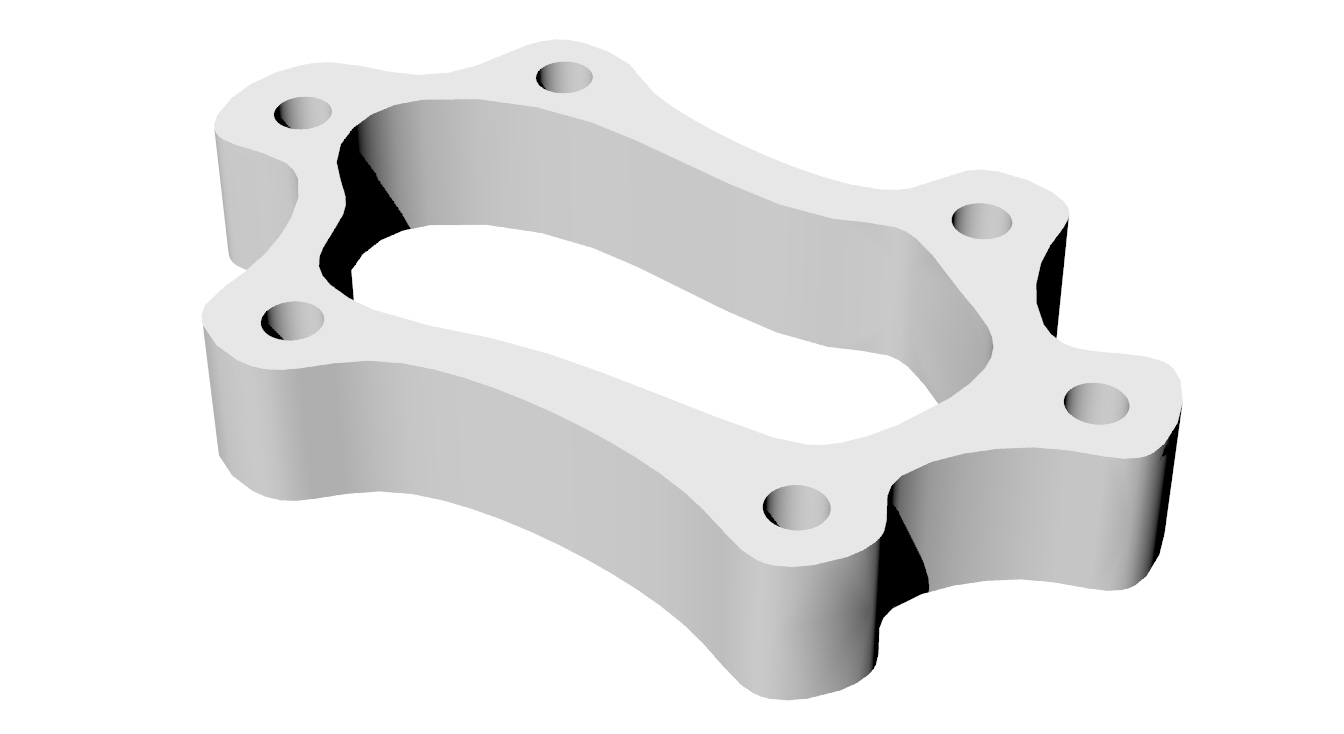
> I also think what we need is a simple diverter valve ahead of the turbo
> that
> positively diverts the exhaust gas to an auxiliary exhaust pipe bypassing
> the turbo completely.
>
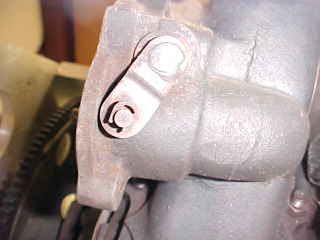
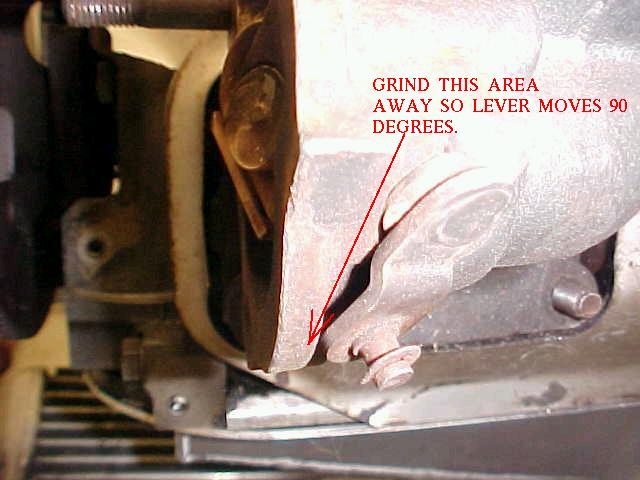
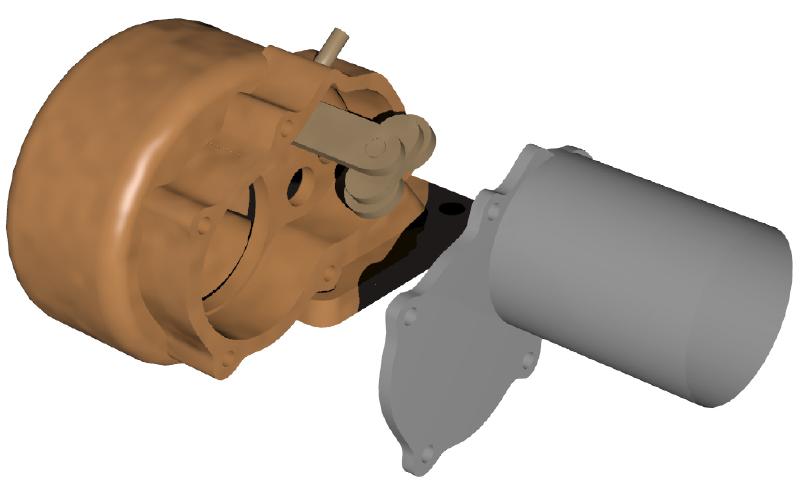
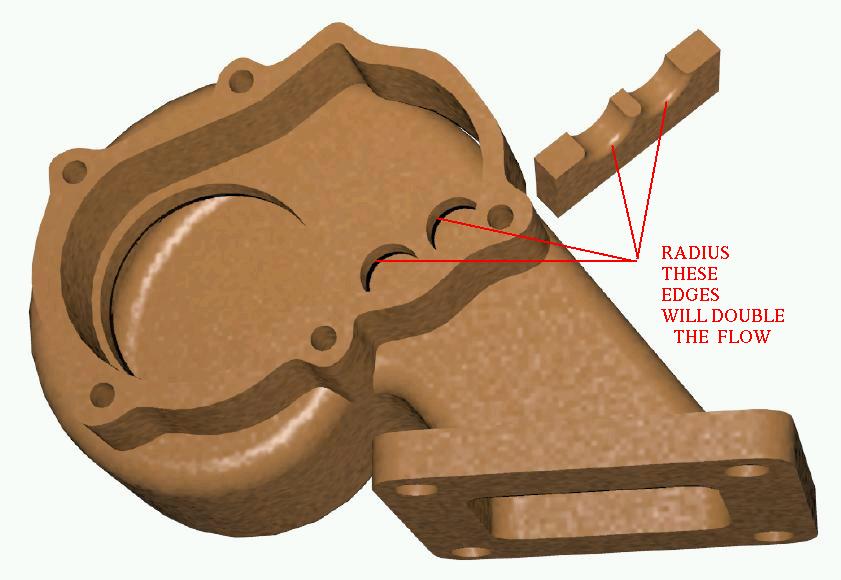
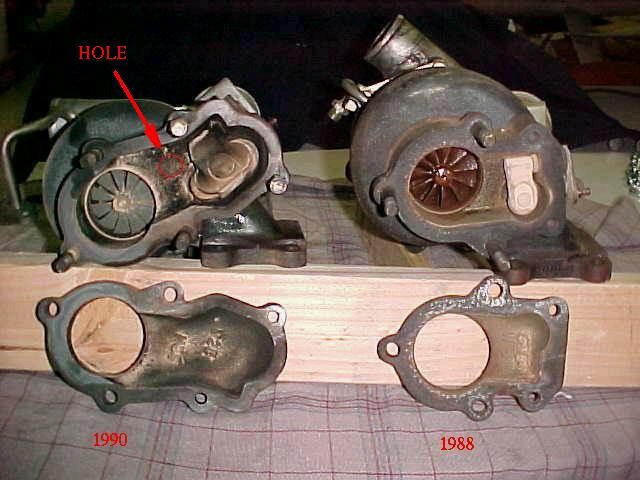
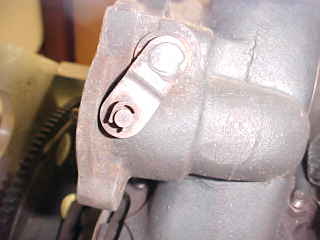
> Conventional waste gates don't do this. They merely open a hole in the
> exhaust
> manifold in the hopes this will reduce the pressure across the turbine and
> cause it to slow down. Obviously it is not working well enough.
>
> This diverter valve can be operated by a signal from the turbo tachometer
> limiting the turbine RPM. There is not a lot we can do about exhaust gas
> temperature but we can limit turbine RPM. Turbines fail from a combination
> of RPM and temperature. Limit one or the other and the turbine will live.
>
> This chart from Caterpillar graphs the situation. The red dotted line on
> the
> right is the RPM limit. The red dotted line on the left is the turbine
> inlet temperature. One must stay between the red lines. The black curves
> can be considered as HP lines as this is a diesel. More fuel more HP.
>
> Do we need a 3D?
>
> BTW Dave this R&D you are doing IMHO will become invaluable when the
time
> comes
> to build a turbo compound rotary. I thank you in advance. The world will
> owe you a debt of gratitude.
> --
> Paul Lamar ...No rotor no motor
.
Paul,
You snatched the words right out of my mouth and it's something I suggested
some time ago. At the time you requested a drawing and II supplied a rough
one, but to be fair all things must be tried and I would suggest they have
been pretty well tried by Dave to this point.
I wonder how Mistral are doing theirs. Regardless restricting the heat and
flow is the most obvious way to assure survivability of the Turbo IMHO.
George (down under)
I am rapidly coming to the conclusion that the problem lies with the
RPM and not the turbine temps. 1050 C is 1900 F.
The turbine temps are about half the EGT temps.
Paul Lamar ...No rotor no motor.
I am pretty sure the waste gates I have seen are directly before the
turbo and have their own exhaust pipe. They have not been on rotary
engines though as I have just got into the rotary. If one had an exhaust
pipe on the waste gate could it then just be piped around the turbo and
reconnected back to the main exhaust? I would think the exhaust is going
to go to the path of least resistance and go around the turbo rather
than through.
Dan
Yes one would think so but the built in waste gate
on the Mazda 2nd gen turbo engines does not work that well.
--
Paul Lamar ...No rotor no motor.
The Rotary Engine NewsLetter. Powered by Linux.
ACRE NL web site.
http://www.rotaryeng.net
Youtube key word UTUBPLEASE
Copyright 1998-2008 All world wide rights reserved.