Suppose that we did have some well tested aluminum rotors, and they work
fine, and the groove don't wear out, and they don't get too big when hot
and open the seal end gaps and so on. Or, we slot the corner seals,
and some how the crush fit for the steel backed rotor bearing does not
vanish at operating temps, and we build an airplane engine with this
magic aluminum.
Suppose the new rotor weighs 1 pound instead of nearly 10 pounds.
Counter weights will be down to about a pound each. Good news.
Any additional HP will only come from processing more fuel, so if you
really need more than 230 or so then you need more RPM and then maybe a
3.5:1 reduction unit.
Muffling will be more involved or with ceramic coatings a turbo.
But you will be giving away more than one advantage of cast nodular
iron, and there are many.
The one I like is flywheel effect from 20 pounds of iron. The two torque
pulses per revolution with no flywheel effect may be more fun than you
can imagine. Once at speed there may not be a big problem, but shame on
you at part throttle. And idle will be a school in tuning. Ignition only
after TDC. Lean, slow burning mixture maybe only injecting alternate
revolutions, and so on.
So now its on the torque stand and has been running fine. The first
reduction box is back at Tracy's to get autopsied, and power is good but
now the new box is showing slivers of steel in the filter, and we have
built a new heavy flywheel to take out those awful jerks and jumps under
1600 RPM. Strange, the flywheel weighs 20 pounds????????
If its for a race car, where recurring accelerations will yield improved
times to RPM, then a very light rotating assembly is important. The
weight differences may not show up on a dyno at all and lighter
assemblies may prove to be less effective when they allow undamped
harmonics where heavier pieces had no such problems. In a steady state
power measurement the current engine might show up better than the new
lighter rotor engine.
So you buy a new race engine from the guy who beats the snot out of you
every weekend, and your plan is that since you have identical cars and
about the same equipment, and of course you can drive better than that
old guy, you will teach him a lesson next week at Mid Ohio. Your home
track.
Ouch......He is still 2 seconds faster. Not as bad as 3 seconds but this
engine he sold you must be lame.
He says lets swap cars for the next session, you leap at the chance. His
car was a past National champion.
He is a second faster in your car than you are. And he was only out for
two laps. You stay out for the whole session 9 laps and your best was a
second faster than your car. Damn...........
He says lets walk the track at noon, and in the mean time here is a list
I made up that might help you.
During the walk you find out your solid knowledge of Mid Ohio turns out
to be vestigial. He gifts you his copy of Driving in competition by Alan
Johnson. His list says that the engine seems fine, the 4-5 spread is too
tall. The final drive ratio is too tall, 4th is faster than shifting to
5th then back. You need a carbon fiber drive shaft.
Loose the Centerline wheels and buy PPS wheels. Mount Good-Years forget
the Hoosiers. He says you have to wind it to 9,600 on each shift. The
rear bar on full soft is still way too stiff.
His crew chief, (another old guy) explains to your crew chief (also your
father in-law) that the recurring acceleration of that extra mass costs
time. The Good-Years only last 2 weekends but weigh 10 pounds and stick
real good over 150 degrees.
The Hoosiers last 4 weekends but weigh 15 pounds and need 200 plus
degrees to stick at all. Not going to happen on the rear tires
In the race:
The old guy drives off his pace a bit, and gives you a driving clinic,
just driving his line, you turn in your very best lap time ever. On the
last lap, he shifts at 9,600 instead of 9,300 RPM and yanks you 6 cars
down the long straight like he has 30 HP on you and wins again. You are
now friends with the old guys, who and all and all seems to know more than you. The
difference is the recurring acceleration of the rotating assembly where
one is a whole lot heavier than the other. If you think about it longer,
you see that braking is more effective as well.
(Wheels and tires are big flywheels)
On an inertia dyno, that measures time to RPM, the heavy rotating
assembly will show up as less HP than a lighter rotating assembly. On
a water brake dyno it may not show up at all.
Lynn E. Hanover
That is very good Lynn. You have a real talent for writing.
Very interesting.
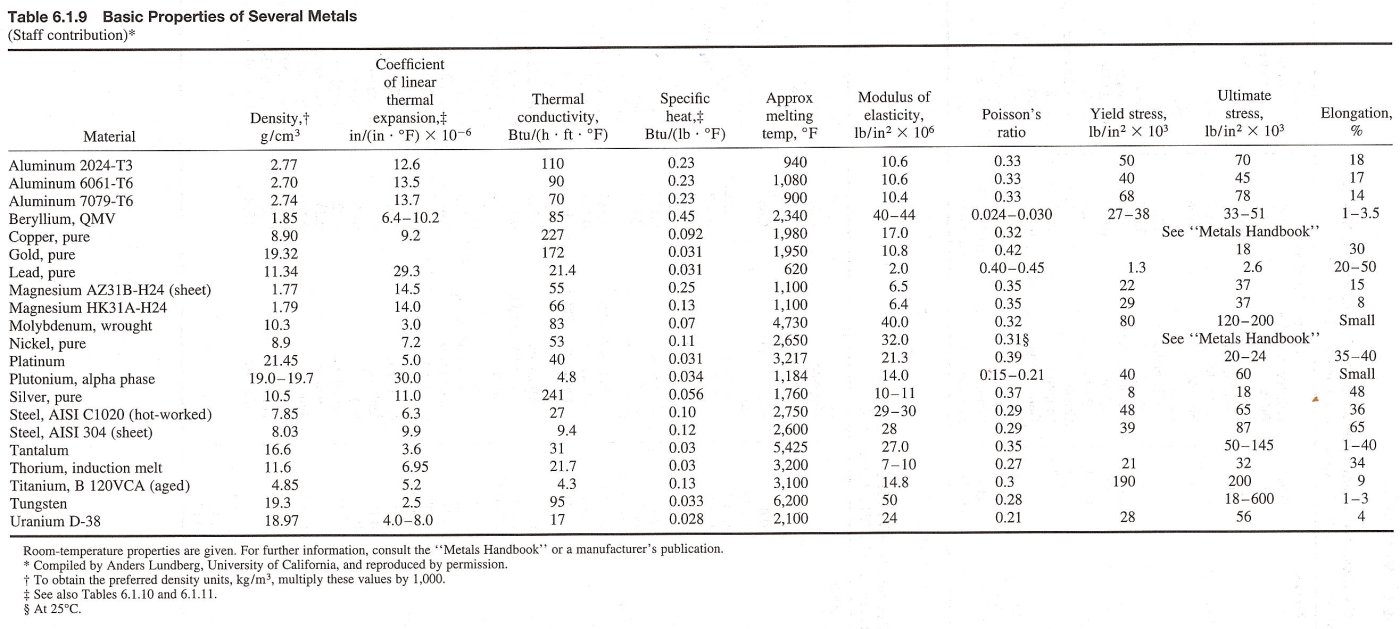
The aluminum rotor will never be one pound. Iron .3 pounds per cubic inch.
Aluminum .1 pounds per cubic inch.
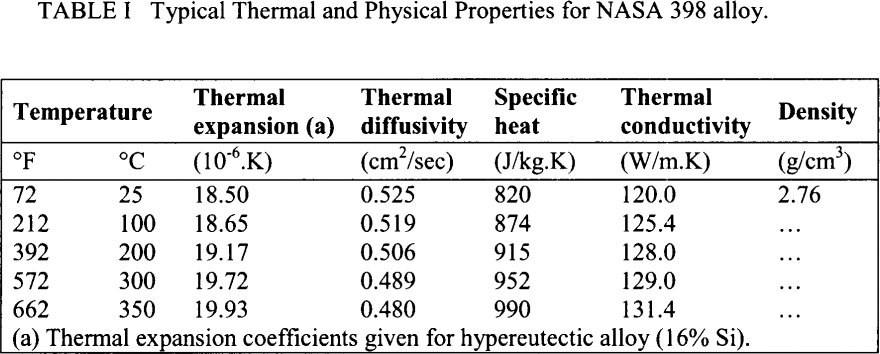
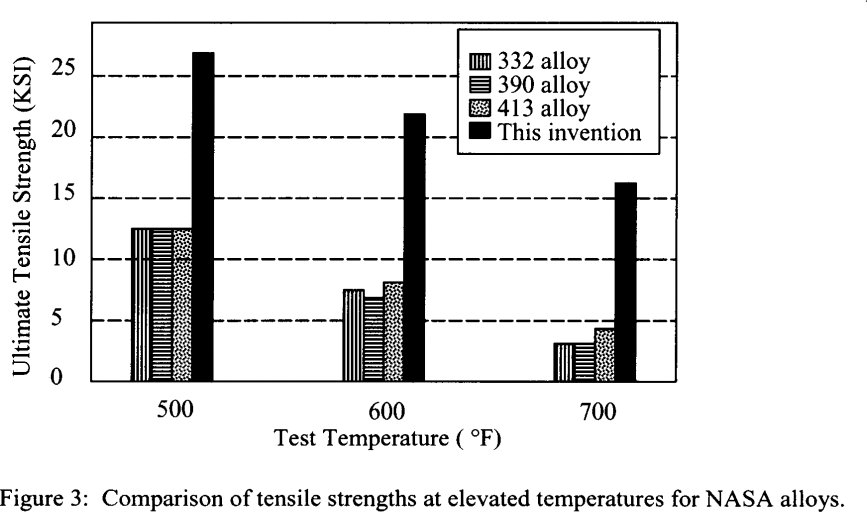
Hi silicon content aluminum expands much less than regular aluminum
and is closer to iron. That is why they make pistons out of it.
That is also why Mazda went to it for rotor housings.
Piston ring slot wear is more of an issue in pistons as the rings
move back and fourth unlike the apex seals in a rotary engine.
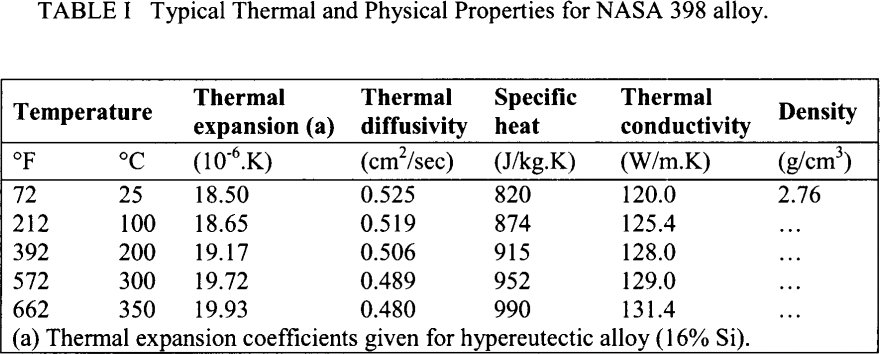
So far I have not found a conversion for expansion per degree Kelvin
to inches per inch per degree F. Perhaps someone on here can help me out.
Don't forget the torque isolator. Tracy's is tunable
and working very well. No real need for a 20 pound flywheel.
And yes I think 150% more power will show up on a water brake dyno.
That is of course the dyno is capable of 16,000 RPM. P-ports both of course.
Furthermore :)
"In this study, an aluminum alloy, AA1050, was reinforced with an
interconnected, axisymmetrical, galvanized iron wire preform.
The composite was synthesized using disintegrated melt deposition
technique followed by hot extrusion. Micro structural characterization
conducted on the composite samples showed good interfacial integrity
and low volume percent of non-interconnected porosity. Physical property
characterization showed that the coefficient of thermal expansion of the
composite decreased below the values predicted by the theoretical models.
Hardness test conducted on the materials revealed that the composite
matrix exhibited a higher hardness when compared to the monolithic
aluminum alloy. Tensile property characterization revealed that, even
with a low volume percentage (0.896%) of the reinforcement, the elastic
modulus of the composite material increased beyond the value predicted
by the Rule-of-Mixture model. The 0.2% yield strength and the ultimate
tensile strength of the composite material and the monolithic aluminum
alloy remained within each other’s standard deviation while the ductility
of the composite material decreased."
Paul Lamar ...No rotor no motor.
The Rotary Engine NewsLetter. Powered by Linux.
ACRE NL web site.
http://www.rotaryeng.net
Youtube key word UTUBPLEASE
Copyright 1998-2008 All world wide rights reserved.