The port is open 270 e-shaft degrees from the first apex seal passing over it
to the next apex seal passing over it. 270/360 times 10.0 is 7.5 msec
However the next intake stroke starts to occur immediately.
You can also start to inject fuel just before the port closes and catch the
next rotor face intake cycle. A carb is feeding fuel 100% of the time
and the engine runs fine.
This is not like a piston engine. A piston engine intake stroke comes
to a dead stop for 270 crankshaft degrees. Not so in a rotary. The intake process
is in continuous state of operation. One or another rotor face is always
in intake position.
Part of that time it is open to the exhaust but the pressure in the tuned
intake manifold is higher than the pressure in the exhaust so no transfer
of exhaust gases happens during that time. At other times some exhaust gas
can get into the intake and vice versa. In effect the exhaust gas pressure
combined with the intake chamber pressure build up is used to bounce the
intake wave. What you need to know is what is the pressure where and every
millisecond or so during the entire process.
When you see this tuned system at work on a dyno you get a feel for it's
>very powerful effect. Very impressive.
What Doug is up to is reducing the time the injector is open by using
a high flow, high horse power injector and upping the fuel pressure from the
current 40 to 50 psi to something higher. That will give the same
amount of fuel for a shorter injector opening time.
Paul Lamar ...No rotor no motor.
George,
It gets confusing I know. but as Paul reminded us. the intake port is
only open 270 degrees. I had forgotten about the precession of the
rotor. However when calculating the required fuel for the power setting,
we have to assume fuel injection happens once per e-shaft revolution. I
think we are on the same page here.
At 6000 rpm, one shaft rev. requires 10ms, at 7000 rpm it's 8.65ms and
at 8000 rpm only 7.5 ms.
Now calculate fuel needs per event at one revolution. This amount is the
fuel required IF you want to inject during the whole 360 degrees.
Obviously you don`t for best efficiency.
So depending on if you are injecting when the intake port is open, (270
degrees span) best rotor position time (200 or less degree span?) or
some other degree time window, you will have to up the fuel flow to fit
in the time slot you have choosen. Less time requires more fuel flow
rate. Under 6,000rpm. it is a walk in the park with the high flow,
fast response injectors to get the fuel where and when you want it,
with elbow room to spare. At 7000 rpm the injectors are running at full
80% duty cycle and flowing at the 68 pounds/hour RATE in the smaller
time window (in this case I choose a 200 degree span) although the
actual fuel delivered works out to about 42 lbs/hr.
At 8,000 rpm or 300 hp we can't get enough fuel in at 3 bar [45 psi] and a 200
degree span. So by calculation, I found I would have to up the fuel
pressure to 4 Bar [60 psi], inject the full 270 degrees, (overlap is not such an
issue at these rpms) and up the duty cycle to 90%. For sustained max
horsepower operations, racing for instance, it would be wise to up the
fuel pressure even more and lower the duty cycle.
Choosing efficient pumps and regulators is also mandatory to keep
consumed amp/hours to a minimal. For your information, Mallory has a
nice selection of flex fuel compatible gerator pumps that have internal
by passes and can be used with non return regulators. This keeps the
pump from doing needless work.
Cheers mate
Doug in Japan
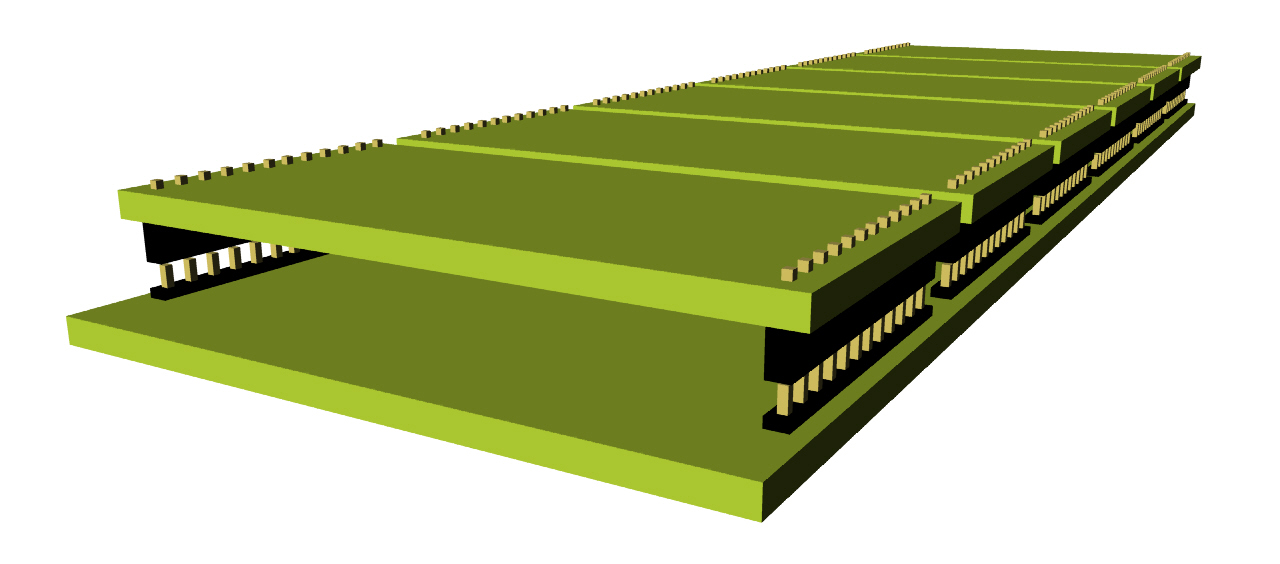
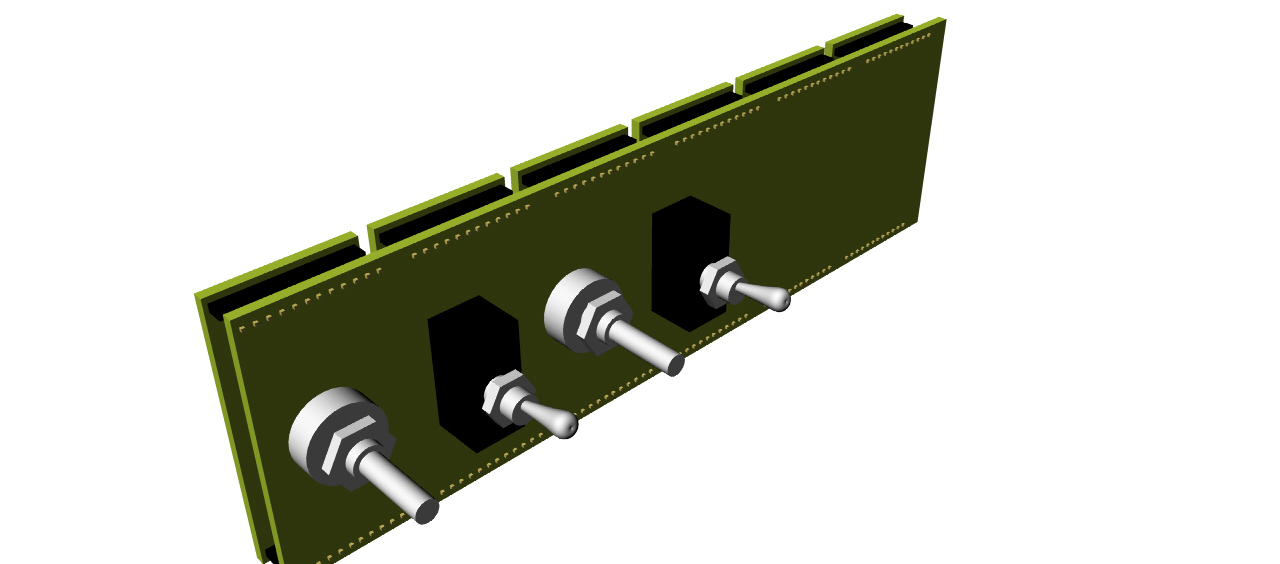
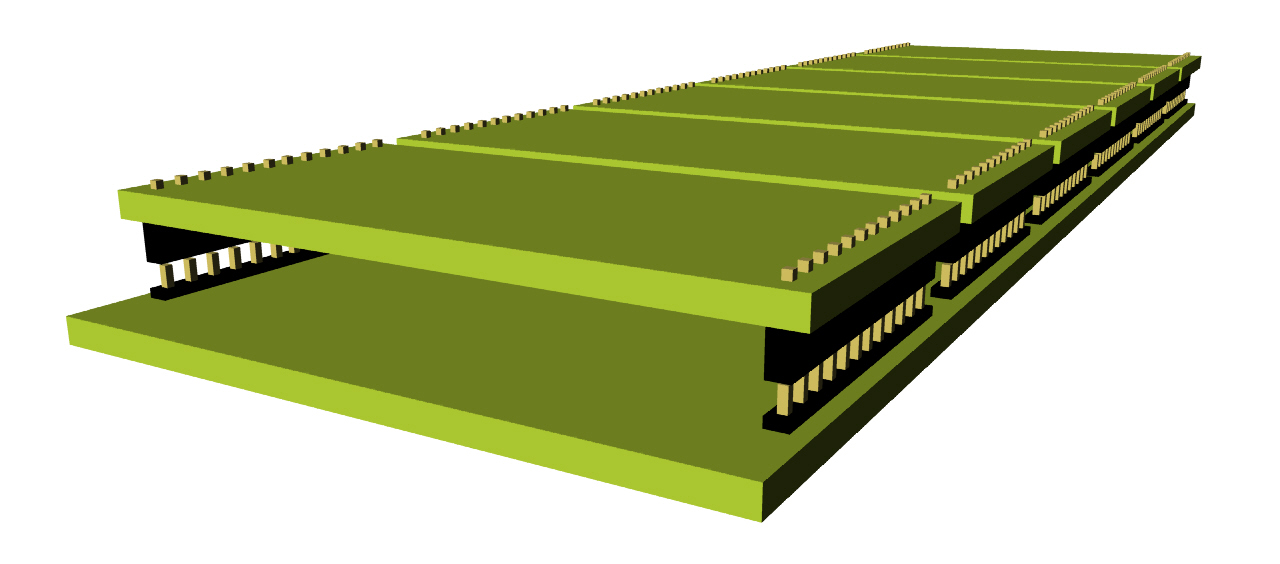
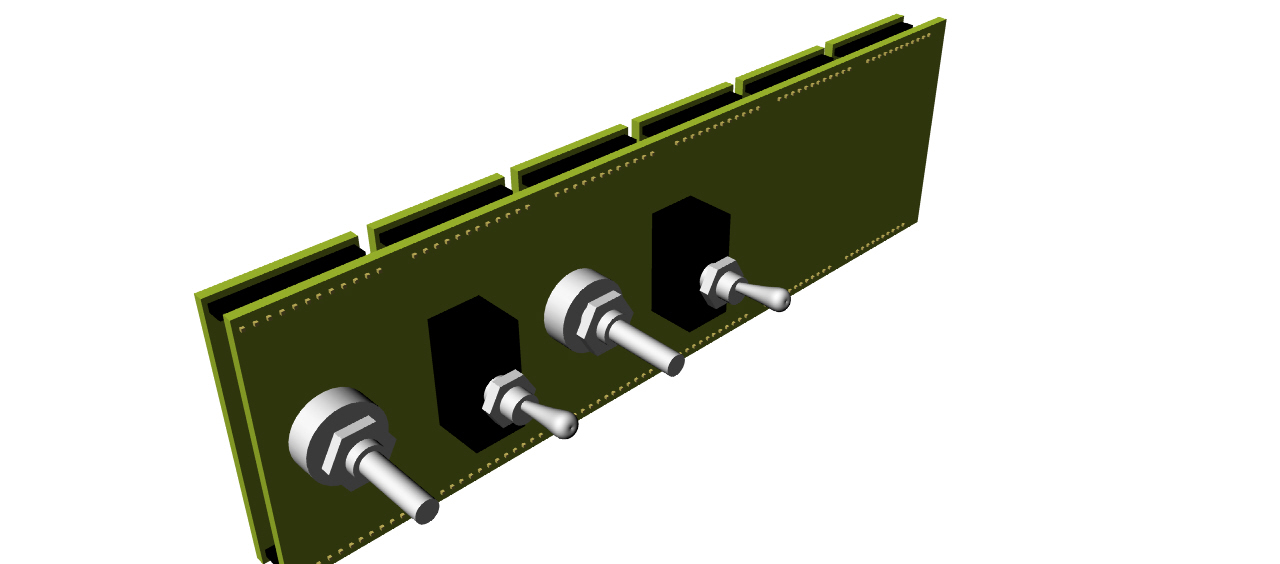
What the racers do is go to more injectors. The high power stock RX8 has six.
Some are turned off at idle. With the 555 system you can add as many as you
want. You just need to make the mother board longer.
Paul Lamar
The Rotary Engine NewsLetter. Powered by Linux.
ACRE NL web site.
http://www.rotaryeng.net
Youtube key word UTUBPLEASE
Copyright 1998-2008 All world wide rights reserved.