The Hornet guys got a few hours flying the 2 rotor Rotamax powered
airplane before departing to OSH. Unfortunately I did not get a video
yet. The muffler is half a spin tech and it is rather quiet.
The rubber gear box coupling was replaced with a 50 durometer version
down from the original 60 durometer version with a noticeable
reduction
in idle speed. 50 durometer is the lowest available for that brand
of coupling. Like all geared 2 rotor aircraft engines they tend to
resonate around 1800 RPM. The quick and simple cooling system
worked great despite being installed BEHIND the cargo pad :)
That is the president of Hornet (Robert) removing the gear box from
the engine.
Paul Lamar
The Hornet is a cute little airplane. I can imagine having fun with
something like that. I am surprised it is using the RotaMax two
rotor--as that seems like a lot of engine for this aircraft. But I
am just guessing what its hp/weight requirements might be. So,
how
did it perform? Two more observations: first, that narrow motor
mount will take some getting used to. I would not be comfortable
with
it. And, secondly, how big is the fuel tank? I think the two
rotor
will be thirsty. Jerry
It was estimated at about 480 gallons an hour based on the half
gallon of fuel burned in 3.7 minutes. Not an accurate way of
measuring the fuel burn. A rather unlikely number in fact.
Something wrong there. Perhaps my notes are wrong.
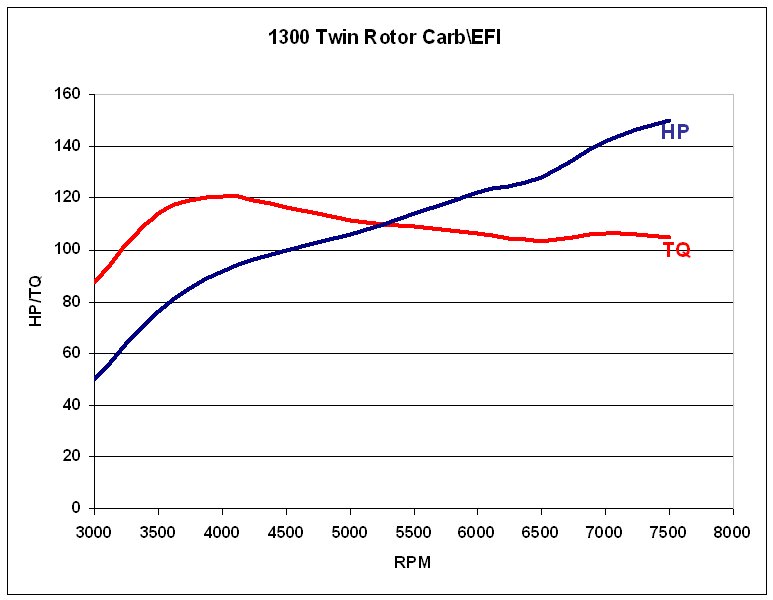
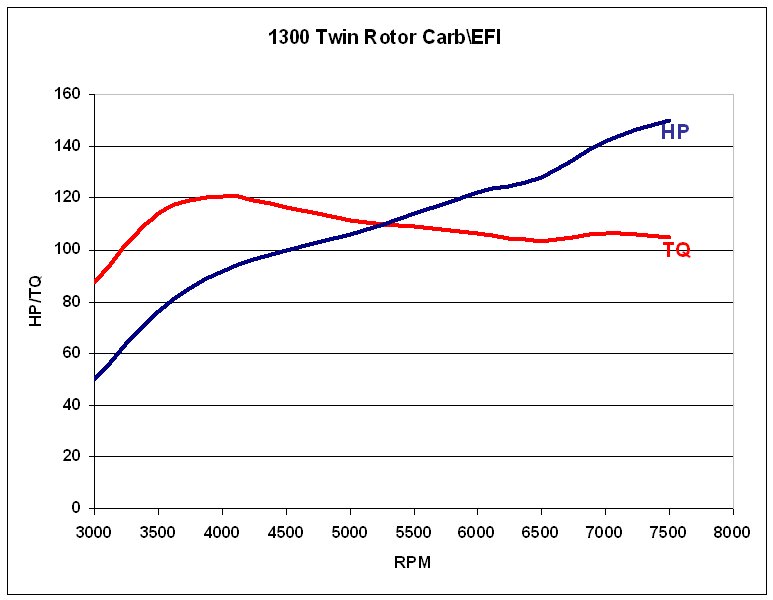
The static RPM was about 5000 with a 1.9 gear box. From the
Rotamax web site: 4750 is about 100 HP. Engine weight claimed is
145 pounds. Assuming it is 100 HP a BSFC of .6 would be 60
pounds an hour or 10 gallons an hour. A much better guess. It is
not like you are going on long cross country flights with an LSA
anyway so fuel burn is not much of an issue. The claimed engine
weight is 145 pounds. The 80 HP Rotax 912 engine weighs 132
pounds. That is about 100 pounds less than a Subaru.
The big advantage right at the moment is the cost.
It is about $5000 cheaper than a Rotax 912 I am guessing.
They also flew the airplane briefly direct drive with a max RPM
of 3000. The power must of been down around 50 HP and that is how
the airplane flew. Like it had 50 HP. The Hornet has flown before
with low HP engines as it was close to an ultralight concept in
it's early days. In other words it has a lot of wing area for its
weight.
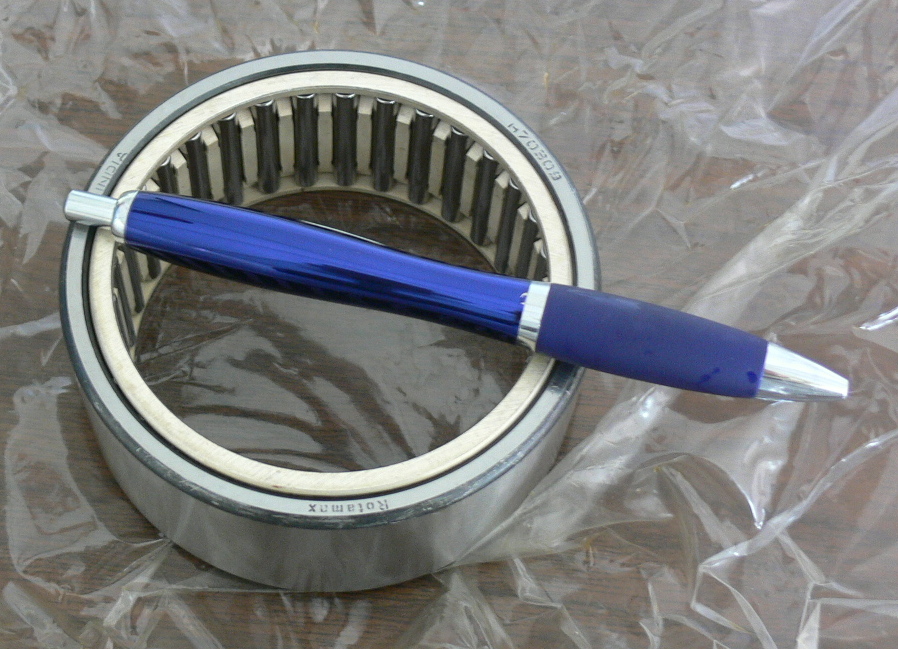
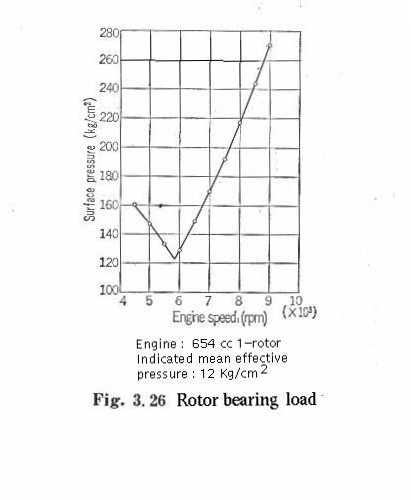
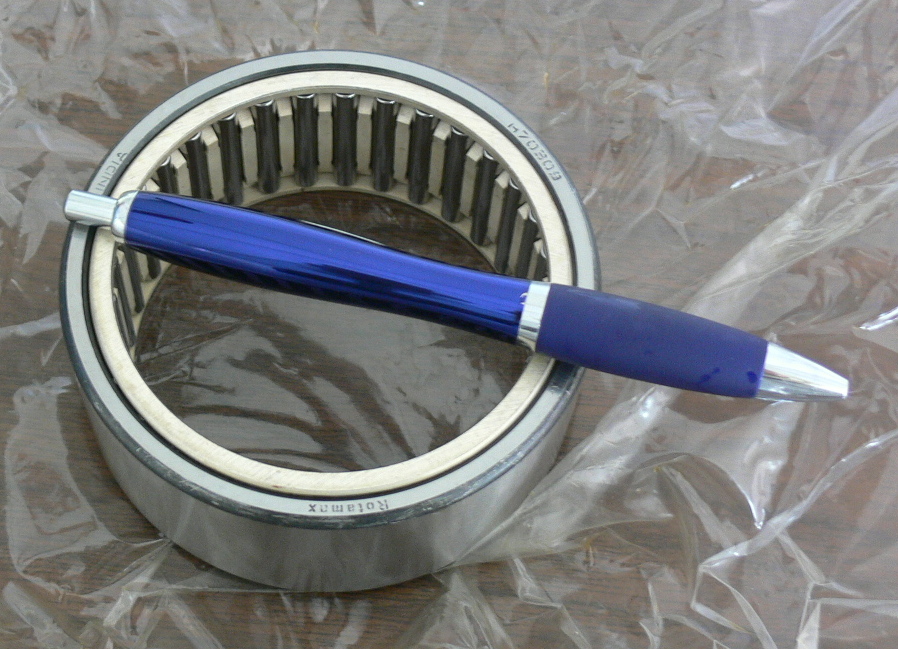
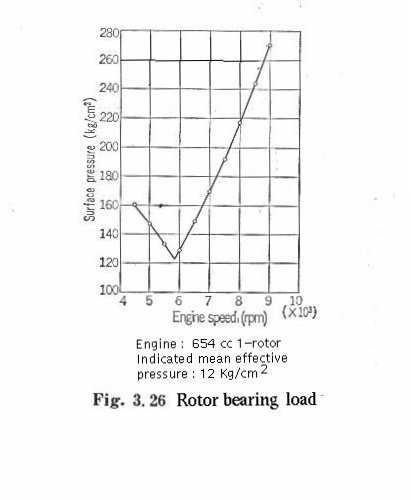
Apparently, and as far as I can determine, the RPM, HP and
therefore the gear ratio is limited by the rotor needle bearings.
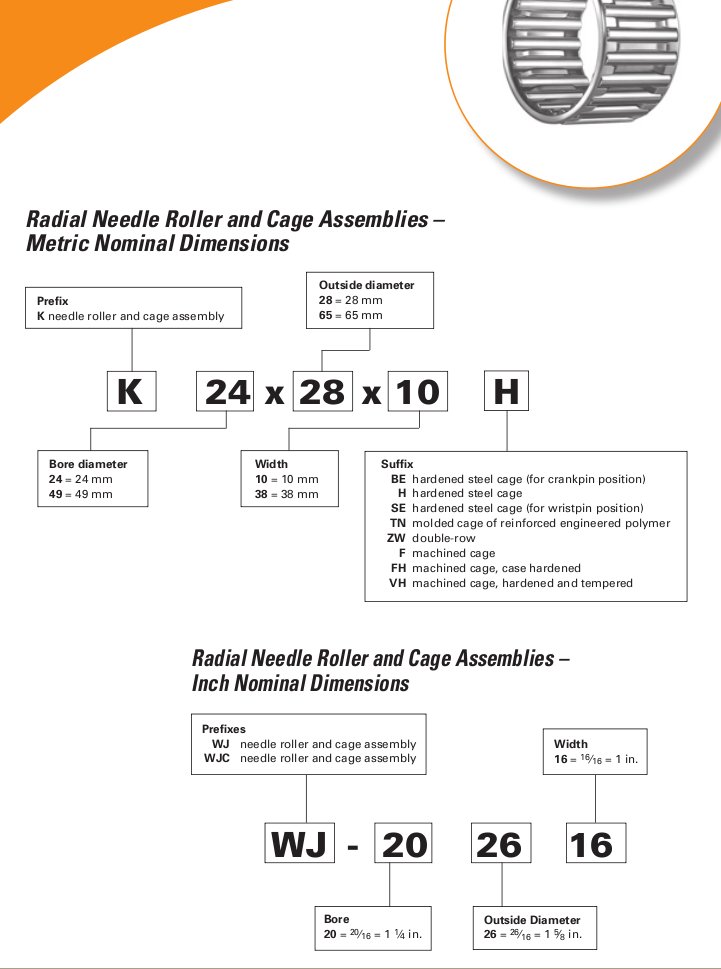
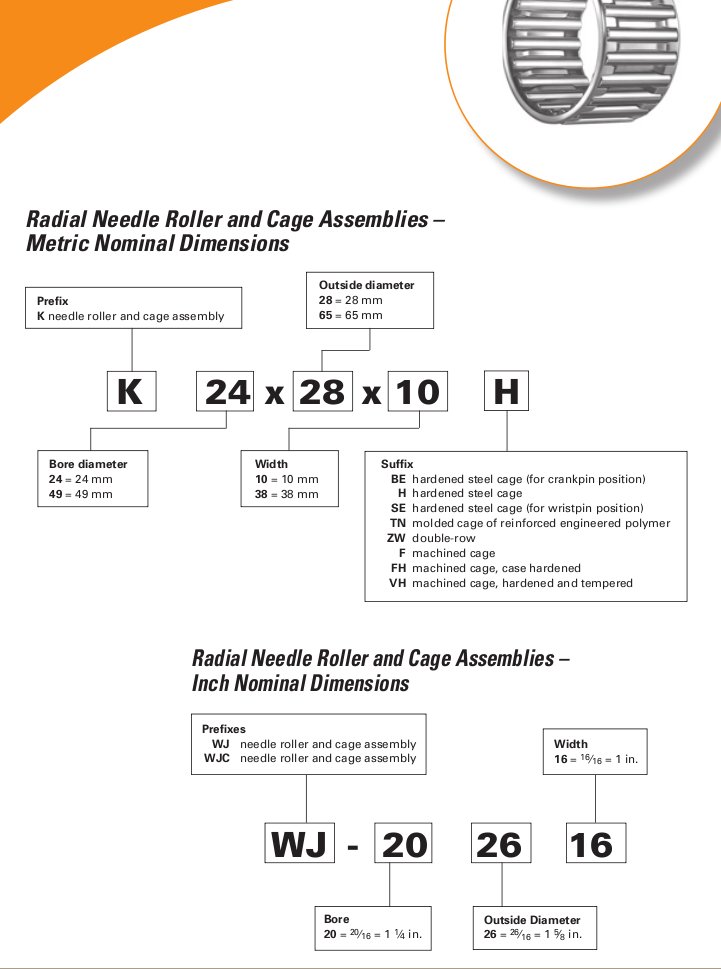
Currently they are using a composite needle cage which may be
softening as the rotor temperature is quite high. An easy change
would be to use a steel needle cage. Rotamax could easily test
that hypothesis. The loads on the rotor bearings are a minimum at
6000 RPM. If they can get the RPM up to 6000 there should be
another 20 HP available or about 120 HP total. That would make it
suitable for some experimental aircraft. It would also make the
60 HP one rotor version more competitive with the 80 HP Rotax
912. That should take another $5000 out of the cost of an LSA.
Paul Lamar
--
The Rotary Engine NewsLetter. Powered by Linux.
ACRE NL web site.
http://www.rotaryeng.net
Youtube key word UTUBPLEASE
Copyright 1998-2008 All world wide rights reserved.